


10 Best OBD Meaning in Logistics Explained?

In logistics, abbreviations can save time or create costly confusion. “OBD” is one example. Its meaning depends on the company, software platform, transport document, or warehouse process. The phrase “Obd Meaning Logistics” usually refers to how OBD is interpreted within supply chain operations.

In many enterprise systems, OBD means Outbound Delivery. It identifies goods prepared for shipment after a sales order is confirmed. A warehouse team may scan an OBD number before picking cartons, printing labels, or loading a truck. The record can show quantities, destinations, delivery dates, and handling instructions. In other contexts, OBD may describe order-based delivery, on-board delivery, or electronic vehicle diagnostics. These meanings are not interchangeable.

This guide explains ten common OBD interpretations found in logistics. It connects each meaning with practical situations, including inventory control, dispatch planning, shipment tracking, and system integration. The discussion also considers labels, invoices, warehouse screens, and carrier communication. Real operations are rarely perfectly consistent. A regional office may use OBD differently from a global headquarters. That difference deserves attention.

Check the surrounding words.

Reliable interpretation requires evidence. Review the system field, document type, process stage, and organization-specific glossary before acting. When uncertainty remains, confirm the definition with the logistics manager or software administrator. A small abbreviation error can delay loading, duplicate a shipment, or misdirect a delivery. The goal is not merely to memorize definitions. It is to understand how each OBD meaning affects real movement, accurate records, and dependable customer service.
10 Best OBD Meaning in Logistics Explained?

What Does OBD Mean in Logistics?

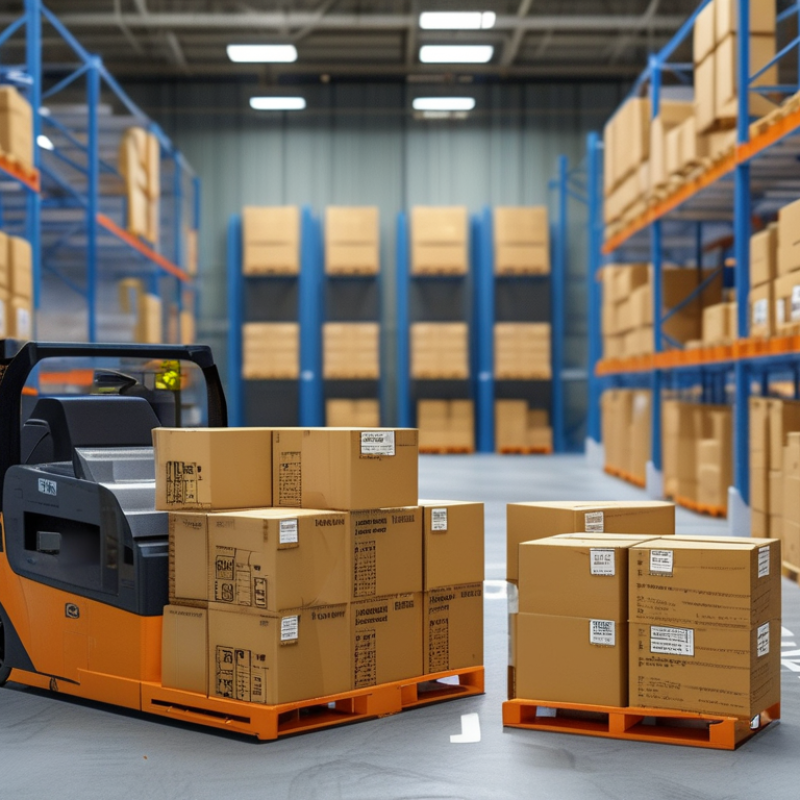
In logistics, OBD usually means Outbound Delivery. It is the warehouse record for goods moving from storage to a customer, store, or another facility. The record normally includes item codes, quantities, delivery dates, loading instructions, and destination details. In practical operations, OBD connects the sales order with picking, packing, staging, and dispatch.

A warehouse worker may scan a carton at 8:40 a.m., place it on pallet 12, and assign it to a scheduled vehicle. The OBD should reflect those changes accurately. If five units are picked but only four pass inspection, the record needs an adjustment before loading. Small errors can create inventory gaps, delayed deliveries, or incorrect invoices. OBD is not the same as proof of delivery. Proof of delivery confirms receipt after the shipment arrives.

The meaning can vary between systems. Some transport teams use OBD for other terms, so written procedures matter. I have seen employees assume that creating an outbound record means the shipment has already left. That assumption is not always safe. A completed OBD may show preparation, not physical dispatch. Reliable teams compare the record with scan times, loading lists, and vehicle departure data. They also review unusual edits instead of trusting every automated update. Simple checks help. Proper training remains essential.

10 Best OBD Meaning in Logistics Explained? - What Does OBD Mean in Logistics?
No. OBD Meaning or Use Industry Context Practical Definition Typical Logistics Stage Common Information Recorded Key Clarification
1 Outbound Delivery Primary logistics use A document or system record representing goods that are scheduled to leave a warehouse, distribution center, or fulfillment facility. Order fulfillment and shipping preparation Delivery number, ship-to location, products, quantities, requested date, and shipping point This is the most common meaning of OBD in warehouse and enterprise logistics operations.
2 Outbound Delivery Document Warehouse administration A formal document used to control and record the movement of products from an internal facility to an external customer or receiving location. Before picking, packing, and dispatch Customer order reference, delivery address, item lines, quantities, and planned goods issue date The term may be used interchangeably with “outbound delivery,” depending on the logistics system.
3 Outbound Delivery Order Warehouse execution An instruction authorizing warehouse personnel to pick and prepare specified goods for shipment. Picking and packing Pick locations, stock-keeping units, quantities, handling units, and priority Some operations distinguish an order instruction from the final delivery document; others use the terms as synonyms.
4 Outbound Delivery Processing Distribution operations The complete workflow used to create, verify, pick, pack, stage, load, and dispatch an outbound shipment. Order release through dispatch Processing status, exception codes, packed quantity, loading time, and dispatch confirmation OBD normally supports process control rather than representing only the physical shipment.
5 Outbound Delivery Status Shipment visibility A status associated with an outbound delivery record that indicates its current progress in the fulfillment cycle. From order release to final dispatch Created, picking in progress, packed, staged, loaded, dispatched, partially completed, or cancelled Status names vary by system, but they generally show whether the delivery is ready to leave the facility.
6 Outbound Delivery Confirmation Inventory control A confirmation that the planned goods have been physically shipped or that the dispatch transaction has been completed. Goods issue and shipment completion Actual shipped quantity, dispatch timestamp, carrier reference, and inventory deduction Confirmation may be complete, partial, or blocked when quantities or documentation do not match.
7 On-Board Delivery Transport operations A context-dependent phrase indicating that cargo has been loaded onto a delivery vehicle and is assigned for transport. Loading, line-haul, or last-mile dispatch Vehicle assignment, loading timestamp, route, planned delivery date, and shipment reference This meaning is less standardized than “Outbound Delivery” and should be defined in the operating procedure or tracking system.
8 Out-for-Delivery Status Last-mile tracking In some internal tracking environments, OBD may be used as shorthand for a shipment that has left a local facility and is on the final delivery route. Final-mile delivery Route departure time, delivery stop sequence, driver or vehicle reference, and estimated arrival time “Out for delivery” is the clearer standard wording; OBD should not be assumed to have this meaning without context.
9 Origin-Based Delivery Freight pricing A context-specific description of delivery charges, responsibility, or planning based on the shipment’s origin point. Freight quotation and transportation planning Origin location, destination, freight terms, distance, weight, and applicable accessorial charges This is not a universal OBD abbreviation; the contract or rate sheet should define the exact meaning.
10 On-Board Diagnostics Fleet and vehicle management A vehicle diagnostic system that monitors selected vehicle components and can report fault information through standardized diagnostic data. Fleet maintenance and vehicle utilization Diagnostic trouble codes, engine data, emissions-related information, and maintenance alerts This is a vehicle technology meaning, not a warehouse shipment meaning. In logistics, it usually appears in fleet or telematics discussions.
Important: In most warehouse and shipping documentation, OBD usually means Outbound Delivery. In fleet discussions, it may mean On-Board Diagnostics. Because OBD is not interpreted identically across all logistics systems, the applicable definition should be confirmed from the company’s process documentation, tracking screen, or transport contract.

The Main OBD Definitions Used Across Logistics

10 Best OBD Meaning in Logistics Explained?

OBD is not a universal logistics term. Its meaning depends on the system, document, or vehicle involved. The main definitions include Outbound Delivery, Outbound Delivery Document, Outbound Delivery Number, Outbound Delivery Date, Outbound Delivery Status, Outbound Delivery Batch, Order-Based Delivery, On-Board Delivery, On-Board Diagnostics, and Outbound Distribution. In warehouse software, Outbound Delivery usually means a confirmed shipment instruction. It connects picking, packing, loading, and dispatch records. The number identifies the shipment. The status shows progress.

Context matters most. On a truck, On-Board Diagnostics refers to vehicle fault monitoring. On a transport plan, On-Board Delivery may describe goods already loaded or delivered during a route. Order-Based Delivery links fulfillment directly to a customer order. Outbound Delivery Batch groups shipments for one wave, route, or departure window. These meanings should not be mixed casually. A short glossary prevents expensive errors.

The World Bank’s 2023 Logistics Performance Index covered 139 economies and assessed tracking, timeliness, infrastructure, and logistics competence. OBD fields support several of these areas, especially shipment visibility and delivery accuracy. UNCTAD’s Review of Maritime Transport reported that maritime trade grew 2.4% in 2023, increasing pressure on reliable handoffs. A practical check is simple: read the nearby fields, such as vehicle codes, order numbers, or delivery dates. A neat acronym list can still mislead. Local system definitions should remain the final authority.

10 Best OBD Meanings in Logistics Explained

OBD is a context-dependent abbreviation in logistics. The chart compares ten commonly encountered OBD-related expansions by the number of words used in their concise definition. The word count is a readability measure, not a usage-frequency or market-share ranking.

Common interpretations include outbound delivery, on-board date, ocean bill of lading, original bill of lading, open bill of lading, order-based delivery, outbound distribution, order booking data, on-board documentation, and outbound border declaration. Always confirm the intended meaning from the transport document, warehouse system, or local operating procedure.

How OBD Works in Shipping and Supply Chain Operations

10 Best OBD Meaning in Logistics Explained?

OBD usually means Outbound Delivery in logistics. It records goods moving from a warehouse toward the customer. In shipping operations, OBD connects sales orders, warehouse activities, transport planning, and delivery confirmation. It gives teams one operational view of each shipment.

The process starts when an order becomes ready for fulfillment. Warehouse staff confirm quantities, locations, packaging, and dispatch timing. Scanners record picking and packing events. Loading teams then match cartons with the correct vehicle and route. Transport staff use OBD details to monitor departure, transit progress, and delivery status.

At the destination, proof of delivery updates the shipment record. This may include a receiver’s name, delivery time, and package condition.

Inventory can decrease automatically after confirmed dispatch. Billing workflows may also depend on accurate delivery events. Small errors matter.

OBD data is not always perfect. A missed scan can make shipped goods appear to remain in storage. Manual edits may also create conflicting timestamps. Experienced logistics teams compare system records with loading sheets and carrier updates. OBD terminology can vary between companies, so teams should define each status clearly. That simple step prevents avoidable confusion across the supply chain.

Key Differences Between OBD and Related Logistics Terms

10 Best OBD Meaning in Logistics Explained?

In logistics, OBD usually means Outbound Delivery. It records what leaves a warehouse, when, and in what quantity. An OBD is not the same as a sales order. A sales order expresses customer demand. An OBD controls warehouse execution, including picking, packing, loading, and dispatch confirmation. A shipment may combine several OBDs moving on one vehicle. A dispatch is the physical release, while a bill of lading supports transport documentation. Proof of delivery confirms receipt after arrival. These differences matter because logistics costs reached 12.7% of United States gross domestic product in 2023, according to the 2024 State of Logistics Report.

The boundary is not always clean. Some systems use “OBD” differently, so teams should confirm the local definition. Confusing an OBD with a shipment can create duplicate labels, incorrect inventory, or delayed invoices. A useful control is matching the OBD quantity with the packed quantity and scanned loading units. The 2024 Annual Third-Party Logistics Study reported that 88% of shippers viewed logistics providers as improving operational effectiveness. Better data structures support that improvement, although automation alone cannot fix weak master data. That part is often underestimated.

Tips: Define OBD in the warehouse glossary. Keep order, delivery, shipment, and delivery receipt fields separate. Test one exception, such as a split delivery, before wider rollout. Record timestamps at picking, loading, departure, and receipt. Review mismatches weekly; small errors become expensive patterns.

How to Identify the Correct OBD Meaning in Context

OBD usually means Outbound Delivery in logistics, but context decides its meaning.

In warehouse records, OBD often identifies goods leaving a facility. It may connect a sales order, picking list, packing event, and transport booking.

A practical check is simple: look at nearby terms such as shipment number, loading date, delivery point, and goods issue. These clues usually confirm the intended meaning.

Do not assume every OBD code describes a physical shipment. In fleet documents, OBD can mean On-Board Diagnostics, referring to vehicle fault data. A dashboard warning, diagnostic code, engine sensor, or inspection record points toward this meaning.

The World Bank’s 2023 Logistics Performance Index collected 4,090 professional assessments across 139 economies. Its focus on tracking and tracing shows why document accuracy matters across international movements. One wrong interpretation can distort status reporting.

Timing also provides evidence. UNCTAD reports that over 80% of global merchandise trade by volume moves by sea, so an OBD linked with a container, port, vessel, or bill of lading likely means Outbound Delivery.

Still, terminology varies between companies and software systems. Check the field definition, not only the abbreviation. Ask the process owner when the record is created.

That step feels slow, but it prevents expensive rework. I have seen teams classify OBD from habit, then discover it described vehicle diagnostics instead. Context wins.

Powder Coat Booths

For those larger-sized parts, or smaller quantity runs, we have 2 independent powder coat booths and ovens. The quality, durability and affordability of today’s powder coating finishes make this the process of choice for world-class companies.

Powder coating advantages over other forms of coating are many. Materials used in the Powder coating process can be metals and non-metals that come in a multitude of thicknesses, textures, colors, etc. Another of Powder coating’s biggest advantages over conventional coatings is its ability to create finishes in many different textures. Powder Coating Booths allow us the ability to apply these advantages to large products.

Wet Paint Line

Tri-State Fabricators runs a full-service conveyor line for painting. Wet painting can provide protection or decoration to many different part styles. From start to finish, every project is easier to undergo random and point-based inspection by our skilled painting team.

Advantages to our Wet Paint Line are these lines start with product prep and ends with a thorough inspection of a high quality finished product. Our ability to complete large and small projects with a superior finish and doing so in a timely and economical fashion. This passes along the savings in production to our customers. When powder coating ins not an option, our Wet Paint Line gets the job done right the first time.

Wet Paint Booths

When the parts get big and heavy we roll-out our custom paint racks and oversize booth. By utilizing our partnerships with all the major paint brands, we can match virtually any color with wet paint.

The advantages of having access to a Wet Paint Booth are many. Large projects of many different shapes can be loaded into the booth. The Wet Paint Booth offers an environment that is much more controlled than a typical parts painting operation.

Not only are they used because of their controlled environment, but they’re are also advantageous when it comes to applying paint to parts that are needed in industries that require specialty coatings such as medical, aerospace, etc.

Military CARC

Our military forces have some very high standards when it comes to the finish of their vehicles and equipment. From the first pre-treatment step to final coat, it takes a great deal of knowledge and experience to protect the men and women of our armed forces. They deserve only the best, and Tri-State Fabricators provides it.

All of our processes are closely monitored by our staff and management teams. Both of which are highly trained in the processes of metal fabrication and finishing. Tri-State Fabricators’ goal is to always fully satisfy each and every customer, including the military. We will always put a 110% into what we do.

Glass-Bead Blasting

Abrasive media blasting is an excellent way to remove old paint, rust, and increase the paint/powder adhesion. Glass beads produce a much smoother and brighter finish than angular abrasives; leaving the part clean yet without any dimensional change. Chemically inert and environmentally friendly, we can recycle our beads approximately 30 times; making them a more preferred method of metal cleaning or surface finishing.

Advantages to Glass Bead Blasting are many. Glass bead blast media is used when a project is needing rough surfaces need to become smooth for applications of coatings such as paint. It is typically used to clean paint and rust from a product surface without deforming the surface it is being used on. Overall, compared to many other blasting media, Glass Bead Blasting is a very economical choice and those savings are always passed on to our customers.

Part Washing

Tri-State Fabricators utilize a zinc phosphate wash to clean and etch the material to ensure the best paint adhesion possible. The unique design of our 3-stage wash system does the work like a 5-stage. From Cleaning and rinsing to conversion coating and post-treatment, Our Part Washing process is a complete service and works throughout the fabrication service and the finishing service.

Along with the previously mentioned benefits, Curing is a vital chemical reaction that leaves the product finish hard and relatively safe from mild abrasion and aggressive corrosion. This process can be done in more than one way; ambient air-dry or in curing ovens at temps that exceed 240°.

Burn-Off Oven

From fixing paint mistakes (someone else’s of course) to simply cleaning our paint line hooks, our burn-off oven is put to good use. After a quick burn-off, a little clean up, and a fresh coat of paint, your parts will look better than new.

Why does our Burn-Off Oven work so well? Because super heating the air around parts turns the materials into ashes. From paint and powder coatings to rubber and machining oils, high temps do the job without degrading the integrity of the part.

Masking

Masking is a vital part of producing high quality products. We have die-cut masking patterns to protect machined surfaces as well as a wide range of plugs and caps to protect threaded holes and bolts. We provide permanent and temporary masking.

Masking allows the selected sections of a product to be protected from a fabrication or finishing service. This can be with both chemicals when etching and tapes, paints when only finishing just a section of the product. Masking is great in aiding the customization process of a project.

Screen Printing

Screen printing is a photographic process that transfers artwork onto a porous nylon screen which allows colored ink to flow through the screen and be deposited on an aluminum or plastic component. We can generally have just about any design created onto a screen for your parts.

Some of the advantages of Screen Printing are, brand recognition for your business displaying on your products, assembly instructions, product warnings/hazards, etc. Tri-State Fabricators produces Screen Printing of the highest quality so you know it’s durable.

Metal Finishing

Metal Finishing is the art of treating the exterior portion of product, often metal but can also be made of other materials, so that the surface is clean and free of any debris. Then the process of applying coats or either paint of powder coat takes place. This coating process improves the quality of the product in both appearance and resistance to wear and corrosion.

Tri-State Fabricators, Inc., understands that a project typically isn’t complete until a high-quality finish has been added to your product. This is why our painting and powder coating teams continuously inspect the products throughout the Metal Finishing process.

