10 Lockout Station Tips Every Global Buyer Should Know?
A Lockout Station is more than a wall-mounted box filled with padlocks. It is a visible control point for isolating hazardous energy before maintenance begins. Global buyers must assess its design, materials, labeling, and compatibility with workplace procedures. A station may look complete. It may still fail during a rushed shutdown.
Safety expert James Reason wrote, “We cannot change the human condition, but we can change the conditions under which humans work.” That principle matters here. A well-planned Lockout Station places locks, tags, hasps, circuit-breaker devices, valve covers, and instructions within easy reach. It also reduces searching, guessing, and unsafe improvisation. The best choices reflect real equipment, not only a supplier’s catalog.
This guide introduces 10 Lockout Station tips for international purchasing teams. It considers corrosion resistance, capacity, visibility, multilingual labels, modular storage, and replacement planning. It also examines whether products support recognized energy-control practices, including documented procedures, employee training, and verification steps. Buyers should review applicable requirements in each operating location, rather than assuming one specification fits every facility.
Small details deserve attention. Can workers read the labels under poor lighting? Do gloves fit the supplied padlocks? Will the board survive oil, dust, humidity, or repeated handling? These questions expose weaknesses early. Honestly, no station is perfect. People forget, components disappear, and procedures become outdated. Regular inspections remain necessary.
A reliable purchasing decision combines supplier evidence, field experience, and practical testing. Ask for material data, product dimensions, photographs, and sample units. Then place the station where workers actually stop before servicing equipment. That location may matter more than its appearance.
What Is a Lockout Station and Why Does It Matter?
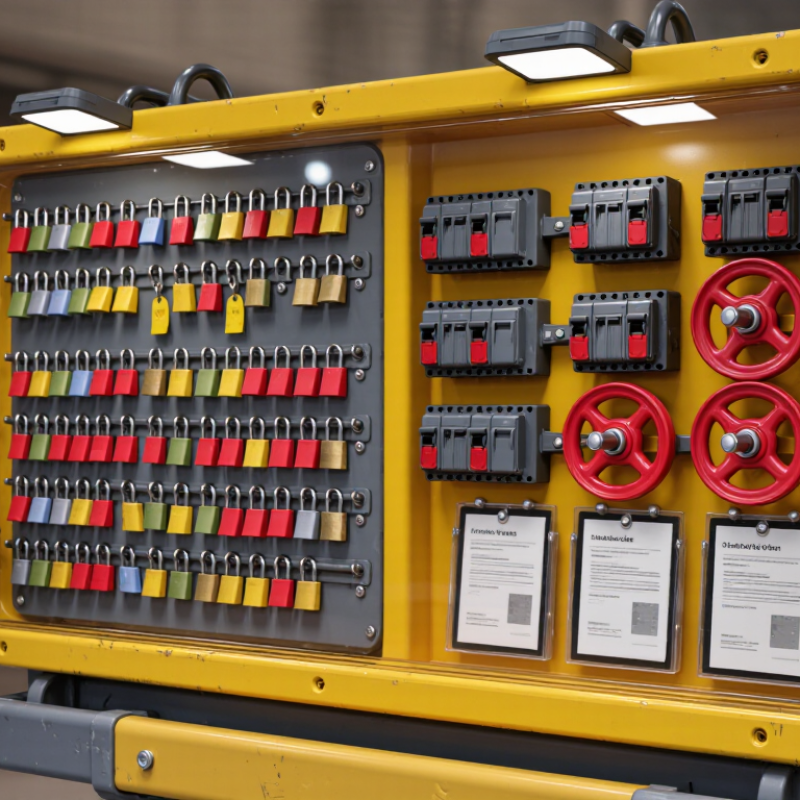
A lockout station is a dedicated place for controlling hazardous-energy equipment. It usually holds safety padlocks, tags, hasps, breaker locks, valve covers, and lock boxes. Each item supports a clear isolation step during maintenance, cleaning, or repair. A well-planned station keeps these tools visible, organized, and ready near the work area.
From practical safety inspections, missing equipment often causes avoidable delays. A technician may find the correct lock but lack a tag or suitable hasp. That gap can encourage unsafe shortcuts. The station creates one controlled point for checking supplies before work begins.
It also helps supervisors verify responsibilities, review usage, and support consistent employee training. Clear labels and simple instructions matter, especially in multilingual workplaces.
The station is not a magic shield. It cannot replace equipment-specific procedures, worker training, or verification of zero energy. Poor placement can make it useless. Dust, moisture, heat, and heavy traffic may damage supplies or reduce visibility. Global buyers should examine material quality, mounting options, replacement availability, and compatibility with local workplace requirements. They should also test whether workers can identify each item quickly while wearing gloves. This small trial may reveal a bigger problem: the station looks complete, but the contents do not match the machines nearby.
How to Choose the Right Lockout Station for Global Use
10 Lockout Station Tips Every Global Buyer Should Know?
How to Choose the Right Lockout Station for Global Use
A lockout station should match the hazards, equipment, and working habits of each site. Start by listing the energy sources: electrical, hydraulic, pneumatic, thermal, and mechanical. Then check whether the station holds enough locks, tags, hasps, circuit-breaker devices, valve covers, and cable accessories. A small cabinet may look efficient, but empty hooks create delays during maintenance. Choose durable, chemical-resistant materials when stations will face oil, dust, moisture, or outdoor conditions. Clear visibility matters too. Workers should find essential devices within seconds.
Global use requires careful attention to language, symbols, and local workplace expectations. Use multilingual labels where teams speak different languages. Add simple pictograms, but never assume a symbol means the same thing everywhere. Confirm that lock sizes fit local equipment and that tags remain readable under heat, abrasion, and cleaning routines. Review the station against site procedures and applicable safety requirements before ordering. A knowledgeable supplier should provide material details, dimensions, test information, and replacement options. Ask for samples when possible.
Think about installation and replenishment. Wall-mounted stations need a stable location near authorized maintenance areas, not beside an office door. Record missing items during inspections. Set a basic restocking schedule. I once underestimated how quickly small tags disappeared on a busy site. That mistake affected readiness. A better plan includes spare components, inventory ownership, and periodic worker feedback. Even a well-designed station can fail when employees cannot reach it, understand it, or trust its contents.
Which Lockout Devices and Tags Should a Station Include?
A reliable lockout station starts with the equipment workers actually isolate, not a generic catalog list. Include keyed safety padlocks, durable hasps, and spare keys controlled by an appointed administrator. Add circuit-breaker lockouts in several sizes, because panel hardware varies between machines. Plug lockouts should fit common industrial plugs and prevent accidental reconnection. Keep it visible. Color coding can separate personal locks from group isolation devices, if the site uses a documented scheme.
For fluid and gas systems, stock adjustable valve covers, ball-valve lockouts, gate-valve devices, and cable lockouts for unusual shapes. Pneumatic energy needs a lockable air-disconnect device. Include gauges or bleed-down equipment where residual pressure may remain. The station should also hold group lock boxes for maintenance involving several workers. Tags need a clear warning, worker name, department, date, and contact details. Use weather-resistant tags near washdown areas. Do not improvise.
Placement matters as much as selection. Install the station near the maintenance entrance, but outside the hazard zone. Add a simple inventory board. Inspect missing, cracked, or contaminated devices during each shift or scheduled safety check. Replace them promptly. Include a reference sheet showing isolation points and verification steps. Keep it current. Requirements differ across countries and industries, so buyers should verify local rules and consult qualified safety personnel. No station is perfect. Review it after near misses, equipment changes, and worker feedback. An overlooked adapter or oversized tag may reveal a weak purchasing decision.
How to Organize, Inspect, and Maintain a Lockout Station
10 Lockout Station Tips Every Global Buyer Should Know
How to Organize, Inspect, and Maintain a Lockout Station
A lockout station should be easy to find, understand, and use under pressure. Mount it near controlled equipment, but keep it outside hazardous zones. Use clear labels and simple symbols for workers with different language backgrounds. Separate padlocks, tags, hasps, circuit-breaker devices, valve covers, and replacement supplies. Shadow outlines can reveal missing tools quickly.
Keep an inventory sheet beside the station. Record item types, quantities, inspection dates, and responsible personnel. A neat board is not always a complete board. Small tags often disappear first. Check the station before each shift in high-use areas, or at least monthly in quieter locations. Look for cracked plastic, faded labels, rusty parts, broken seals, and unreadable instructions. Remove damaged equipment immediately.
Maintenance should include cleaning dust, oil, and moisture from the storage area. In humid or cold regions, select materials suited to local conditions and store paper records safely. Review the station after equipment changes, near misses, or worker feedback. Procedures may look correct on paper yet confuse someone wearing gloves. A short practical drill can expose this weakness. Staff should know who controls access and how missing items are reported. Do not rely only on visual order; verify function, quantity, and suitability for the actual energy sources. Recognizing these gaps is part of building a more dependable safety system.
How to Meet International Safety and Compliance Requirements
10 Lockout Station Tips Every Global Buyer Should Know
How to Meet International Safety and Compliance Requirements
A lockout station should match the hazards found in each work area. Confirm the energy sources before selecting devices, including electrical, hydraulic, pneumatic, thermal, and mechanical systems. Choose durable equipment that withstands dust, oil, moisture, and temperature changes. The station must remain visible, accessible, and clearly marked. Do not place it behind stored materials.
That mistake is surprisingly common.
Use labels that workers can understand. Multilingual instructions, consistent symbols, and color coding reduce hesitation during an emergency. Check that locks, tags, hasps, and blocking devices fit the machinery used at the site. Keep a live inventory, because missing equipment can quietly weaken an otherwise strong procedure. Review local workplace safety rules, import requirements, and documentation expectations before ordering. International standards can guide the process, but local enforcement may differ.
Ask for material specifications, test records, and traceable quality documents. Verify whether the supplier supports replacement parts and controlled replenishment. Train authorized and affected workers with practical demonstrations, not paperwork alone.
During an audit, records should show inspections, training dates, and corrective actions. No checklist is perfect. In field reviews, teams sometimes focus on the station and overlook isolation points several meters away. Walk the actual route, test accessibility, and involve workers who use the equipment daily.
Their criticism may expose the final risk.