

2026 Best Aluminum Casement Window Types for Buyers

Choosing the 2026 best Aluminum Casement Window requires more than comparing frame colors and showroom prices. A dependable choice must balance thermal performance, ventilation, weather resistance, security, and long-term maintenance. The U.S. Department of Energy reports that windows can account for 25–30% of residential heating and cooling energy use. That figure makes glazing and installation details highly important, especially in homes with strong sunlight or seasonal temperature changes.

Performance needs evidence. The National Fenestration Rating Council (NFRC) label reports U-factor, solar heat gain coefficient, visible transmittance, and air leakage. These values help buyers compare products under consistent conditions. ENERGY STAR guidance also emphasizes climate-specific efficiency, rather than one universal window specification. In coastal or storm-prone areas, buyers should review tested design pressure, water penetration, and impact requirements. FGIA/AAMA standards provide useful benchmarks for these evaluations.

Real homes reveal the differences. A well-installed casement window can direct fresh air through a narrow opening while compressing its seal tightly when closed. That practical advantage may support comfort and reduce unwanted drafts. However, aluminum conducts heat more readily than many insulated materials. Thermal breaks, low-emissivity glass, spacer quality, and frame design therefore deserve close attention.

No profile wins everywhere. A premium window can still perform poorly after careless installation. Buyers should request certified ratings, warranty terms, replacement-part availability, and installation references. This guide examines the best 2026 Aluminum Casement Window types through those measurable criteria. Some recommendations remain debatable. That is intentional, because climate, budget, architecture, and installer skill can change the final answer.
2026 Best Aluminum Casement Window Types for Buyers

Aluminum Casement Window Basics and Key Features

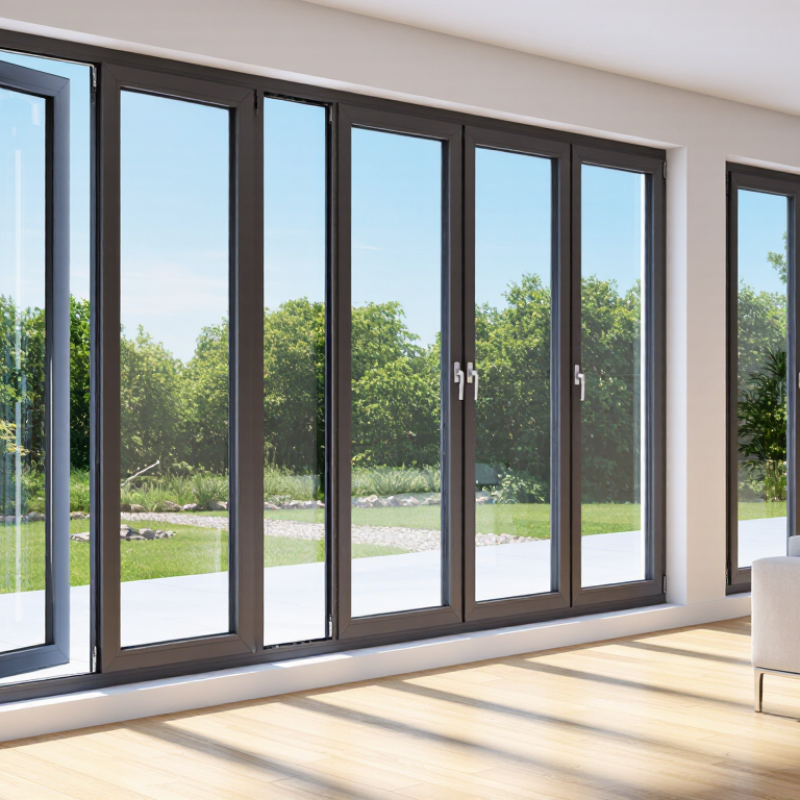
Aluminum casement windows are side-hinged units that open outward with a crank or handle. Their sash usually creates a wide opening for ventilation and clear outdoor views. Aluminum frames provide strength with relatively slim sightlines. That matters in rooms where daylight is important.

A quality frame should include a thermal break, which reduces heat transfer through the metal. Double or triple glazing can improve insulation, depending on climate and building design. Low-emissivity glass may limit heat gain, but the correct coating depends on window direction.

Compression seals help block drafts, while integrated drainage channels guide rainwater away. Check the drainage paths carefully. Poor installation can weaken excellent window features.

Look for corrosion-resistant finishes, especially in humid or coastal areas. Powder-coated or anodized surfaces still need gentle cleaning and periodic inspection. The hinges, locking points, and crank mechanism should feel smooth, without excessive resistance. A tight multi-point lock can improve security and air sealing.

However, more hardware does not always mean better performance. Ask for tested air leakage, water resistance, and thermal data rather than relying on appearance.

Installation quality remains a common weak point. Even a well-designed casement window may leak if the opening is poorly prepared or the frame is not square.

My practical caution is simple: compare the full system, including glass, seals, hardware, drainage, and installation—not the aluminum frame alone.

Main Types of Aluminum Casement Windows in 2026

Aluminum casement windows in 2026 are available in several practical configurations. Side-hung casement windows remain popular for bedrooms, studies, and living rooms. Their hinges sit on one vertical edge, allowing the sash to open outward like a door. They provide strong ventilation and direct airflow toward the room. Narrow frames also increase the visible glass area.

Top-hung awning windows use hinges along the upper edge. The sash opens outward from the bottom, helping keep light rain outside during ventilation. They suit kitchens, bathrooms, and rooms needing privacy. French casement windows use two side-hinged sashes without a central post. This creates a wider opening and improves access, although the larger opening may require stronger hardware and careful alignment. Some projects combine fixed glass with one operable sash. This design adds daylight while controlling cost and airflow.

A reliable choice depends on more than appearance. Look for thermally broken aluminum frames, properly sealed corners, and corrosion-resistant hardware, especially near coastal areas. On site, installers should check wall alignment before ordering. Even a small error can cause rubbing, air leakage, or difficult locking. Glass thickness, opening direction, and emergency access also deserve attention. There is no universal best type. A large French opening may feel impressive, but it can be less practical in a narrow room. That detail is easy to overlook.

Frame Designs, Glass Options, and Opening Configurations

For 2026 buyers, aluminum casement windows should balance frame strength with thermal control.

Choose thermally broken frames with polyamide barriers, especially in homes facing strong sunlight or winter winds. Slim profiles provide more glass and daylight, while deeper frames improve stiffness for larger openings.

The U.S. Department of Energy estimates that windows can account for about 25% of household heating and cooling energy use. Frame design deserves serious attention.

Glass selection changes comfort quickly. Low-emissivity double glazing suits moderate climates, while triple glazing can reduce interior temperature swings in colder regions.

Use laminated glass near streets or bedrooms, where noise and impact resistance matter. NFRC ratings report U-factor, solar heat gain coefficient, visible transmittance, and air leakage. Read every value.

A low U-factor is not automatically ideal; excessive solar gain can overheat a south-facing room. ENERGY STAR Version 7.0 criteria also vary by climate zone, so one specification cannot fit every project.

Opening configuration affects daily use.

A single casement gives a clean sightline and strong ventilation path. French casements widen the opening but require more wall clearance. Awning configurations work well above counters because they ventilate during light rain.

Consider a limiter in children’s rooms and a multipoint lock for tall sashes. Field installation remains a weak point. Even excellent glass performs poorly when the sill is uneven or the perimeter seal is incomplete.

I would verify drainage, hardware alignment, and air leakage before accepting the installation.

Energy Efficiency, Security, Durability, and Maintenance

2026 Best Aluminum Casement Window Types for Buyers

Energy Efficiency, Security, Durability, and Maintenance

Modern aluminum casement windows suit rooms that need wide ventilation and clear outdoor views. Thermal-break frames reduce heat transfer through the metal. Pair them with double or triple glazing for better indoor comfort. Low-emissivity glass can limit winter heat loss and summer solar gain. However, glass performance depends on the frame, seals, installation, and local climate. A high-performance window can still disappoint when fitted poorly.

Security deserves equal attention. Choose reinforced hinges, strong locking points, and durable handles with smooth operation. Casement windows usually close firmly against their seals, making gaps easier to control. I once preferred the thinnest frame available, but that assumption was too simple. Frame strength, hardware quality, and correct anchoring matter more than appearance alone. Powder-coated finishes resist weathering, though scratches and neglected drainage channels still need attention.

Tips: Ask for tested thermal and air-leakage data, not vague efficiency claims. Check the drainage openings after heavy rain. Clean the tracks, hinges, and seals twice a year with mild soap and water. Avoid abrasive tools. No window stays maintenance-free. In coastal areas, inspect fasteners and finishes more often because salt can accelerate corrosion. Leave room for honest comparison, since the cheapest option may create higher heating, cooling, or repair costs later.

How to Choose the Best Aluminum Casement Window for Your Needs

2026 Best Aluminum Casement Window Types for Buyers

Choosing the best aluminum casement window starts with your room, not its appearance. A thermally broken frame suits heated homes and changing climates. It reduces heat transfer through the metal and improves indoor comfort. Standard aluminum frames may cost less, but they can feel cold near the edges. Check the window’s U-value, air leakage rating, and water resistance rating before comparing prices. These figures offer more useful evidence than showroom language.

Glass selection matters just as much. Low-emissivity double glazing works well in many homes, while triple glazing may help in colder regions. Consider the window’s direction, too. South- or west-facing glass can create strong afternoon heat. Casement windows open outward, so measure nearby walls, walkways, curtains, and screens carefully. Quality hinges and multi-point locks should operate smoothly without scraping or excessive force. No window choice is perfect.

Tips: Ask for a written performance report and installation details. Confirm the frame includes a reliable thermal break. Request samples in daylight, because finishes often look different indoors. Choose corrosion-resistant hardware for coastal or humid areas. A qualified installer should check the opening, flashing, drainage, and sealant. Even an excellent window can fail through poor installation. I would also allow a small budget margin; renovation measurements are sometimes less accurate than expected. Check local building requirements before ordering.

Powder Coat Booths

For those larger-sized parts, or smaller quantity runs, we have 2 independent powder coat booths and ovens. The quality, durability and affordability of today’s powder coating finishes make this the process of choice for world-class companies.

Powder coating advantages over other forms of coating are many. Materials used in the Powder coating process can be metals and non-metals that come in a multitude of thicknesses, textures, colors, etc. Another of Powder coating’s biggest advantages over conventional coatings is its ability to create finishes in many different textures. Powder Coating Booths allow us the ability to apply these advantages to large products.

Wet Paint Line

Tri-State Fabricators runs a full-service conveyor line for painting. Wet painting can provide protection or decoration to many different part styles. From start to finish, every project is easier to undergo random and point-based inspection by our skilled painting team.

Advantages to our Wet Paint Line are these lines start with product prep and ends with a thorough inspection of a high quality finished product. Our ability to complete large and small projects with a superior finish and doing so in a timely and economical fashion. This passes along the savings in production to our customers. When powder coating ins not an option, our Wet Paint Line gets the job done right the first time.

Wet Paint Booths

When the parts get big and heavy we roll-out our custom paint racks and oversize booth. By utilizing our partnerships with all the major paint brands, we can match virtually any color with wet paint.

The advantages of having access to a Wet Paint Booth are many. Large projects of many different shapes can be loaded into the booth. The Wet Paint Booth offers an environment that is much more controlled than a typical parts painting operation.

Not only are they used because of their controlled environment, but they’re are also advantageous when it comes to applying paint to parts that are needed in industries that require specialty coatings such as medical, aerospace, etc.

Military CARC

Our military forces have some very high standards when it comes to the finish of their vehicles and equipment. From the first pre-treatment step to final coat, it takes a great deal of knowledge and experience to protect the men and women of our armed forces. They deserve only the best, and Tri-State Fabricators provides it.

All of our processes are closely monitored by our staff and management teams. Both of which are highly trained in the processes of metal fabrication and finishing. Tri-State Fabricators’ goal is to always fully satisfy each and every customer, including the military. We will always put a 110% into what we do.

Glass-Bead Blasting

Abrasive media blasting is an excellent way to remove old paint, rust, and increase the paint/powder adhesion. Glass beads produce a much smoother and brighter finish than angular abrasives; leaving the part clean yet without any dimensional change. Chemically inert and environmentally friendly, we can recycle our beads approximately 30 times; making them a more preferred method of metal cleaning or surface finishing.

Advantages to Glass Bead Blasting are many. Glass bead blast media is used when a project is needing rough surfaces need to become smooth for applications of coatings such as paint. It is typically used to clean paint and rust from a product surface without deforming the surface it is being used on. Overall, compared to many other blasting media, Glass Bead Blasting is a very economical choice and those savings are always passed on to our customers.

Part Washing

Tri-State Fabricators utilize a zinc phosphate wash to clean and etch the material to ensure the best paint adhesion possible. The unique design of our 3-stage wash system does the work like a 5-stage. From Cleaning and rinsing to conversion coating and post-treatment, Our Part Washing process is a complete service and works throughout the fabrication service and the finishing service.

Along with the previously mentioned benefits, Curing is a vital chemical reaction that leaves the product finish hard and relatively safe from mild abrasion and aggressive corrosion. This process can be done in more than one way; ambient air-dry or in curing ovens at temps that exceed 240°.

Burn-Off Oven

From fixing paint mistakes (someone else’s of course) to simply cleaning our paint line hooks, our burn-off oven is put to good use. After a quick burn-off, a little clean up, and a fresh coat of paint, your parts will look better than new.

Why does our Burn-Off Oven work so well? Because super heating the air around parts turns the materials into ashes. From paint and powder coatings to rubber and machining oils, high temps do the job without degrading the integrity of the part.

Masking

Masking is a vital part of producing high quality products. We have die-cut masking patterns to protect machined surfaces as well as a wide range of plugs and caps to protect threaded holes and bolts. We provide permanent and temporary masking.

Masking allows the selected sections of a product to be protected from a fabrication or finishing service. This can be with both chemicals when etching and tapes, paints when only finishing just a section of the product. Masking is great in aiding the customization process of a project.

Screen Printing

Screen printing is a photographic process that transfers artwork onto a porous nylon screen which allows colored ink to flow through the screen and be deposited on an aluminum or plastic component. We can generally have just about any design created onto a screen for your parts.

Some of the advantages of Screen Printing are, brand recognition for your business displaying on your products, assembly instructions, product warnings/hazards, etc. Tri-State Fabricators produces Screen Printing of the highest quality so you know it’s durable.

Metal Finishing

Metal Finishing is the art of treating the exterior portion of product, often metal but can also be made of other materials, so that the surface is clean and free of any debris. Then the process of applying coats or either paint of powder coat takes place. This coating process improves the quality of the product in both appearance and resistance to wear and corrosion.

Tri-State Fabricators, Inc., understands that a project typically isn’t complete until a high-quality finish has been added to your product. This is why our painting and powder coating teams continuously inspect the products throughout the Metal Finishing process.