


Choosing the right Automatic Stacker starts with the work it must do each day. A compact warehouse may need a walk-behind unit that turns easily between close-set racks. A busy loading area may call for a rider model, a higher lift, or faster battery charging. These differences matter more than a headline capacity alone.
As material-handling expert John R. Baker puts it, “Match the machine to the aisle, load, and shift—not just the specification sheet.” Buyers should compare load weight, lift height, aisle width, duty cycle, operator visibility, and service access. A stacker that handles pallets smoothly in a showroom may feel awkward on a sloped dock or over uneven floors. Small details count. Fork dimensions and turning radius can change daily workflow.
This guide reviews common Automatic Stacker types for global buyers, from manual and semi-electric models to fully powered options. It also explains where each type fits, which specifications deserve close attention, and what questions to ask suppliers. Product names and ratings are not always consistent across markets; verify every critical figure in the manufacturer’s documentation. One limitation remains: no type suits every site. Walk the route, measure the tightest turn, and check the actual load before choosing.
2026 Best Automatic Stacker Types for Global Buyers
An automatic stacker is material-handling equipment that lifts, carries, or places loads with limited manual control. Its exact form varies: some handle pallets along fixed routes, while others serve conveyors or production cells. That sounds simple. In practice, sensors detect load position, height, and nearby obstacles; a controller coordinates travel, lifting, and stopping. Depending on the design, navigation may use floor markers, wires, or mapped routes. Operators still need to check load dimensions, floor condition, and rated capacity before use. A slightly tilted pallet can change the whole movement.
The International Federation of Robotics’ World Robotics 2024 report recorded 541,302 industrial robot installations worldwide in 2023, with about 4.28 million units in operation. These figures cover industrial robots broadly, not automatic stackers specifically; they show the wider automation context, not stacker demand. For buyers, a key distinction is whether the stacker follows a defined lane or adapts to changing traffic. Ask suppliers for payload and lift-height limits, aisle clearance, battery runtime, and recovery steps after a sensor fault. No system is fully hands-off. Real sites are messier than layouts on paper; spilled wrap, uneven floors, and mixed pallet sizes can expose weak assumptions.
| 2026 Best Automatic Stacker Types for Global Buyers — What an Automatic Stacker Is and How It Works | |||||
|---|---|---|---|---|---|
| Automatic Stacker Type | What It Stacks | How It Works | Typical Applications | Main Advantages | Buyer Checks |
| Automatic sheet stacker | Flat sheets of paper, board, or other cut materials | Receives sheets from an upstream machine, aligns their edges with guides or joggers, and builds a pile on a platform. The platform may lower as the pile grows. | Printing, paper converting, packaging, and sheet-processing lines | Organizes sheets into piles for downstream handling and can reduce repetitive manual collection. | Sheet dimensions, material weight and surface, pile height, alignment needs, and transfer method |
| Corrugated board stacker | Corrugated board sheets or cut blanks | Collects boards from a production line, squares or registers them, and forms a pile on a conveyor or lifting platform for removal or further processing. | Corrugated packaging and box manufacturing | Supports orderly pile formation between converting processes and can be integrated with conveyors. | Board size, flute and board condition, line speed, pile stability, and discharge height |
| Bundle stacker | Strapped or unstrapped bundles of printed products, cartons, or similar goods | Transfers incoming bundles to a stacking area, positions them in a chosen arrangement, and builds a stable load, sometimes using a lift table or automated transfer device. | Print finishing, folding-carton production, and packaging operations | Handles grouped products as units and can help prepare loads for storage or transport. | Bundle dimensions, weight, wrapping or strapping, required pattern, and load stability |
| Case or carton layer stacker | Cases, cartons, trays, or other packaged units arranged in layers | Conveys packages into a layer-forming area, arranges them into a programmed pattern, then transfers the layer onto a pallet or an existing stack. | Food, beverage, consumer goods, and general packaging lines | Creates repeatable layer patterns and can connect packaging conveyors with pallet handling. | Package size range, package strength, pattern flexibility, pallet format, and changeover requirements |
| Robotic palletizing stacker | Cases, bags, boxes, or other unit loads placed onto pallets | A robot picks items with a suitable end-of-arm tool and places them in a programmed pallet pattern. Infeed conveyors, pallet dispensers, and safety equipment may form part of the cell. | Manufacturing, distribution, and end-of-line packaging | Can accommodate different products and pallet patterns when correctly configured. | Payload, reach, product grip, cycle requirements, guarding, pallet pattern, and integration scope |
| Automatic empty-pallet stacker or dispenser | Empty pallets, rather than products | Stores a vertical stack of empty pallets and releases or presents one pallet at a time to a conveyor or palletizing station. Some configurations also collect empty pallets. | Palletizing cells, warehouses, and production lines | Automates pallet supply and can reduce manual pallet handling at a line. | Pallet dimensions and condition, stack capacity, loading method, conveyor interface, and safety provisions |
| What an automatic stacker is: An automatic stacker is a machine or integrated system that receives items, aligns or arranges them, and forms a pile, bundle, layer, or pallet load with limited manual handling. The exact meaning varies by industry: some stackers handle products, while pallet stackers may handle empty pallets. | |||||
| How it works: In a typical cycle, an upstream conveyor or machine delivers the material; sensors and controls detect its position or count; guides, joggers, grippers, pushers, or a robot align and place it; and a platform, conveyor, or pallet position supports the growing stack. The completed stack is then discharged or moved to the next process. The specific sequence depends on the material and machine design. | |||||
| Selection note for global buyers: Confirm the material range, required stack pattern and dimensions, upstream and downstream interfaces, electrical supply and control requirements, guarding and applicable local safety requirements, installation conditions, and availability of operating documentation and service support. Actual capacity and performance depend on the selected configuration and product conditions. | |||||
Automatic stackers generally fall into three groups: pallet stackers, stacker cranes, and mobile robotic stackers. Pallet stackers build uniform layers at the end of a conveyor line. They suit steady, repeatable production, but changing product sizes may require adjustments. Stacker cranes move loads vertically and horizontally inside high-bay racking. They make better use of floor space, though installation depends on rack design and aisle dimensions. Mobile robotic stackers travel between work areas and offer more flexible routes. Their speed and stacking height depend on the model and floor conditions.
These systems are not interchangeable. A useful comparison starts with load weight, pallet dimensions, required lift height, and hourly throughput. The International Federation of Robotics reported 541,302 industrial robot installations worldwide in 2023, in its World Robotics 2024 report. That figure shows broad industrial automation activity, not stacker sales specifically. Still, it underlines why buyers should check integration needs, safety zones, and maintenance support before choosing equipment. Layout drawings can miss real-world obstacles. Measure the corners, too.
Tips: Test with your actual pallets and heaviest loads. Ask suppliers to demonstrate recovery after a blocked route or sensor stop. Small details matter: uneven floors, wrap tails, and inconsistent pallet quality can disrupt otherwise well-planned automation.
Automatic stackers connect production output with the next handling step. At a packaging line, a pallet stacker can collect finished cartons and build stable loads for transfer. In sheet or board production, a stacker receives cut material and forms piles for downstream processing. The right choice depends on product dimensions, weight, cycle rate, and how loads leave the machine.
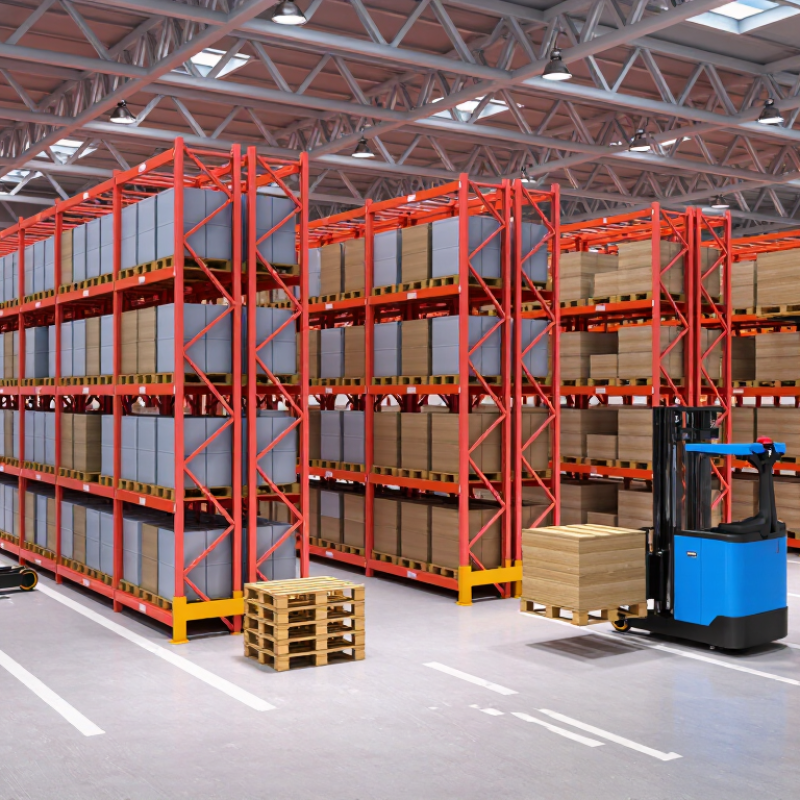
Space matters. A stacker must fit the actual conveyor height, pallet position, and forklift or vehicle route, not just a floor plan. In a warehouse, an integrated stacker crane can move loads between storage locations and reduce repeated manual transfers. Sensors and controls also need to communicate with conveyors and the warehouse system. Otherwise, a fast machine may simply move a bottleneck elsewhere.
Before selecting equipment, teams should observe several shifts and record variations in load size, changeovers, and waiting time. This often reveals details a specification sheet misses, such as uneven cartons or pallets arriving slightly off-center. Automatic handling can improve consistency, but it still needs clear access for inspection and maintenance. It may not suit every line, especially where products change frequently or volumes remain low. The fit is rarely perfect at first; trial runs help expose the awkward parts.
For global operations, compare stacker types against the work they will actually perform. Walkie stackers suit short routes and lower lift demands; rider models can help cover longer shifts. Straddle designs handle varied pallet widths, while reach-capable units work better where storage is higher or aisles are tight. Measure your narrowest aisle, typical load dimensions, lift height, and peak moves per hour. A rating on paper is not the whole story.
Check power and charging needs across shifts, floor conditions, and local service support. Battery performance can change in cold stores, and uneven floors may affect stability and travel speed. Confirm that operators can use the controls comfortably and that maintenance teams can access common wear parts. Ask for a site trial with representative loads. A clean demo may not reflect a busy warehouse. That matters.
Tips: Record cycle times during a normal shift, not just during a supplier visit. Compare turning space, visibility, noise, and charging downtime. Keep a little capacity headroom for seasonal peaks, but avoid paying for lift height or speed your operation rarely needs. The best fit can be less obvious than expected. Recheck assumptions after the first month.
Automatic stackers range from compact pallet units to robotic systems serving tall rack zones. Installation should begin with the real load, not the brochure rating. Confirm pallet dimensions, peak weight, aisle width, floor capacity, and overhead clearance before fixing the layout. Mark turning and transfer points, then test them with the largest expected load. Small details matter. Uneven concrete or a charging station in the wrong place can cause daily delays. Qualified technicians should verify power, controls, and connections to conveyors or warehouse software. For global buyers, check that the site’s power supply and operating environment match the equipment specifications.
Safety checks must reflect how people actually move through the warehouse. Separate pedestrian routes from machine travel paths, and test guarding, presence sensors, warning signals, emergency stops, and restart behavior during commissioning. A button that works only in a scripted test is not enough. Train operators to check load stability, report faults, and follow approved recovery procedures. Maintenance plans should match duty cycles, dust levels, and shift patterns. Inspect wheels, forks, chains, sensors, and battery connections at practical intervals; record wear and recurring faults. Then verify again. Even a careful checklist can miss a loose connector or a changing traffic pattern, so review it after the first weeks of operation.
Typical rated-load capacity ranges for common powered stacker types. Specifications vary by model and configuration; confirm the load chart and operating conditions with the supplier.
Buyer checklist: Before installation, verify floor capacity, aisle and turning clearance, and charging requirements. Train operators on the specific equipment, load limits, and emergency controls; complete pre-use checks and follow the manufacturer’s maintenance schedule. Capacity bands shown are general planning ranges, not a substitute for model-specific specifications.


For those larger-sized parts, or smaller quantity runs, we have 2 independent powder coat booths and ovens. The quality, durability and affordability of today’s powder coating finishes make this the process of choice for world-class companies.
Powder coating advantages over other forms of coating are many. Materials used in the Powder coating process can be metals and non-metals that come in a multitude of thicknesses, textures, colors, etc. Another of Powder coating’s biggest advantages over conventional coatings is its ability to create finishes in many different textures. Powder Coating Booths allow us the ability to apply these advantages to large products.
Tri-State Fabricators runs a full-service conveyor line for painting. Wet painting can provide protection or decoration to many different part styles. From start to finish, every project is easier to undergo random and point-based inspection by our skilled painting team.
Advantages to our Wet Paint Line are these lines start with product prep and ends with a thorough inspection of a high quality finished product. Our ability to complete large and small projects with a superior finish and doing so in a timely and economical fashion. This passes along the savings in production to our customers. When powder coating ins not an option, our Wet Paint Line gets the job done right the first time.
When the parts get big and heavy we roll-out our custom paint racks and oversize booth. By utilizing our partnerships with all the major paint brands, we can match virtually any color with wet paint.
The advantages of having access to a Wet Paint Booth are many. Large projects of many different shapes can be loaded into the booth. The Wet Paint Booth offers an environment that is much more controlled than a typical parts painting operation.
Not only are they used because of their controlled environment, but they’re are also advantageous when it comes to applying paint to parts that are needed in industries that require specialty coatings such as medical, aerospace, etc.
Our military forces have some very high standards when it comes to the finish of their vehicles and equipment. From the first pre-treatment step to final coat, it takes a great deal of knowledge and experience to protect the men and women of our armed forces. They deserve only the best, and Tri-State Fabricators provides it.
All of our processes are closely monitored by our staff and management teams. Both of which are highly trained in the processes of metal fabrication and finishing. Tri-State Fabricators’ goal is to always fully satisfy each and every customer, including the military. We will always put a 110% into what we do.
Abrasive media blasting is an excellent way to remove old paint, rust, and increase the paint/powder adhesion. Glass beads produce a much smoother and brighter finish than angular abrasives; leaving the part clean yet without any dimensional change. Chemically inert and environmentally friendly, we can recycle our beads approximately 30 times; making them a more preferred method of metal cleaning or surface finishing.
Advantages to Glass Bead Blasting are many. Glass bead blast media is used when a project is needing rough surfaces need to become smooth for applications of coatings such as paint. It is typically used to clean paint and rust from a product surface without deforming the surface it is being used on. Overall, compared to many other blasting media, Glass Bead Blasting is a very economical choice and those savings are always passed on to our customers.
Tri-State Fabricators utilize a zinc phosphate wash to clean and etch the material to ensure the best paint adhesion possible. The unique design of our 3-stage wash system does the work like a 5-stage. From Cleaning and rinsing to conversion coating and post-treatment, Our Part Washing process is a complete service and works throughout the fabrication service and the finishing service.
Along with the previously mentioned benefits, Curing is a vital chemical reaction that leaves the product finish hard and relatively safe from mild abrasion and aggressive corrosion. This process can be done in more than one way; ambient air-dry or in curing ovens at temps that exceed 240°.
From fixing paint mistakes (someone else’s of course) to simply cleaning our paint line hooks, our burn-off oven is put to good use. After a quick burn-off, a little clean up, and a fresh coat of paint, your parts will look better than new.
Why does our Burn-Off Oven work so well? Because super heating the air around parts turns the materials into ashes. From paint and powder coatings to rubber and machining oils, high temps do the job without degrading the integrity of the part.
Masking is a vital part of producing high quality products. We have die-cut masking patterns to protect machined surfaces as well as a wide range of plugs and caps to protect threaded holes and bolts. We provide permanent and temporary masking.
Masking allows the selected sections of a product to be protected from a fabrication or finishing service. This can be with both chemicals when etching and tapes, paints when only finishing just a section of the product. Masking is great in aiding the customization process of a project.
Screen printing is a photographic process that transfers artwork onto a porous nylon screen which allows colored ink to flow through the screen and be deposited on an aluminum or plastic component. We can generally have just about any design created onto a screen for your parts.
Some of the advantages of Screen Printing are, brand recognition for your business displaying on your products, assembly instructions, product warnings/hazards, etc. Tri-State Fabricators produces Screen Printing of the highest quality so you know it’s durable.
Metal Finishing is the art of treating the exterior portion of product, often metal but can also be made of other materials, so that the surface is clean and free of any debris. Then the process of applying coats or either paint of powder coat takes place. This coating process improves the quality of the product in both appearance and resistance to wear and corrosion.
Tri-State Fabricators, Inc., understands that a project typically isn’t complete until a high-quality finish has been added to your product. This is why our painting and powder coating teams continuously inspect the products throughout the Metal Finishing process.

