


2026 Best Hair Color Tube Suppliers Worldwide?

The 2026 Hair Color Tube supplier landscape is becoming more technical, sustainable, and difficult to compare. Grand View Research valued the global hair color market at approximately USD 25 billion in 2023, with continued growth expected through 2030. Meanwhile, Smithers reports increasing pressure on cosmetic packaging manufacturers to improve recyclability, material efficiency, and production traceability.

These trends make supplier selection more complex than comparing unit prices. A reliable Hair Color Tube supplier should demonstrate stable aluminum or plastic quality, precise shoulder molding, compatible inner coatings, and controlled filling performance. Buyers should also examine leakage tests, printing durability, minimum order quantities, and evidence behind sustainability claims. A tube may look recyclable, yet its cap, coating, or mixed materials can complicate actual recovery.

Circular-design authority Ellen MacArthur has stated, “Waste and pollution are not accidents, but the consequences of the way we design things.” Her observation applies directly to hair-color packaging, especially when brands choose oversized tubes or difficult-to-separate components. However, no ranking is perfect. That remains a weakness. Supplier capacity, regional certifications, shipping distance, and formulation compatibility can change the final decision.

This guide evaluates leading worldwide suppliers through practical manufacturing indicators, public company information, and industry research. It considers production scale, customization, quality systems, and environmental transparency. Some data remains self-reported, so buyers should request current audits and samples before signing contracts. The strongest supplier is not always the largest. Consistency matters more.
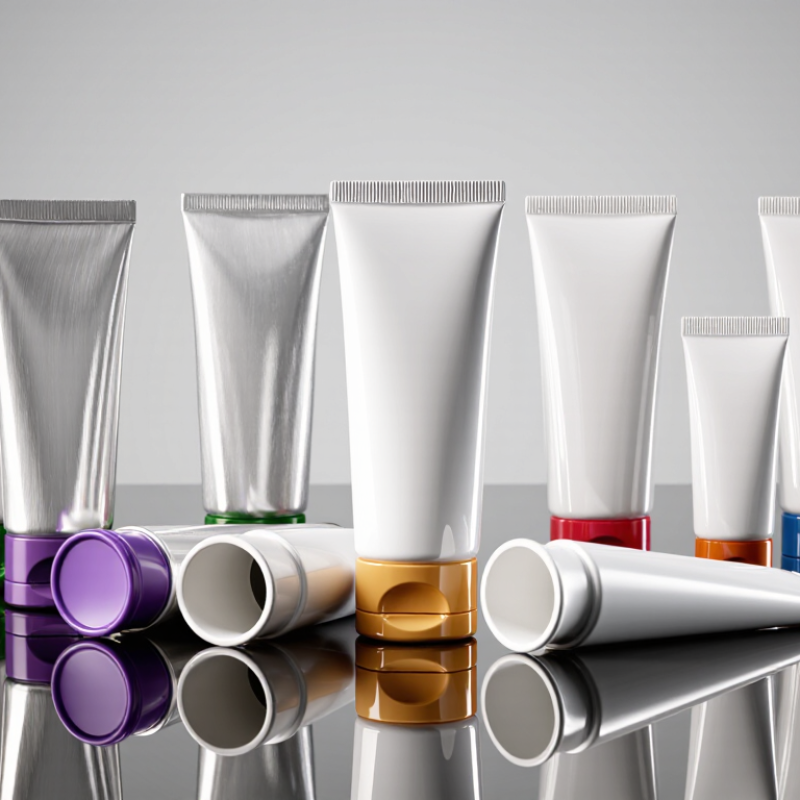
2026 Best Hair Color Tube Suppliers Worldwide?

Hair Color Tubes: Materials, Formats, and Core Uses

Hair Color Tubes: Materials, Formats, and Core Uses

Choosing a reliable hair color tube supplier starts with material knowledge. Aluminum tubes offer strong light protection and precise product dispensing. They suit oxidative color creams and professional salon formulations. Plastic tubes are lighter and resist denting during transport. High-density polyethylene can provide useful chemical resistance. Laminated tubes combine plastic layers with barrier materials. They balance decoration, flexibility, and product protection.

Small details matter. A narrow nozzle helps control application during root touch-ups. Wider openings support thicker masks and conditioning color products.

Flip-top caps improve speed in busy salons. Screw caps can provide a familiar retail experience. Tube sizes often range from compact trial packs to larger professional formats. Shoulder shape also affects filling efficiency and hand comfort.

Supplier evaluation should include seal strength, cap torque, print durability, and formula compatibility. Testing should happen with the actual color mixture, not only empty packaging. I have seen attractive tubes fail when the shoulder cracked during squeezing. That mistake is easy to overlook. Oxygen, heat, and light can affect sensitive formulations, so barrier performance deserves documented testing. Material claims should be verified through technical files and batch records. Requirements also vary across markets, especially for recycling labels and packaging disclosures. A visually impressive tube is not always the most dependable choice.


Key Criteria for Evaluating Global Tube Suppliers in 2026

In 2026, hair color tube sourcing requires more than a low quotation. Suppliers should prove material safety, barrier performance, and production consistency. Ask for migration tests, batch records, and evidence of ISO 22716-based cosmetic manufacturing controls. Tube layers must protect formulas from oxygen, light, and solvent interaction. A weak barrier can change color performance before the product reaches a salon.

Sustainability also needs measurable evidence. The OECD Global Plastics Outlook projects plastic waste could nearly triple by 2060 without stronger intervention. Therefore, evaluate recycled-content claims, tube recyclability, aluminum sourcing, and factory energy data. Request third-party verification rather than attractive declarations. Check minimum order quantities, lead times, filling-line compatibility, print durability, and closure torque. A supplier with stable regional production may reduce delays and transport emissions. Yet, “green” packaging can perform poorly if it leaks or requires excessive material. That trade-off deserves honest testing.

Tips: Send the same formula and artwork files to three suppliers. Compare barrier results, defect rates, sample accuracy, and delivery history. Inspect production records when possible. A perfect scorecard is unrealistic; even experienced buyers can overlook cap fit after long storage. Include heat-aging and drop tests before approving a 2026 contract. Use OECD data and UNEP’s 2023 packaging guidance to challenge vague environmental claims.

2026 Best Hair Color Tube Suppliers Worldwide?

Key criteria for evaluating global tube suppliers in 2026

This procurement benchmark prioritizes compliance, packaging performance, production flexibility, and supply reliability. The criteria weights total 100% and can be used to compare suppliers without relying on company or brand names.

Leading Hair Color Tube Supplier Categories by Region

Leading Hair Color Tube Supplier Categories by Region

Regional sourcing matters because hair color formulas need different tube barriers, closures, and decoration methods. Grand View Research valued the global hair color market at about USD 27 billion in 2023, with steady growth expected through 2030. This supports demand for reliable tube suppliers, not only low prices. European suppliers often specialize in recyclable mono-material tubes and aluminum barriers. They usually emphasize traceability, clean printing, and compliance documentation. North American suppliers commonly offer high-barrier laminate tubes for salon and retail formats. Small trial sizes are also gaining attention.

Asia-Pacific remains a major production center for plastic and laminated tubes. Suppliers there often provide flexible minimum order quantities, multiple nozzle designs, and rapid decoration development. Mordor Intelligence reports that Asia-Pacific is among the fastest-growing regional markets for cosmetic packaging. Latin American suppliers tend to focus on cost-efficient tubes, strong color impact, and packaging suited to warm, humid distribution conditions. Middle Eastern and African buyers may prefer durable tubes with clear batch coding and longer shelf-life protection. Supplier maps are never perfect. Local testing still matters.

Tips: Request migration, compatibility, and stability data before approval. Check whether recycled content affects sealing strength. Review sample tubes after heat exposure. A low unit price can be a false win. In my experience, cap fit and shoulder durability often reveal more than a polished sales presentation. Suppliers should also demonstrate quality systems aligned with ISO 22716 principles and provide clear production records.

2026 Best Hair Color Tube Suppliers Worldwide? – Leading Hair Color Tube Supplier Categories by Region
Region Leading Supplier Category Typical Tube Materials Common Hair-Color Applications Regional Manufacturing Strengths Key Compliance and Technical Checks Best-Fit Buyer Profile
East Asia High-volume laminated and plastic tube converters
Suppliers serving mass-market, professional, and private-label production.
ABL and PBL laminates; PE and multilayer plastic; aluminum shoulder and closure components. Permanent oxidative color, demi-permanent color, bleach cream, color masks, and developer-compatible products. High-volume converting, broad decoration options, automated filling-line compatibility, and integrated cap and shoulder sourcing. Confirm barrier performance, pigment and peroxide compatibility, seal integrity, migration testing, batch traceability, and applicable destination-market packaging rules. Large-volume brands, contract manufacturers, salon-color producers, and buyers requiring extensive decoration or packaging customization.
South Asia Cost-efficient flexible packaging and aluminum tube suppliers
Strong focus on value-oriented and regional personal-care production.
Aluminum; PE; laminate structures with aluminum or polymer barrier layers. Henna-based color, cream colorants, bleach products, touch-up color, and smaller retail packs. Competitive labor economics, flexible order planning, metal-tube capability, and suitability for price-sensitive product lines. Check internal lacquer suitability, corrosion resistance, crimp quality, odor transfer, closure fit, and compliance with the importing market’s cosmetic-packaging requirements. Regional brands, value segments, export-oriented private labels, and buyers seeking aluminum or economical tube formats.
Southeast Asia Flexible-format tube manufacturers for beauty and personal care
Often positioned for regional supply and export programs.
PE, co-extruded multilayer plastic, PBL, and recyclable-design structures where technically suitable. Color creams, direct dyes, scalp-care color products, hair masks, and travel-size formats. Regional logistics access, adaptable pack sizes, growing sustainability capability, and compatibility with ASEAN-focused product portfolios. Validate hot-fill or cold-fill requirements, barrier against oxygen and moisture, recyclability claims, local labeling obligations, and compatibility with dyes and botanical ingredients. Beauty companies selling across ASEAN markets, emerging brands, and buyers needing smaller or mid-sized production programs.
Europe Premium, regulated, and sustainability-focused tube suppliers
Typically oriented toward high specification and premium presentation.
Aluminum, PBL, mono-material PE or PP designs, and reduced-material structures subject to performance validation. Professional salon color, premium permanent color, sensitive-scalp formulas, and environmentally positioned product lines. Advanced decoration, design engineering, premium finishing, established quality systems, and strong development of recyclable packaging concepts. Assess EU cosmetic-packaging obligations, REACH-related material requirements, food-contact relevance where applicable, recycled-content documentation, recyclability evidence, and EN 13432 only when compostability is specifically claimed. Premium brands, European salon channels, sustainability-led portfolios, and buyers requiring extensive documentation and design support.
North America Contract-packaging and specification-driven tube suppliers
Commonly selected for domestic or near-market production programs.
PE and multilayer plastic; PBL; aluminum for selected professional and premium applications. Professional hair color, direct-color products, bleach, color-refresh masks, and specialty scalp formulations. Strong coordination with contract filling, efficient domestic distribution, short replenishment cycles, and customization for retail and salon channels. Review U.S. and Canadian cosmetic requirements, California packaging obligations where relevant, Proposition 65 exposure assessment where applicable, closure torque, leakage, and retailer packaging specifications. Salon brands, omnichannel beauty companies, contract fillers, and buyers prioritizing regional inventory and shorter lead times.
Latin America Regional-volume plastic and laminate tube suppliers
Focused on climate-resilient packaging and local-market distribution.
PE, co-extruded plastic, ABL, and PBL structures selected for humidity and transport conditions. Permanent color, dark-shade color ranges, developer systems, bleach, and value-focused multi-size packs. Knowledge of local retail formats, regional distribution networks, strong demand for color cosmetics, and packaging adapted to warm or humid conditions. Test heat aging, humidity exposure, transport vibration, colorant interaction, print durability, and country-specific cosmetic labeling and registration requirements. Domestic and regional brands, high-turnover retail products, and buyers requiring packaging optimized for warm-climate logistics.
Middle East and Africa Climate-adapted and export-oriented tube suppliers
Selected for durability in hot distribution environments and regional market coverage.
Aluminum, PE, ABL, and PBL with barrier properties selected according to formula and climate exposure. Permanent color, henna and botanical color products, beard color, bleach, and professional salon formats. Hot-climate packaging experience, regional export connectivity, flexible pack-size development, and suitability for products requiring strong barrier protection. Confirm heat stability, UV and moisture protection, seal performance, corrosion resistance, Arabic or local-language labeling where required, and destination-country import documentation. Regional distributors, salon suppliers, export brands, and manufacturers serving hot or high-humidity markets.
Oceania Specialty, private-label, and sustainability-oriented tube suppliers
Often selected for niche, premium, and environmentally focused product ranges.
Mono-material PE or PP where validated; laminate and aluminum for high-barrier formulas. Natural-positioned color, direct dyes, color conditioners, professional color, and premium small-batch products. Emphasis on product differentiation, private-label development, sustainability communication, and supply into Australia and New Zealand channels. Check Australian and New Zealand cosmetic labeling, recycling guidance, UV and heat exposure, compatibility with botanical ingredients, and substantiation of environmental claims. Niche brands, premium salons, private-label developers, and buyers testing new formulas or differentiated packaging concepts.
Selection note: Regional categories describe commonly available supplier capabilities rather than a ranking of individual companies. Final tube selection should be validated through formula compatibility testing, accelerated aging, leakage and seal testing, decoration rub testing, transport simulation, and confirmation of the destination market’s cosmetic and packaging requirements.

Manufacturing Standards, Customization, and Sustainability Options

2026 Best Hair Color Tube Suppliers Worldwide?

Reliable hair color tube suppliers should show measurable manufacturing standards, not broad promises. Look for ISO-based quality systems, controlled extrusion, and documented batch traceability. Each tube should pass leak, seal, torque, and compatibility testing. I would also request recent audit records and production samples. A clean sample does not always prove stable mass production.

Customization should cover tube diameter, shoulder shape, nozzle design, cap fit, and decoration accuracy. Suppliers with in-house engineering can adjust wall thickness for different formulas. They should test the tube against oxidation, oils, solvents, and repeated squeezing. Color matching needs a physical standard, not only a digital file. Small shade differences become obvious on crowded retail shelves.

Sustainability options deserve specific evidence. Ask about recycled plastic content, aluminum sourcing, mono-material structures, and local recycling guidance. Lightweighting can reduce transport emissions, but thinner walls may increase leakage risks. The balance needs testing. I have seen attractive eco claims fail during drop tests.

Tips: Request a pilot run before signing large orders. Compare filled tubes after heat aging and cold storage. Check whether decoration remains readable after rubbing. Also ask for defect rates, corrective-action records, and realistic lead times. A supplier that admits limitations may be more dependable than one promising everything.

How to Select the Right Supplier for Your Hair Color Brand

Choosing a hair color tube supplier in 2026 requires more than comparing unit prices. Start with samples matching your formula, filling speed, and target market. Check shoulder geometry, cap fit, seal strength, print clarity, and tube flexibility. A tube that looks excellent may still crack during transport. Request technical data for barrier layers, material thickness, and storage conditions. Review quality certificates, factory audits, and compliance documents for each destination market. Do not accept vague assurances.

Reliable suppliers explain their testing methods and production controls clearly. Ask how they manage color variation between batches. Request batch records, inspection reports, and references from comparable cosmetic projects. Production evidence matters. If possible, visit the facility or arrange an independent inspection before signing a large contract. Communication also reveals capability. Slow replies, unclear specifications, or unexplained price changes deserve careful attention. However, perfect service rarely exists. Build room for mistakes and corrective action.

Evaluate minimum order quantities, tooling fees, lead times, and backup capacity during seasonal demand. Ask whether recycled or recyclable materials have verifiable documentation, not just attractive claims. Your own filling line should be tested with production samples, including hot, cold, and vibration conditions. One overlooked cap issue can create messy cartons and customer complaints. I would also compare three suppliers using the same written checklist. Personal impressions can mislead, especially after a polished factory tour. Record every promise in the contract, including tolerances, replacement terms, and delivery responsibilities.

Powder Coat Booths

For those larger-sized parts, or smaller quantity runs, we have 2 independent powder coat booths and ovens. The quality, durability and affordability of today’s powder coating finishes make this the process of choice for world-class companies.

Powder coating advantages over other forms of coating are many. Materials used in the Powder coating process can be metals and non-metals that come in a multitude of thicknesses, textures, colors, etc. Another of Powder coating’s biggest advantages over conventional coatings is its ability to create finishes in many different textures. Powder Coating Booths allow us the ability to apply these advantages to large products.

Wet Paint Line

Tri-State Fabricators runs a full-service conveyor line for painting. Wet painting can provide protection or decoration to many different part styles. From start to finish, every project is easier to undergo random and point-based inspection by our skilled painting team.

Advantages to our Wet Paint Line are these lines start with product prep and ends with a thorough inspection of a high quality finished product. Our ability to complete large and small projects with a superior finish and doing so in a timely and economical fashion. This passes along the savings in production to our customers. When powder coating ins not an option, our Wet Paint Line gets the job done right the first time.

Wet Paint Booths

When the parts get big and heavy we roll-out our custom paint racks and oversize booth. By utilizing our partnerships with all the major paint brands, we can match virtually any color with wet paint.

The advantages of having access to a Wet Paint Booth are many. Large projects of many different shapes can be loaded into the booth. The Wet Paint Booth offers an environment that is much more controlled than a typical parts painting operation.

Not only are they used because of their controlled environment, but they’re are also advantageous when it comes to applying paint to parts that are needed in industries that require specialty coatings such as medical, aerospace, etc.

Military CARC

Our military forces have some very high standards when it comes to the finish of their vehicles and equipment. From the first pre-treatment step to final coat, it takes a great deal of knowledge and experience to protect the men and women of our armed forces. They deserve only the best, and Tri-State Fabricators provides it.

All of our processes are closely monitored by our staff and management teams. Both of which are highly trained in the processes of metal fabrication and finishing. Tri-State Fabricators’ goal is to always fully satisfy each and every customer, including the military. We will always put a 110% into what we do.

Glass-Bead Blasting

Abrasive media blasting is an excellent way to remove old paint, rust, and increase the paint/powder adhesion. Glass beads produce a much smoother and brighter finish than angular abrasives; leaving the part clean yet without any dimensional change. Chemically inert and environmentally friendly, we can recycle our beads approximately 30 times; making them a more preferred method of metal cleaning or surface finishing.

Advantages to Glass Bead Blasting are many. Glass bead blast media is used when a project is needing rough surfaces need to become smooth for applications of coatings such as paint. It is typically used to clean paint and rust from a product surface without deforming the surface it is being used on. Overall, compared to many other blasting media, Glass Bead Blasting is a very economical choice and those savings are always passed on to our customers.

Part Washing

Tri-State Fabricators utilize a zinc phosphate wash to clean and etch the material to ensure the best paint adhesion possible. The unique design of our 3-stage wash system does the work like a 5-stage. From Cleaning and rinsing to conversion coating and post-treatment, Our Part Washing process is a complete service and works throughout the fabrication service and the finishing service.

Along with the previously mentioned benefits, Curing is a vital chemical reaction that leaves the product finish hard and relatively safe from mild abrasion and aggressive corrosion. This process can be done in more than one way; ambient air-dry or in curing ovens at temps that exceed 240°.

Burn-Off Oven

From fixing paint mistakes (someone else’s of course) to simply cleaning our paint line hooks, our burn-off oven is put to good use. After a quick burn-off, a little clean up, and a fresh coat of paint, your parts will look better than new.

Why does our Burn-Off Oven work so well? Because super heating the air around parts turns the materials into ashes. From paint and powder coatings to rubber and machining oils, high temps do the job without degrading the integrity of the part.

Masking

Masking is a vital part of producing high quality products. We have die-cut masking patterns to protect machined surfaces as well as a wide range of plugs and caps to protect threaded holes and bolts. We provide permanent and temporary masking.

Masking allows the selected sections of a product to be protected from a fabrication or finishing service. This can be with both chemicals when etching and tapes, paints when only finishing just a section of the product. Masking is great in aiding the customization process of a project.

Screen Printing

Screen printing is a photographic process that transfers artwork onto a porous nylon screen which allows colored ink to flow through the screen and be deposited on an aluminum or plastic component. We can generally have just about any design created onto a screen for your parts.

Some of the advantages of Screen Printing are, brand recognition for your business displaying on your products, assembly instructions, product warnings/hazards, etc. Tri-State Fabricators produces Screen Printing of the highest quality so you know it’s durable.

Metal Finishing

Metal Finishing is the art of treating the exterior portion of product, often metal but can also be made of other materials, so that the surface is clean and free of any debris. Then the process of applying coats or either paint of powder coat takes place. This coating process improves the quality of the product in both appearance and resistance to wear and corrosion.

Tri-State Fabricators, Inc., understands that a project typically isn’t complete until a high-quality finish has been added to your product. This is why our painting and powder coating teams continuously inspect the products throughout the Metal Finishing process.
