


7 Best Filter Dryer for Compressor Buying Guide?

Choosing the right Filter Dryer For Compressor can protect a refrigeration system from moisture, acid, dirt, and early compressor wear. This guide examines seven strong options for different operating conditions, compressor sizes, refrigerants, and installation demands. A small workshop system may need a compact liquid-line model. A supermarket rack requires higher capacity, better pressure control, and dependable replaceable cores.

Refrigeration educator John Tomczyk often emphasizes a simple principle: “Keep moisture out of the system.” That advice remains practical. Moisture can freeze near the expansion device, while acid may damage motor windings and lubricants. A suitable filter dryer should match the refrigerant, connection size, working pressure, flow direction, and system capacity. Check the manufacturer’s data sheet. Do not rely on appearance alone.

Real installation details matter. Look for a dry, sealed package, clear flow markings, and a casing built for vibration. A pressure-drop chart is more useful than a bold marketing claim. Some models perform well in clean systems but become restrictive after contamination. Others offer excellent capacity but cost more than a small application needs.

No buying guide is flawless. Field conditions vary, and product availability changes by region. That is why this review considers both technical specifications and practical service experience. It also highlights weaknesses, because the “best” Filter Dryer For Compressor may still be wrong for a humid environment, an oversized circuit, or a system with repeated burnout problems. Choose carefully, install correctly, and verify performance after startup.
7 Best Filter Dryer for Compressor Buying Guide?

What a Compressor Filter Dryer Does and Why It Matters

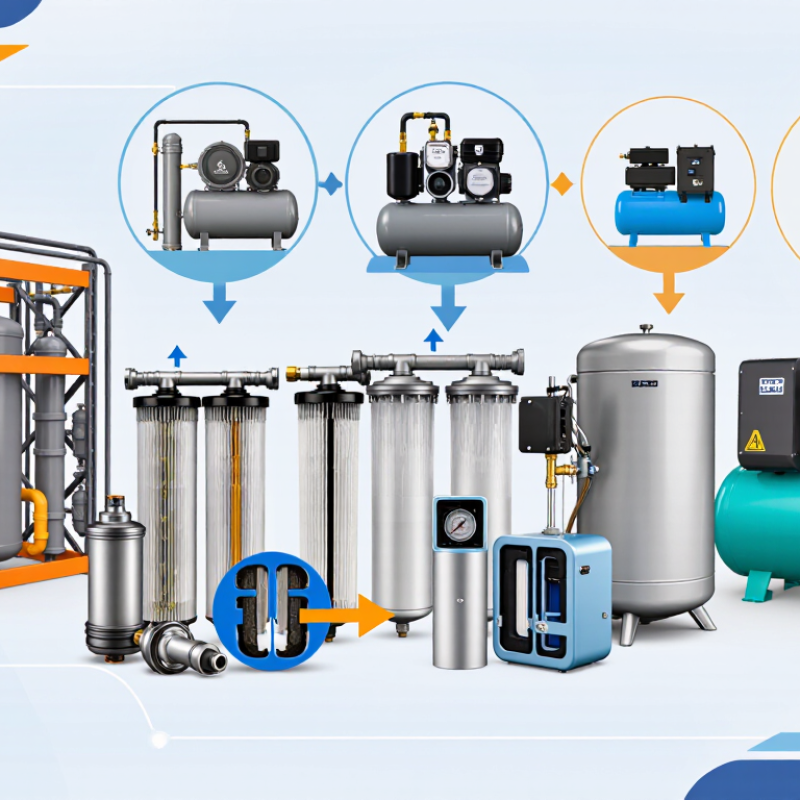
A compressor filter dryer removes moisture, oil aerosol, and solid particles from compressed air. Depending on its design, it may combine filtration with refrigeration or desiccant drying. This protects valves, pneumatic tools, pipelines, and finished products from corrosion and contamination. That small housing matters. Wet air can leave rust-colored stains, freeze control lines, and shorten equipment life. It can also increase maintenance costs when overlooked.

A practical buying guide should examine seven points: flow capacity, operating pressure, filtration rating, pressure drop, outlet dew point, drain type, and replacement access. Match capacity to the compressor’s real demand, not only its advertised maximum. A narrow unit may restrict airflow and waste energy. A poorly sized dryer may pass moisture during peak production. Check the required dew point carefully. General workshop air needs less drying than air used near instruments or sensitive processes.

Installation affects performance as much as the equipment itself. Fit the dryer after an effective separator, provide enough clearance, and install drains where technicians can inspect them safely. In compressor rooms, blocked drains are a common failure.

I have also seen users replace filter elements by calendar date alone. That habit is convenient, but not always accurate. Pressure-drop readings and moisture checks reveal the actual condition better. One detail is easy to miss: a clean-looking filter can still be saturated inside. Regular inspection remains necessary.

Key Features to Compare Before Choosing a Filter Dryer

The 7 Best Filter Dryer for Compressor options are not identical, even when their specifications look similar. Selection should begin with the compressor’s airflow, operating pressure, and refrigerant or gas system. A dryer with a very fine filtration rating may capture more particles, but it can also create higher pressure loss. Check the pressure-drop chart at your actual flow rate, not only the maximum advertised capacity.

Compare the housing material, temperature range, connection size, and moisture-removal performance. A transparent bowl can help technicians spot collected water, while an automatic drain reduces manual service work. The filter element should resist oil, dust, and chemical exposure within the system. In field use, I have seen poorly matched dryers restrict airflow after heavy contamination. That detail is easy to miss. Replacement element availability also affects long-term cost and maintenance planning.

Tips: Measure pipe size carefully before ordering. Leave enough clearance for element removal. Inspect the dryer during scheduled compressor service, especially in humid rooms. Do not choose by price alone. A low-cost unit may require frequent replacements or cause unnecessary energy loss. I would also compare the stated filtration rating with independent test information, because marketing descriptions can be incomplete. When conditions change seasonally, review pressure readings again; the original choice may no longer perform perfectly.

Seven Top Filter Dryer Types for Different Compressor Needs

Seven Top Filter Dryer Types for Different Compressor Needs

Choosing the best filter dryer starts with the air quality required at the point of use. A non-cycling refrigerated dryer suits general workshop air and stable compressor loads. A cycling refrigerated dryer saves energy when demand changes. Heatless desiccant dryers provide very low dew points for pharmaceutical, electronic, and instrument-air systems. Heated desiccant models reduce purge losses but need electricity or process heat. Blower-purge desiccant dryers suit larger plants where continuous operation matters. Membrane dryers work well for compact, low-flow applications. Deliquescent dryers remain useful on remote sites, although their absorbent material requires regular replacement.

The U.S. Department of Energy reports that compressed-air systems can consume 10–15% of industrial electricity, so dryer selection affects operating cost, not only moisture control. The Compressed Air Challenge also warns that inappropriate pressure settings and leaks waste substantial energy. Check the required pressure dew point against ISO 8573-1 air-quality classes.

A coalescing filter should normally protect the dryer from oil aerosols, while a particulate filter protects downstream equipment. I have seen operators choose a desiccant unit for every application. That choice can increase maintenance and purge waste. It is not always better.

Measure inlet temperature, flow, pressure, ambient conditions, and peak demand before buying. A small membrane dryer may struggle during production surges. A refrigerated unit may fail when winter air becomes unusually cold. The specification sheet is only part of the answer. Field conditions often disagree.

How to Match Filter Dryer Capacity With Your Compressor System

Choosing a filter dryer starts with airflow, not compressor horsepower. A 15 kW compressor may deliver different air volumes under different pressures and temperatures. Use the compressor’s actual free air delivery, measured in m³/min or cfm, then compare it with the dryer’s rated capacity at identical conditions. CAGI performance data sheets emphasize this point: rated flow is meaningful only when pressure, inlet temperature, and pressure drop are clearly stated.

Allow for demand changes. A practical design margin of 15–25% helps cover short production peaks, seasonal heat, and future equipment. Do not simply double the size. An oversized refrigerated dryer may cycle poorly, while an oversized desiccant dryer can waste purge air. The U.S. Department of Energy reports that compressed-air leaks may consume 20–30% of compressor output in poorly maintained systems. Extra dryer capacity cannot fix that loss.

Check the required pressure dew point and air-quality class under ISO 8573-1. A workshop tool may need less protection than outdoor instrumentation or paint equipment. Keep the pressure drop visible: filter loading, blocked drains, and hot inlet air can quietly reduce usable pressure. CAGI guidance recommends reviewing operating conditions, not only catalog capacity. This is where many selections fail. I have seen systems sized for average flow, then struggle during shift changes. Record peak flow, ambient temperature, and compressor cycling before buying. Conservative sizing is useful, but unchecked assumptions are not.

Filter Dryer Capacity Matching Guide

Choose a filter dryer with a rated flow at least 20% above the compressor’s maximum free air delivery. This practical margin helps accommodate peak demand, pressure variation, and future system expansion.

Reference basis: Values are shown in Nm³/min. The recommended filter dryer capacity is calculated as compressor flow × 1.20. Final selection should also verify operating pressure, inlet temperature, pressure-drop limits, and the dryer manufacturer’s correction factors.

Installation, Maintenance, and Replacement Tips for Long-Term Performance

7 Best Filter Dryer for Compressor Buying Guide

Installation affects every hour of a compressor’s service life. Select a filter dryer rated for the system’s pressure, flow, and temperature. Check the arrow before connecting it. It must match the air direction. Install it after cooling equipment, where moisture can collect safely. Use isolation valves on both sides. They simplify future servicing. Support heavy housings independently, rather than stressing the pipework. Keep the lines clean and dry during installation. Even small metal particles can damage the sealing surface.

Maintenance requires observation, not guesswork. Inspect the drain weekly for trapped water, oil, or sludge. Check the differential pressure regularly. A rising reading often signals a saturated or blocked element. Listen for unusual hissing around joints. Then test suspected leaks with approved leak-detection methods. Do not tighten fittings blindly. Over-tightening can distort seals. A practical mistake is delaying service because airflow still seems acceptable. Hidden contamination may already be moving downstream. Record pressure readings and service dates. These records make replacement decisions more reliable.

Tips: Depressurize the housing completely before opening it. Replace the element when pressure loss rises, contamination appears, or the service interval ends. Clean the sealing groove with a lint-free cloth. Inspect the gasket every time. Install the new element without forcing it. After assembly, pressurize the unit slowly and check for leaks. If performance remains poor, review the dryer size, drain operation, and pipe layout. Sometimes the filter is blamed unfairly.

7 Best Filter Dryer for Compressor Buying Guide? - Installation, Maintenance, and Replacement Tips for Long-Term Performance

No. Filter Dryer Type Best Application Typical Filtration or Drying Performance Recommended Installation Position Key Installation Tip Maintenance and Replacement Guidance Main Advantage Overall Suitability
1 Coalescing Filter with Refrigerated Dryer General plant air, pneumatic tools, workshops, and manufacturing equipment requiring dry air. Commonly supplies ISO 8573-1 Class 4–6 water performance when correctly sized and operated. Fine filters may remove particles down to approximately 0.01 micrometres, depending on the element design. Install the coalescing filter upstream of the dryer and a suitable particulate or after-filter downstream when required. Use the airflow direction marked on the housing, provide a drain point, and avoid installing the dryer where ambient heat exceeds its rated limit. Check differential pressure and drain operation regularly. Replace the filter element when pressure drop approaches the manufacturer’s limit or when contamination is visible. Balanced protection ★★★★★
2 Desiccant Adsorption Dryer with Prefilters Instrumentation, laboratories, pharmaceutical processes, outdoor pipelines, and applications requiring a pressure dew point below 0°C. Can achieve pressure dew points around −20°C to −40°C; specially configured systems can reach approximately −70°C. Performance depends on desiccant, purge air, inlet temperature, and flow. Install high-efficiency particulate and coalescing prefilters before the dryer; use an after-filter to retain desiccant dust. Keep liquid water and oil out of the desiccant beds. Confirm correct purge settings and allow adequate clearance for valve and vessel servicing. Inspect valves, silencers, and desiccant condition. Desiccant commonly requires replacement after several years, sooner if liquid carryover or oil contamination occurs. Very dry air ★★★★★
3 Membrane Air Dryer with Particulate Prefilter Point-of-use instruments, remote control panels, small pneumatic systems, and locations with limited electrical power. Typically provides pressure dew points approximately 10°C to 30°C below inlet conditions. Capacity and dryness vary with purge-air flow and membrane design. Install after a fine prefilter and as close as practical to the sensitive equipment or use point. Prevent oil aerosol and liquid water from entering the membrane. Size the unit for both operating flow and the manufacturer’s specified purge requirement. Replace the prefilter element at the specified pressure-drop limit. Check for blocked exhaust ports, leaks, and reduced outlet flow during routine inspections. Compact and quiet ★★★★☆
4 Refrigeration Dryer with Integrated Filter Set Continuous-duty compressed-air systems in workshops and factories where a pressure dew point near +3°C is sufficient. Usually delivers a pressure dew point of approximately +3°C to +10°C under rated conditions. It is not intended to prevent condensation in freezing environments. Place after the receiver or moisture separator and before the distribution header. Provide ventilation around the refrigeration condenser. Maintain airflow through the condenser, install automatic drains, and keep the inlet flow within the rated capacity to avoid excessive pressure drop. Clean the condenser periodically, test drains, and inspect filters. Refrigerant-system service should be performed by qualified personnel where required by local regulations. Efficient for general use ★★★★★
5 Activated-Carbon Adsorption Filter Odor-sensitive processes, breathing-air pre-treatment, food-related applications, and systems requiring reduction of oil vapors. Designed primarily for vapor and odor reduction rather than bulk water removal. Properly sized carbon beds can reduce residual oil vapor to very low levels, but performance depends on inlet contamination and contact time. Install downstream of a coalescing filter and dryer; do not use it as a substitute for liquid-water or aerosol filtration. Prevent liquid oil and water carryover, because saturation can rapidly reduce carbon capacity and increase pressure drop. Replace the carbon element on a time-based schedule or according to oil-vapor monitoring. A pressure reading alone may not reveal carbon exhaustion. Odor and vapor control ★★★★☆
6 High-Temperature Aftercooler with Water Separator and Filter Compressors with hot discharge air, high moisture loads, or systems requiring bulk condensate removal before final drying. Removes a large portion of condensate after cooling. The actual moisture removal depends on outlet temperature, ambient conditions, airflow, and separator efficiency. Install immediately downstream of the compressor, followed by a moisture separator and automatic drain before the storage receiver or dryer. Provide adequate cooling-air or cooling-water flow, use correctly rated pipework, and ensure condensate drains discharge safely. Clean heat-transfer surfaces, test the separator drain, and inspect the filter element for fouling. Replace seals or elements when leakage or excessive pressure drop develops. Reduces dryer load ★★★★☆
7 Point-of-Use Filter Dryer Individual spray guns, laboratory instruments, CNC equipment, control valves, and other sensitive end-use devices. Performance varies by model; typical units combine particulate filtration with limited water or oil-aerosol separation. They should be selected according to the required ISO 8573-1 air-quality class. Install as close as possible to the equipment inlet, downstream of the main plant filtration and drying system. Use the correct port size and flow direction, support the housing, and avoid placing the unit where vibration or impact can damage the bowl. Drain the bowl, inspect the element, and monitor pressure drop. Replace the element when airflow falls, contamination appears, or the service interval is reached. Targeted protection ★★★★☆
Selection note: Actual performance depends on inlet pressure, flow rate, inlet temperature, ambient temperature, oil carryover, pipe size, and the required air-quality class. Always size the filter dryer using the manufacturer’s rated conditions and verify the required pressure dew point before purchase.

Powder Coat Booths

For those larger-sized parts, or smaller quantity runs, we have 2 independent powder coat booths and ovens. The quality, durability and affordability of today’s powder coating finishes make this the process of choice for world-class companies.

Powder coating advantages over other forms of coating are many. Materials used in the Powder coating process can be metals and non-metals that come in a multitude of thicknesses, textures, colors, etc. Another of Powder coating’s biggest advantages over conventional coatings is its ability to create finishes in many different textures. Powder Coating Booths allow us the ability to apply these advantages to large products.

Wet Paint Line

Tri-State Fabricators runs a full-service conveyor line for painting. Wet painting can provide protection or decoration to many different part styles. From start to finish, every project is easier to undergo random and point-based inspection by our skilled painting team.

Advantages to our Wet Paint Line are these lines start with product prep and ends with a thorough inspection of a high quality finished product. Our ability to complete large and small projects with a superior finish and doing so in a timely and economical fashion. This passes along the savings in production to our customers. When powder coating ins not an option, our Wet Paint Line gets the job done right the first time.

Wet Paint Booths

When the parts get big and heavy we roll-out our custom paint racks and oversize booth. By utilizing our partnerships with all the major paint brands, we can match virtually any color with wet paint.

The advantages of having access to a Wet Paint Booth are many. Large projects of many different shapes can be loaded into the booth. The Wet Paint Booth offers an environment that is much more controlled than a typical parts painting operation.

Not only are they used because of their controlled environment, but they’re are also advantageous when it comes to applying paint to parts that are needed in industries that require specialty coatings such as medical, aerospace, etc.

Military CARC

Our military forces have some very high standards when it comes to the finish of their vehicles and equipment. From the first pre-treatment step to final coat, it takes a great deal of knowledge and experience to protect the men and women of our armed forces. They deserve only the best, and Tri-State Fabricators provides it.

All of our processes are closely monitored by our staff and management teams. Both of which are highly trained in the processes of metal fabrication and finishing. Tri-State Fabricators’ goal is to always fully satisfy each and every customer, including the military. We will always put a 110% into what we do.

Glass-Bead Blasting

Abrasive media blasting is an excellent way to remove old paint, rust, and increase the paint/powder adhesion. Glass beads produce a much smoother and brighter finish than angular abrasives; leaving the part clean yet without any dimensional change. Chemically inert and environmentally friendly, we can recycle our beads approximately 30 times; making them a more preferred method of metal cleaning or surface finishing.

Advantages to Glass Bead Blasting are many. Glass bead blast media is used when a project is needing rough surfaces need to become smooth for applications of coatings such as paint. It is typically used to clean paint and rust from a product surface without deforming the surface it is being used on. Overall, compared to many other blasting media, Glass Bead Blasting is a very economical choice and those savings are always passed on to our customers.

Part Washing

Tri-State Fabricators utilize a zinc phosphate wash to clean and etch the material to ensure the best paint adhesion possible. The unique design of our 3-stage wash system does the work like a 5-stage. From Cleaning and rinsing to conversion coating and post-treatment, Our Part Washing process is a complete service and works throughout the fabrication service and the finishing service.

Along with the previously mentioned benefits, Curing is a vital chemical reaction that leaves the product finish hard and relatively safe from mild abrasion and aggressive corrosion. This process can be done in more than one way; ambient air-dry or in curing ovens at temps that exceed 240°.

Burn-Off Oven

From fixing paint mistakes (someone else’s of course) to simply cleaning our paint line hooks, our burn-off oven is put to good use. After a quick burn-off, a little clean up, and a fresh coat of paint, your parts will look better than new.

Why does our Burn-Off Oven work so well? Because super heating the air around parts turns the materials into ashes. From paint and powder coatings to rubber and machining oils, high temps do the job without degrading the integrity of the part.

Masking

Masking is a vital part of producing high quality products. We have die-cut masking patterns to protect machined surfaces as well as a wide range of plugs and caps to protect threaded holes and bolts. We provide permanent and temporary masking.

Masking allows the selected sections of a product to be protected from a fabrication or finishing service. This can be with both chemicals when etching and tapes, paints when only finishing just a section of the product. Masking is great in aiding the customization process of a project.

Screen Printing

Screen printing is a photographic process that transfers artwork onto a porous nylon screen which allows colored ink to flow through the screen and be deposited on an aluminum or plastic component. We can generally have just about any design created onto a screen for your parts.

Some of the advantages of Screen Printing are, brand recognition for your business displaying on your products, assembly instructions, product warnings/hazards, etc. Tri-State Fabricators produces Screen Printing of the highest quality so you know it’s durable.

Metal Finishing

Metal Finishing is the art of treating the exterior portion of product, often metal but can also be made of other materials, so that the surface is clean and free of any debris. Then the process of applying coats or either paint of powder coat takes place. This coating process improves the quality of the product in both appearance and resistance to wear and corrosion.

Tri-State Fabricators, Inc., understands that a project typically isn’t complete until a high-quality finish has been added to your product. This is why our painting and powder coating teams continuously inspect the products throughout the Metal Finishing process.