


An Air Release Valve is a small but important part of many water and pipeline systems. It helps remove pockets of trapped air that can collect at high points in a pipe. Left unchecked, that air may interrupt flow, create uneven pressure, or contribute to noisy operation. The valve gives the air a way out. In some designs, it also admits air when a line drains and pressure falls below surrounding atmospheric pressure.
How does it work? As air gathers inside the valve chamber, the water level drops and a float moves downward. This movement opens an outlet, allowing air to escape. When water reaches the chamber again, the float rises and closes the opening. The action is simple, but sizing and placement matter. A valve that is poorly matched to the system may not perform as intended. Details count.
Air release valves are commonly installed at pipeline high points, where air naturally tends to collect. Their role differs from that of combination air valves, which can handle both small air pockets during operation and larger air volumes during filling or draining. The right choice depends on the system’s pressure, fluid, and operating conditions. No single valve suits every line. Real systems also contain bends, changing elevations, and operating patterns that drawings may not fully reveal. Understanding these basics can help readers assess what an Air Release Valve does, where it belongs, and what questions to ask before selecting one. A closer look is worthwhile.
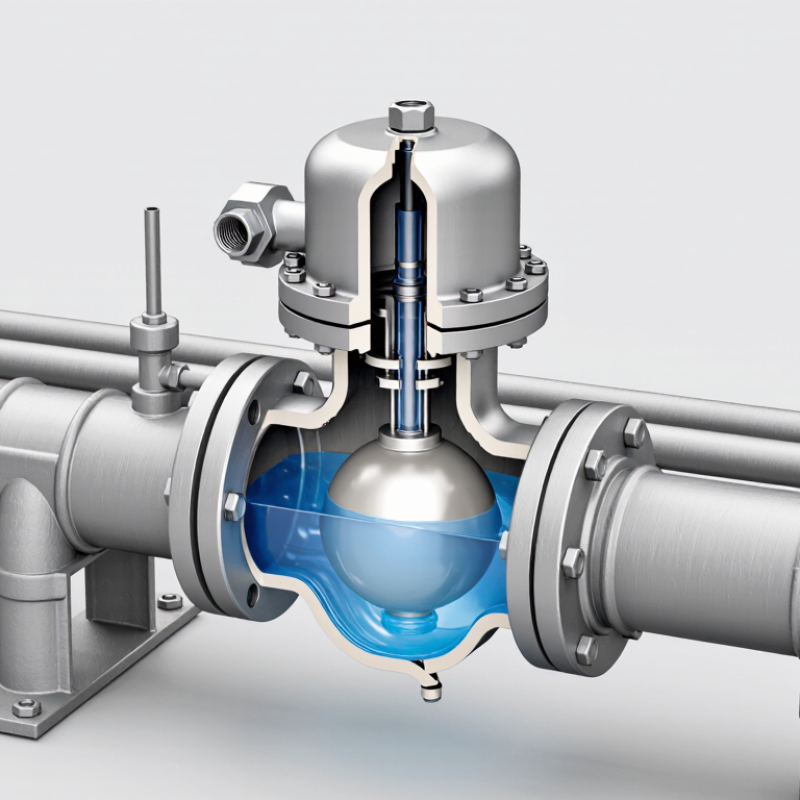
An air release valve is a small fitting installed at high points in a pressurized water pipeline, where air naturally collects. Its purpose is to discharge accumulated air while the line remains under pressure. Without that outlet, trapped air can narrow the water passage, disrupt flow, and make pressure readings less dependable. Think of a long uphill pipe: a pocket may gather near the crest, even when the downstream tap still runs.
Inside the valve, a float moves with the water level. When air gathers in the chamber, the water level falls and the float drops, opening an orifice. Air escapes with a brief hiss. As water rises again, the float lifts and closes the opening. That is the basic action. The valve is not a substitute for a correctly sized air-and-vacuum valve, which handles larger air volumes during filling or draining. Selection depends on pipe profile, operating pressure, and expected flow—not just pipe diameter.
The need for reliable water infrastructure is substantial: ASCE’s 2021 Report Card for America’s Infrastructure assigned drinking water infrastructure a C− and estimated a $1 trillion investment need over 25 years. That figure concerns the wider system, not air valves specifically. Still, it underlines why small components deserve careful inspection. A valve can stick from debris or corrosion; assuming it works because it is present is an easy mistake.
An air release valve is built around a few parts that work together to remove trapped air from a pressurized pipe. Its body forms a sealed chamber, often mounted at a high point where air naturally collects. Inside, a float rises and falls with the water level. When air enters the chamber, the water level drops and the float descends. Simple movement.
A lever or linkage connects the float to a valve plug or seal. As the float drops, the linkage opens a small orifice, allowing air to escape through the outlet. Water then enters the chamber, lifts the float, and closes the opening. The orifice must seal reliably; even a small leak can release water after the air is gone. A gasket helps contain pressure around the body or cover, while the outlet directs discharged air away from nearby equipment.
Some designs include a protective cap or screen to limit dirt entering the outlet. These parts are easy to overlook, yet debris can interfere with the float or sealing surface. Inspection should check for sticking, corrosion, and leakage, not just visible damage. A valve may look sound but still respond slowly. That detail matters. Exact components and service needs vary with the valve design and operating conditions, so the manufacturer’s technical instructions should guide inspection and maintenance.
An air release valve removes trapped air from a pressurized water pipeline. Air often gathers at high points, where it can disrupt flow and create uneven pressure. Inside the valve, a float moves with the water level. When air enters the chamber, the water level falls and the float drops, opening a small vent orifice.
Air escapes through the opening. As water rises back into the chamber, it lifts the float and closes the orifice. Simple, but not magic. The valve must be sized for the system and installed where air is likely to collect. A blocked vent or worn seal can prevent proper operation, so periodic inspection matters. In practice, even a small leak may be hard to notice until pressure readings or flow begin to change. I used to think these valves needed little attention; that assumption can be costly in a poorly maintained line. A separate air-and-vacuum valve may be needed where large air volumes enter or leave during filling and draining.
An air release valve removes trapped air from water pipelines, helping maintain steady flow and reducing pressure disturbances. Different designs handle different air conditions. An automatic air release valve uses a small float and orifice. When air gathers inside, the float drops and opens the orifice; water entering the chamber lifts the float and closes it. This type releases smaller pockets of air while the pipe remains pressurized. Small, steady releases matter.
An air/vacuum valve has a larger opening. It releases substantial air as a pipeline fills and admits air when the line drains or pressure falls sharply. That incoming air helps limit vacuum conditions. A combination air valve brings both functions together: a large opening handles filling and draining, while a smaller orifice releases air during normal operation. The right choice depends on pipe layout, flow conditions, and where air tends to collect. In practice, sizing and placement deserve careful review; a valve in the wrong spot may not solve the problem.
Tips: Check the manufacturer’s flow and pressure data, and follow applicable engineering guidance. Keep the valve upright and accessible for inspection. Look for leaks, blocked outlets, or debris around the float mechanism. One detail is easy to overlook: frequent discharge may signal a persistent air source, not simply a faulty valve.
How to read the chart: “Yes” indicates a typical function of that valve type. Air release valves vent accumulated air from a pressurized pipeline; air/vacuum valves admit and exhaust large volumes of air during filling and draining; combination valves perform both functions.
What Is an Air Release Valve and How Does It Work?
Applications, Installation, and Maintenance
An air release valve removes trapped air from pressurized pipelines. It usually uses a float, nozzle, and sealed chamber. As air enters the chamber, the float drops and opens the outlet. Water then lifts the float and closes the opening. This simple action helps reduce flow restrictions, pressure surges, vibration, and inaccurate flow readings.
These valves serve water transmission lines, irrigation systems, pumping stations, and treatment facilities. They are especially useful at pipeline peaks, long uphill sections, and sudden changes in elevation. During draining, some valve designs admit air to limit vacuum damage. In field work, I have seen poor air control create loud banging and unstable pump operation.
Installation requires careful positioning. Mount the valve vertically at a genuine high point, with enough clearance for inspection. A nearby isolation valve can simplify maintenance, but it must remain open during normal operation. The pipe connection should be clean, supported, and free from excessive stress. An undersized valve may release air too slowly. That mistake is easy to miss.
Maintenance should include visual checks for leakage, corrosion, blocked outlets, and damaged seals. Isolate and depressurize the line before opening the chamber. Clean the float and seat with suitable water and soft tools. Avoid forcing moving parts. Test the valve after reassembly, then inspect it again during startup. Real systems are rarely perfect, so the maintenance schedule should reflect water quality, operating pressure, and seasonal changes.
| Dimension | Typical details | How it works or why it matters | Practical guidance |
|---|---|---|---|
| Purpose | Removes trapped air from liquid pipelines and, depending on the valve design, may also admit air when a line drains or pressure falls. | Air pockets can restrict flow, reduce hydraulic efficiency, and contribute to pressure fluctuations or operational problems. | Select the valve type according to the pipeline’s filling, operating, and draining conditions. |
| Air-release valve | Uses a float-operated mechanism and a relatively small orifice to discharge accumulated air while the pipeline remains pressurized. | As air collects in the valve body, the liquid level falls and the float lowers, opening the orifice. Incoming liquid raises the float and closes it. | Typically installed at locations where air accumulates, such as pipeline high points, subject to system design. |
| Air/vacuum valve | Has a larger opening designed to release substantial air during pipeline filling and admit air during draining or vacuum conditions. | The float moves with the liquid level to open or close the larger port. This valve type is not generally intended to vent small air pockets continuously under normal pressurized operation. | Use where air must enter or leave quickly, as determined by filling, draining, and pressure-transient requirements. |
| Combination air valve | Combines large-orifice air/vacuum operation with small-orifice air-release operation in one assembly. | Provides for bulk air movement during filling or draining and the release of accumulated air during pressurized operation. | Confirm the valve’s capacities and configuration are appropriate for the pipeline and application. |
| Common applications | Water transmission and distribution pipelines, irrigation systems, and other liquid conveyance systems. | Air valves are used to manage air at high points and at other locations identified by hydraulic analysis or system design. | For wastewater or corrosive fluids, choose a design and materials suitable for the fluid, gases, and service conditions. |
| Typical installation location | Often installed at pipeline summits, long rising sections, changes in slope, or other locations specified by the system designer. | Air tends to collect at high points, but the best location depends on pipeline profile, operating conditions, and valve function. | Provide a suitable connection and access for inspection. Follow the valve’s installation instructions and applicable engineering requirements. |
| Installation orientation | Many air valves are designed for upright installation on a vertical connection. | Correct orientation allows the float and internal mechanism to move as intended. | Install in the specified orientation; do not assume a valve can operate correctly when tilted or mounted horizontally. |
| Isolation and discharge | An isolation valve may be provided below the air valve, and the outlet may need to be piped to a suitable discharge point. | Isolation can support servicing. A routed outlet can help manage discharged air or fluid, depending on the installation. | Ensure isolation valves are in the correct operating position. Design discharge piping to avoid blockage and unsafe conditions. |
| Sizing considerations | Selection depends on pipeline diameter and profile, filling and draining rates, operating pressure, and required air-flow capacity. | An incorrectly selected valve may not release or admit air at the rate needed by the system. | Use project calculations and valve performance data; do not size a valve solely by matching the pipeline connection size. |
| Routine inspection | Check for leakage, blocked outlets, corrosion, damaged fittings, and signs that the float or mechanism is sticking. | Dirt, deposits, or wear can interfere with sealing and movement. | Set inspection frequency according to the operating environment and maintenance plan, and follow safe isolation procedures. |
| Maintenance | Cleaning, inspection of internal parts, and replacement of worn seals or components may be required. | Maintenance needs vary with fluid quality, operating conditions, and valve construction. | Depressurize and isolate the valve before servicing. Use the applicable maintenance instructions and approved replacement parts. |
| Safety considerations | Air valves connect to pressurized pipelines and may release air or liquid during operation or service. | Unexpected discharge, pressure, or fluid exposure can create hazards. | Use suitable pressure-rated equipment, provide safe access, and follow site procedures and applicable codes. |


For those larger-sized parts, or smaller quantity runs, we have 2 independent powder coat booths and ovens. The quality, durability and affordability of today’s powder coating finishes make this the process of choice for world-class companies.
Powder coating advantages over other forms of coating are many. Materials used in the Powder coating process can be metals and non-metals that come in a multitude of thicknesses, textures, colors, etc. Another of Powder coating’s biggest advantages over conventional coatings is its ability to create finishes in many different textures. Powder Coating Booths allow us the ability to apply these advantages to large products.
Tri-State Fabricators runs a full-service conveyor line for painting. Wet painting can provide protection or decoration to many different part styles. From start to finish, every project is easier to undergo random and point-based inspection by our skilled painting team.
Advantages to our Wet Paint Line are these lines start with product prep and ends with a thorough inspection of a high quality finished product. Our ability to complete large and small projects with a superior finish and doing so in a timely and economical fashion. This passes along the savings in production to our customers. When powder coating ins not an option, our Wet Paint Line gets the job done right the first time.
When the parts get big and heavy we roll-out our custom paint racks and oversize booth. By utilizing our partnerships with all the major paint brands, we can match virtually any color with wet paint.
The advantages of having access to a Wet Paint Booth are many. Large projects of many different shapes can be loaded into the booth. The Wet Paint Booth offers an environment that is much more controlled than a typical parts painting operation.
Not only are they used because of their controlled environment, but they’re are also advantageous when it comes to applying paint to parts that are needed in industries that require specialty coatings such as medical, aerospace, etc.
Our military forces have some very high standards when it comes to the finish of their vehicles and equipment. From the first pre-treatment step to final coat, it takes a great deal of knowledge and experience to protect the men and women of our armed forces. They deserve only the best, and Tri-State Fabricators provides it.
All of our processes are closely monitored by our staff and management teams. Both of which are highly trained in the processes of metal fabrication and finishing. Tri-State Fabricators’ goal is to always fully satisfy each and every customer, including the military. We will always put a 110% into what we do.
Abrasive media blasting is an excellent way to remove old paint, rust, and increase the paint/powder adhesion. Glass beads produce a much smoother and brighter finish than angular abrasives; leaving the part clean yet without any dimensional change. Chemically inert and environmentally friendly, we can recycle our beads approximately 30 times; making them a more preferred method of metal cleaning or surface finishing.
Advantages to Glass Bead Blasting are many. Glass bead blast media is used when a project is needing rough surfaces need to become smooth for applications of coatings such as paint. It is typically used to clean paint and rust from a product surface without deforming the surface it is being used on. Overall, compared to many other blasting media, Glass Bead Blasting is a very economical choice and those savings are always passed on to our customers.
Tri-State Fabricators utilize a zinc phosphate wash to clean and etch the material to ensure the best paint adhesion possible. The unique design of our 3-stage wash system does the work like a 5-stage. From Cleaning and rinsing to conversion coating and post-treatment, Our Part Washing process is a complete service and works throughout the fabrication service and the finishing service.
Along with the previously mentioned benefits, Curing is a vital chemical reaction that leaves the product finish hard and relatively safe from mild abrasion and aggressive corrosion. This process can be done in more than one way; ambient air-dry or in curing ovens at temps that exceed 240°.
From fixing paint mistakes (someone else’s of course) to simply cleaning our paint line hooks, our burn-off oven is put to good use. After a quick burn-off, a little clean up, and a fresh coat of paint, your parts will look better than new.
Why does our Burn-Off Oven work so well? Because super heating the air around parts turns the materials into ashes. From paint and powder coatings to rubber and machining oils, high temps do the job without degrading the integrity of the part.
Masking is a vital part of producing high quality products. We have die-cut masking patterns to protect machined surfaces as well as a wide range of plugs and caps to protect threaded holes and bolts. We provide permanent and temporary masking.
Masking allows the selected sections of a product to be protected from a fabrication or finishing service. This can be with both chemicals when etching and tapes, paints when only finishing just a section of the product. Masking is great in aiding the customization process of a project.
Screen printing is a photographic process that transfers artwork onto a porous nylon screen which allows colored ink to flow through the screen and be deposited on an aluminum or plastic component. We can generally have just about any design created onto a screen for your parts.
Some of the advantages of Screen Printing are, brand recognition for your business displaying on your products, assembly instructions, product warnings/hazards, etc. Tri-State Fabricators produces Screen Printing of the highest quality so you know it’s durable.
Metal Finishing is the art of treating the exterior portion of product, often metal but can also be made of other materials, so that the surface is clean and free of any debris. Then the process of applying coats or either paint of powder coat takes place. This coating process improves the quality of the product in both appearance and resistance to wear and corrosion.
Tri-State Fabricators, Inc., understands that a project typically isn’t complete until a high-quality finish has been added to your product. This is why our painting and powder coating teams continuously inspect the products throughout the Metal Finishing process.

