What is an Asphalt Diamond Blade and How to Choose One?
Asphalt is a crucial material in construction and infrastructure. Choosing the right tool for cutting this tough substance is vital. An asphalt diamond blade stands out as one of the best options. Its unique design allows for precision and durability, making it a favorite among professionals.
John Smith, an expert in the diamond cutting industry, emphasizes, "Selecting the right asphalt diamond blade can significantly affect your project's efficiency." This statement reflects the importance of understanding the product. An asphalt diamond blade can differ in material, segment design, and intended use.
When selecting a blade, consider factors like the thickness of the asphalt and your cutting machine's power. Each choice impacts the blade's performance and lifespan. While many believe that all blades are interchangeable, reality shows otherwise. Poor choices often lead to damage or inefficiency, highlighting the need for informed decisions.
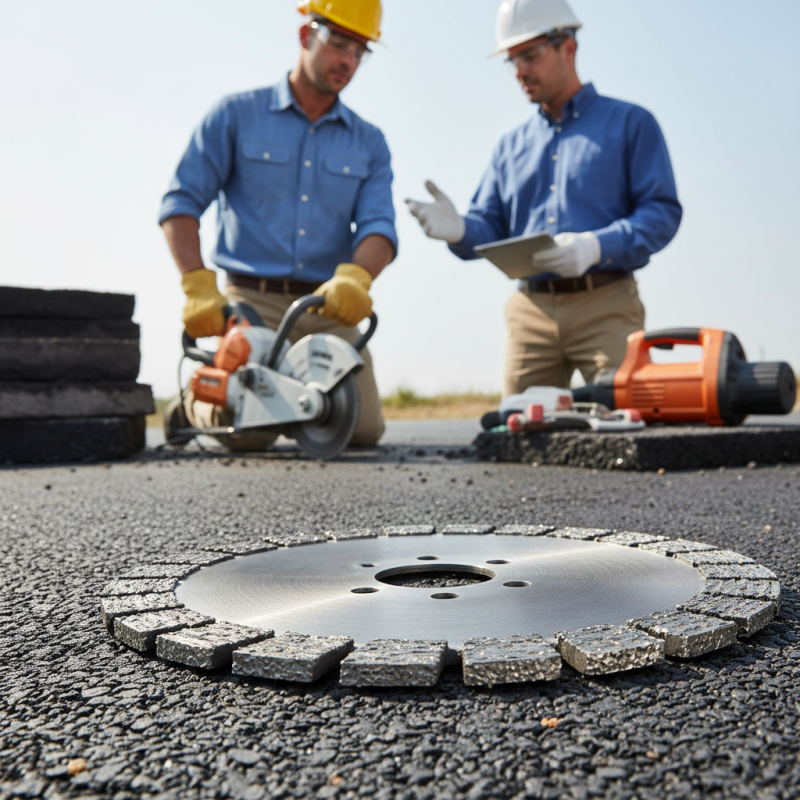
What is an Asphalt Diamond Blade? Understanding the Basics
Asphalt diamond blades are specialized cutting tools designed for efficient performance. These blades are equipped with diamond segments that ensure longevity and precision when cutting asphalt. Typically, the segment height ranges from 10 mm to 15 mm, offering durability against wear. According to the latest industry reports, the demand for these blades is projected to grow by 5% annually, driven by increased infrastructure development.
Choosing the right asphalt diamond blade can be challenging. Consider the thickness of the asphalt. A thicker material may require a blade with a higher segment height to avoid premature wear. The type of cutting method is also essential. Wet cutting often produces less dust, while dry cutting can be more efficient in certain conditions.
Tips: Always check the compatibility of the blade with your equipment. A mismatched blade can lead to inefficiency and safety hazards. Additionally, monitor the blade's performance regularly. Early signs of dullness can indicate the need for replacement. Regular assessments can improve both safety and cutting efficiency.
What is an Asphalt Diamond Blade and How to Choose One?
| Blade Type | Diameter (inches) | Segment Height (mm) | Material | Application |
| General Purpose | 14 | 10 | Diamond | Asphalt Cutting |
| Premium | 12 | 12 | Laser Welded | High-End Asphalt |
| Masonry | 10 | 8 | Segmented | Concrete & Asphalt |
| Specialty | 16 | 15 | Turbo | Fast Asphalt |
| Thin Kerf | 14 | 7 | Diamond | Smooth Cuts |
Key Components of Asphalt Diamond Blades and Their Functions
Asphalt diamond blades are specialized tools for cutting asphalt efficiently. They consist of several key components that enhance performance and durability. Understanding these components is crucial for selecting the right blade.
The core of the blade is typically made from high-strength steel. This steel provides stability and resilience during cutting. Surrounding the core are segments. These segments contain diamond particles, which cut through the asphalt. The arrangement and quality of these segments affect cutting speed and lifespan. For instance, premium diamonds offer faster cuts but come at a higher cost.
Another important feature is the bond matrix. This matrix determines how well the diamond segments retain their sharpness. A softer bond suits cutting softer asphalt, while a harder bond works better for tougher materials. Additionally, the segment height plays a role in the blade's lifespan. Blades with taller segments may have a longer lifespan but can be harder to control. It's essential to weigh these options based on your project needs for optimal results.
Types of Asphalt Diamond Blades: Choosing the Right One for Your Project
When choosing an asphalt diamond blade, understanding the types available is essential for optimal performance. There are several blade types suited to different needs. For instance, segmented blades are ideal for fast cuts in asphalt. Their design allows for better cooling and debris removal, making them effective for heavy-duty projects.
On the other hand, turbo blades are another popular option. These blades have continuous rim designs, perfect for smoother finishes. They can produce cleaner cuts, but may not be as fast as segmented versions. It's crucial to evaluate your project requirements when selecting. A blade that works well in one context may falter in another, leading to unsatisfactory outcomes.
You may also consider the diamond concentration and bond types. A higher diamond concentration means longer blade life and better performance. However, this can lead to higher costs. Reflect on your budget and project demands. Sometimes, opting for a less expensive blade can yield the right balance between cost and efficiency. Balancing these factors guides you toward the right choice and enhances your overall project success.
Factors Influencing the Performance and Longevity of Diamond Blades
When selecting an asphalt diamond blade, several factors can impact its performance and longevity. The diamond content in the blade plays a critical role. High-quality blades contain dense diamond segments that enhance cutting efficiency. A blade with inadequate diamond content may wear down quickly, leading to frustrating delays in projects.
The bond type also influences blade longevity. Soft bonds are better for softer materials, while hard bonds work well on harder substances. Mixing the wrong type can lead to premature wear. Choosing the right bond ensures the blade lasts longer, saving time and money in the long run.
Tips: Always assess the specific material before selecting a blade. Consider the cutting depth and speed required for your task. Look for blades with cooling holes to enhance performance by reducing heat buildup. This feature can greatly extend the blade's life and maintain cutting precision. Taking the time to choose wisely can make all the difference in project outcomes. Remember that using the right blade isn't just about immediate efficiency; it can drastically affect the overall quality of your work.
Industry Standards and Safety Guidelines for Using Asphalt Diamond Blades
When using asphalt diamond blades, safety is paramount. These tools generate high heat and dust when cutting, increasing the risk of injury. Always wear appropriate protective gear, including eyewear, gloves, and respiratory masks. Ensure your work area is clean and free from obstructions to prevent accidents. Proper training in using these blades is essential for both novice and experienced users.
Following industry standards is critical. Understand the specifications of the blade you are using, particularly its diameter and RPM limits. Using a blade outside its recommended parameters can lead to premature wear or breakage. Regular inspections can identify wear and defects, preventing unexpected failures during operation. Additionally, adhere to local regulations regarding dust control to maintain a safe environment.
Even experienced professionals can overlook safety practices. A moment's distraction can lead to costly mistakes. Understand the limitations of your equipment and yourself. Reflecting on past experiences can help refine safety protocols. Each cut should be approached with care, not just for the job, but for personal safety as well.





