Top Benefits of Using Propeller Pump System for Your Needs?
The Propeller pump system is gaining traction in various industries for its remarkable efficiency and versatility. This technology offers a reliable method for moving fluids in applications that range from agriculture to wastewater management. Its design allows for high flow rates and lower energy costs, making it an attractive option for businesses.
One notable aspect of the propeller pump system is its adaptability to different operational conditions. Users often find that it can perform well in challenging environments, reducing the need for frequent maintenance. However, not all installations yield optimal results. Depending on the setup, some systems may struggle with cavitation or wear over time, leading to potential downtimes.
Understanding the benefits and limitations is essential. A well-chosen propeller pump system can lead to significant savings and improved performance. Yet, improper usage or selection might hinder these advantages. Emphasizing knowledge and expertise in selecting the right system is crucial for maximizing effectiveness.
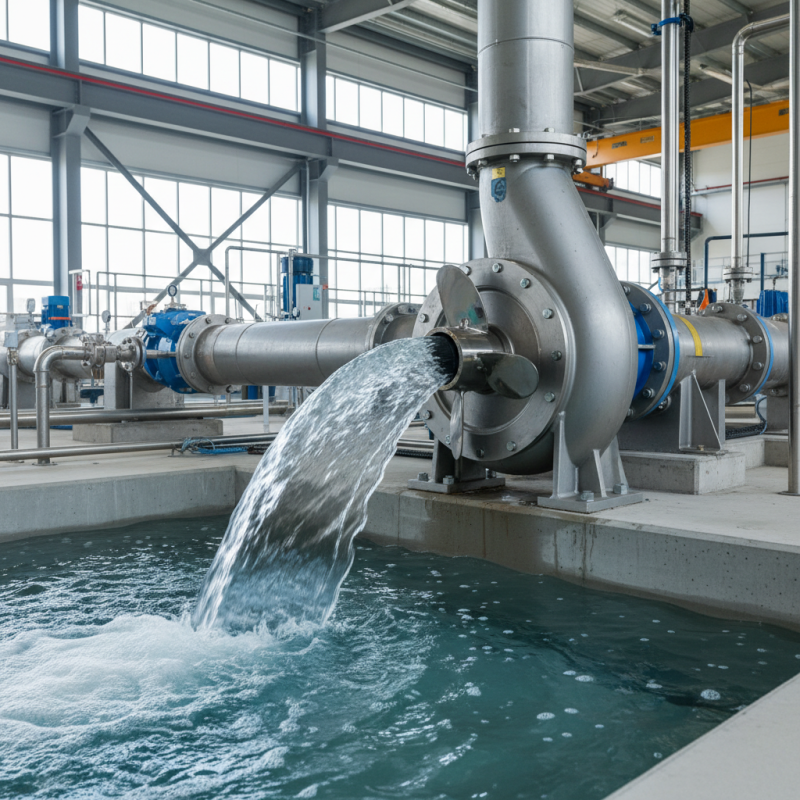
Advantages of Propeller Pump Systems for Fluid Movement
Propeller pump systems are highly effective for fluid movement in various industries. Their design allows for high flow rates and efficiency, making them ideal for water and wastewater applications. According to a recent industry report, these systems can achieve flow rates exceeding 100,000 GPM when designed correctly, which emphasizes their capacity for large-scale operations.
One significant advantage of propeller pumps is their energy efficiency. Studies show that they consume up to 30% less energy compared to traditional pumps. This efficiency is crucial for long-term operational cost savings. However, there are some drawbacks. In some instances, they may struggle with handling viscous fluids. Additionally, careful consideration is needed during installation to ensure optimal performance.
Another noteworthy point is the ease of maintenance associated with propeller pumps. Many designs allow for quick disassembly, which aids in lowering downtime. However, this simplicity can be misleading. Regular inspections are still necessary to prevent clogging and wear. Overall, propeller pump systems provide substantial benefits but also require thoughtful management and maintenance strategies.
Improved Efficiency and Energy Savings with Propeller Pumps
Propeller pumps are gaining attention for their efficiency and energy savings. These pumps can move large volumes of fluid with a relatively small amount of energy. This creates a significant reduction in electricity costs for industries. When properly sized and installed, propeller pumps deliver optimal performance.
One major advantage is their ability to maintain high flow rates at lower speeds. This minimizes wear and tear on components, leading to longer equipment life. Many facilities have reported savings on maintenance costs as a result. However, improper installation can affect this efficiency. It's essential to ensure correct alignment and selection for your specific needs.
Additionally, propeller pumps contribute to sustainability efforts. They can be designed to operate in various environments, reducing the need for excessive energy input. However, if not monitored, they may not perform as expected. Understanding their operational limits is crucial for maximizing benefits. With careful management, propeller pumps can significantly enhance efficiency and lead to substantial energy savings.
Top Benefits of Using Propeller Pump System for Your Needs
| Benefit | Description | Energy Efficiency | Cost Savings |
| High Flow Rate | Propeller pumps are designed for high flow applications, making them suitable for large volumes. | Up to 20% more efficient than traditional pumps in high flow situations. | Lower operational costs due to reduced electricity usage. |
| Reduced Energy Consumption | These systems optimize energy use through their design and operation. | Conserves energy by adjusting flow rates according to demand. | Significant savings on energy bills over time. |
| Versatile Applications | Can be used in various industries such as agriculture, municipal, and industrial. | Flexible design allows for adaptation to different operational needs. | Reduction in equipment costs due to multipurpose use. |
| Low Maintenance | Propeller pumps require less maintenance compared to other pump types. | Fewer breakdowns lead to less energy wasted on repairs. | Saves money on labor and replacement parts. |
| Sustainability | Help reduce environmental impact through efficient water movement. | Less energy usage contributes to lower carbon emissions. | Enhanced corporate sustainability efforts can lead to public goodwill. |
Durability and Reliability of Propeller Pump Systems in Various Applications
When considering propeller pump systems, durability and reliability stand out as crucial advantages. These systems are designed to handle high flows and low heads efficiently. A study by the Hydraulic Institute reveals that propeller pumps can achieve efficiency ratings exceeding 80% in optimal conditions. This translates to reduced energy costs over time, making them a worthy investment.
In varied applications, propeller pump systems prove their resilience. They are widely used in irrigation, wastewater management, and industrial processes. The materials used in their construction, such as stainless steel or fiberglass-reinforced plastic, enhance corrosion resistance. This is critical in environments with harsh chemicals or varying temperatures. A report by the American Society of Mechanical Engineers indicates that proper maintenance can extend the lifespan of these pumps significantly, sometimes beyond 20 years.
However, challenges exist. Installing propeller pump systems requires precise calculations to ensure they meet specific performance demands. Improper sizing can lead to inefficiencies and increased wear. Continuous monitoring is also vital for maintaining optimal operational conditions. These factors highlight the need for expertise in selecting and maintaining propeller pump systems. Inadequate knowledge can result in costly mistakes.
Versatility of Propeller Pumps in Different Industries and Environments
Propeller pumps are gaining traction across various industries due to their impressive versatility. They efficiently handle large volumes of liquids, making them ideal for applications in agriculture, municipal water supply, and industrial processes. According to a report by the Global Pump Market Research, propeller pumps can move up to 30,000 gallons per minute. This capability suits water treatment facilities needing to manage significant flow rates.
In agricultural sectors, propeller pumps facilitate irrigation systems, enhancing crop yield potential. They are often used in areas with varying elevations, showcasing their adaptability. Data from the Irrigation Association indicates that setups utilizing these pumps can boost water efficiency by up to 20%. This efficiency can significantly impact farming operations, particularly during drought conditions. However, challenges may arise when integrating with existing systems, suggesting a need for careful planning and assessment.
In the industrial sphere, propeller pumps are frequently employed in cooling systems and wastewater management. They are designed to operate continuously, a necessity in many manufacturing processes. Yet, operational costs and maintenance remain factors to consider. Further research is essential to optimize long-term performance and address these potential issues. Despite their advantages, a balanced approach is required to fully harness the power of propeller pumps.
Top Benefits of Using Propeller Pump System for Your Needs
This bar chart represents the various benefits of using propeller pumps in different industries. The benefits measured include versatility, efficiency, low maintenance, cost-effectiveness, and high flow rate, showing a strong inclination towards the advantages that propeller pump systems provide.
Maintenance Considerations for Optimal Performance of Propeller Pumps
Maintaining a propeller pump system is crucial for its longevity and efficiency. Routine inspections can prevent unexpected failures. Statistics show that over 40% of pump failures are attributed to poor maintenance. Regular checks on the bearings and seals can significantly reduce the risk of costly breakdowns.
Monitoring the lubrication levels is essential. Inadequate lubrication can cause overheating and premature wear. Studies indicate that proper lubrication can enhance pump life by up to 30%. Additionally, vibration analysis and performance testing should be part of the maintenance routine. Identifying vibrations early can indicate misalignment or wear issues, crucial for preventing larger problems.
Scheduling maintenance tasks can be challenging. Many operators struggle with balancing routine checks and operational demands. This dual focus often leads to neglect in pump upkeep. It’s worth considering that investing in maintenance could save up to 25% in total lifecycle costs. Not addressing maintenance can lead to inefficient operations, resulting in higher energy costs. Understanding these considerations is vital for achieving optimal performance with propeller pump systems.





