What Are the Best Airport Fence Options for Security?
Airport security is a critical concern in today's world. One of the main parts of this security is the airport fence. A robust airport fence acts as the first line of defense. It keeps unauthorized individuals away and helps protect valuable assets. Yet, choosing the right type of airport fence can be challenging.
Many factors come into play, including height, material, and durability. Some fences are designed to deter intruders but may not withstand extreme weather conditions. Others might be effective in preventing breaches but lack aesthetic appeal. Balancing security and visual impact is essential. Despite various options available, each has its limitations. It’s vital to weigh these factors when selecting an airport fence. Reflecting on these complexities can lead to better security solutions.
Overview of Airport Security Needs and Challenges
Airport security is a complex issue. Airports must balance access with safety. The need for robust security measures is paramount. High traffic volume creates unique challenges. Airports often face threats from various sources. Fencing plays a vital role in securing these areas.
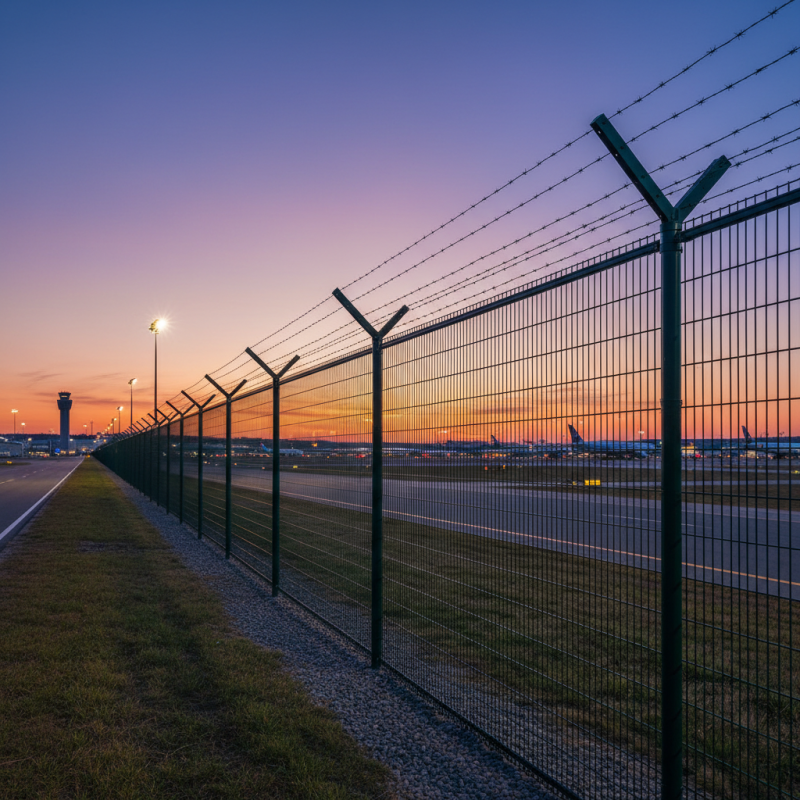
When considering fence options, some factors should be top of mind. Height and material are crucial. Barbed wire adds an extra layer of deterrence. Visibility is important too; staff should see potential threats clearly. Regular inspections are necessary. Maintenance can often be overlooked but crucial for effectiveness.
Tips: Invest in sturdy gates for entrances. They should be tested frequently. Ensure that staff is trained in emergency response. Regular drills can help prepare them for real issues. Finally, creating a secure perimeter reduces risks significantly. An effective approach requires constant evaluation and adaptation.
Types of Airport Fencing Materials and Their Benefits
Airport security is paramount. Choosing the right fencing materials can enhance safety dramatically. Chain-link fences are common. They offer visibility while acting as a deterrent. Coating options improve durability. These fences can withstand harsh weather, an important feature for outdoor applications.
Another popular choice is welded wire fencing. It provides a sturdier barrier. This type is harder to compromise. Many airports prefer it for high-security areas. However, visibility might be slightly reduced. A balance between aesthetics and functionality is needed here.
Vinyl-coated fencing offers a different approach. It's less intrusive visually. Airports with landscaped surroundings often use this. The coating helps resist rust and corrosion. Maintenance becomes easier, leading to cost savings. Fencing choices require careful thought. An ideal scenario may not exist. The decision should reflect the specific needs of the airport. Each material has its strengths and limitations.
Comparison of Temporary versus Permanent Airport Fencing Solutions
When considering airport fencing options, the choice between temporary and permanent solutions is crucial. Temporary fencing can be quickly installed and easily removed. It’s ideal for short-term needs or during construction projects. These fences are lightweight and transportable. However, they may lack durability against harsh weather or potential breaches.
Permanent fencing is a long-term investment. These fences provide a higher level of security. They resist vandalism and withstand various environmental conditions. Airlines often prefer these for everyday protection. It's essential to weigh the pros and cons of each option before deciding.
Tips: Evaluate your security needs carefully. A reliable assessment will help you find the right balance between cost and security. Consider the physical environment as well. A fence that works well in one area may not suit another. Think about future needs too. What fits today might need adjustments later.
Comparison of Temporary vs Permanent Airport Fencing Solutions
Innovative Technology Solutions for Airport Fence Security
Airport security is a critical concern. As airports evolve, so do the challenges they face. Innovative technology solutions have emerged as effective tools for enhancing airport fence security. One popular method includes using smart sensors integrated into fencing. These sensors can detect breaches, providing real-time alerts.
Another intriguing option is the use of surveillance drones. Drones can patrol the perimeter and identify potential threats. They give a bird’s-eye view. However, their implementation raises questions about privacy and monitor coverage.
Moreover, some airports are exploring motion-activated lighting systems. These not only deter intruders but also enhance visibility. Yet, the effectiveness of these systems relies heavily on placement and the surrounding environment. Each solution has its pros and cons. Airports must assess their unique needs carefully. Balancing security, cost, and technology is a complex task. The emphasis should always be on creating a safe environment while considering the potential pitfalls of each solution.
Regulatory Standards and Best Practices for Airport Fencing
Airport security begins with effective fencing. Regulatory standards often dictate the type and height of fencing needed. The Transportation Security Administration (TSA) emphasizes the necessity for fencing that deters unauthorized access. A report by the Federal Aviation Administration indicates that a minimum fence height of eight feet is essential. This is crucial for preventing breaches.
Tips for selecting the right fence: always consider visibility. A fence that allows security personnel to see clearly is vital. Barbed wire on top can enhance security, but it may pose risks. Some airports use chain-link fences combined with surveillance cameras. This combination offers a strategic advantage by deterring potential intruders while maintaining visibility.
Privacy fencing can block views, which might seem secure, but it introduces blind spots. The lack of visibility can create vulnerabilities. Reflect on how effectively your chosen material communicates security. Using reflective or bright colors can enhance deterrence. Balancing cost with effectiveness is important. A cheaper fence might fail in crucial scenarios. Always vet materials for durability in various weather conditions.