


10 Best Knurled Door Handles for Global Buyers

A Knurled Door Handle is more than a decorative upgrade. It is a daily contact point, touched in kitchens, hotels, offices, and residential entrances. Its ridged surface can improve grip, especially when hands are wet or gloved. However, texture alone does not guarantee comfort.

The global door-hardware market is expanding. Grand View Research reports that the market was valued at approximately USD 8.47 billion in 2023, with continued growth expected through 2030. This trend reflects renovation activity, hospitality development, and stronger interest in durable architectural finishes. Yet market growth can confuse buyers. Similar-looking handles may differ in steel grade, knurl depth, fixing strength, and corrosion resistance.

Industrial designer Dieter Rams offers a useful principle: “Good design is as little design as possible.” For a Knurled Door Handle, that means clear purpose. The grip should feel secure, not sharp. The backplate should sit flat. The finish should survive repeated cleaning without losing its character. Small details matter.

This guide compares ten options for global buyers. It considers material, ergonomics, installation, finish durability, door compatibility, and supplier transparency. Product claims still require verification. Some listings provide impressive photographs but limited technical information. That is a warning sign.

Buyers should check spindle dimensions, door thickness, mounting hardware, and applicable regional standards before ordering. A beautiful handle can still be the wrong handle. A little caution helps.
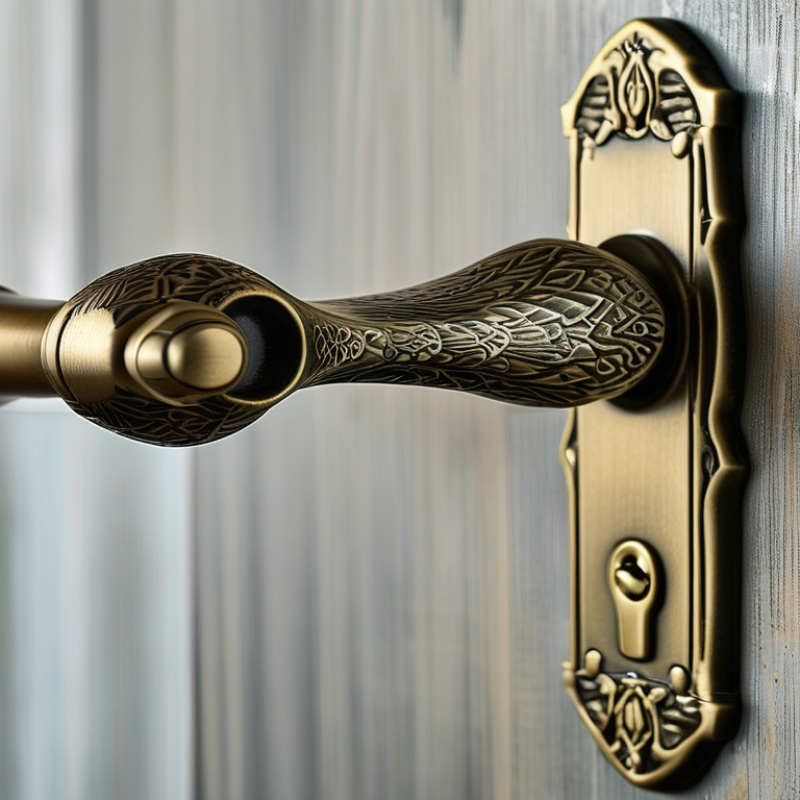
10 Best Knurled Door Handles for Global Buyers

What Knurled Door Handles Are and Why Global Buyers Choose Them

Knurled door handles use fine, diamond-shaped ridges across a metal grip. These ridges create friction under dry, wet, or gloved fingers. The effect feels precise, almost like holding a small tool. Global buyers choose them for modern apartments, hotels, offices, and renovation projects because one handle can combine texture, durability, and visual detail. Grand View Research’s 2024 Door Handles Market report projects steady market growth through 2030, with renovation and replacement demand supporting adoption. The number is useful, but it does not explain every regional preference.

Material selection still requires professional judgment. Stainless steel suits humid corridors and coastal buildings better than untreated mild steel. Brass can develop a richer surface, while powder-coated finishes offer stronger color control. A 2024 World Green Building Trends report from Dodge Construction Network highlights continued attention to durable, resource-conscious building choices. That supports specifying repairable hardware, not simply choosing the cheapest finish. Knurling is not magic. Deep grooves may collect dust, and aggressive patterns can feel uncomfortable for sensitive hands.

During procurement, buyers should compare spindle size, fixing method, door thickness range, return-to-door geometry, and cycle testing. EN 1906 classifications can help evaluate lever-handle durability, but local accessibility rules still require separate checking. Texture does not replace compliant operating force or clearance. A sample should be tested on an actual door, under wet fingers and low light. Small details matter. Even a beautiful handle can disappoint when its ridges are too sharp, its screws loosen, or its finish changes unevenly after installation.

10 Best Knurled Door Handles for Global Buyers - What Knurled Door Handles Are and Why Global Buyers Choose Them

No. Recommended Handle Configuration Knurling Style Common Material Typical Finish Typical Door Thickness Suitable Application Main Advantage Indicative Pair Price
1 Straight Lever on Round Rose Fine diagonal knurling Stainless steel or zinc alloy Brushed stainless steel, matte black, or satin brass 35–45 mm General interior doors Balanced appearance and comfortable everyday operation US$25–70
2 Short Lever on Square Rose Medium diamond knurling Solid brass or stainless steel Antique brass, satin nickel, or matte black 35–50 mm Contemporary apartments and offices Compact proportions suit minimalist door designs US$30–85
3 Long Lever with Concealed Rose Deep cross-hatched knurling Stainless steel Brushed, polished, or powder-coated black 40–55 mm Modern residential and hospitality interiors Longer grip provides additional leverage US$45–110
4 Privacy Lever Set Fine or medium knurling Zinc alloy with steel operating parts Satin chrome, matte black, or satin brass 35–45 mm Bedrooms, bathrooms, and other private rooms Combines tactile grip with a turn-button privacy function US$35–90
5 Passage Lever Set Shallow linear knurling Stainless steel or brass Satin nickel, brushed brass, or black 35–45 mm Hallways, closets, and connecting rooms Latch operation without a locking mechanism US$25–75
6 Back-to-Back Pull Handles Full-length cylindrical knurling Stainless steel or aluminum Brushed steel, polished steel, or anodized black 35–60 mm Non-latching pivot, glass, or entrance doors Strong visual impact and a secure two-sided grip US$50–140
7 Compact Cabinet-Style Door Pull Micro-knurled surface Brass, stainless steel, or aluminum Satin brass, aged bronze, or matte black 18–40 mm Light interior doors and furniture-integrated doors Small footprint for space-conscious installations US$15–55
8 Exterior Lever with Protective Coating Coarse diamond knurling 316-grade stainless steel or corrosion-resistant alloy Brushed stainless steel or durable powder coating 40–60 mm Covered exterior doors and coastal environments Enhanced resistance to moisture and frequent handling US$55–150
9 Accessible Return-to-Door Lever Medium linear or diamond knurling Stainless steel or brass Satin chrome, brushed steel, or matte black 35–50 mm Commercial interiors and high-use areas Return shape can reduce snagging compared with an open lever US$45–120
10 Heavy-Duty Commercial Lever Deep, high-traction knurling Stainless steel or solid brass Satin stainless steel, satin chrome, or black 40–60 mm Retail, offices, education, and public buildings Designed for frequent use and dependable hand traction US$60–180

Note: Dimensions and prices are typical market ranges for unbranded knurled door hardware. Actual compatibility depends on the lock case, spindle size, backset, fixing method, door material, and local building requirements. Prices are approximate per pair in USD and exclude shipping, taxes, and installation.


Key Factors for Evaluating Knurled Door Handles Worldwide

10 Best Knurled Door Handles for Global Buyers

Key Factors for Evaluating Knurled Door Handles Worldwide

For global buyers, evaluating knurled door handles starts with the grip, not the photograph. Fine ridges should feel even, without sharp edges or loose finishing. In real installations, I check how the handle feels with wet, dusty, or gloved hands. Diameter matters too; a narrow bar may suit a compact interior but tire larger hands. Ask for material details, coating methods, spindle sizes, and tested load data. Supplier documentation is more useful than polished lifestyle images.

Material selection should match climate and traffic. Stainless steel usually performs well in humid areas, while other metals may need stronger protective finishes. Near a coast, salt exposure can reveal weak coatings quickly. Compare corrosion testing, surface hardness, and cleaning instructions before ordering. Check the rose, screws, latch compatibility, and door thickness range. A beautiful handle is not a complete solution. Installation tolerances can vary between regions, so confirm measurements locally.

Reliable purchasing also depends on traceability. Request production samples, inspection records, warranty terms, and replacement-part availability. Packaging should protect ridges and prevent metal-on-metal scratches during long-distance shipping. Country-specific safety and accessibility requirements deserve review by a qualified local professional. I once overlooked screw length; the handle looked correct but needed rework. That small mistake changed my checklist. Price still matters, yet consistent finish and responsive technical support often matter more over a project’s life.

Ten Notable Knurled Door Handle Styles for Different Interiors

10 Best Knurled Door Handles for Global Buyers

Ten Notable Knurled Door Handle Styles for Different Interiors

Diamond-knurled handles suit classic apartments and transitional homes. Their crosshatched surface catches light across a polished or satin finish. Fine knurling feels refined, while deeper cuts offer stronger visual contrast. Micro-knurled handles work well in minimalist interiors with pale oak, glass, and clean wall lines. They provide grip without appearing overly decorative. Straight-knurled designs match industrial rooms, especially those with steel frames, exposed brick, and dark cabinetry. Vertical grooves also make a handle feel visually taller. A practical detail.

Coarse diamond patterns create a confident look in contemporary interiors. Basketweave knurling adds texture to eclectic rooms filled with leather, stone, and woven fabrics. Spiral knurling brings movement to curved doors and softer interiors. Cross-linear knurling feels orderly in offices and modern apartments. Hammered knurling offers a handcrafted appearance, although uneven texture may collect dust. Matte black versions create sharp contrast, while brushed brass gives warmer rooms a gentle glow. Chrome suits brighter spaces but can reveal fingerprints quickly. Two-tone knurling is useful when nearby hinges or lighting already mix finishes. I have found that grip comfort matters more than photographs suggest. Some aggressive patterns feel impressive but become unpleasant during frequent use. Check the handle against your palm, door thickness, and cleaning routine before choosing. Surface depth, mounting stability, and corrosion resistance deserve equal attention in different climates.

Comparing Materials, Finishes, Sizes, and Compatibility

10 Best Knurled Door Handles for Global Buyers

Comparing Materials, Finishes, Sizes, and Compatibility

Material choice affects weight, corrosion resistance, and long-term feel. Stainless steel suits humid bathrooms and coastal homes. Solid brass feels warmer and heavier, but it needs careful finishing. Zinc alloy costs less, although repeated impact can expose weak points. Grand View Research’s 2024 door hardware report projects global market growth above 5% annually through 2030. That growth reflects renovation demand, not automatically better quality.

Finish matters in daily use. PVD coatings usually resist abrasion better than basic electroplating. Powder-coated surfaces offer bold colors but may chip at sharp edges. Matte black hides fingerprints, while brushed satin shows less dust than polished chrome. Small detail, large effect. I still find finish samples unreliable under showroom lighting. Test them beside natural daylight and a damp cloth.

Size and compatibility prevent expensive mistakes. Measure the door thickness, spindle, fixing centers, and backset before ordering. Common backsets include 60 and 70 millimeters, but regional hardware varies. EN 1906 and ANSI/BHMA A156.2 provide useful durability and performance references. A knurled grip should feel secure without scraping the palm. For accessibility, avoid aggressive edges and excessive operating force. Many “universal” handles are not truly universal. That label deserves skepticism. A ten-minute measurement can prevent drilling, returns, and an ill-fitting installation.

Installation, Maintenance, and International Buying Considerations

Choosing among the 10 best knurled door handles requires more than comparing photographs. Check the grip diameter, rose size, spindle length, and fixing method before ordering. A handle should feel firm without sharp edges. Fine knurling gives useful traction, especially with wet or gloved hands. However, deep patterns can collect dust in busy commercial spaces.

Installation becomes easier when the package includes a drilling template, screws, spindle, and clear instructions. Measure the existing door carefully. A small mismatch can leave the latch misaligned or create an annoying rattle. I have found that tightening both sides gradually works better than forcing one screw at once. Timber, metal, and composite doors may need different fixings. That detail is often overlooked.

Tips: Ask the supplier for technical drawings, material details, finish samples, and packed dimensions. Confirm whether the quoted size uses millimetres or inches. International buyers should also check delivery terms, replacement-part access, packaging strength, and local fitting requirements. Salt air can dull untreated finishes, while abrasive cleaners may mark coated surfaces. Use a soft cloth and mild soapy water. Dry the handle afterward. Inspect loose screws every few months, especially in hotels or shared offices. My own preference is a slightly simpler texture; the most dramatic knurling often looks impressive but is not always comfortable during repeated use.

10 Best Knurled Door Handles for Global Buyers

This comparison uses a practical 1–5 buyer score based on installation simplicity, corrosion resistance, maintenance requirements, and everyday grip performance. Stainless steel and solid brass generally provide stronger long-term durability, while aluminum and zinc alloy options are lighter and often easier to install.

Powder Coat Booths

For those larger-sized parts, or smaller quantity runs, we have 2 independent powder coat booths and ovens. The quality, durability and affordability of today’s powder coating finishes make this the process of choice for world-class companies.

Powder coating advantages over other forms of coating are many. Materials used in the Powder coating process can be metals and non-metals that come in a multitude of thicknesses, textures, colors, etc. Another of Powder coating’s biggest advantages over conventional coatings is its ability to create finishes in many different textures. Powder Coating Booths allow us the ability to apply these advantages to large products.

Wet Paint Line

Tri-State Fabricators runs a full-service conveyor line for painting. Wet painting can provide protection or decoration to many different part styles. From start to finish, every project is easier to undergo random and point-based inspection by our skilled painting team.

Advantages to our Wet Paint Line are these lines start with product prep and ends with a thorough inspection of a high quality finished product. Our ability to complete large and small projects with a superior finish and doing so in a timely and economical fashion. This passes along the savings in production to our customers. When powder coating ins not an option, our Wet Paint Line gets the job done right the first time.

Wet Paint Booths

When the parts get big and heavy we roll-out our custom paint racks and oversize booth. By utilizing our partnerships with all the major paint brands, we can match virtually any color with wet paint.

The advantages of having access to a Wet Paint Booth are many. Large projects of many different shapes can be loaded into the booth. The Wet Paint Booth offers an environment that is much more controlled than a typical parts painting operation.

Not only are they used because of their controlled environment, but they’re are also advantageous when it comes to applying paint to parts that are needed in industries that require specialty coatings such as medical, aerospace, etc.

Military CARC

Our military forces have some very high standards when it comes to the finish of their vehicles and equipment. From the first pre-treatment step to final coat, it takes a great deal of knowledge and experience to protect the men and women of our armed forces. They deserve only the best, and Tri-State Fabricators provides it.

All of our processes are closely monitored by our staff and management teams. Both of which are highly trained in the processes of metal fabrication and finishing. Tri-State Fabricators’ goal is to always fully satisfy each and every customer, including the military. We will always put a 110% into what we do.

Glass-Bead Blasting

Abrasive media blasting is an excellent way to remove old paint, rust, and increase the paint/powder adhesion. Glass beads produce a much smoother and brighter finish than angular abrasives; leaving the part clean yet without any dimensional change. Chemically inert and environmentally friendly, we can recycle our beads approximately 30 times; making them a more preferred method of metal cleaning or surface finishing.

Advantages to Glass Bead Blasting are many. Glass bead blast media is used when a project is needing rough surfaces need to become smooth for applications of coatings such as paint. It is typically used to clean paint and rust from a product surface without deforming the surface it is being used on. Overall, compared to many other blasting media, Glass Bead Blasting is a very economical choice and those savings are always passed on to our customers.

Part Washing

Tri-State Fabricators utilize a zinc phosphate wash to clean and etch the material to ensure the best paint adhesion possible. The unique design of our 3-stage wash system does the work like a 5-stage. From Cleaning and rinsing to conversion coating and post-treatment, Our Part Washing process is a complete service and works throughout the fabrication service and the finishing service.

Along with the previously mentioned benefits, Curing is a vital chemical reaction that leaves the product finish hard and relatively safe from mild abrasion and aggressive corrosion. This process can be done in more than one way; ambient air-dry or in curing ovens at temps that exceed 240°.

Burn-Off Oven

From fixing paint mistakes (someone else’s of course) to simply cleaning our paint line hooks, our burn-off oven is put to good use. After a quick burn-off, a little clean up, and a fresh coat of paint, your parts will look better than new.

Why does our Burn-Off Oven work so well? Because super heating the air around parts turns the materials into ashes. From paint and powder coatings to rubber and machining oils, high temps do the job without degrading the integrity of the part.

Masking

Masking is a vital part of producing high quality products. We have die-cut masking patterns to protect machined surfaces as well as a wide range of plugs and caps to protect threaded holes and bolts. We provide permanent and temporary masking.

Masking allows the selected sections of a product to be protected from a fabrication or finishing service. This can be with both chemicals when etching and tapes, paints when only finishing just a section of the product. Masking is great in aiding the customization process of a project.

Screen Printing

Screen printing is a photographic process that transfers artwork onto a porous nylon screen which allows colored ink to flow through the screen and be deposited on an aluminum or plastic component. We can generally have just about any design created onto a screen for your parts.

Some of the advantages of Screen Printing are, brand recognition for your business displaying on your products, assembly instructions, product warnings/hazards, etc. Tri-State Fabricators produces Screen Printing of the highest quality so you know it’s durable.

Metal Finishing

Metal Finishing is the art of treating the exterior portion of product, often metal but can also be made of other materials, so that the surface is clean and free of any debris. Then the process of applying coats or either paint of powder coat takes place. This coating process improves the quality of the product in both appearance and resistance to wear and corrosion.

Tri-State Fabricators, Inc., understands that a project typically isn’t complete until a high-quality finish has been added to your product. This is why our painting and powder coating teams continuously inspect the products throughout the Metal Finishing process.
