What is Blue Shade Net and How to Choose the Right One?
Choosing the right Blue Shade Net requires careful consideration. These nets serve practical purposes, like providing shade and protecting plants. They are widely used in gardening and outdoor spaces.
Blue Shade Nets come in various sizes and materials. Understanding your needs is essential. Do you want to reduce heat? Or protect delicate plants from harsh sunlight? The right net will depend on your specific situation.
When selecting a Blue Shade Net, consider the density and durability. Higher density offers more protection but may block too much light. Reflect on what works best for your environment. It's not just about aesthetics; functionality matters most. Each choice affects growth and comfort in your space.
What is Blue Shade Net and Its Purpose in Agriculture?
Blue shade net is a valuable tool in agriculture, designed to provide protective coverage for various crops. This netting is primarily used to reduce sunlight intensity and heat. By creating a cooler microclimate, blue shade net helps prevent crop stress during extreme weather conditions. It plays a crucial role in enhancing plant growth and productivity.
When selecting a blue shade net, consider the specific needs of your crops. Different plants have varying light and heat requirements. For instance, shade-loving plants will thrive under heavier shading nets. On the other hand, sun-loving varieties may benefit from lighter versions. Pay attention to the net's shading percentage, as this influences how much light reaches the plants.
Tip: Always test a small area before full implementation. This helps determine if the shading is suitable for your crops.
Another important factor is durability. Look for nets made from UV-resistant materials. These will last longer and provide consistent performance. Additionally, consider the dimensions of your field. A net that fits appropriately will offer the best protection.
Tip: Regularly inspect your shade net for any signs of wear. Timely repairs can prevent further damage.
Blue shade net effectively improves agricultural outcomes. However, it is essential to constantly evaluate its use against changing environmental conditions. Your approach may need adjustments over time. This reflection can lead to better agricultural practices and crop yields.
Types of Blue Shade Nets Available in the Market
When considering blue shade nets, it's crucial to understand the different types available in the market. You will find various options, each serving specific needs. Some nets are designed for gardening, while others are suitable for agricultural use. The density of the netting varies, affecting both light transmission and heat protection.
One popular type is the lightweight shade net. These are ideal for delicate plants that require moderate sunlight. They are easy to install and can be found in various sizes. Another option is the heavy-duty shade net, which offers more protection against strong winds and harsher weather conditions. These nets are durable but may limit airflow.
**Tips:** Before purchasing, consider your specific environmental conditions. Assess how much shade your plants need. Look for nets with UV protection to ensure longevity. It's important to evaluate the material; some nets fade quickly in sunlight. Choosing the right type can prevent unnecessary loss in your garden.
Factors to Consider When Choosing Blue Shade Net
When selecting a blue shade net, several important factors come into play. Shade percentage is crucial. Most shade nets vary between 30% and 90%. For instance, a 50% shade net suits many crops, balancing sunlight and protection. However, too much shade can hinder growth. Reports show that varying light levels impact yields by up to 25%.
Material quality is another key element. High-density polyethylene (HDPE) is commonly used for shade nets. This material offers UV resistance and durability. Yet, some nets degrade faster under intense UV exposure. Choosing nets that include UV stabilizers can improve longevity. It's essential to check the weight as well; lighter nets are easier to install but may provide less protection.
Climate should also factor into your decision. For instance, in hotter climates, a higher shade percentage may be necessary to prevent heat stress on plants. Research indicates that plants exposed to excessive heat can see reduced growth rates. Testing different shades in your garden can help determine the perfect fit. Don't overlook the importance of these factors for optimal plant health and yield.
How to Install and Maintain Blue Shade Net Effectively
Installing and maintaining a blue shade net can significantly enhance your outdoor spaces, especially in sunny areas. Begin by selecting a sturdy frame to support the net. Make sure the frame is durable enough to withstand the elements. Secure the net tightly to avoid sagging or flapping. It’s essential to check for any loose areas regularly. This could prevent damage caused by wind. Over time, the fabric might wear. Be mindful of fraying edges that could lead to larger tears.
For maintenance, regular cleaning is vital. Dust and debris can accumulate, reducing the effectiveness of the net. Use a soft brush or mild soap solution. Rinse it thoroughly with water to avoid residue. Some users overlook this step, but it can prolong the net’s lifespan. Inspecting for mildew is also crucial. If you notice any spots, a vinegar solution can help treat it. This should be done carefully to avoid damaging the fabric. These small steps can ensure your blue shade net remains functional and aesthetically pleasing.
Blue Shade Net Usage Across Different Applications
Common Applications of Blue Shade Net in Different Settings
Blue shade nets are versatile tools with numerous applications across various settings. They are commonly used in agriculture, gardening, and nursery operations. These nets provide essential shade, helping plants thrive in hot climates. They allow for controlled sunlight exposure, promoting growth while protecting delicate seedlings from sunburn. Many farmers appreciate their ability to reduce heat stress on crops.
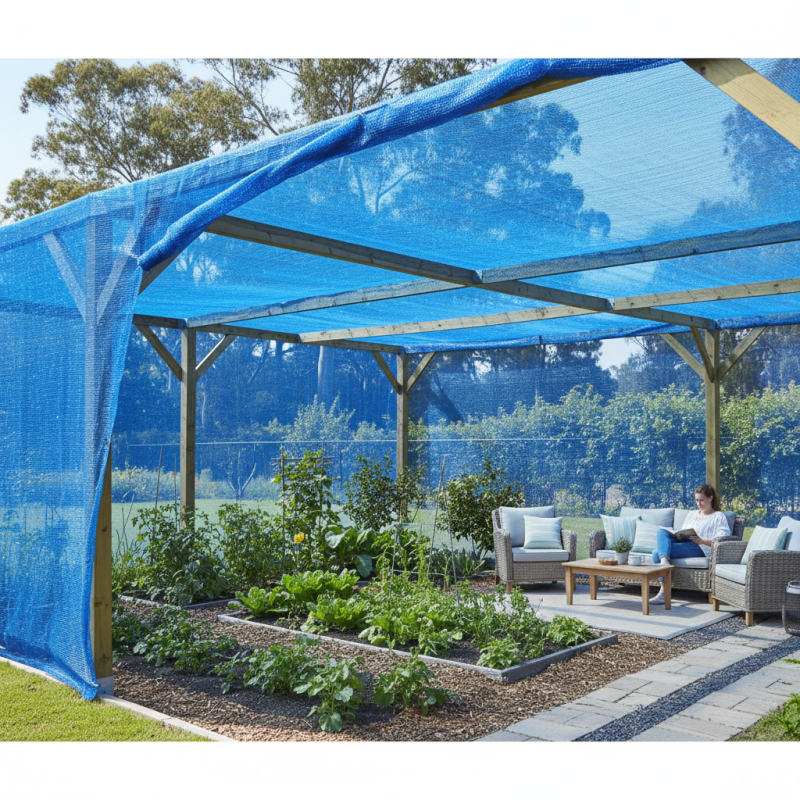
In addition to their agricultural uses, blue shade nets serve well in landscape design. Homeowners often employ them for patios or pool areas, creating comfortable retreat spaces. These nets block harmful UV rays while allowing gentle breezes to flow. They can transform a sun-soaked area into a cozy shade haven, enhancing outdoor living experiences.
When choosing a blue shade net, consider the level of shade required. Different densities and colors offer varying degrees of protection. The selection process can be daunting, especially with so many options available. It’s essential to assess the specific needs of your plants or outdoor spaces. Reflecting on your priorities will guide you to the best choice.
What is Blue Shade Net and How to Choose the Right One? - Common Applications of Blue Shade Net in Different Settings
| Application Area | Common Uses | Benefits | Choosing Considerations |
| Agriculture | Crop protection, shading for young plants | Reduces heat stress, prevents scalding | Consider UV rating, shade percentage, material durability |
| Construction | Site safety, dust control | Improves worker safety, reduces material loss | Check for tear strength, wind resistance |
| Horticulture | Greenhouses, garden covers | Enhances plant growth, controls temperature | Evaluate color, mesh size for ventilation |
| Shade Sails | Outdoor spaces, patios | Provides cool shade, adds aesthetic appeal | Consider UV protection, installation hardware |
| Aquaculture | Fish farms, algae growth control | Regulates water temperature, minimizes algal blooms | Check for water resistance, longevity |