How to Build a Prefab Container House on a Budget?
Building a Prefab Container House on a budget can seem daunting. However, experts like Michael Johnson, a leading architect in sustainable housing, offer valuable insights. He once said, "Affordable housing solutions should not compromise quality or design." His words resonate deeply in today's housing market.
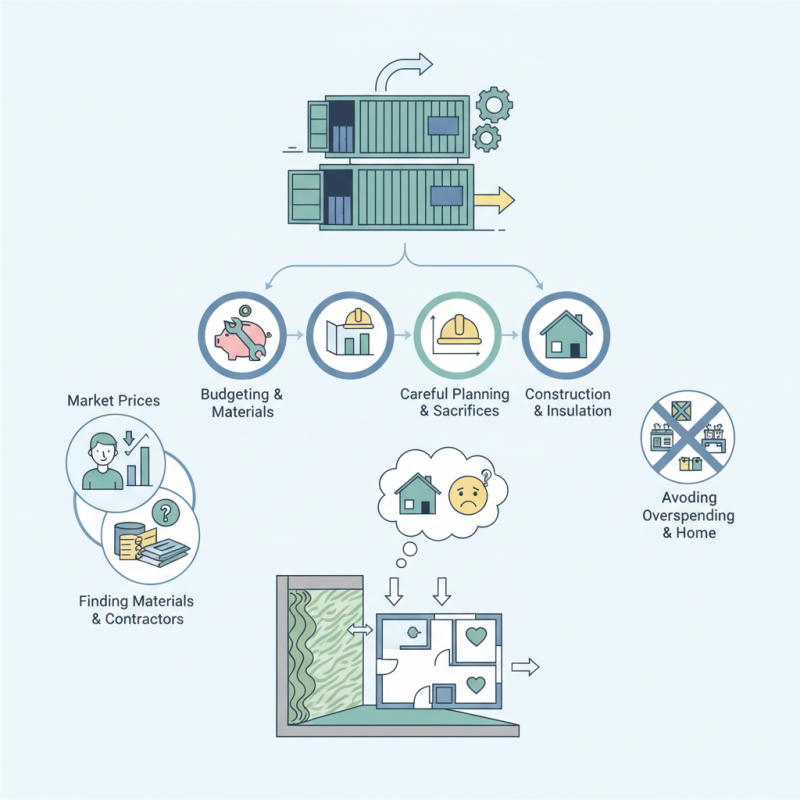
Prefab container houses present unique opportunities for those seeking a cost-effective living option. These structures are not only affordable but also provide flexibility and creativity in design. Imagine transforming a simple metal box into a stunning home. However, the journey can be riddled with challenges. Finding the right materials and contractors can be tough. Prices can fluctuate, making budgeting a headache.
Choosing a prefab container house means embracing both innovation and simplicity. It’s essential to focus on essential features, like insulation and layout, without overspending. Remember, navigating this path requires careful planning and sometimes sacrifices. Each decision can impact the final outcome, making it crucial to reflect on choices as you build your dream home.
Understanding Prefab Container Houses and Their Benefits
Prefab container houses are becoming popular for many reasons. They offer a cost-effective solution to housing needs. These homes are made from shipping containers. They are incredibly durable and can withstand harsh weather. Their modular design allows for various layouts and styles. Homeowners can customize them to fit their unique preferences.
One significant benefit is the speed of construction. Unlike traditional homes, container houses can be assembled quickly. This saves both time and money.
Energy efficiency is another advantage. Many container homes incorporate renewable energy sources, reducing utility costs. However, challenges exist. Proper insulation is crucial, as metal containers can trap heat.
There is also the issue of zoning regulations. Not every area permits container homes. Research is essential to ensure compliance. The aesthetic appeal can vary. Some people may find containers unattractive at first. But with creativity, they can be transformed into stunning living spaces. Embracing imperfections in design can lead to innovative solutions.
Evaluating Your Budget and Financial Planning for Construction
When building a prefab container house, budgeting is crucial. Analyze your finances carefully before starting. A recent report indicates that the average cost for a prefab home can range from $50 to $100 per square foot. This price varies based on location, design, and materials. It’s vital to set a real budget based on personal finances and stick to it.
Tips: Always include a buffer in your budget. Costs can rise unexpectedly. For instance, site preparation can add 10-20% to the initial estimate. Think about extras, like plumbing and electric systems. These can dramatically affect costs.
Keep in mind that not every choice saves money. Buying used containers may seem cheaper, but they often require significant repairs. Research thoroughly and consider the long-term implications of every decision. Sometimes, a smaller, well-designed space is better than a larger, poorly planned one. Keep an eye on quality to avoid future expenses.
How to Build a Prefab Container House on a Budget | Expense Category | Estimated Cost (USD) | Notes |
| Container Purchase | $2,000 - $5,000 | Cost varies based on container condition and size. |
| Site Preparation | $1,500 - $3,000 | Includes leveling and foundation work. |
| Insulation & Interior Finishing | $3,000 - $7,000 | Depends on materials used and square footage. |
| Utilities Installation | $1,000 - $3,000 | Electrical, plumbing, and HVAC costs. |
| Permits and Fees | $300 - $1,000 | Costs vary by location and local regulations. |
| Contingency Fund | $500 - $1,500 | For unexpected expenses during construction. |
| Total Estimated Cost | $8,300 - $20,000 | Overall budget based on the above categories. |
Choosing the Right Location and Site Preparation
Choosing the right location for a prefab container house is critical. Look for land that offers accessibility. Flat ground is preferable for ease of construction. Check local zoning laws before making a purchase. A good spot can save you time and money.
Tips: Consider proximity to utilities. You don’t want to be far from water or electricity.
Site preparation plays a key role too. Clear the area of debris, rocks, and vegetation. Leveling the site helps avoid future issues. Prepare for drainage to prevent flooding. Ignoring these steps might lead to problems later.
Tips: Using gravel can aid drainage. It’s cost-effective and efficient.
A well-prepared site ensures a stable foundation. Sometimes, unexpected challenges arise. Dealing with uneven terrain can be frustrating. Learn from mistakes during site preparation. They can lead to better planning in the future.
Selecting Cost-Effective Materials and Container Options
Selecting cost-effective materials and container options is crucial when building a prefab container house on a budget. According to a recent report by the Container Housing Association, the average cost of new shipping containers ranges from $3,000 to $6,000. However, opting for used containers can reduce costs by up to 30%. Ensure that any used containers are structurally sound. Inspect for rust, damage, or mold before purchase.
For materials, choosing local suppliers can save on shipping costs. Recycled materials, such as reclaimed wood for flooring, can enhance aesthetics and significantly lower expenses. Industry studies indicate that using recycled materials can cut costs by nearly 25%. Consider insulation options carefully too. Standard foam insulation may be cheaper initially but could lead to higher energy costs later. Instead, explore sustainable insulation materials like sheep's wool or recycled denim, which offer better long-term value.
Another aspect to ponder is the choice of layout. Minimalistic designs allow for less material use and simpler construction. This choice also reduces labor costs. A standard 20-foot container can comfortably fit a compact living space. Yet, careful planning is required to ensure functionality. Assessing the needs of the inhabitants helps in striking a balance between cost and comfort. Keep in mind that investing in thoughtful design can prevent expensive renovations down the line.
DIY Assembly vs. Hiring Professionals: Weighing the Costs
Building a prefab container house can be an exciting project. One of the biggest decisions involves DIY assembly versus hiring professionals. Each option has its costs and benefits, which can impact your budget significantly.
DIY assembly allows for a hands-on experience. You can save money on labor costs by doing the work yourself. However, it often requires a level of skill and knowledge that may not be present. Mistakes can lead to expensive corrections. There are tools and techniques you’ll need to master. While it might sound tempting to dive in headfirst, take time to research. Learn about the processes before making a commitment.
Hiring professionals can alleviate these concerns. They bring expertise and efficiency to the project. Yet, the cost of hiring skilled labor can add up quickly. It's crucial to weigh these expenses against your savings. Keep in mind that some aspects may require professional help, especially structural elements. This decision might save you time and potential headaches, ensuring your home meets safety standards.
Tip: Consider consulting a professional for critical structural decisions. This can help avoid mistakes.
Tip: Create a detailed budget before starting. Knowing where your money goes can lead to better decisions.
Remember, building a prefab container house is a journey. Reflect on the choices along the way to ensure it meets your vision.
Cost Comparison: DIY Assembly vs Hiring Professionals for Prefab Container House