Why Choose Export Slip Sheets for Your Shipping Needs?
In today’s global market, efficient shipping solutions are more crucial than ever. Businesses are increasingly turning to Export Slip Sheets for their shipping needs. These lightweight, versatile sheets offer a practical alternative to traditional pallets, reducing shipping costs and improving cargo density. This innovation has gained a reputation for efficiency and reliability.
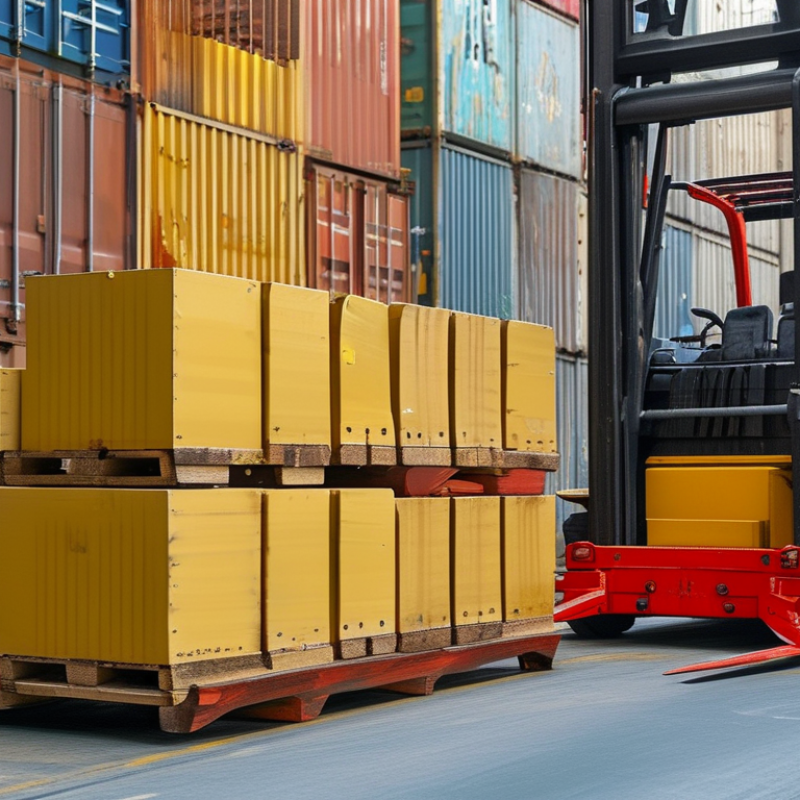
Export Slip Sheets are designed to be used with specialized forklifts. These tools allow for easy handling of goods in various shipping environments. They are great for industries like food, electronics, and pharmaceuticals. However, companies must ensure they comply with shipping regulations and standards. This is an important consideration as non-compliance can lead to costly delays.
While the advantages are clear, it is essential for businesses to reflect on their unique shipping needs. Not all shipments may benefit from Export Slip Sheets. Some heavier or bulkier items might require traditional pallets. Careful evaluation will ensure the best choices for shipping methods. The wrong decision can impact the supply chain negatively, highlighting the need for informed decision-making.
Benefits of Using Export Slip Sheets in Shipping Operations
Export slip sheets offer a game-changing solution for shipping operations. These thin, flat materials provide a sturdy base for pallets, allowing for efficient loading and unloading. A recent report from the International Journal of Logistics Management indicates that using slip sheets can reduce loading times by up to 30%. This efficiency is crucial in industries where time is money.
Switching to export slip sheets can also save significant space during transport. Traditional pallets occupy more space, making shipping less efficient. Slip sheets can be used with specialized handling equipment, which further streamlines operations. According to a study by Supply Chain 24/7, companies using slip sheets report a 20% increase in shipping capacity. However, this transition may require initial investments in new handling equipment, which could be a challenge for some businesses.
Another advantage lies in sustainability. Slip sheets are generally made from recyclable materials, reducing waste. This eco-friendly approach is gaining traction as companies focus on sustainable practices. Despite these benefits, businesses must consider their specific needs and current processes before making the switch. Some may find it difficult to adapt their logistics to accommodate slip sheets. Balancing these factors is essential for maximizing efficiency and sustainability.
Comparative Analysis: Slip Sheets vs. Traditional Pallets
Choosing the right materials for shipping can significantly impact efficiency and cost. Slip sheets have emerged as a viable alternative to traditional pallets. While pallets are sturdy, they are also bulky and can take up unnecessary space. Slip sheets are thinner and lighter, facilitating more efficient stacking. This can lead to reduced shipping costs and better use of warehouse space.
However, slip sheets require specific handling equipment. They are not universally adaptable to all storage systems. This can be a drawback for businesses with existing pallet-based setups. On the other hand, slip sheets optimize loading in trucks, maximizing the number of products shipped. This can result in fewer trips and lower transportation costs.
Pallets, while versatile, can be heavy and cumbersome. This makes them less ideal for certain types of shipping, especially when weight is a concern. Additionally, damages to pallets can be costly. Slip sheets offer a more durable option in some scenarios. Still, the transition requires careful planning and training for employees. Logistics must adapt to make the switch successful. The decision ultimately depends on specific shipping needs and operational capacities.
Why Choose Export Slip Sheets for Your Shipping Needs? - Comparative Analysis: Slip Sheets vs. Traditional Pallets
| Criteria | Slip Sheets | Traditional Pallets |
| Cost Efficiency | Lower production and shipping costs due to lighter weight. | Higher costs associated with materials and shipping weight. |
| Space Utilization | More efficient use of space in containers and warehouses. | Requires more space per item due to bulkiness. |
| Ease of Handling | Compatible with automated systems, easier to manage. | May require manual handling or specialized equipment. |
| Environmental Impact | Made from recyclable materials, less waste. | Wooden pallets can contribute to deforestation; not always recyclable. |
| Durability | Strong and resistant to moisture damage. | Can degrade over time, especially with exposure to moisture. |
Cost-Effectiveness of Export Slip Sheets for International Shipping
Export slip sheets have gained attention for their cost-effectiveness in international shipping. Traditional pallets can be expensive, bulky, and heavy, increasing overall shipping costs. Slip sheets, being thinner and lighter, offer a viable alternative. Research shows that using slip sheets can reduce shipping costs by up to 30%. This significant saving translates well for companies looking to optimize logistics.
Moreover, slip sheets allow for more efficient use of container space. They enable shippers to load more product in a single shipment. The efficiency can increase container utilization by around 40%. This not only saves money but also reduces the carbon footprint of shipping processes. Shipping fewer containers contributes to lower emissions, an increasingly important metric for sustainable business practices.
However, there are challenges. Not all products are suitable for slip sheet shipping. Fragile items might need extra protection that slip sheets do not provide. Companies must assess their product types before making a transition. Proper training on handling slip sheets is necessary, as improper use can lead to damage during loading and unloading. As the industry evolves, weighing the benefits and challenges will be crucial for decision-making.
Environmental Impact and Sustainability of Slip Sheets
Slip sheets are increasingly recognized for their eco-friendly attributes. They can replace traditional pallets in various shipping and storage applications. According to a 2021 industry report by the Association of Plastic Recyclers, using slip sheets can reduce material use by up to 75%. This reduction not only saves resources but also minimizes waste in landfills.
The production of slip sheets often involves recycled materials, enhancing their sustainability profile. An estimated 30% of all slip sheets are made from post-consumer recycled content. This practice supports a circular economy, where materials are reused rather than discarded. However, there are challenges; the slip sheet must meet specific industry standards to ensure effectiveness in shipping. Not every manufacturer adheres to these standards, which can raise concerns about reliability.
Environmental benefits are significant. Slip sheets considerably decrease the carbon footprint associated with shipping and packaging. They can also lead to lower transportation costs due to their lightweight nature. However, some industries still resist this change. Convincing all stakeholders to embrace slip sheets may take time and effort. The shift may be gradual as the industry weighs costs against environmental gains.
Best Practices for Implementing Slip Sheets in Warehousing
Implementing slip sheets in warehousing can significantly enhance efficiency. These lightweight alternatives to pallets streamline storage and transport processes. They are ideal for maximizing space in your facility. However, one must consider best practices for their successful integration.
Training staff is crucial when transitioning to slip sheets. Employees need to understand proper handling techniques. It is also important to ensure that all equipment is compatible. For instance, certain forklifts require specific attachments for slip sheets. Investing in the right tools prior to implementation can avoid disruptions.
Regularly reviewing processes helps identify areas for improvement. Monitor how slip sheets are used and adjust practices accordingly. Gathering feedback from team members can reveal potential challenges. This insight is invaluable. Remember, even small adjustments can lead to significant gains. By fostering a culture of reflection, you can continually enhance operational efficiency.





