Why Choose PT1000 RTD Sensor for Accurate Temperature Measurement?
In today's industrial landscape, accurate temperature measurement is crucial for operational efficiency and safety. The PT1000 RTD sensor stands out for its precision and reliability in various temperature measuring applications. According to a recent market analysis, the demand for advanced Temperature Sensors, including RTDs, is projected to grow at a CAGR of 5.3% by 2025. This growth highlights the importance of choosing the right sensor to meet industry standards.
The PT1000 RTD sensor offers distinct advantages over traditional thermocouples, particularly in terms of stability and accuracy. With a typical tolerance of ±0.1°C, it ensures minimal deviation in critical temperature readings. Such reliability is essential in industries like pharmaceuticals and food processing, where even slight temperature changes can compromise product quality. However, some organizations still grapple with selecting the most suitable sensor for their needs, leading to potential operational inefficiencies.
Considering the nuances involved in temperature measurement, investing in a PT1000 RTD sensor is not merely a choice, but a strategic decision. It embodies precision, promotes quality assurance, and upholds industry regulations. This underscores the necessity for businesses to reflect on their measurement tools and make informed decisions that can significantly impact their performance and compliance.
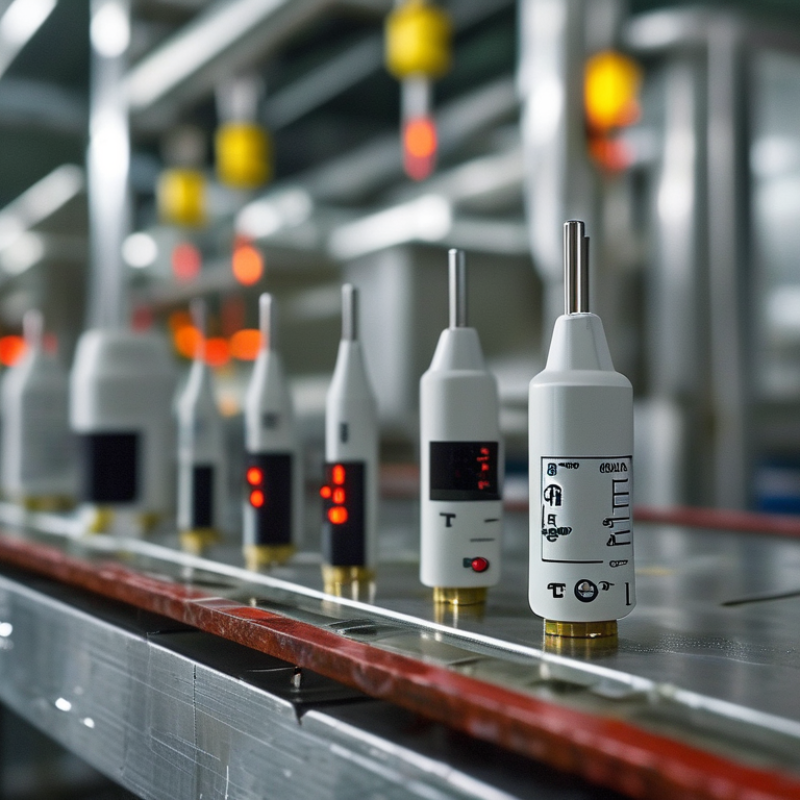
Understanding PT1000 RTD Sensors: An Overview of Their Functionality
PT1000 RTD sensors are renowned for their precision in temperature measurement. These sensors utilize platinum, a material known for its stable resistance change. This stability ensures accurate readings across a wide range of temperatures. For many applications, including industrial processes, food safety, and HVAC systems, having reliable temperature data is crucial.
The functionality of PT1000 sensors revolves around their resistance properties. At 0 degrees Celsius, the resistance is typically 1000 ohms. As the temperature rises, resistance increases predictably. This relationship allows for precise calculations using Ohm's law. However, it is essential to recognize that factors like installation environment and sensor wear can affect accuracy. Regular calibration is necessary to maintain performance.
The PT1000 sensor excels in environments where temperature fluctuations are common. It provides quick response times, making it ideal for dynamic systems. Users should consider integrating such sensors into their monitoring systems. The insights gained from accurate temperature data can lead to improved efficiency and enhanced safety measures. Despite their advantages, awareness of potential limitations aids in making informed decisions.
Key Advantages of PT1000 RTD Sensors in Temperature Measurement
PT1000 RTD sensors offer unique advantages in temperature measurement. Their resistance to temperature changes makes them reliable. This leads to accurate and stable readings. The PT1000’s response time is often better than traditional thermocouples. This means quick adjustments for various applications, from industrial to laboratory settings.
Another significant benefit is their wide temperature range. PT1000 sensors can operate effectively from -200°C to 850°C. This flexibility is crucial for environments with extreme temperatures. Their construction allows for long-term stability in measurements. However, conditions like moisture or rapid fluctuations can impact their performance. Regular calibration may be needed to ensure precision over time.
Durability is another essential aspect. PT1000 sensors can withstand harsh conditions. They resist corrosion and mechanical wear, making them suitable for diverse applications. Yet, they may require careful handling to avoid damage. Overall, these sensors are a robust choice for reliable temperature readings, provided users stay mindful of their limitations.
Why Choose PT1000 RTD Sensor for Accurate Temperature Measurement? - Key Advantages of PT1000 RTD Sensors in Temperature Measurement
| Feature | Description | Advantages |
| High Accuracy | PT1000 sensors offer high precision in temperature readings. | Suitable for applications requiring stringent temperature control. |
| Wide Temperature Range | Operational range typically from -200°C to +850°C. | Versatile for various industrial applications. |
| Linearity | Excellent linear response across temperature range. | Simplifies calibration and enhances measurement consistency. |
| Stability | Long-term performance remains consistent over time. | Reduces maintenance and recalibration intervals. |
| Resistance Changes | Resistance changes by 100 ohms at 0°C. | Allows for easy conversion to temperature measurements. |
| Durability | Made from robust materials for hostile environments. | Ideal for industrial settings where sensors may be subjected to wear. |
| Easy Integration | Compatible with standard measuring equipment. | Facilitates seamless implementation into existing systems. |
How PT1000 RTD Sensors Ensure Accuracy and Reliability in Readings
PT1000 RTD sensors are a top choice for precise temperature measurement. They utilize a platinum resistance element, offering high stability and accuracy. One major advantage is their wide temperature range, from -200 to 850 degrees Celsius. This makes them versatile for various applications. Their resistance changes predictably with temperature, ensuring reliable readings.
These sensors also exhibit excellent linearity. This means the output can be directly correlated to temperature without complex calculations. The materials used in PT1000 sensors are resilient, providing longevity in harsh conditions. This reliability minimizes the risk of measurement errors, which is crucial in critical processes.
When selecting a PT1000 RTD sensor, consider the environment. Harsh conditions can affect sensor performance. Insulation is key for maintaining accuracy. Also, ensure proper calibration. Regular checks can detect any drift in measurements. Investing time in maintenance helps sustain reliability.
Applications of PT1000 RTD Sensors Across Various Industries
PT1000 RTD sensors are widely used in various industries for precise temperature measurement. Their robustness and accuracy make them suitable for critical applications. In the food industry, they ensure that products are stored and cooked at safe temperatures. This prevents spoilage and maintains quality. In pharmaceuticals, PT1000 sensors monitor temperature during storage and transport, ensuring compliance with strict regulations.
The industrial sector employs PT1000 sensors for monitoring processes. In manufacturing, they help maintain optimal temperatures in machinery, reducing the risk of overheating. This can minimize downtime and repair costs. In laboratories, these sensors assist in experiments that require precise temperature control, allowing for reproducible results.
While PT1000 sensors are reliable, challenges exist. Environmental conditions can affect their readings. Calibration is essential to maintain accuracy. Users must regularly check the sensors to ensure proper function. Regular maintenance is crucial to avoid unexpected failures.
Comparison of PT1000 RTD Sensors with Other Temperature Sensors
PT1000 RTD sensors are renowned for their accuracy in temperature measurement. Unlike thermocouples or thermistors, PT1000 sensors provide stable readings over a wide range. Their resistance changes proportionally with temperature, which enhances precision. They are particularly effective in industrial settings, where exact temperatures are vital.
Comparing PT1000 to other sensors reveals significant advantages. Thermocouples can drift, causing inaccuracies. Thermistors may not perform well under high temperatures. In contrast, PT1000 sensors maintain consistency. Additionally, they offer excellent repeatability. This makes them ideal for critical applications, like food processing or pharmaceuticals.
However, there are limitations to consider. PT1000 sensors can be costlier than alternatives. Their response time may be slower, depending on the application. Users need to weigh these factors against their specific needs. Adopting PT1000 may require adjustments, but many find the accuracy justifies the effort.