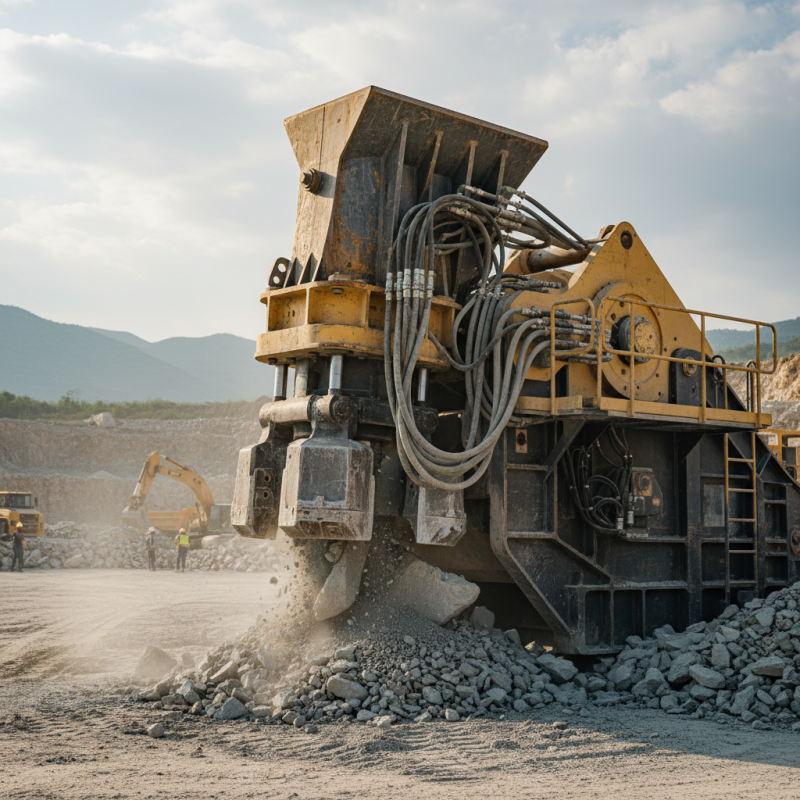
How to Choose the Best Hydraulic Crusher for Your Needs?
Choosing the right Hydraulic Crusher is crucial for optimizing construction projects. According to a report by MarketsandMarkets, the global hydraulic equipment market is projected to reach $52 billion by 2025. This growth is driven by increased demand for efficient material handling in various industries.
When selecting a Hydraulic Crusher, consider factors like size, power, and material compatibility. A well-chosen Hydraulic Crusher can improve productivity significantly. In contrast, a poor choice might lead to increased downtime and maintenance costs. In fact, many operators report that inadequate equipment can result in a 30% drop in efficiency.
In-depth research is essential. An analysis of industry-specific needs can help avoid common pitfalls. Keep in mind that even top models may have limitations based on specific tasks. It's necessary to reflect on these details before making a purchase.
Understanding the Different Types of Hydraulic Crushers Available
When selecting a hydraulic crusher, understanding the various types available is crucial. Generally, these can be categorized into fixed and mobile options. Fixed hydraulic crushers are ideal for stationary applications, providing stability and power for demolition tasks. On the other hand, mobile crushers are versatile and can adapt to different job sites. They offer the advantage of being transported easily, making them suitable for contractors on the go.
Consider the type of materials you'll be processing. Some crushers excel in breaking down concrete, while others are better suited for softer materials. It’s also essential to evaluate the size and capacity of the crusher. A larger model might be tempting, but it could lead to unnecessary costs if it exceeds your needs. Think about your usual work environment. Will you be maneuvering in tight spaces or open areas?
Tip: Always match the crusher's capacity to your project's scale. Don’t underestimate or overestimate your needs. Another tip involves checking for advanced features like automatic shut-off to enhance safety. Balancing power, size, and features leads to a well-informed choice. Remember, the right hydraulic crusher can significantly improve efficiency and productivity.
Comparison of Different Types of Hydraulic Crushers
Assessing Your Specific Crushing Requirements and Applications
When selecting a hydraulic crusher, it's crucial to understand your specific crushing requirements. Different projects call for varying capabilities. Consider the types of materials you will be crushing. Are they hard or soft? How thick are they? This will influence the power and design of the crusher you need.
Next, think about the volume of material you plan to process. High-volume applications demand robust machinery that can operate efficiently without compromising performance. It’s also essential to assess the physical space where the crusher will be placed. A larger unit may be less versatile in a compact area, limiting your operations.
Reflect on your long-term needs. Will your project scale up in the future? Investing in a crusher that can adapt to changing demands is wise. This may mean prioritizing features like adjustable settings or interchangeable parts. Always keep in mind that the right hydraulic crusher should align with your specific operational goals and operational environment. Choosing poorly can lead to frustration and inefficiency, so take your time to evaluate each option carefully.
How to Choose the Best Hydraulic Crusher for Your Needs?
| Parameter | Description | Importance | Recommended Range |
| Crushing Capacity | The amount of material the crusher can process. | High | 50-100 tons/hour |
| Operating Pressure | The hydraulic pressure required for optimal performance. | High | 200-500 bar |
| Weight | Total weight of the hydraulic crusher. | Medium | 1-3 tons |
| Size of Feed Material | Maximum size of material that can be fed into the crusher. | High | 300-600 mm |
| Maintenance Requirements | Frequency and complexity of maintenance tasks. | Medium | Monthly checks, quarterly service |
| Power Source | Type of power required to operate the hydraulic system. | High | Electric or Diesel |
Key Features to Consider When Selecting a Hydraulic Crusher
When selecting a hydraulic crusher, assess the key features that cater to your specific needs. The crushing force is crucial. Higher force translates to better efficiency in demolishing heavy materials. Examine the weight of the machine as well. Lighter units are easier to maneuver. However, heavier models often provide more stability and power. This balance is essential in your decision-making process.
Pay attention to the hydraulic system. A reliable, high-performance hydraulic system ensures consistent operation. Look for features like adjustable pressure. This will allow you to customize the force according to the material type. Efficiency is another critical factor. A well-designed hydraulic crusher can save you time and energy. Such machines often have streamlined operations, enhancing productivity.
Don't forget about the maintenance aspect. Frequent service can impact overall productivity. Choose a design that is easy to service. Some machines may promise durability but require more upkeep than anticipated. Reflect on your operational environment. Will the machine withstand the conditions? Balancing these factors helps ensure you choose the best hydraulic crusher for your needs.
Evaluating Manufacturer Reputation and Customer Reviews
When selecting a hydraulic crusher, assessing the manufacturer's reputation and customer reviews is crucial. A strong reputation reflects reliability and quality. Look for brands recognized for their innovation and durability. Customer feedback provides insights into real-world performance. This feedback often highlights both strengths and weaknesses, offering a balanced perspective.
Tip: Explore online forums and discussion groups dedicated to hydraulic equipment. Engaging with current users can reveal common issues they face. It’s wise to consider both positive and negative reviews. This helps establish realistic expectations.
Not all products will meet every need. Some users may find a machine challenging to operate. Pay attention to complaints regarding service support. A responsive manufacturer can make a significant difference. Always evaluate how well they handle issues post-purchase. This aspect often speaks louder than marketing claims.
Budget Considerations: Cost vs. Performance in Hydraulic Crushers
When considering a hydraulic crusher, budget is a crucial factor. The price range varies significantly, from $10,000 to over $100,000. However, a higher cost does not always guarantee better performance. According to a recent industry report, performance metrics often reflect in energy consumption and processing speed. Mid-range options frequently offer adequate power without breaking the bank.
For instance, a study shows that crushers between $30,000 to $60,000 tend to balance efficiency and price effectively. In contrast, lower-priced models may sacrifice durability, leading to higher long-term costs. Many businesses overlook maintenance costs when comparing options; regular upkeep can add up considerably over time.
Moreover, the specifics of your operation matter. For smaller projects, a less powerful yet affordable model may suffice. Larger operations might require higher capacity. Failing to assess actual needs could lead to overspending or underperformance. It's crucial to evaluate both operational needs and long-term investments while calculating costs. Don’t rush; the right choice should reflect balance between budget and capability.