How to Choose the Best Split Cylindrical Roller Bearing?
Selecting the right Split Cylindrical Roller Bearing is crucial for machinery performance. Industry reports indicate that up to 30% of maintenance costs can be tied to bearing failures. A well-chosen bearing reduces downtime and enhances efficiency.
John Anderson, a leading expert in the bearing industry, emphasizes, “The choice of a Split Cylindrical Roller Bearing can make or break operational reliability.” This highlights the importance of selecting the right bearing for specific applications.
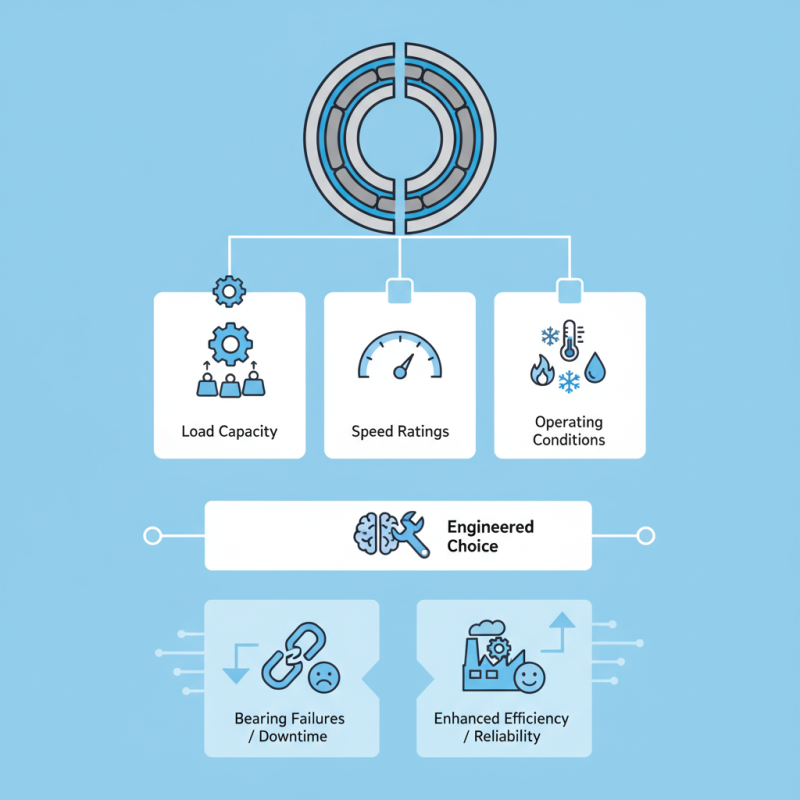
Moreover, not all bearings are created equal. Factors such as load capacity, speed ratings, and operating conditions must be analyzed. Understanding these parameters ensures optimal performance. However, many engineers still struggle with this aspect. There’s a notable gap between available options and expertly-informed choices. This decision-making process can seem overwhelming, yet it is essential for long-term success in any mechanical system.
Understanding Split Cylindrical Roller Bearings and Their Applications
Split cylindrical roller bearings are crucial in various industrial applications. These bearings are designed to support heavy loads and accommodate shaft misalignment. They are often used in construction machinery, mining, and energy sectors, where reliability is paramount.
When selecting a split cylindrical roller bearing, consider the intended application. Not all bearings fit every machinery type. Engineered designs reduce wear and extend lifespan. Pay attention to load ratings and speed capabilities.
Tips:
Assess the operating conditions. Temperature, vibration, and load types can affect performance. Regular maintenance checks can identify wear early.
Additionally, think about installation ease. Some models enable quick assembly and disassembly. This feature saves time during repairs. However, it’s important not to rush the process. Proper installation prevents future issues.
Tips:
Follow manufacturer guidelines closely. Misalignment can lead to premature failure. Balancing efficiency and durability is key.
Key Factors to Consider When Selecting Split Cylindrical Roller Bearings
Selecting the right split cylindrical roller bearing is crucial for optimal performance. Key factors include load capacity, operating conditions, and precision requirements. Load capacity defines the bearing’s ability to support forces. High-capacity bearings accommodate heavy machinery. For instance, a report from the International Journal of Engineering highlights that improper load selection can reduce bearing lifespan significantly.
Another vital consideration is operating conditions. Temperature, speed, and environment directly influence bearing performance. High temperatures can degrade materials, while contaminants may induce wear. The Machinery Lubrication Magazine notes that 60% of bearing failures stem from poor operating conditions. So, understanding how these factors interact is essential.
Precision requirements are often overlooked. A bearing must align correctly to perform efficiently. Misalignment can lead to premature failure. It’s essential to evaluate tolerance levels and work with industry standards. While it’s tempting to overlook these nuances, doing so may lead to costly downtimes. A comprehensive assessment allows for a more informed choice, ultimately enhancing equipment reliability.
Material Selection: Choosing the Right Material for Durability
When selecting split cylindrical roller bearings, material choice is crucial for durability. Commonly used materials include high-carbon chromium steel and corrosion-resistant alloys. These materials provide great tensile strength and fatigue resistance. According to a 2022 report by the International Bearing Research Group, over 65% of bearing failures are due to material fatigue. Therefore, making an informed choice is essential for industrial applications.
Corrosion resistance is another important factor. In environments with moisture or chemicals, using stainless steel or specialized coatings can significantly extend the life of bearings. Studies show that bearings made from these materials can last up to 50% longer in harsh conditions. However, this often comes at a higher cost, creating a dilemma for manufacturers. Weighing cost against potential long-term savings requires careful consideration.
While high-quality materials are available, they might not always meet specific needs. Some bearings face challenges with wear rates or thermal performance. Even the best materials can degrade under extreme stress. Testing and simulation are often necessary to optimize bearing design. Ultimately, each application might demand a unique material combination. Knowing when to compromise on material properties can lead to better performance in real-world scenarios.
How to Choose the Best Split Cylindrical Roller Bearing? - Material Selection: Choosing the Right Material for Durability
| Material Type | Tensile Strength (MPa) | Hardness (HRC) | Corrosion Resistance | Temperature Range (°C) |
| High Carbon Steel | 1000 | 58-62 | Moderate | -40 to 300 |
| Stainless Steel | 750 | 30-45 | Excellent | -200 to 700 |
| Bronze Alloy | 500 | 40-50 | Good | -100 to 300 |
| Polymer Composite | 400 | N/A | Very Good | -50 to 100 |
Load Ratings and Performance Specifications for Optimal Use
Choosing the right split cylindrical roller bearing is crucial for equipment efficiency. Load ratings play a significant role in this decision. These ratings indicate how much weight a bearing can handle under various conditions. It's vital to match these ratings with the actual load demands of your application. Overloading can lead to premature failure, which is costly and disruptive.
Performance specifications further refine your selection process. These parameters include speed limits, temperature tolerances, and lubrication requirements. Each application has unique needs. For example, a high-speed application may require bearings with specific heat management features. Ignoring these details can result in inadequate performance.
Conducting a thorough analysis is essential. Assess operating conditions carefully to avoid mismatches. For example, a bearing that works well in stable environments might underperform in dynamic situations. It’s important to consider not just the specifications, but also real-world operating experiences. This reflective approach can guide you to making the best choices.
Installation and Maintenance Tips for Split Cylindrical Roller Bearings
When installing split cylindrical roller bearings, alignment is crucial. Improper alignment can lead to premature wear. Ensure all components are correctly positioned before tightening the bolts. Use a dial indicator to check alignment. It’s a straightforward method that avoids costly mistakes.
Regular maintenance is vital for longevity. Inspect the bearings for wear signs like discoloration or pitting. Grease the bearings according to the manufacturer's specifications. However, too much grease can cause overheating. Monitoring temperature can help. If it rises unexpectedly, it may indicate an underlying issue.
Record any maintenance activities. Keeping a log helps track the bearing's performance over time. It provides valuable insights into when replacements are necessary. Learning from past maintenance can improve future practices. Remember, regular checks and a proactive approach can save time and money in the long run.