How to Choose Collapsible Pallet Sleeve Containers for Shipping?
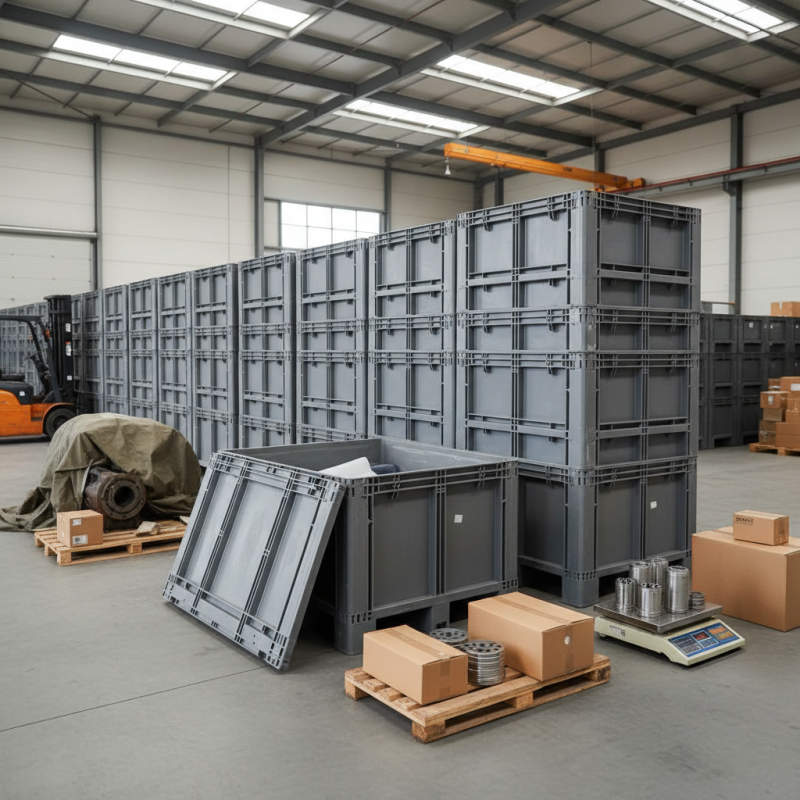
Choosing the right shipping solution is crucial for businesses. One effective option is the Collapsible Pallet Sleeve Container. This container type provides flexible storage and efficient transportation. Many companies overlook the benefits it offers, focusing instead on traditional packaging.
There are key factors to consider when selecting a Collapsible Pallet Sleeve Container. Understanding your product dimensions and weight is essential. You want a container that fits your goods snugly to avoid damage. Additionally, consider the material and durability. You don't want to invest in a container that will tear easily.
Also, reflect on your supply chain needs. A container's ability to fold flat can save space when not in use. However, it should also be sturdy enough for repeated shipping cycles. Balancing these needs may require some trial and error, but it is worth the effort.
Understanding the Basics of Collapsible Pallet Sleeve Containers
Collapsible pallet sleeve containers are essential for efficient shipping. These containers can reduce shipping costs by maximizing space. Understanding their basics is crucial for making informed decisions. They consist of sturdy frames and flexible sleeves that help stack products securely. This design allows for easy assembly and disassembly, saving time during loading and unloading.
When selecting these containers, consider material strength. Most are made from durable plastic or cardboard. Each material has its advantages and disadvantages. Plastic is often water-resistant and reusable, while cardboard is eco-friendly but less durable. Evaluate your shipping needs and product types carefully.
The size of the pallet sleeve is another critical factor. Choose dimensions that fit your products well. Sleeves should not be too tight to avoid damage. They also should not be too loose to prevent shifting during transport. Reflect on your storage capabilities as well. If space is limited, collapsible options offer great versatility.
Key Factors to Consider When Choosing Pallet Sleeve Containers
When selecting collapsible pallet sleeve containers for shipping, several key factors should guide your decision. Material choice is crucial. Many businesses prefer high-density polyethylene (HDPE) due to its durability and resistance to temperature changes. Reports show that HDPE containers can withstand impacts better than alternative materials, ensuring goods remain secure during transit. Additionally, they are lightweight, reducing shipping costs.
Next, consider the container's size and capacity. The right dimensions can significantly affect storage efficiency. A study by Logistics Management indicated that better-fitting containers can enhance space utilization by up to 30%. Such optimization not only reduces freight expenses but also improves warehouse organization. Be mindful of the load weight; choosing containers with appropriate rated capacity prevents the risk of structural failures.
Another aspect involves ease of handling. Features like foldability and stacking capability can streamline operations. Users often overlook this factor, leading to inefficiencies. Reports highlight that companies using more ergonomic designs can reduce handling injuries by 20%. Therefore, assessing both functionality and user safety is vital in making an informed choice.
Key Considerations for Choosing Collapsible Pallet Sleeve Containers
This chart illustrates the key factors to consider when selecting collapsible pallet sleeve containers for shipping, rated on a scale of 1 to 5 in terms of their importance. Material quality is deemed the most critical factor, followed by size variability and weight capacity.
Evaluating Material Options for Durability and Strength
When selecting collapsible pallet sleeve containers, material choice significantly impacts durability and strength. Research indicates that container longevity often correlates with the material's resistance to wear and tear. For instance, high-density polyethylene (HDPE) is known for its robust nature, while also being lightweight. According to industry data, HDPE can withstand temperatures ranging from -40°F to 120°F. This adaptability makes it a prime choice for various shipping conditions.
In terms of strength, the design of these containers can enhance their performance. Containers designed with reinforced corners and double-walled sides demonstrate better resistance to compression. A report from the Container and Pallet Association notes that properly engineered configurations can support up to 2,000 pounds. However, not all manufacturers meet these standards consistently, leading to variations in performance under stress.
It's essential to consider not only the shipping needs but also the lifecycle of the material. While some materials offer excellent durability, they may not be the most sustainable option. Balancing sustainability and strength should be a key consideration. For instance, while recycled materials can provide adequate strength, their long-term durability might be questionable. This complexity in material choice highlights the importance of informed decision-making when selecting packaging solutions for shipping.
Sizing and Capacity: Finding the Right Fit for Your Shipping Needs
When selecting collapsible pallet sleeve containers for shipping, sizing and capacity are critical factors. Proper sizing ensures maximum efficiency and cost-effectiveness. Studies show that improper sizing can lead to up to a 30% increase in shipping costs. Ensuring that your pallet sleeves fit snugly around your products reduces wasted space and minimizes movement during transport.
Consider your products' dimensions and weight. For example, if shipping automotive parts, you need containers that can handle heavy loads without compromising stability. Optimized designs can enhance load capacity. According to industry reports, a well-chosen container can support loads up to 2,500 pounds when properly utilized.
Not all pallet sleeves are equal. Some wear out faster under heavy loads. Reflect on the material and design before making a choice. You may need to balance the cost with durability. Inadequate consideration can lead to unexpected damage or loss. It’s essential to review your shipping needs regularly, as they often evolve. Choosing the right size today can save costs and time tomorrow.
How to Choose Collapsible Pallet Sleeve Containers for Shipping?
| Container Size (L x W x H) | Volume Capacity (Cubic Feet) | Weight Capacity (lbs) | Material | Stackable? |
| 48" x 40" x 34" | 40 | 1500 | Plastic | Yes |
| 48" x 40" x 28" | 36 | 1200 | Metal | Yes |
| 48" x 40" x 36" | 45 | 1600 | Wood | Yes |
| 48" x 40" x 30" | 38 | 1400 | Plastic | Yes |
| 48" x 40" x 32" | 40 | 1500 | Composite | Yes |
Cost vs. Benefits: Making an Informed Decision on Pallet Sleeves
When considering collapsible pallet sleeve containers for shipping, cost and benefits play a crucial role. Research indicates that companies can save up to 30% on storage and transportation costs by using these containers. Their design allows for efficient stacking and easy handling, minimizing wasted space during transit and storage. This optimization can significantly enhance a company's bottom line, making these containers an appealing option.
However, the initial investment can be daunting. Many businesses hesitate due to the upfront costs compared to traditional pallets. It's important to analyze the long-term savings against this initial expenditure. A report from the Supply Chain Institute noted that while the purchase price of pallet sleeves may exceed traditional options, the return on investment often manifests within a year through reduced shipping costs and improved handling efficiency.
Additionally, alongside financial advantages, sustainability is also a key consideration. Using durable pallet sleeves reduces the need for packaging materials, aligning with eco-friendly practices. Nevertheless, companies should evaluate their specific needs and shipment frequency to make the best choice. Finding the right balance between cost and benefits requires careful analysis and reflection on operational needs.