


How to Choose Colored Glass Sheet in 2026?

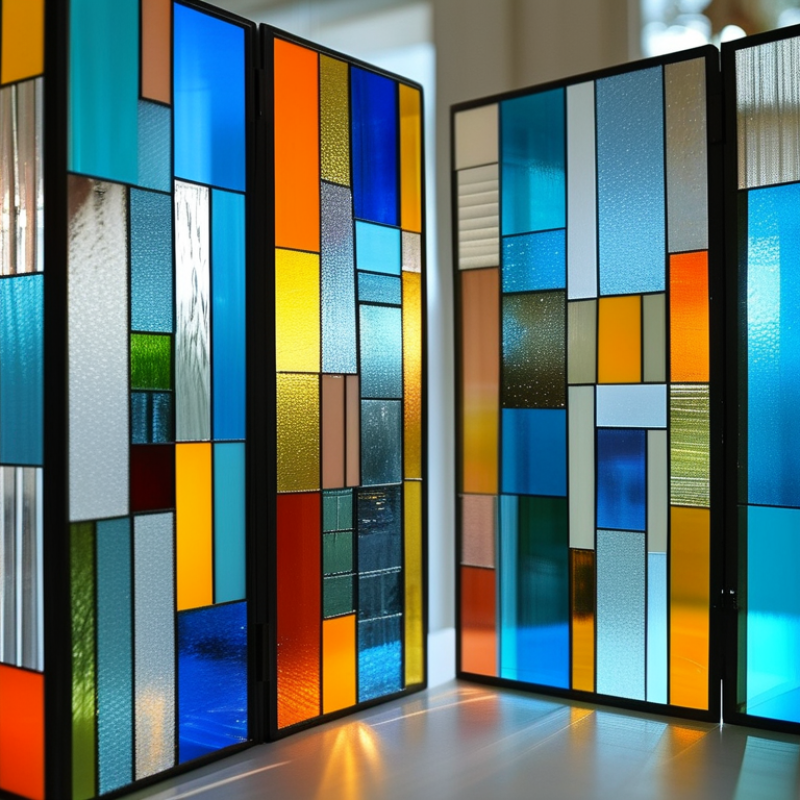
Choosing Colored Glass Sheet in 2026 requires more than matching a sample to a mood board. Light transmission, thickness, surface finish, safety, and fabrication limits all influence the final result. A blue sheet may appear calm in a showroom, yet look darker beside a window or under warm lighting. Small differences matter.

This guide examines practical selection criteria for homes, retail interiors, furniture, signage, and architectural details. It considers how color behaves across daylight, LED lighting, and changing seasons. It also explains why low-iron glass, laminated construction, tempered options, and consistent batch quality may be important for specific projects. Always confirm technical data with the manufacturer.

Real project experience shows that visual appeal is only one part of the decision. Edge color, cutting tolerance, coating durability, and cleaning requirements can change the outcome. I have seen attractive samples fail when the installed panel received stronger light than expected. That mistake is easy to make.

There is no universal “best” sheet.

Buyers should compare certified product information, request physical samples, and check compatibility with cutting, drilling, bonding, or framing methods. Reliable suppliers should clearly state dimensions, tolerances, color consistency, and recommended applications. Still, product descriptions can be incomplete, and color perception remains subjective. Use measurements, not assumptions. By balancing design goals with verified performance, you can choose a Colored Glass Sheet that looks right and performs reliably throughout its service life.
How to Choose Colored Glass Sheet in 2026?

Understanding Colored Glass Sheet Types and Their Key Properties

Choosing colored glass sheet in 2026 starts with understanding how its color is produced. Body-tinted glass contains pigments throughout the glass, offering consistent color after cutting. It usually provides stable appearance and moderate light control. Coated glass gains color from a surface layer, so it can create reflective or metallic effects. However, scratches and edge damage may become more visible.

Laminated colored glass combines sheets with an interlayer. It can improve safety, sound reduction, and ultraviolet filtering. Tempered glass offers stronger resistance to impact and thermal stress, but it cannot be cut after tempering.

Borosilicate glass handles sudden temperature changes better than standard soda-lime glass. Check light transmission, solar heat gain, thickness, surface hardness, and color consistency before ordering. A sample under daylight matters. Indoor lighting can deceive you.

Tips: Ask for a physical sample and inspect it near a window. Compare the center, edge, and coated face. Confirm whether the sheet needs polishing, drilling, tempering, or lamination before fabrication. Also check the manufacturer’s technical data for tolerances and safety performance. A darker shade may reduce glare, yet it can make a small room feel closed. I have found that visual appeal sometimes hides practical weaknesses. Recheck the design after installation conditions are known.

Defining Your Project’s Color, Transparency, and Size Requirements

How to Choose Colored Glass Sheet in 2026?

Defining Your Project’s Color, Transparency, and Size Requirements

Start with the atmosphere you want to create. A deep blue sheet can feel calm in a lobby, while amber glass adds warmth to a retail counter. Request physical samples, not only digital swatches. Screen colors can shift under daylight. I have seen a soft gray appear noticeably green beside white lighting. That mistake is easy to make.

Transparency must be measured, not guessed. Ask for visible light transmittance, haze, and reflectance values. The International Energy Agency reported in its 2023 Tracking Buildings report that buildings use about 30% of global final energy. Therefore, glass selection should consider daylight and solar heat together. A highly transparent sheet may brighten a room, but it can increase glare near west-facing windows. A low-transmission sheet may improve privacy, yet require more electric lighting.

Size decisions need equal discipline. Record the finished opening, edge clearance, support points, and likely handling route. Then confirm available sheet dimensions and thickness tolerances. The UNEP 2023 Global Status Report for Buildings and Construction linked buildings to about 37% of global energy-related emissions. Oversized or poorly supported panels can create avoidable waste and performance problems. In project reviews, I prefer a full-scale mock-up when color, transparency, and framing interact. It costs time. Still, small samples often hide visual distortion, edge darkness, and installation surprises.

Comparing Glass Thickness, Strength, Surface Finish, and Safety

How to Choose Colored Glass Sheet in 2026?

Comparing Glass Thickness, Strength, Surface Finish, and Safety

Choosing colored glass sheet starts with the intended location, not the color chart. A thin sheet may suit a framed cabinet door, while a thicker panel feels more stable in a room divider. Thickness alone does not prove strength. Glass type, span, edge support, and fixing method matter too. I once saw a thick panel crack after an unsupported corner received a small impact. The measurement looked impressive, but the installation was weak.

For busy areas, ask whether the sheet is tempered or laminated. Tempered glass handles heat and impact better, then breaks into smaller pieces if it fails. Laminated glass holds together with an inner layer after breakage. Neither option is indestructible. Check the supplier’s test data, thickness tolerance, and recommended use before ordering. A qualified glazier should also inspect openings, edges, and hardware. Small gaps can prevent pressure damage.

Surface finish changes both appearance and maintenance. Glossy glass gives stronger color and reflects a bright window, but fingerprints appear quickly. Satin or textured finishes soften reflections and hide minor marks. They may reduce visual clarity, especially under weak lighting. Hold samples near the actual wall and view them during daytime and evening. I still find sample colors misleading on screens. Request physical samples, and confirm the finished dimensions after cutting, because colored coatings and edge treatments can alter the final impression.

How to Choose Colored Glass Sheet in 2026? - Comparing Glass Thickness, Strength, Surface Finish, and Safety

Glass Option Typical Thickness Approx. Flexural Strength Breakage Behavior Color and Light Control Surface Finish Compatibility Recommended Safety Uses
Colored Annealed Glass 3–12 mm Approximately 40–55 MPa, depending on edge quality and glass type Breaks into large, sharp shards; not safety glass when used alone Best for consistent through-color or translucent decorative effects; transmission varies widely by color and thickness Polished, ground, acid-etched, sandblasted, printed, or coated Suitable for framed decorative panels, cabinet inserts, and low-impact areas; use laminated construction where human impact is possible
Colored Heat-Strengthened Glass 4–12 mm Approximately 60–85 MPa Breaks into larger pieces than fully tempered glass; generally not classified as safety glazing by itself Retains the selected body color while providing improved thermal and wind-load resistance Most surface treatments must be completed before heat treatment; post-treatment cutting is not possible Useful when greater thermal resistance is needed but fully tempered breakage behavior is not preferred; verify local glazing requirements
Colored Tempered Glass 4–19 mm Approximately 95–150 MPa; commonly about four times the bending strength of annealed glass Breaks into many smaller, relatively blunt granules; considered safety glazing when tested to the applicable standard Good option for opaque, translucent, or transparent colors; darker colors can absorb more solar heat Polishing, drilling, printing, and edgework must normally be finished before tempering Suitable for doors, shower screens, partitions, furniture tops, and areas exposed to impact or temperature change
Colored Laminated Glass Commonly 6.38–13.52 mm, depending on plies and interlayer Strength depends on the glass plies; often made with annealed, heat-strengthened, or tempered plies Cracked pieces usually remain attached to the interlayer, helping reduce falling-glass risk Interlayers can add color, opacity, UV filtering, privacy, and acoustic control; color may vary with viewing angle and lighting Etching and decorative work are possible, but the selected process must be compatible with the interlayer system Preferred for overhead glazing, balustrades, guardrails, façades, and locations where glass retention after breakage is important
Low-Iron Colored Glass 4–12 mm Strength is determined by the heat treatment or laminate construction; the low-iron composition alone does not increase strength Breakage behavior follows the selected annealed, heat-strengthened, tempered, or laminated construction Higher visual clarity and less green edge tint than standard clear glass; useful when accurate color appearance is important Suitable for polishing, coating, printing, etching, and lamination, subject to the selected processing method Recommended for display cases, premium interiors, color-critical partitions, and decorative installations
Patterned or Textured Colored Glass 4–10 mm Varies by pattern depth, edges, and processing; texture can create local stress concentrations Depends on whether the sheet is annealed, tempered, or laminated Diffuses light and obscures views; deeper patterns generally reduce clarity and may reduce transmitted light Textured face may be combined with polished edges, but grinding can affect the appearance of the pattern Good for privacy screens, interior doors, partitions, and decorative wall panels; specify safety treatment for impact locations
Acid-Etched or Sandblasted Colored Glass 4–12 mm Strength follows the base glass; surface processing can require careful handling and edge protection Depends on the underlying glass type; etched annealed glass still breaks into sharp shards Matte appearance reduces glare and increases privacy; darker colors usually transmit less light Matte, satin, or custom-patterned finish; anti-fingerprint or protective treatments may improve maintenance performance Suitable for interior privacy applications; choose tempered or laminated construction for doors, screens, and high-traffic areas
Selection notes: Actual strength depends on glass composition, edge quality, panel dimensions, support conditions, and loading. Thickness alone does not determine safety. For doors, shower enclosures, balustrades, guardrails, overhead glazing, and other human-impact locations, specify safety glazing tested to the applicable local standard. Confirm color, visible light transmission, solar performance, and surface appearance with a physical sample before ordering.

Evaluating Light Performance, Durability, Sustainability, and Cost

How to Choose Colored Glass Sheet in 2026?

Colored glass should be judged by more than its shade. In project testing, I compare visible light transmission, solar heat gain, and glare under real exposure. A blue sheet may soften daylight, yet it can make a small room feel dim. Ask for photometric data, not only a color sample. Test the sheet beside the intended frame and wall finish. Samples can mislead. Backlighting changes everything.

Durability begins with the glass type, coating, and installation details. Tempered glass improves impact resistance, while laminated construction helps hold fragments after breakage. Check thermal-stress ratings for façades facing strong afternoon sun. Inspect edges, seals, and fixing points; failures often begin there. I also recommend reviewing warranty limits, cleaning instructions, and test reports from qualified laboratories. These documents are useful, but they are not the whole answer. Site conditions may differ from the laboratory.

Sustainability requires a wider calculation. Compare recycled content, manufacturing energy, transport distance, service life, and end-of-life options. A cheaper sheet may need replacement sooner. That is not always economical. Cost should include cutting, waste, hardware, installation, maintenance, and future replacement. Request a measured quotation with tolerances clearly stated. I once underestimated offcuts on a patterned layout; the material budget shifted quickly. Leave room for error. A responsible choice balances light quality, dependable performance, environmental impact, and the project’s actual budget.

Selecting a Reliable Supplier and Verifying Product Quality in 2026

How to Choose Colored Glass Sheet in 2026?

A reliable supplier should provide more than attractive color charts. Ask for recent samples from the same production batch. Glass can look different under daylight, warm LEDs, and showroom lighting. Check the supplier’s factory address, production capacity, quality procedures, and customer references. A clear answer matters.

Request a technical data sheet before placing an order. It should state thickness tolerance, dimensions, color variation, surface flatness, and safety performance. Ask for test reports from an independent, accredited laboratory. Certificates help, but they do not replace physical inspection. I have seen samples that looked perfect until their edges revealed tiny chips and uneven polishing.

Inspect several sheets under strong side lighting. Look for bubbles, scratches, pinholes, stains, and cloudy areas. Compare the sample with the approved color under natural light. Measure thickness at different points with a digital caliper. Test the protective packaging too. A strong crate, corner guards, and moisture control can prevent damage during transport.

Do not choose only by price. A cheaper sheet may create cutting waste, installation delays, or visible color differences. Confirm minimum order quantities, replacement policies, inspection steps, and delivery dates in writing. Keep one approved sample for future comparison. Still, suppliers can make mistakes. Your inspection plan should allow for that.

Powder Coat Booths

For those larger-sized parts, or smaller quantity runs, we have 2 independent powder coat booths and ovens. The quality, durability and affordability of today’s powder coating finishes make this the process of choice for world-class companies.

Powder coating advantages over other forms of coating are many. Materials used in the Powder coating process can be metals and non-metals that come in a multitude of thicknesses, textures, colors, etc. Another of Powder coating’s biggest advantages over conventional coatings is its ability to create finishes in many different textures. Powder Coating Booths allow us the ability to apply these advantages to large products.

Wet Paint Line

Tri-State Fabricators runs a full-service conveyor line for painting. Wet painting can provide protection or decoration to many different part styles. From start to finish, every project is easier to undergo random and point-based inspection by our skilled painting team.

Advantages to our Wet Paint Line are these lines start with product prep and ends with a thorough inspection of a high quality finished product. Our ability to complete large and small projects with a superior finish and doing so in a timely and economical fashion. This passes along the savings in production to our customers. When powder coating ins not an option, our Wet Paint Line gets the job done right the first time.

Wet Paint Booths

When the parts get big and heavy we roll-out our custom paint racks and oversize booth. By utilizing our partnerships with all the major paint brands, we can match virtually any color with wet paint.

The advantages of having access to a Wet Paint Booth are many. Large projects of many different shapes can be loaded into the booth. The Wet Paint Booth offers an environment that is much more controlled than a typical parts painting operation.

Not only are they used because of their controlled environment, but they’re are also advantageous when it comes to applying paint to parts that are needed in industries that require specialty coatings such as medical, aerospace, etc.

Military CARC

Our military forces have some very high standards when it comes to the finish of their vehicles and equipment. From the first pre-treatment step to final coat, it takes a great deal of knowledge and experience to protect the men and women of our armed forces. They deserve only the best, and Tri-State Fabricators provides it.

All of our processes are closely monitored by our staff and management teams. Both of which are highly trained in the processes of metal fabrication and finishing. Tri-State Fabricators’ goal is to always fully satisfy each and every customer, including the military. We will always put a 110% into what we do.

Glass-Bead Blasting

Abrasive media blasting is an excellent way to remove old paint, rust, and increase the paint/powder adhesion. Glass beads produce a much smoother and brighter finish than angular abrasives; leaving the part clean yet without any dimensional change. Chemically inert and environmentally friendly, we can recycle our beads approximately 30 times; making them a more preferred method of metal cleaning or surface finishing.

Advantages to Glass Bead Blasting are many. Glass bead blast media is used when a project is needing rough surfaces need to become smooth for applications of coatings such as paint. It is typically used to clean paint and rust from a product surface without deforming the surface it is being used on. Overall, compared to many other blasting media, Glass Bead Blasting is a very economical choice and those savings are always passed on to our customers.

Part Washing

Tri-State Fabricators utilize a zinc phosphate wash to clean and etch the material to ensure the best paint adhesion possible. The unique design of our 3-stage wash system does the work like a 5-stage. From Cleaning and rinsing to conversion coating and post-treatment, Our Part Washing process is a complete service and works throughout the fabrication service and the finishing service.

Along with the previously mentioned benefits, Curing is a vital chemical reaction that leaves the product finish hard and relatively safe from mild abrasion and aggressive corrosion. This process can be done in more than one way; ambient air-dry or in curing ovens at temps that exceed 240°.

Burn-Off Oven

From fixing paint mistakes (someone else’s of course) to simply cleaning our paint line hooks, our burn-off oven is put to good use. After a quick burn-off, a little clean up, and a fresh coat of paint, your parts will look better than new.

Why does our Burn-Off Oven work so well? Because super heating the air around parts turns the materials into ashes. From paint and powder coatings to rubber and machining oils, high temps do the job without degrading the integrity of the part.

Masking

Masking is a vital part of producing high quality products. We have die-cut masking patterns to protect machined surfaces as well as a wide range of plugs and caps to protect threaded holes and bolts. We provide permanent and temporary masking.

Masking allows the selected sections of a product to be protected from a fabrication or finishing service. This can be with both chemicals when etching and tapes, paints when only finishing just a section of the product. Masking is great in aiding the customization process of a project.

Screen Printing

Screen printing is a photographic process that transfers artwork onto a porous nylon screen which allows colored ink to flow through the screen and be deposited on an aluminum or plastic component. We can generally have just about any design created onto a screen for your parts.

Some of the advantages of Screen Printing are, brand recognition for your business displaying on your products, assembly instructions, product warnings/hazards, etc. Tri-State Fabricators produces Screen Printing of the highest quality so you know it’s durable.

Metal Finishing

Metal Finishing is the art of treating the exterior portion of product, often metal but can also be made of other materials, so that the surface is clean and free of any debris. Then the process of applying coats or either paint of powder coat takes place. This coating process improves the quality of the product in both appearance and resistance to wear and corrosion.

Tri-State Fabricators, Inc., understands that a project typically isn’t complete until a high-quality finish has been added to your product. This is why our painting and powder coating teams continuously inspect the products throughout the Metal Finishing process.