Why Choose Diffractive Film for Your Packaging Needs?
In the world of packaging, innovation is key. Choosing the right materials can significantly impact brand perception. One such material gaining traction is Diffractive Film. Known for its unique aesthetic and functional properties, it offers both visual appeal and practicality.
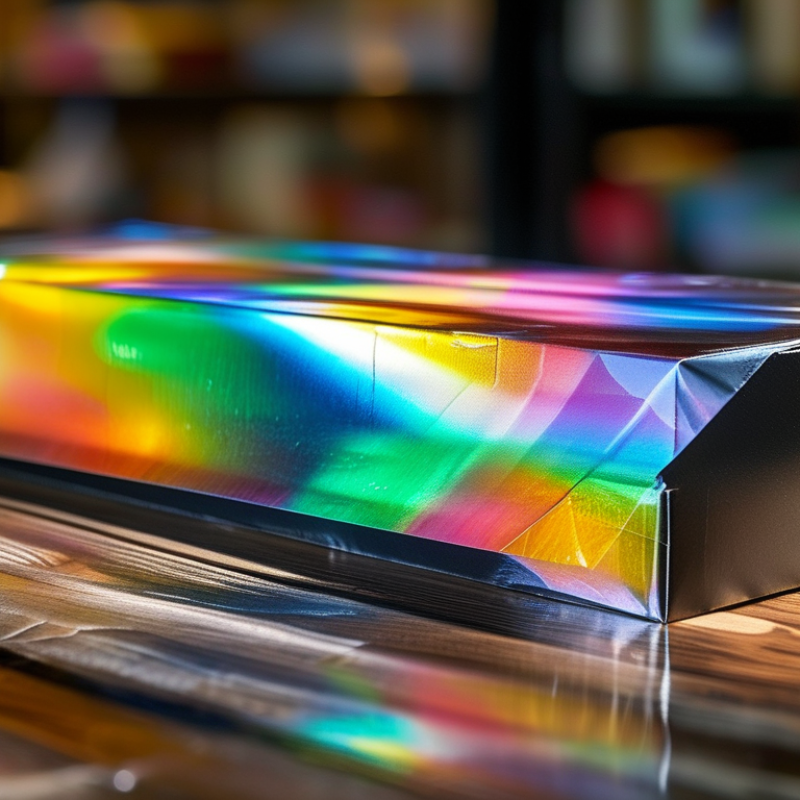
Diffractive Film creates eye-catching effects that can elevate product visibility. It uses light diffraction to produce vibrant colors and patterns. This can help brands stand out on crowded shelves. However, some may question its durability or cost-effectiveness. It’s crucial to weigh these factors against the potential marketing benefits.
Investing in Diffractive Film for packaging can be a transformative decision. It reflects a commitment to quality and creativity. Nevertheless, brands must also consider their audience and product type. Careful thought ensures that this visually stunning choice aligns with their overall branding strategy.
Understanding Diffractive Film and Its Properties
Diffractive film is an innovative material gaining traction in the packaging industry. It utilizes microstructure patterns to create unique optical effects. This technology enhances visual appeal and offers security features. According to a recent industry report, nearly 45% of packaging designers prefer diffractive film for its ability to reduce counterfeiting.
The properties of diffractive film are particularly noteworthy. It can manipulate light, creating vibrant holographic images. This can increase consumer engagement by up to 30%, as reported by market analysts. The film is lightweight, making it a suitable choice for sustainable packaging solutions. Its energy-efficient production process also differentiates it from traditional options.
However, challenges remain. The cost of production is higher than some conventional materials, affecting budget constraints. Moreover, the complexity of design may require specialized knowledge, which not all suppliers possess. Reflecting on these factors is crucial for businesses considering diffractive film for their packaging needs.
Key Benefits of Using Diffractive Film in Packaging
Diffractive film is making waves in the packaging industry for its unique properties. This innovative material enhances visual appeal while also providing functional benefits. According to a recent market analysis, the global packaging market for diffractive films is projected to grow by 15% annually. This growth reflects the increasing demand for eye-catching packaging that stands out on shelves.
One major benefit of diffractive film is its ability to create stunning visual effects. It manipulates light to produce vibrant color patterns, making products more attractive. This can lead to increased consumer engagement. In the competitive packaging landscape, distinctive visual presentation is crucial. Businesses that embrace diffractive film may enjoy enhanced brand recognition.
It’s important to remember that choosing diffractive film isn’t a one-size-fits-all solution. Factors such as cost, product compatibility, and environmental impact must be considered. Testing various finishes can provide insights into what works best for specific applications.
Consider these insights when selecting material for your next packaging project. Understand the target market and the product itself. Research industry reports to align packaging choices with consumer expectations. Using diffractive film can elevate packaging, but it's essential to find the right fit.
Key Benefits of Using Diffractive Film in Packaging
This chart represents the key benefits of using diffractive film in packaging, scored from 1 to 10. The highest score is for Visual Appeal, reflecting its importance in attracting consumers, while Sustainability also ranks high, emphasizing the trend towards eco-friendly packaging solutions.
Comparative Analysis: Diffractive Film vs. Traditional Packaging Materials
Packaging materials play a crucial role in product presentation and protection. Diffractive film stands out in comparison to traditional materials like plastic and paper. This film can create visually striking effects that attract consumers. According to a report by Smithers Pira, packaging that combines aesthetic appeal with functionality can increase sales by up to 20%.
Traditional materials may suffice, but they often lack innovation. Plastic packaging contributes to environmental concerns, with over 300 million tons produced annually. In contrast, diffractive film can be designed with recyclable components, addressing some sustainability issues. However, it is essential to balance eye-catching designs with practicality and cost-effectiveness. High-end diffractive film may not be an option for every budget.
Another aspect to consider is shelf life. Traditional packaging often uses barriers to protect contents from moisture and air. Diffractive film must also meet these needs, but it does so through advanced engineering. Some products may require further testing to ensure their longevity. The performance metrics of diffractive films are evolving, yet consumers still prioritize proven solutions. While diffractive film offers unique benefits, careful consideration is necessary to ensure it fits specific packaging requirements.
Applications of Diffractive Film in Various Industries
Diffractive film has emerged as a popular choice in various packaging applications. Industries like cosmetics and electronics use this innovative material for its unique visual effects. The film can create eye-catching holographic patterns that enhance product appeal on shelves. This feature attracts consumers, encouraging purchases through visual engagement. In sectors such as food packaging, diffractive films can also serve functional purposes. They enhance shelf life by offering additional barriers to moisture and oxygen.
Healthcare products utilize diffractive films for tamper-evident packaging. This adds an extra layer of security and safety for consumers. The film's ability to incorporate intricate designs also helps in brand differentiation. However, there are challenges. The cost of diffractive films can be higher compared to standard materials. This might deter some manufacturers from adopting this technology. Evaluating the balance between cost and visual impact is crucial for businesses assessing diffractive films.
Moreover, sustainability remains a concern in all packaging choices. While diffractive films enhance aesthetics, they must also align with eco-friendly practices. Exploring biodegradable options or recycling methods is essential for responsible usage. Finding a reliable supplier that meets both quality and environmental standards can be difficult. Nonetheless, the distinct benefits of diffractive film continue to drive interest across diverse industries.
Sustainability and Environmental Impact of Diffractive Film Packaging
When considering sustainable packaging, diffractive film emerges as a notable option. This innovative material utilizes light diffraction to create eye-catching designs while significantly reducing plastic usage. Unlike traditional packaging, diffractive film often requires fewer resources and presents an eco-friendlier alternative. Its production typically involves less energy, leading to a smaller carbon footprint.
Moreover, diffractive film is lightweight and durable, which minimizes the need for additional protective layers. This feature can lead to a reduction in waste throughout the supply chain. However, while the environmental benefits are considerable, the recycling processes for such films can be complex. Many recycling facilities are not equipped to handle diffractive materials properly. This presents a challenge for companies aiming for a fully circular economy.
Choosing diffractive film can also enhance brand perception. Consumers increasingly favor sustainable products, often viewing them as more trustworthy. Yet, brands must ensure their messaging aligns with their actual practices. Misleading claims about sustainability may damage credibility. Therefore, businesses must prioritize transparency and strive for genuine sustainability efforts in their packaging choices.