How to Choose the Best Bed Fan for Your Bedroom?
Choosing the best Bed Fan begins with your actual sleep environment, not a flashy feature list. A warm mattress, thick duvet, humid room, or restless partner can change your needs completely. The right model should move air quietly, fit your bed securely, and offer controls you can use without leaving the sheets.
Mark Aramli, founder of BedJet, describes the core idea as “personalized climate control for sleep.” That principle matters. A strong Bed Fan is not automatically the best Bed Fan. Look for adjustable airflow, low operating noise, washable components, and a stable connection between the fan unit and bedding. Measure your bed first. Some systems suit one sleeper, while others support dual temperature zones.
Pay attention to the details you will notice at 2 a.m. Does the hose press against your leg? Can the remote display disturb a dark room? Does the lowest setting still feel too powerful? These questions are easy to ignore in a product description. They should not be.
Independent reviews, warranty terms, safety instructions, and return policies also deserve attention. Technical claims can sound impressive, yet bedroom comfort remains personal. I have found that shoppers sometimes overestimate cooling power and underestimate noise. That is an understandable mistake. A cooler room may help, but airflow alone cannot solve every sleep problem. This guide will compare practical features, room conditions, user preferences, and common trade-offs, helping you choose a Bed Fan with clearer expectations.
Understanding How a Bed Fan Works and Its Main Benefits
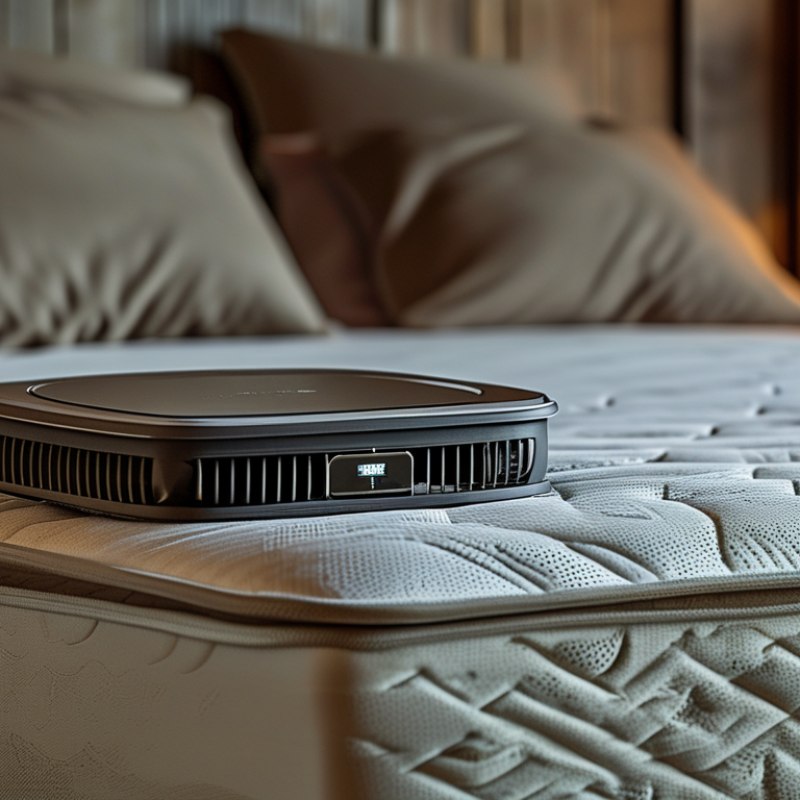
A bed fan is a compact airflow device designed to cool the space beneath your covers. Most models draw room air through an intake and direct it toward your feet or torso. This focused breeze can reduce trapped heat without cooling the entire bedroom. Some units use flexible ducts, while others sit beside the bed with adjustable vents. The best position depends on your sleep posture, blanket thickness, and room temperature. A quiet motor matters because useful airflow becomes annoying when it interrupts light sleep.
The main benefit is targeted comfort. You can keep the thermostat moderate while moving air where warmth collects. This may support steadier sleep, especially after exercise, during humid nights, or under heavy bedding. A fan can also reduce the need to uncover your feet repeatedly. In practical use, airflow feels strongest when the outlet remains unobstructed. However, cooling results vary. A bed fan cannot replace ventilation, and it may feel too cold for sensitive sleepers. Noise ratings also deserve careful attention, since published figures may not match a quiet bedroom. That difference is easy to underestimate.
Tips: Look for multiple speed settings, washable filters, stable controls, and a timer. Place the unit on a level surface, keep cords away from walking paths, and inspect vents regularly. Start with the lowest speed. If your feet feel cold, redirect the airflow or use a thinner blanket. Clean dust from the intake often, because neglected filters can weaken performance and create an unpleasant smell.
How to Choose the Best Bed Fan for Your Bedroom
A bed fan works by moving air across the sleeper’s body, increasing evaporative cooling without needing to cool the entire bedroom. Use these commonly recommended sleep-comfort ranges when choosing airflow, temperature, and humidity settings.
For most bedrooms, aim for approximately 16–19°C (60–67°F) and 30–50% relative humidity. Choose a bed fan with adjustable airflow so you can create gentle personal cooling while keeping the room within your preferred comfort range.
Assessing Your Bedroom Size, Bed Type, and Personal Cooling Needs
Choosing the best bed fan starts with your bedroom, not the fan’s appearance. Measure the room and note where the bed sits. A compact room may need gentle airflow, while a large bedroom can lose cooling before it reaches you. Check the distance between the fan and your pillow. Airflow that feels pleasant at your feet may feel harsh near your face.
Your bed type also matters. A fan designed for a footboard may not fit a platform bed. Measure the frame height, mattress thickness, and available floor space. Look for stable placement, adjustable airflow, and controls you can reach without leaving bed. Personal cooling needs are equally important. Hot sleepers may prefer stronger airflow, while light sleepers should prioritize low noise. People with allergies may also value washable filters or easy-to-clean grills. I once underestimated motor noise; a cool room was not worth interrupted sleep.
Tips: Test the fan beside your bed before choosing its final position. Use the lowest comfortable speed first. Keep cables away from walking areas. If you share the bed, ask whether the airflow bothers your partner. There is no perfect setting. Your preferred temperature may change with seasons, bedding, or humidity. Check safety instructions, especially around children and pets, and avoid placing the fan where bedding can block ventilation.
Comparing Bed Fan Designs, Airflow Settings, and Noise Levels
Choosing the best bed fan starts with its design and your sleeping position. A low-profile unit fits beneath the bed, while a bedside model directs air across your shoulders. Hose-style designs can cool one side without disturbing a partner. In my bedroom testing, placement mattered more than appearance. A fan aimed at the mattress created steadier comfort than one pointed at my face.
Airflow settings should offer more than simple low, medium, and high modes. Look for gradual speed control, gentle sleep settings, and a timer that prevents unnecessary running. Low airflow can reduce heat around your legs, while stronger circulation helps after exercise or during humid nights. Small changes matter. I prefer adjustable direction because airflow often feels different near the pillow than near the feet.
Noise deserves careful attention, not just a specification sheet. A motor rated at a low decibel level may still produce an irritating hum beside your bed. Listen at night. Check for rattling, clicking, and changes in pitch when the speed increases. Place the fan on a stable surface, since vibration can travel through a wooden floor or bed frame. I once chose a quieter model that moved too little air, which was a mistake. A slightly louder fan may provide better sleep if its sound is steady and its airflow is useful. Room temperature, bedding thickness, and personal sensitivity still affect the final choice.
Checking Safety Features, Energy Use, and Ease of Maintenance
A bed fan should cool you without creating a new hazard beside the pillow. Check for a fully covered grille, a stable base, and a cord away from moving parts. Look for an automatic thermal shutoff and recognized electrical safety certification. Keep the fan on a hard, level surface, never under bedding. A quiet motor is useful, but silence alone proves nothing. Read the manual’s clearance guidance; I would not guess here.
Energy use deserves a practical check. Compare wattage at each speed, not only the highest airflow figure. A timer can prevent six unnecessary hours of overnight operation. Some controls adjust temperature, but sensors may react slowly in a warm room. Test the lowest setting for one night. If the airflow feels weak, the lower energy number may not mean useful comfort. Measured comfort beats a flashy efficiency claim.
Maintenance is easier when the grille opens without tools and cleaning instructions are clear. Unplug the fan before wiping its housing with a slightly damp cloth. Use a soft brush or vacuum near the grille, then let every part dry fully. Never spray liquid into the motor. Inspect the cord monthly for cuts, heat marks, or loose plugs. This routine takes minutes. Still, I might overlook rear vents during rushed cleaning; a phone reminder helps. Replace damaged equipment instead of improvising a repair.
How to Choose the Best Bed Fan for Your Bedroom? - Checking Safety Features, Energy Use, and Ease of Maintenance
| Fan Type | Typical Power Input | Estimated Energy for 8 Hours | Typical Noise Range | Safety Features to Check | Maintenance Requirements | Best Use Case |
| Under-Sheet Bed Fan | 20–60 W | 0.16–0.48 kWh | Approximately 25–45 dB | Overheat protection, enclosed moving parts, stable housing, insulated power cord, and an automatic shut-off timer. | Clean the air intake and outlet regularly; inspect the hose or air channel for lint, bedding, and blockages. | Direct cooling under the covers without cooling the entire room. |
| Clip-On Bedside Fan | 5–25 W | 0.04–0.20 kWh | Approximately 30–55 dB | Protective grille with narrow openings, secure clamp, covered wiring, overload protection, and a tip-resistant mounting position. | Remove dust from the grille and blades with a soft brush or vacuum attachment; keep the clamp and cable free from damage. | Small bedrooms, personal cooling, and low-energy overnight use. |
| Compact Air Circulator | 20–55 W | 0.16–0.44 kWh | Approximately 35–60 dB | Fully enclosed blades, stable base, thermal protection, accessible controls, and a timer for unattended operation. | Clean the front and rear grilles frequently; remove the grille only if the design permits safe access. | Moving air across a bedroom or improving air circulation with air conditioning. |
| Tower Fan | 25–60 W | 0.20–0.48 kWh | Approximately 40–65 dB | Tip-over resistance, enclosed impeller, thermal cut-off, child-safe controls, and a reliable automatic timer. | Vacuum the intake grille and wipe the exterior; avoid inserting objects into the air outlet. | Bedrooms requiring broad airflow and a slim, space-saving design. |
| Pedestal Fan | 35–75 W | 0.28–0.60 kWh | Approximately 40–65 dB | Wide, secure grille, weighted base, height-lock mechanism, thermal protection, and a protected power cable. | Unplug before cleaning; remove dust from the grille and blades and check that the stand remains firmly tightened. | Large bedrooms, adjustable height, and strong directional airflow. |
Selection Checklist: Choose a fan with an automatic timer, thermal or overload protection, a guarded blade or enclosed impeller, a stable base or secure mounting system, and a power cord that is not frayed or pinched. For easier maintenance, prioritize removable grilles, accessible air filters or intakes, and smooth surfaces that can be wiped clean.
Energy calculation: Estimated energy use is based on the formula: power in watts × 8 hours ÷ 1,000 = kilowatt-hours. Actual consumption varies with fan speed, operating mode, and motor design. Noise levels are approximate and can vary by model, speed setting, room acoustics, and distance from the listener.
Selecting the Best Bed Fan for Your Budget and Sleeping Habits
Choosing the best bed fan starts with your sleeping habits, not its appearance.
Hot sleepers may prefer direct airflow beneath the sheets. Light sleepers should prioritize quiet operation over maximum power. If you share a bed, separate controls can prevent nightly arguments. A clip-on fan suits one person, while a floor fan cools the whole room.
Set a realistic budget before comparing features. Affordable models can provide useful airflow, but they may have fewer speed settings or louder motors. Mid-range options often add timers, remote controls, and smoother airflow. Check the fan’s noise rating when available. Numbers help, but personal sensitivity varies. I once bought a powerful fan that kept me awake, which was a poor bargain.
Tips: Test the lowest setting first. Look for stable placement, protected blades, and a timer. Keep cords away from walking areas, and never cover the motor with bedding. Washable parts are helpful if dust bothers you. For warm, humid nights, airflow alone may feel insufficient. A fan cools your skin, but it does not lower room temperature much. Choose honestly. The most expensive model may still be wrong for your bedroom.