


Choosing the right Hydrogen Gas Plant supplier is an engineering decision, not merely a purchasing exercise. The plant must match your feedstock, production target, storage plan, safety requirements, and local operating conditions. A polished brochure cannot replace verified performance data.
The International Energy Agency’s Global Hydrogen Review 2024 reports that worldwide hydrogen demand reached almost 97 million tonnes in 2023. However, low-emissions hydrogen remained below one million tonnes. This gap shows why technology selection and supplier credibility matter. Fatih Birol, Executive Director of the IEA, stated, “Hydrogen is currently enjoying unprecedented political and business momentum, with the number of policies and projects around the world rapidly expanding.” Momentum is valuable, but it can also encourage rushed decisions.
Look closely.
A capable supplier should provide audited efficiency figures, equipment warranties, degradation assumptions, and references from comparable plants. Ask to inspect operating sites, not only demonstration facilities. Review electrolyzer output, water consumption, gas purity, maintenance intervals, and spare-parts availability. Also examine how the supplier manages commissioning, operator training, emergency shutdowns, and long-term technical support.
The Hydrogen Council’s industry analyses emphasize the importance of scaling infrastructure, reducing costs, and building dependable supply chains. Yet cost estimates often change when electricity prices, water treatment, compression, and permitting are included. That is where buyers may underestimate risk. A lower initial quotation can become expensive through delays, replacement stacks, or weak after-sales service.
The best supplier is not always the largest company. It is the partner that explains limitations clearly, documents assumptions, and accepts independent verification. Some project uncertainties will remain. A responsible selection process acknowledges them before construction begins.
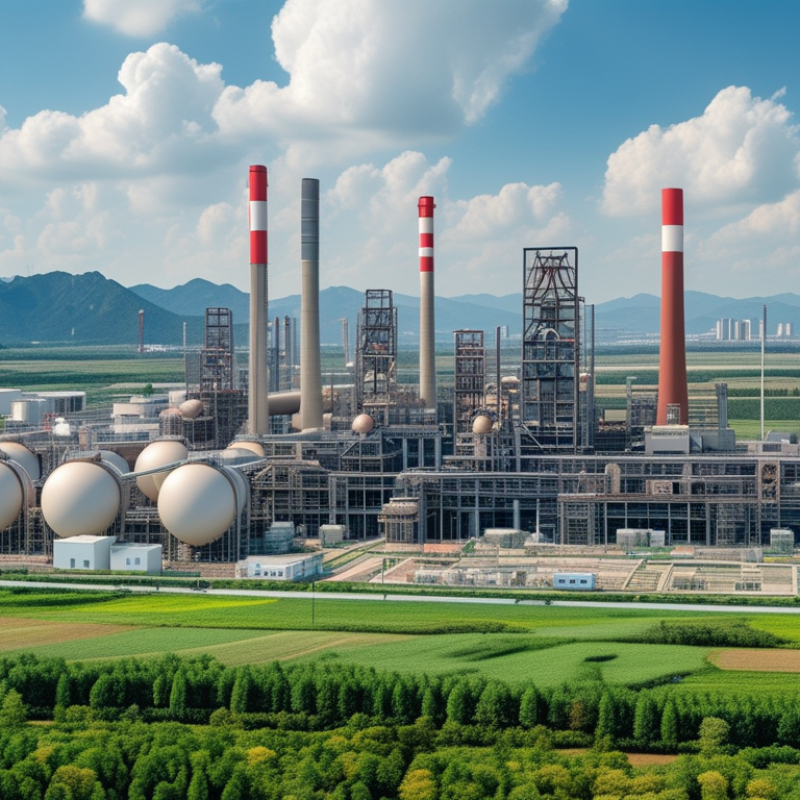
Start with the load. Estimate daily hydrogen demand, peak flow, operating hours, and future expansion. A plant producing 100 kilograms daily needs different equipment from a continuous industrial unit. The International Energy Agency reported global hydrogen demand near 97 million tonnes in 2023. However, low-emissions hydrogen remained below 1% of production (IEA, Global Hydrogen Review 2024). This gap makes source selection important, not merely equipment pricing.
Specify hydrogen purity, delivery pressure, storage capacity, and acceptable production variation. Also document feedstock, water quality, electricity availability, cooling needs, and site conditions. ISO 14687:2019 can guide fuel-quality discussions, but your application may require tighter limits. Laboratory use, mobility, refining, and chemical production do not share identical specifications. Do not guess. Ask suppliers to provide measured performance under your operating conditions. Some published efficiencies look attractive, yet exclude compression, water treatment, or standby energy. That detail deserves careful review.
Tips: Prepare a one-page requirement sheet before contacting suppliers. Include normal and peak demand, target purity, pressure, available utilities, local climate, and required start-up time. Request references from comparable installations and independent test records. Check maintenance intervals, spare-parts access, training, and emergency procedures. A supplier that asks difficult questions may be more reliable than one offering instant capacity. Review your assumptions again; early estimates are often incomplete.
Choosing a hydrogen plant supplier starts with the system, not the sales brochure. Compare production routes against your feedstock, electricity profile, water quality, and delivery pressure. The IEA reported global hydrogen demand near 97 million tonnes in 2023. Low-emissions hydrogen remained below 1% of production. That gap makes technology selection commercially important.
Alkaline electrolysis usually suits steady operation and mature, large-scale layouts. PEM systems respond faster, but economics depend on stack replacement, catalyst supply, and electricity prices. Solid oxide systems may benefit from high-temperature heat, yet they require careful thermal management. Reforming with carbon capture can use established gas infrastructure. However, capture rates, methane leakage, and storage access require verification. A supplier should provide hourly simulations, not only annual efficiency figures.
Request separate guarantees for hydrogen purity, energy consumption, availability, degradation, and ramping performance. Check demineralized-water treatment, compression, drying, storage, and safe vent routing. These details often decide operating cost. IRENA’s Green Hydrogen Cost Reduction report estimated alkaline electrolyzer costs could decline from roughly USD 500–1,000 per kilowatt to USD 200–600 by 2030. Those are projections, not quotations. That distinction matters. Compare a five-year model using local tariffs, maintenance labor, replacement intervals, and curtailed power. A spreadsheet can still lie. Ask for reference data from plants with similar load patterns and climate conditions. No configuration wins everywhere.
Choosing a hydrogen gas plant supplier requires more than comparing equipment prices. Examine the supplier’s practical experience with hydrogen production, compression, storage, and distribution. Ask for project records with plant capacity, operating conditions, commissioning dates, and maintenance results. A supplier with field experience should explain how operators handled pressure fluctuations, gas leaks, and emergency shutdowns. Clear answers matter.
Check whether certifications match the equipment and project location. ISO 9001 can indicate a controlled quality system, while ISO 45001 supports occupational safety management. Environmental requirements may also require ISO 14001. For pressure equipment, request applicable ASME or equivalent compliance records. Electrical systems may need IEC-based testing and hazardous-area certification. Do not accept certificates as decoration. Verify issuing bodies, validity dates, product scope, and inspection reports.
Safety evidence should include HAZOP studies, risk assessments, gas detection layouts, ventilation calculations, fire protection plans, and factory acceptance test results. Ask how sensors are calibrated and how often shutdown systems are tested. Visit an operating site if possible. Look for clean pipe labeling, accessible isolation valves, and documented training. A polished document package can hide weak field practice. That possibility deserves attention. Supplier selection is not always perfectly objective; references may be unusually favorable. Compare several references, inspect maintenance records, and involve an independent safety specialist before signing.
| Evaluation Dimension | Relevant Standard or Reference | Objective Evidence to Request | Recommended Evaluation Benchmark | Priority | Weight | Score (0–5) |
|---|---|---|---|---|---|---|
| Hydrogen Production Expertise | ISO 22734 for hydrogen generators using water electrolysis; applicable process and pressure regulations | Project references, process-flow diagrams, equipment lists, commissioning records, operating data, and references from facilities with comparable capacity and pressure | Demonstrated experience with at least three technically comparable projects, including successful commissioning and documented performance results | Critical | 20% | |
| Quality Management System | ISO 9001:2015 | Valid certificate issued by an accredited certification body, certificate scope, audit status, corrective-action records, and quality-control plan | Certification scope should cover the design, manufacture, integration, installation, or servicing activities relevant to the proposed plant | Critical | 10% | |
| Occupational Health and Safety | ISO 45001:2018; applicable national occupational-safety legislation | Valid certificate, incident statistics, site-safety plan, permit-to-work procedure, contractor controls, and emergency-response training records | Current certification with no unresolved major nonconformities and documented controls for hydrogen release, ignition, confined spaces, and maintenance work | Critical | 10% | |
| Hydrogen Process and Equipment Safety | ISO 22734; ISO 12100; applicable pressure-equipment legislation | Hazard identification, risk assessment, safety instrumented functions, pressure-relief calculations, shutdown logic, and equipment design documentation | Formal risk assessment completed before design approval, with independent review of safeguards and clearly documented safe operating limits | Critical | 15% | |
| Electrical and Hazardous-Area Compliance | IEC 60079 series for explosive atmospheres; IEC 60204-1 for machinery electrical equipment; local electrical codes | Area-classification drawings, equipment certificates, electrical schematics, grounding and bonding plans, inspection records, and control-panel test reports | All equipment installed in classified areas must have an appropriate protection method and certification for the required gas group, temperature class, and zone or division | Critical | 12% | |
| Piping, Pressure Vessels, and Materials | ASME B31.12 for hydrogen piping where adopted; applicable pressure-vessel and welding codes | Material certificates, piping specifications, weld procedures, welder qualifications, nondestructive examination reports, pressure-test records, and inspection plans | Full material traceability, qualified welding procedures, documented inspection coverage, and pressure testing completed according to the governing code and local law | Critical | 10% | |
| Fire Protection and Emergency Response | NFPA 2 where applicable; local fire code; site-specific fire-risk assessment | Fire-risk assessment, gas-detection layout, ventilation calculations, emergency-shutdown cause-and-effect matrix, fire-system design, and emergency procedures | Independent review confirms adequate detection, ventilation, isolation, shutdown, signage, access control, and emergency-response arrangements | Critical | 10% | |
| Performance Guarantees | Contract-specific acceptance criteria; ISO 22734 test and verification provisions where applicable | Guaranteed hydrogen purity, production rate, specific energy consumption, availability, operating-pressure range, noise level, and factory/site acceptance-test procedures | Every guarantee should include a defined measurement method, test condition, tolerance, remedy, and acceptance date; avoid unsupported “typical” values | Critical | 8% | |
| Environmental and Energy Management | ISO 14001:2015; ISO 50001:2018 where energy-management certification is relevant | Valid certificates, environmental-aspect register, water and waste plan, energy-consumption data, lifecycle considerations, and emissions accounting methodology | Environmental and energy targets are measurable, site-specific, and supported by documented monitoring rather than marketing claims alone | Important | 5% | |
| Service, Training, and Spare Parts | Contractual service-level requirements; manufacturer maintenance instructions | Response-time commitments, preventive-maintenance schedule, critical-spares list, technician qualifications, training syllabus, remote-support process, and local service capability | Written support plan covering commissioning, operator training, spare-parts availability, emergency response, software updates, and warranty escalation | Important | 5% | |
| Commercial and Project-Delivery Capability | Project-specific procurement, construction, and commissioning requirements | Detailed schedule, responsibility matrix, subcontractor list, change-control process, insurance evidence, financial references, and lessons-learned records | Clear interface responsibilities, realistic engineering and commissioning milestones, transparent exclusions, and documented control of subcontracted work | Important | 5% |
Choosing a hydrogen gas plant supplier starts with measured efficiency, not brochure output. Ask for specific energy consumption in kWh per kilogram of hydrogen, tested at your expected load. Request data for 25%, 50%, and 100% operation. Real sites rarely run at one level. Check stack efficiency, water use, gas purity, cooling demand, and waste heat recovery. A factory may need stable purity more than peak production. Ask for witnessed factory acceptance tests and independent performance verification. Review the supplier’s commissioning record, maintenance logs, and operator training plan. Small omissions matter. An unclear sensor specification can delay acceptance and cause expensive troubleshooting.
Scalability should match your demand forecast and site limits. Modular electrolyzer units can support phased growth, but compression, storage, transformers, and water treatment may become bottlenecks. Confirm expansion interfaces before signing. Compare total cost of ownership, including electricity, consumables, service visits, spare stacks, disposal, and downtime. The lowest purchase price is not always the lowest cost. Delivery timelines need a dated project schedule, not a verbal promise. Separate engineering, permitting support, manufacturing, factory testing, shipping, installation, and commissioning milestones. Ask what happens when one slips. Include realistic buffer. Challenge optimistic production guarantees; actual results can change with water quality, ambient temperature, and grid interruptions. That uncomfortable question often reveals whether the supplier understands your operating conditions.
How to Choose the Best Hydrogen Gas Plant Supplier?
After-sales support often determines whether a hydrogen gas plant performs reliably years later. Ask how quickly technicians respond to alarms, leaks, or unexpected shutdowns. Request service-level targets in writing, not only verbal promises. A dependable supplier should provide clear maintenance schedules, inspection records, and trained local personnel. Check whether critical spare parts are available nearby. Long delivery times can turn a small valve failure into a costly outage. Records matter. Review sample service reports before signing a contract.
Tips: Ask for three customer references with similar plant capacity. Speak with their maintenance managers directly. Confirm training for operators, emergency procedures, and digital monitoring systems. Check warranty exclusions carefully. Some low-cost offers exclude labor, travel, or consumable parts.
Reliability also depends on engineering discipline after installation. The supplier should track operating trends, calibration dates, pressure readings, and component replacement history. Remote diagnostics can help, but they cannot replace physical inspections. Ask who audits safety systems and how often software is updated. A serious supplier explains weaknesses without hiding behind perfect performance claims. I would question any guarantee promising zero downtime. Real plants face weather changes, human mistakes, and aging equipment. The better question is how quickly the supplier detects problems and restores stable operation. A trial maintenance visit can reveal more than a polished presentation.
A practical, vendor-neutral evaluation model gives the greatest weight to after-sales support, maintenance capability, and long-term reliability. These factors directly affect plant availability, operating continuity, and lifecycle cost.
Recommended evaluation weighting: after-sales support, maintenance capability, and long-term reliability account for 80% of the assessment, while spare-parts readiness and documentation complete the review.


For those larger-sized parts, or smaller quantity runs, we have 2 independent powder coat booths and ovens. The quality, durability and affordability of today’s powder coating finishes make this the process of choice for world-class companies.
Powder coating advantages over other forms of coating are many. Materials used in the Powder coating process can be metals and non-metals that come in a multitude of thicknesses, textures, colors, etc. Another of Powder coating’s biggest advantages over conventional coatings is its ability to create finishes in many different textures. Powder Coating Booths allow us the ability to apply these advantages to large products.
Tri-State Fabricators runs a full-service conveyor line for painting. Wet painting can provide protection or decoration to many different part styles. From start to finish, every project is easier to undergo random and point-based inspection by our skilled painting team.
Advantages to our Wet Paint Line are these lines start with product prep and ends with a thorough inspection of a high quality finished product. Our ability to complete large and small projects with a superior finish and doing so in a timely and economical fashion. This passes along the savings in production to our customers. When powder coating ins not an option, our Wet Paint Line gets the job done right the first time.
When the parts get big and heavy we roll-out our custom paint racks and oversize booth. By utilizing our partnerships with all the major paint brands, we can match virtually any color with wet paint.
The advantages of having access to a Wet Paint Booth are many. Large projects of many different shapes can be loaded into the booth. The Wet Paint Booth offers an environment that is much more controlled than a typical parts painting operation.
Not only are they used because of their controlled environment, but they’re are also advantageous when it comes to applying paint to parts that are needed in industries that require specialty coatings such as medical, aerospace, etc.
Our military forces have some very high standards when it comes to the finish of their vehicles and equipment. From the first pre-treatment step to final coat, it takes a great deal of knowledge and experience to protect the men and women of our armed forces. They deserve only the best, and Tri-State Fabricators provides it.
All of our processes are closely monitored by our staff and management teams. Both of which are highly trained in the processes of metal fabrication and finishing. Tri-State Fabricators’ goal is to always fully satisfy each and every customer, including the military. We will always put a 110% into what we do.
Abrasive media blasting is an excellent way to remove old paint, rust, and increase the paint/powder adhesion. Glass beads produce a much smoother and brighter finish than angular abrasives; leaving the part clean yet without any dimensional change. Chemically inert and environmentally friendly, we can recycle our beads approximately 30 times; making them a more preferred method of metal cleaning or surface finishing.
Advantages to Glass Bead Blasting are many. Glass bead blast media is used when a project is needing rough surfaces need to become smooth for applications of coatings such as paint. It is typically used to clean paint and rust from a product surface without deforming the surface it is being used on. Overall, compared to many other blasting media, Glass Bead Blasting is a very economical choice and those savings are always passed on to our customers.
Tri-State Fabricators utilize a zinc phosphate wash to clean and etch the material to ensure the best paint adhesion possible. The unique design of our 3-stage wash system does the work like a 5-stage. From Cleaning and rinsing to conversion coating and post-treatment, Our Part Washing process is a complete service and works throughout the fabrication service and the finishing service.
Along with the previously mentioned benefits, Curing is a vital chemical reaction that leaves the product finish hard and relatively safe from mild abrasion and aggressive corrosion. This process can be done in more than one way; ambient air-dry or in curing ovens at temps that exceed 240°.
From fixing paint mistakes (someone else’s of course) to simply cleaning our paint line hooks, our burn-off oven is put to good use. After a quick burn-off, a little clean up, and a fresh coat of paint, your parts will look better than new.
Why does our Burn-Off Oven work so well? Because super heating the air around parts turns the materials into ashes. From paint and powder coatings to rubber and machining oils, high temps do the job without degrading the integrity of the part.
Masking is a vital part of producing high quality products. We have die-cut masking patterns to protect machined surfaces as well as a wide range of plugs and caps to protect threaded holes and bolts. We provide permanent and temporary masking.
Masking allows the selected sections of a product to be protected from a fabrication or finishing service. This can be with both chemicals when etching and tapes, paints when only finishing just a section of the product. Masking is great in aiding the customization process of a project.
Screen printing is a photographic process that transfers artwork onto a porous nylon screen which allows colored ink to flow through the screen and be deposited on an aluminum or plastic component. We can generally have just about any design created onto a screen for your parts.
Some of the advantages of Screen Printing are, brand recognition for your business displaying on your products, assembly instructions, product warnings/hazards, etc. Tri-State Fabricators produces Screen Printing of the highest quality so you know it’s durable.
Metal Finishing is the art of treating the exterior portion of product, often metal but can also be made of other materials, so that the surface is clean and free of any debris. Then the process of applying coats or either paint of powder coat takes place. This coating process improves the quality of the product in both appearance and resistance to wear and corrosion.
Tri-State Fabricators, Inc., understands that a project typically isn’t complete until a high-quality finish has been added to your product. This is why our painting and powder coating teams continuously inspect the products throughout the Metal Finishing process.

