

Choosing the best Uv Cured Printing supplier requires more than comparing price lists. The right partner must deliver consistent color, durable adhesion, accurate registration, and dependable lead times. A sample may look excellent under showroom lighting, yet fail after outdoor exposure or repeated handling. Ask for real production samples, ink specifications, curing details, and documented quality procedures.
Industry research supports this careful approach. Smithers’ The Future of Digital Printing to 2028 highlights shorter print runs, faster customization, and growing demand for efficient digital production. Grand View Research also identifies UV printing as a developing segment, supported by applications in signage, packaging, décor, and industrial graphics. These reports suggest opportunity, but they do not guarantee supplier quality. Your substrate, ink system, curing method, and finishing requirements still matter.
Frank Romano, a respected printing educator and former professor at Rochester Institute of Technology, has often described digital printing as “a business model, not merely a technology.” That principle applies strongly here. A capable supplier should understand your workflow, not simply sell machine hours. Examine color-management records, maintenance routines, warranty terms, and response times. Request a controlled test on your actual material, such as acrylic, corrugated board, aluminum, or wood. Check the print after scratching, bending, moisture exposure, and several days of use.
There is no perfect supplier. Even experienced buyers can overlook hidden setup costs or inconsistent batch performance. A practical evaluation should balance technical evidence, production experience, transparent communication, and verified customer references. This guide explains how to compare those factors before selecting a Uv Cured Printing partner.
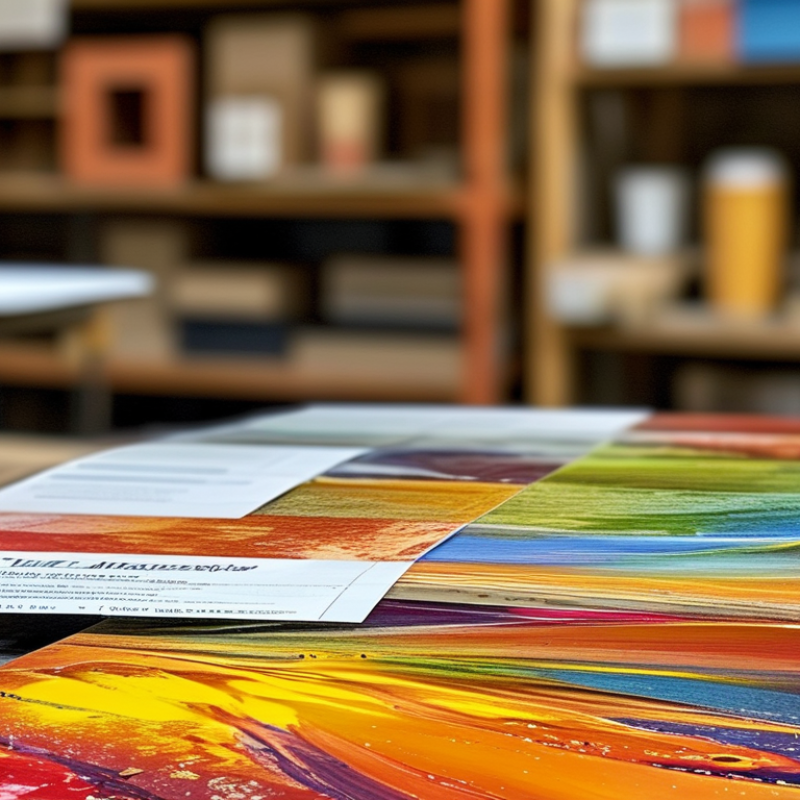
Choosing a UV cured printing supplier starts with a precise production brief, not a preferred machine name. Describe the substrate, surface texture, maximum sheet size, print area, and expected monthly volume. A rigid acrylic panel needs different ink adhesion than a coated metal sign. Mention whether the product will face sunlight, rain, abrasion, cleaning chemicals, or frequent handling. These details shape ink selection, curing intensity, color control, and packaging requirements. In my experience, vague requests create expensive samples and disappointing lead times. Expensive samples happen.
Ask for measurable tolerances. Specify acceptable color variation, image resolution, registration accuracy, drying time, and delivery frequency. If color matching matters, provide a physical reference or recognized color standard. Also state whether you need white ink, transparent layers, gloss effects, or raised textures. These features can change production speed and final cost.
Before selecting a supplier, request a sample using your actual material. Check adhesion with a simple tape test and inspect small text under bright light. Ask for scratch, moisture, and outdoor-aging test data when durability matters. Review their quality records, inspection process, and method for handling rejected pieces. A supplier may promise excellent consistency, yet real production can reveal uneven curing or slight banding. I once underestimated surface dust during testing. The result looked acceptable indoors but failed under angled light. Build inspection points into the agreement, and allow time for one controlled revision.
How to Choose the Best UV Cured Printing Supplier?
Supplier experience should be measured through evidence, not confident promises. Ask how long the team has handled your substrate, ink type, and product dimensions. Request recent samples from similar projects. Inspect fine text, solid color areas, edges, and surface adhesion. An experienced supplier can explain common failures and their corrective actions. That honesty matters. A polished showroom can still hide weak process control.
Equipment quality affects both appearance and repeatability. Check whether the supplier uses calibrated printers, stable UV curing systems, and regular maintenance records. Ask how operators monitor lamp intensity, ink coverage, temperature, and color accuracy. A useful test involves printing the same artwork on different days. Compare density, registration, and gloss under normal lighting. Small differences may become serious across a large order. Equipment alone is not enough; skilled technicians make the process dependable.
Production capacity must match your schedule, not just your requested quantity. Confirm daily output for your actual material and finishing requirements. Ask about shift arrangements, inspection procedures, backup equipment, and capacity during peak periods. Review lead-time records instead of accepting estimates without support. A supplier should also provide clear handling for rejected pieces and reprints. Some production plans look efficient on paper but fail during rush orders. I would leave room for this possibility and test a modest batch first. That step may feel slower, yet it reveals how experience, equipment, and capacity work together.
| Evaluation Dimension | Recommended Benchmark | Supplier 1 | Supplier 2 | Supplier 3 | Supplier 4 |
|---|---|---|---|---|---|
| Years of UV Printing Experience | At least 8 years of documented UV printing experience | 12 years | 8 years | 15 years | 6 years |
| Primary UV Printing Capability | Flatbed and roll-to-roll capability for varied substrates | Flatbed + Roll-to-Roll | Flatbed | Flatbed + Roll-to-Roll | Roll-to-Roll |
| Maximum Print Width | At least 3.2 m for large-format applications | 3.2 m | 2.5 m | 3.2 m | 1.6 m |
| UV Curing Technology | LED UV curing with adjustable power and controlled heat output | LED UV | LED UV | LED UV + Mercury UV | LED UV |
| Supported Substrates | At least five substrate categories with adhesion testing | 6 categories | 5 categories | 8 categories | 4 categories |
| Average Monthly Capacity | Capacity should match forecast demand with 15–25% reserve | 18,000 m² | 9,500 m² | 24,000 m² | 6,000 m² |
| Typical Production Lead Time | 5–10 working days after artwork approval | 6–8 days | 8–12 days | 5–7 days | 10–14 days |
| Color Management | Color profiles, proof approval, and documented calibration process | Advanced | Standard | Advanced | Standard |
| Quality Inspection Points | Inspection of color, dimensions, curing, adhesion, and surface defects | 5 checkpoints | 4 checkpoints | 6 checkpoints | 3 checkpoints |
| Documented Quality Management System | Written procedures, batch records, and corrective-action tracking | Yes | Partial | Yes | Partial |
| Equipment Redundancy | Backup equipment or contingency plan for urgent orders | 2 backup units | 1 backup unit | 3 backup units | No dedicated backup |
| Overall Assessment Score | Higher score indicates stronger overall suitability | 88 / 100 | 72 / 100 | 94 / 100 | 61 / 100 |
Supplier selection should begin with measurable print quality, not attractive samples alone. Smithers forecasts the digital packaging print market will exceed US$36 billion by 2028, increasing pressure for consistent production. Ask for a calibrated proof on your actual substrate. Check fine text, solid-color coverage, gradients, and edge sharpness under normal lighting. Request Delta E measurements, not vague claims about “perfect color.” A low average Delta E can still hide visible errors in skin tones or brand colors. That detail matters.
Materials change the result. Test coated paper, rigid plastic, glass, metal, and textured surfaces separately. UV ink may look glossy on one material but appear brittle or poorly bonded on another. Ask suppliers to document adhesion testing, scratch resistance, curing conditions, and ink compliance for your application. ASTM D3359 cross-hatch testing can reveal weak bonding, although it does not predict every real-world failure.
Customization should include variable data, white ink, clear effects, spot textures, and short-run changes. Smithers’ market analysis also highlights digital printing’s value in versioning and shorter production runs. Still, customization is not automatically practical. Complex effects may increase setup time, waste, or inspection costs. I would ask for a small pilot run before approving a large order. Suppliers sometimes resist this. That response is useful evidence.
A reliable UV cured printing supplier should provide current, verifiable certifications. Ask for certification numbers, issuing bodies, and covered production sites. Match each certificate’s scope with your project requirements. Quality management certification can indicate controlled processes, but it does not guarantee flawless prints. Ask about ink safety documentation, equipment maintenance, and inspection records. Experienced suppliers should explain curing intensity, substrate compatibility, and color consistency clearly.
Request physical samples from recent production. Inspect fine text, dot edges, gloss, adhesion, and surface scratches. Look closely.
Reliability appears in daily communication. Ask how defects are recorded and corrected. One trial taught me an uncomfortable lesson: I trusted a polished sample without checking repeatability. The second batch showed slight color variation.
Require a signed sample approval, measurable tolerances, and a documented reprint policy. Compare pricing by total cost, not unit price alone. Include setup charges, plates or files, packaging, freight, taxes, waste, and possible rework. Confirm payment stages in writing.
Delivery terms should state production time, dispatch date, shipping method, destination responsibility, and delay procedures. Request a realistic schedule based on your order quantity. A supplier promising everything immediately may be guessing. That deserves scrutiny. Ask for weekly updates during production, especially when materials or custom finishes are involved. Clear records protect both sides and reveal whether the supplier’s confidence is supported by consistent work.
Choosing the Best UV Cured Printing Supplier
A sample should reveal more than bright color. Ask for test prints on your actual materials, not only coated boards. Check fine text, gradients, adhesion, curing, and surface feel. Rub the printed area with a dry cloth, then inspect edges under strong light. Request repeat samples from different production runs. Consistency matters.
Ask for records.
An experienced supplier should explain ink compatibility, curing settings, print resolution, and expected maintenance. Their answers should be clear, practical, and supported by test data. Customer support also matters after installation. Can you reach a trained technician quickly? Will they help diagnose banding, poor adhesion, or uneven curing through photos and measured data? Vague replies are a warning sign. Still, no supplier solves every issue instantly.
Long-term partnership potential depends on reliability beyond the first order. Review lead times, quality-control procedures, replacement-part availability, and communication during delays. Ask how they manage design changes or urgent production needs. A useful supplier will document agreed specifications and review performance regularly. Small details matter.
I once focused too heavily on unit price. That decision created extra testing, slower deliveries, and avoidable waste. A cheaper quotation may not be cheaper in operation. Compare total ownership costs, technical support, sample accuracy, and response times. Leave room for honest reflection. Your first evaluation may miss something. Keep testing before making a long-term commitment.
A practical supplier evaluation model that prioritizes print quality, responsive customer support, and the ability to build a reliable long-term partnership.
Evaluate physical samples first, then confirm technical support, spare-parts availability, training, delivery consistency, and total ownership cost. The weighted score helps buyers compare suppliers using the same criteria instead of relying only on price.


For those larger-sized parts, or smaller quantity runs, we have 2 independent powder coat booths and ovens. The quality, durability and affordability of today’s powder coating finishes make this the process of choice for world-class companies.
Powder coating advantages over other forms of coating are many. Materials used in the Powder coating process can be metals and non-metals that come in a multitude of thicknesses, textures, colors, etc. Another of Powder coating’s biggest advantages over conventional coatings is its ability to create finishes in many different textures. Powder Coating Booths allow us the ability to apply these advantages to large products.
Tri-State Fabricators runs a full-service conveyor line for painting. Wet painting can provide protection or decoration to many different part styles. From start to finish, every project is easier to undergo random and point-based inspection by our skilled painting team.
Advantages to our Wet Paint Line are these lines start with product prep and ends with a thorough inspection of a high quality finished product. Our ability to complete large and small projects with a superior finish and doing so in a timely and economical fashion. This passes along the savings in production to our customers. When powder coating ins not an option, our Wet Paint Line gets the job done right the first time.
When the parts get big and heavy we roll-out our custom paint racks and oversize booth. By utilizing our partnerships with all the major paint brands, we can match virtually any color with wet paint.
The advantages of having access to a Wet Paint Booth are many. Large projects of many different shapes can be loaded into the booth. The Wet Paint Booth offers an environment that is much more controlled than a typical parts painting operation.
Not only are they used because of their controlled environment, but they’re are also advantageous when it comes to applying paint to parts that are needed in industries that require specialty coatings such as medical, aerospace, etc.
Our military forces have some very high standards when it comes to the finish of their vehicles and equipment. From the first pre-treatment step to final coat, it takes a great deal of knowledge and experience to protect the men and women of our armed forces. They deserve only the best, and Tri-State Fabricators provides it.
All of our processes are closely monitored by our staff and management teams. Both of which are highly trained in the processes of metal fabrication and finishing. Tri-State Fabricators’ goal is to always fully satisfy each and every customer, including the military. We will always put a 110% into what we do.
Abrasive media blasting is an excellent way to remove old paint, rust, and increase the paint/powder adhesion. Glass beads produce a much smoother and brighter finish than angular abrasives; leaving the part clean yet without any dimensional change. Chemically inert and environmentally friendly, we can recycle our beads approximately 30 times; making them a more preferred method of metal cleaning or surface finishing.
Advantages to Glass Bead Blasting are many. Glass bead blast media is used when a project is needing rough surfaces need to become smooth for applications of coatings such as paint. It is typically used to clean paint and rust from a product surface without deforming the surface it is being used on. Overall, compared to many other blasting media, Glass Bead Blasting is a very economical choice and those savings are always passed on to our customers.
Tri-State Fabricators utilize a zinc phosphate wash to clean and etch the material to ensure the best paint adhesion possible. The unique design of our 3-stage wash system does the work like a 5-stage. From Cleaning and rinsing to conversion coating and post-treatment, Our Part Washing process is a complete service and works throughout the fabrication service and the finishing service.
Along with the previously mentioned benefits, Curing is a vital chemical reaction that leaves the product finish hard and relatively safe from mild abrasion and aggressive corrosion. This process can be done in more than one way; ambient air-dry or in curing ovens at temps that exceed 240°.
From fixing paint mistakes (someone else’s of course) to simply cleaning our paint line hooks, our burn-off oven is put to good use. After a quick burn-off, a little clean up, and a fresh coat of paint, your parts will look better than new.
Why does our Burn-Off Oven work so well? Because super heating the air around parts turns the materials into ashes. From paint and powder coatings to rubber and machining oils, high temps do the job without degrading the integrity of the part.
Masking is a vital part of producing high quality products. We have die-cut masking patterns to protect machined surfaces as well as a wide range of plugs and caps to protect threaded holes and bolts. We provide permanent and temporary masking.
Masking allows the selected sections of a product to be protected from a fabrication or finishing service. This can be with both chemicals when etching and tapes, paints when only finishing just a section of the product. Masking is great in aiding the customization process of a project.
Screen printing is a photographic process that transfers artwork onto a porous nylon screen which allows colored ink to flow through the screen and be deposited on an aluminum or plastic component. We can generally have just about any design created onto a screen for your parts.
Some of the advantages of Screen Printing are, brand recognition for your business displaying on your products, assembly instructions, product warnings/hazards, etc. Tri-State Fabricators produces Screen Printing of the highest quality so you know it’s durable.
Metal Finishing is the art of treating the exterior portion of product, often metal but can also be made of other materials, so that the surface is clean and free of any debris. Then the process of applying coats or either paint of powder coat takes place. This coating process improves the quality of the product in both appearance and resistance to wear and corrosion.
Tri-State Fabricators, Inc., understands that a project typically isn’t complete until a high-quality finish has been added to your product. This is why our painting and powder coating teams continuously inspect the products throughout the Metal Finishing process.