


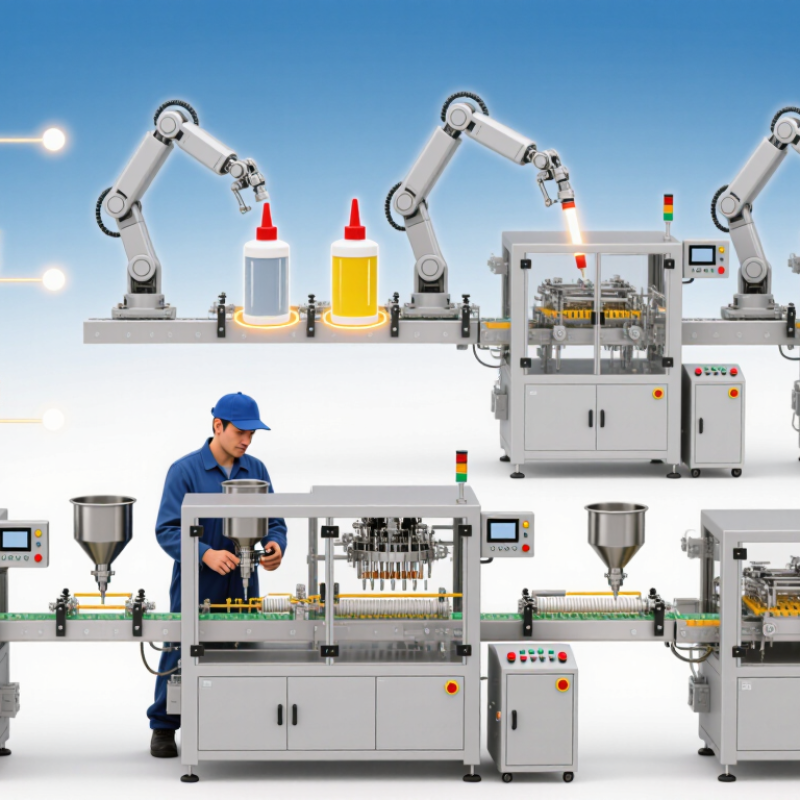
How to Choose an Automatic Feeding Gluing Machine?
Defining production needs should come before comparing machine specifications. Measure your daily output, peak orders, product sizes, and acceptable downtime. A machine producing 10,000 cartons per hour may be unnecessary for short, varied runs. It can also create longer setup times. Check the smallest and largest blank dimensions you will process. Record actual carton thickness, fold style, and feeding accuracy. A simple production log often reveals problems that estimates hide.
Materials directly affect feeding and glue performance. Test coated paperboard, corrugated board, recycled stock, and laminated surfaces separately. Smooth coatings may reduce adhesive absorption. Recycled fibers can create dust and uneven folding. Ask for a controlled trial using your own blanks. Observe slipping, skewing, glue stringing, and compression marks. These details matter more than a brochure’s maximum speed. I once underestimated dust from recycled board, and cleaning took longer than expected.
Your gluing requirements need precise definition. Identify the adhesive type, viscosity range, curing time, and application pattern. Decide whether the job needs a straight line, multiple lines, or intermittent dots. Cold glue may suit porous paper, while hot-melt systems may support faster bonding. Confirm nozzle adjustment, tank capacity, heating control, and cleaning access. Sensors should detect missing blanks and glue interruptions. Operators also need clear access to changeovers and safe guarding. Do not ignore maintenance time. A machine that runs quickly but takes hours to clean may weaken real production efficiency.


