


How to Choose the Right Electric Coolant Heater?

Choosing the right Electric Coolant Heater requires more than comparing prices or advertised heating power. It affects cabin comfort, battery temperature, engine protection, and overall vehicle efficiency. A suitable unit must match the vehicle’s electrical system, coolant circuit, available space, and control architecture.

Real-world selection often begins with basic measurements. Check the required voltage, rated wattage, coolant flow direction, inlet and outlet sizes, and mounting position. A compact heater may fit neatly near the battery pack, yet restrict hose routing or service access. Small details matter. Connector quality matters too.

Thermal performance should be considered alongside reliability. Look for documented operating temperatures, protection against dry running, insulation quality, and stable temperature control. Manufacturer testing, technical datasheets, and verified installation guidance provide stronger evidence than vague marketing claims. Professional technicians can also identify circulation problems that specifications may not reveal.

The best Electric Coolant Heater is not always the most powerful model. Excessive output can increase electrical demand and create unnecessary heat-management challenges. A lower-rated unit may perform better when its control system matches the vehicle’s needs. That point is easy to overlook.

This guide compares key specifications, installation factors, control methods, and long-term maintenance concerns. It also highlights common selection mistakes, including ignoring coolant compatibility or choosing a heater without confirming battery protection requirements. No selection method is perfect. Vehicle designs vary, and published data may contain limits or omissions. Therefore, verify every critical detail with the manufacturer and a qualified installer before purchase. Reliable decisions come from careful comparison, practical experience, and honest attention to uncertainty.
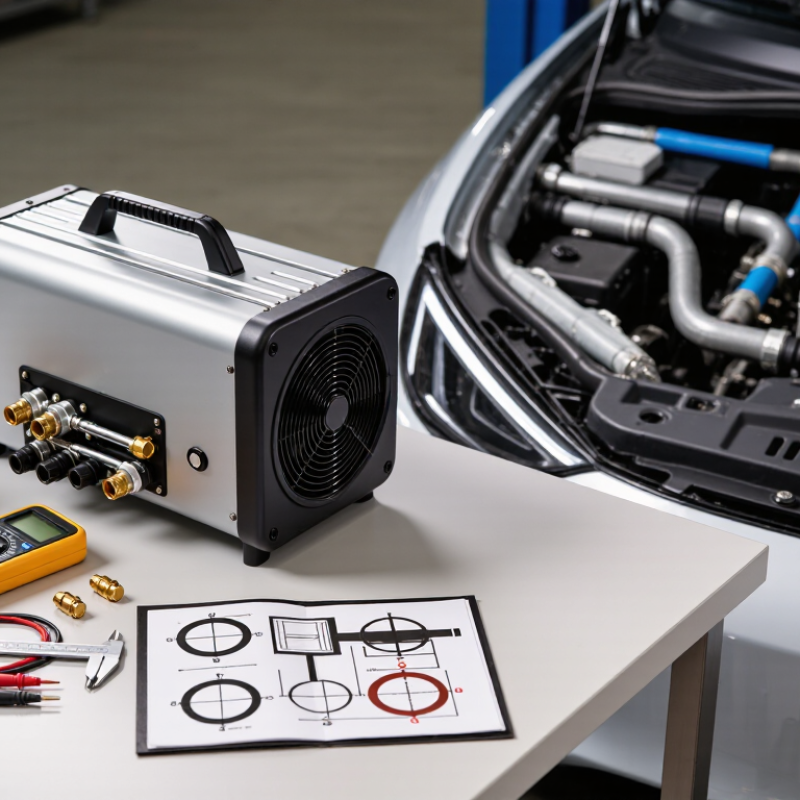
How to Choose the Right Electric Coolant Heater?

What Is an Electric Coolant Heater and How Does It Work?

An electric coolant heater warms liquid in a vehicle’s cooling circuit. It uses electrical resistance to create heat, much like a controlled heating element. A pump moves the warmed coolant through selected components, such as a battery pack, engine, or cabin heat exchanger.

The heater usually includes temperature sensors, a controller, and overheat protection. When the coolant is below its target temperature, the controller supplies power to the heating element. It reduces or stops power when the target is reached. Some systems use high-voltage power, while others operate on 12- or 24-volt circuits. The correct choice depends on the vehicle’s electrical architecture, coolant flow rate, and required heating output.

A common mistake is choosing the highest wattage available. More heat is not always better. It may overload the power system, increase energy use, or create uneven temperatures. Check the required voltage, maximum pressure, operating temperature, connector design, and control signal. The heater must also match the coolant type and the available installation space. Poor sealing can cause leaks near sensitive electrical parts. That risk deserves attention.

In practical testing, measure coolant temperature before and after the heater. Monitor current draw and flow stability. A heater that works well on a bench may perform differently inside a restricted circuit. Sizing is not always obvious. Calculations should be reviewed against real operating conditions.

How to Choose the Right Electric Coolant Heater? - What Is an Electric Coolant Heater and How Does It Work?
Selection Dimension What It Means Typical Options or Data How to Choose
Operating Principle An electric coolant heater converts electrical energy into heat and transfers that heat to a liquid coolant circuit. Resistance heating elements warm the coolant directly or through a heat-transfer chamber. A pump may circulate coolant through the heater and the vehicle or machine thermal loop. Choose a design that matches the required coolant flow direction, available installation space, and thermal-management architecture.
Primary Application The heater maintains or raises coolant temperature when the engine or traction system cannot generate sufficient waste heat. Battery-electric vehicles, hybrid vehicles, fuel-cell systems, buses, trucks, construction equipment, battery packs, and industrial thermal systems. Confirm whether the heater is intended for cabin heating, battery preheating, engine warm-up, fuel-cell temperature control, or more than one function.
Electrical Voltage The supply voltage must match the vehicle or equipment electrical architecture. Low-voltage systems commonly use approximately 12 V or 24 V. High-voltage systems commonly operate in the range of about 200–800 V DC, depending on the platform. Never select a heater based only on power. Verify the nominal voltage, allowable voltage range, connector design, isolation requirements, and control-system compatibility.
Rated Heating Power Heating power determines how quickly the coolant temperature can increase and how much heat can be delivered to the target system. Small auxiliary heaters may use several hundred watts to a few kilowatts. Vehicle thermal-management heaters commonly range from roughly 3 kW to more than 10 kW. Estimate the required heat load from coolant mass, desired temperature rise, warm-up time, ambient temperature, and heat losses. Higher power generally requires greater electrical and thermal capacity.
Heating Capacity Calculation The approximate heating energy required can be estimated using the coolant mass, specific heat capacity, and temperature increase. Basic relationship: Q = m × c × ΔT. For a water-glycol mixture, the specific heat capacity is commonly lower than that of pure water and varies with concentration and temperature. Use the actual coolant specification and include heat loss, flow resistance, heater efficiency, and control margins when sizing the system.
Coolant Type The coolant transfers heat and protects the circuit from freezing and corrosion. Water-glycol mixtures are widely used. Common mixtures include approximately 30%–50% glycol by volume, but the correct ratio depends on the required freeze protection and system specification. Make sure the heater materials, seals, hoses, and electrical insulation are compatible with the selected coolant and additive package.
Flow Rate Coolant flow carries heat away from the heating element and distributes it through the thermal loop. Required flow depends on heater power, allowable temperature difference, coolant properties, and circuit pressure loss. The acceptable range must be taken from the heater and system design data. Select a heater that can operate safely at the available pump flow. Insufficient flow may cause localized overheating, while excessive restriction can reduce overall system efficiency.
Temperature Control Control functions regulate coolant temperature and prevent overheating or freezing-related damage. Control may use temperature sensors, power modulation, pulse-width control, staged heating, or communication with a vehicle control unit. Prefer closed-loop temperature control with independent over-temperature protection and a defined fail-safe response.
Heater Configuration The physical configuration affects installation, plumbing, serviceability, and system integration. Common configurations include in-line heaters, integrated heater-and-pump units, immersion-style assemblies, and compact plate or chamber designs. Choose an in-line unit for flexible hose integration, an integrated unit when space and packaging are limited, or a dedicated immersion design when direct tank heating is required.
Voltage Isolation and Safety High-voltage coolant heaters require electrical isolation from the coolant circuit and the vehicle chassis. Important safety functions include insulation monitoring, dielectric protection, grounding or bonding provisions, over-current protection, leakage detection, and emergency shutdown. For high-voltage applications, verify compliance with applicable vehicle, electrical, and functional-safety requirements before installation or testing.
Energy Efficiency Efficiency indicates how effectively electrical input is converted into useful heat delivered to the coolant. Resistance heaters can approach very high point-of-use conversion efficiency, but total system efficiency is affected by pump consumption, heat loss, control strategy, insulation, and operating conditions. Use insulation, efficient circulation, accurate sensors, and variable power control to reduce unnecessary energy consumption.
Warm-Up Performance Warm-up performance describes how quickly the heater reaches the target coolant temperature. Performance is influenced by heater power, coolant volume, initial temperature, flow rate, ambient conditions, and the heat capacity of connected components. Choose a power rating that meets the required warm-up time without exceeding the available battery, alternator, inverter, or power-supply capacity.
Installation Position Position affects coolant circulation, air bleeding, heat dissipation, and protection from water, vibration, and mechanical damage. The heater should normally be installed according to the manufacturer’s orientation and plumbing requirements, with adequate clearance and service access. Avoid locations that trap air, expose the unit to excessive road debris, or place unnecessary stress on hoses and electrical connectors.
Protection Features Protection features reduce the risk of damage caused by abnormal operating conditions. Typical functions include dry-run protection, low-flow detection, over-temperature shutdown, over-voltage and under-voltage protection, short-circuit protection, and coolant leakage monitoring. Prioritize a heater with protection functions suited to the application’s failure modes and maintenance capabilities.
Environmental Requirements The heater must withstand the temperature, moisture, vibration, and contamination present in its operating environment. Relevant considerations include operating temperature, storage temperature, water and dust ingress protection, vibration resistance, corrosion resistance, and electromagnetic compatibility. Match the enclosure and environmental ratings to the installation area, especially for underbody, engine-compartment, outdoor, and heavy-duty applications.
Maintenance Requirements Maintenance keeps the heater and coolant circuit operating safely and efficiently. Routine work may include checking coolant level, inspecting hoses and connectors, removing trapped air, monitoring coolant condition, and checking for fault codes or leakage. Select a design with accessible connections, clear diagnostic information, replaceable service parts where appropriate, and straightforward bleeding procedures.
Best Choice for Your System The right heater balances thermal performance, electrical compatibility, safety, packaging, durability, and cost. Key data to collect: target temperature, warm-up time, coolant volume, coolant composition, flow rate, pressure drop, supply voltage, available power, control interface, and environmental conditions. Compare complete system data rather than selecting solely by rated wattage. A properly sized heater should deliver the required heat without exceeding electrical, thermal, or safety limits.

Note: Actual voltage, power, flow rate, temperature limits, protection functions, and installation requirements vary by application. Always verify final selection data through the applicable technical specification and system validation process.

Identify Your Vehicle’s Heating Needs and Operating Conditions

Choosing an electric coolant heater starts with understanding the vehicle’s real heating demands. An electric vehicle may need heat for the cabin, battery pack, or both. A hybrid may also require engine preheating during cold starts. These systems do not always share the same coolant circuit. Check the vehicle service information before selecting heater capacity, hose size, and control method.

Start with the coldest operating temperature, not the average winter temperature. At -20°C, a small heater may warm coolant slowly or fail to maintain battery temperature. Consider the required warm-up time, available parking power, and daily driving schedule. A 400-volt system needs different electrical protection than a 12-volt auxiliary circuit. Voltage mismatch can damage components. It can also create a serious safety risk.

Operating conditions matter just as much. Frequent short trips need faster heating and repeated start-stop performance. Long highway drives may require stable, continuous output instead. Vehicles working at high altitude, in wet areas, or on rough roads need suitable sealing and vibration resistance. I have found that simple wattage comparisons can mislead. Flow rate, coolant resistance, sensor accuracy, and installation space also affect results. Leave room for inspection and service. A heater that fits tightly may become difficult to repair later. Check the coolant type carefully, because incompatible fluid can weaken seals or reduce heat transfer.

How to Choose the Right Electric Coolant Heater?

Identify your vehicle’s heating needs and operating conditions before selecting heater capacity. The chart shows representative electric coolant-heater power levels commonly used for different vehicle categories.

Compact passenger vehicles typically require about 2–4 kW, while larger SUVs and commercial vehicles may need 5–12 kW. Heavy-duty buses can require 15–30 kW. Final sizing should also consider ambient temperature, cabin volume, coolant flow, battery voltage, insulation, warm-up time, and available electrical power.

Compare Heater Types, Power Ratings, and Heating Performance

Choosing an electric coolant heater starts with its heating method.

In-line heaters warm coolant as it flows through a dedicated chamber. They suit systems needing steady circulation and controlled temperature rise.

Immersion heaters transfer heat directly inside a reservoir or coolant passage. They can respond quickly, but installation space and fluid contact require careful checking.

Surface heaters attach outside a pipe or housing. They are easier to install, though heat losses may increase.

Power ratings show capacity, not guaranteed performance. A 3 kW heater may heat efficiently in a small, well-insulated loop. The same heater may struggle with a large battery pack, cold coolant, or high flow. Check voltage, current, coolant volume, and target temperature together. Heating time can be estimated from fluid mass, temperature difference, and specific heat. Real systems also lose heat through hoses, fittings, and exposed metal.

Numbers can mislead. I have seen heaters meet their rated output but warm a system slowly because coolant circulation was uneven. A pump with insufficient flow can create hot spots near the element. Excessive flow, however, may reduce temperature rise across one pass. PTC heaters can limit their own temperature as resistance increases, offering useful protection. Conventional resistance heaters may provide strong output, but they need reliable sensors and control logic. Test performance at the lowest expected ambient temperature, not only in a warm workshop. Allow room for error.

Check Compatibility, Installation Requirements, and Safety Features

Choosing the right electric coolant heater starts with compatibility, not appearance. Match the heater to the vehicle’s coolant type, voltage, power demand, and available space. Check hose diameter and connection direction carefully. A small mismatch can cause leaks, poor circulation, or difficult servicing. Confirm that the heater suits the cooling system’s operating pressure. Technical data from the vehicle and heater manuals should agree.

Installation requirements deserve equal attention. Measure the mounting area before ordering, especially near exhaust parts, belts, and moving components. The heater should sit securely, with hoses routed smoothly and away from sharp edges. Electrical connections need correct wire size, suitable fuses, and reliable grounding. A qualified technician should inspect the installation. In practice, even experienced installers can overlook a tight bend behind a bracket. That mistake may appear only after repeated heating cycles.

Tips: Look for overheat protection, dry-run protection, temperature control, and automatic shutdown. These features reduce risk during low coolant conditions or sensor faults. Verify that the heater’s control method fits your daily routine. Some systems need a timer, while others use a manual switch. Test the unit after installation and check for leaks, unusual noise, and loose connections. Keep the installation record. It helps with future maintenance and troubleshooting. Do not rely on a generic fit claim. Real compatibility depends on the complete system.

Evaluate Energy Efficiency, Durability, Controls, and Total Cost

Choosing an electric coolant heater starts with measurable efficiency, not brochure claims. The IEA’s Global EV Outlook 2024 recorded almost 14 million electric car sales in 2023. Thermal management now affects a large and growing vehicle population. Check the heater’s heat output against electrical input, expressed in kW and kWh. Electrical heating is nearly fully converted at the component, but pumps, wiring, and repeated cycling add losses. The U.S. Department of Energy’s Vehicle Technologies Market Report also confirms that cold conditions reduce electric-vehicle efficiency and driving range.

Durability deserves equal attention. Review coolant compatibility, vibration resistance, sealing, thermal-cycle testing, and rated operating hours. An IP rating helps, but it does not replace field evidence. Ask for test conditions. A heater tested in a clean laboratory may behave differently beside salted roads and frequent short trips. Controls should support temperature feedback, soft starting, fault detection, and communication with the vehicle’s thermal system. Simple controls can be reliable. They can also waste energy when calibration is poor. Total cost includes installation, wiring, pump demand, maintenance, and replacement risk. A lower purchase price is not always cheaper over five winters.

Tips: Compare measured heat output, standby consumption, and warranty terms. Request data from recognized standards or independent laboratories. Calculate annual cost using local electricity rates and expected operating hours. I would not trust one efficiency figure; test results need context. Check service access before approval. A difficult repair can erase early savings.

Powder Coat Booths

For those larger-sized parts, or smaller quantity runs, we have 2 independent powder coat booths and ovens. The quality, durability and affordability of today’s powder coating finishes make this the process of choice for world-class companies.

Powder coating advantages over other forms of coating are many. Materials used in the Powder coating process can be metals and non-metals that come in a multitude of thicknesses, textures, colors, etc. Another of Powder coating’s biggest advantages over conventional coatings is its ability to create finishes in many different textures. Powder Coating Booths allow us the ability to apply these advantages to large products.

Wet Paint Line

Tri-State Fabricators runs a full-service conveyor line for painting. Wet painting can provide protection or decoration to many different part styles. From start to finish, every project is easier to undergo random and point-based inspection by our skilled painting team.

Advantages to our Wet Paint Line are these lines start with product prep and ends with a thorough inspection of a high quality finished product. Our ability to complete large and small projects with a superior finish and doing so in a timely and economical fashion. This passes along the savings in production to our customers. When powder coating ins not an option, our Wet Paint Line gets the job done right the first time.

Wet Paint Booths

When the parts get big and heavy we roll-out our custom paint racks and oversize booth. By utilizing our partnerships with all the major paint brands, we can match virtually any color with wet paint.

The advantages of having access to a Wet Paint Booth are many. Large projects of many different shapes can be loaded into the booth. The Wet Paint Booth offers an environment that is much more controlled than a typical parts painting operation.

Not only are they used because of their controlled environment, but they’re are also advantageous when it comes to applying paint to parts that are needed in industries that require specialty coatings such as medical, aerospace, etc.

Military CARC

Our military forces have some very high standards when it comes to the finish of their vehicles and equipment. From the first pre-treatment step to final coat, it takes a great deal of knowledge and experience to protect the men and women of our armed forces. They deserve only the best, and Tri-State Fabricators provides it.

All of our processes are closely monitored by our staff and management teams. Both of which are highly trained in the processes of metal fabrication and finishing. Tri-State Fabricators’ goal is to always fully satisfy each and every customer, including the military. We will always put a 110% into what we do.

Glass-Bead Blasting

Abrasive media blasting is an excellent way to remove old paint, rust, and increase the paint/powder adhesion. Glass beads produce a much smoother and brighter finish than angular abrasives; leaving the part clean yet without any dimensional change. Chemically inert and environmentally friendly, we can recycle our beads approximately 30 times; making them a more preferred method of metal cleaning or surface finishing.

Advantages to Glass Bead Blasting are many. Glass bead blast media is used when a project is needing rough surfaces need to become smooth for applications of coatings such as paint. It is typically used to clean paint and rust from a product surface without deforming the surface it is being used on. Overall, compared to many other blasting media, Glass Bead Blasting is a very economical choice and those savings are always passed on to our customers.

Part Washing

Tri-State Fabricators utilize a zinc phosphate wash to clean and etch the material to ensure the best paint adhesion possible. The unique design of our 3-stage wash system does the work like a 5-stage. From Cleaning and rinsing to conversion coating and post-treatment, Our Part Washing process is a complete service and works throughout the fabrication service and the finishing service.

Along with the previously mentioned benefits, Curing is a vital chemical reaction that leaves the product finish hard and relatively safe from mild abrasion and aggressive corrosion. This process can be done in more than one way; ambient air-dry or in curing ovens at temps that exceed 240°.

Burn-Off Oven

From fixing paint mistakes (someone else’s of course) to simply cleaning our paint line hooks, our burn-off oven is put to good use. After a quick burn-off, a little clean up, and a fresh coat of paint, your parts will look better than new.

Why does our Burn-Off Oven work so well? Because super heating the air around parts turns the materials into ashes. From paint and powder coatings to rubber and machining oils, high temps do the job without degrading the integrity of the part.

Masking

Masking is a vital part of producing high quality products. We have die-cut masking patterns to protect machined surfaces as well as a wide range of plugs and caps to protect threaded holes and bolts. We provide permanent and temporary masking.

Masking allows the selected sections of a product to be protected from a fabrication or finishing service. This can be with both chemicals when etching and tapes, paints when only finishing just a section of the product. Masking is great in aiding the customization process of a project.

Screen Printing

Screen printing is a photographic process that transfers artwork onto a porous nylon screen which allows colored ink to flow through the screen and be deposited on an aluminum or plastic component. We can generally have just about any design created onto a screen for your parts.

Some of the advantages of Screen Printing are, brand recognition for your business displaying on your products, assembly instructions, product warnings/hazards, etc. Tri-State Fabricators produces Screen Printing of the highest quality so you know it’s durable.

Metal Finishing

Metal Finishing is the art of treating the exterior portion of product, often metal but can also be made of other materials, so that the surface is clean and free of any debris. Then the process of applying coats or either paint of powder coat takes place. This coating process improves the quality of the product in both appearance and resistance to wear and corrosion.

Tri-State Fabricators, Inc., understands that a project typically isn’t complete until a high-quality finish has been added to your product. This is why our painting and powder coating teams continuously inspect the products throughout the Metal Finishing process.