How to Choose the Right Flow Controller Throttle for Your Needs?
When selecting a Flow Controller Throttle, understanding your requirements is crucial. These devices regulate fluid movement and play a vital role in various applications. Whether for industrial processes or residential systems, the right choice can significantly impact efficiency.
Many options exist, yet not every throttle suits every situation. Some are designed for high-pressure systems, while others excel in low-flow scenarios. User experience shows that improper selection can lead to decreased performance and potential system failures. It’s important to evaluate factors such as fluid type and flow rates carefully.
Consider how the Flow Controller Throttle operates within your setup. Is it compatible with existing equipment? Are there brand preferences based on reliability and support? These reflections guide your decision-making process. Prioritizing these elements helps ensure you select a throttle that meets your operational needs effectively.
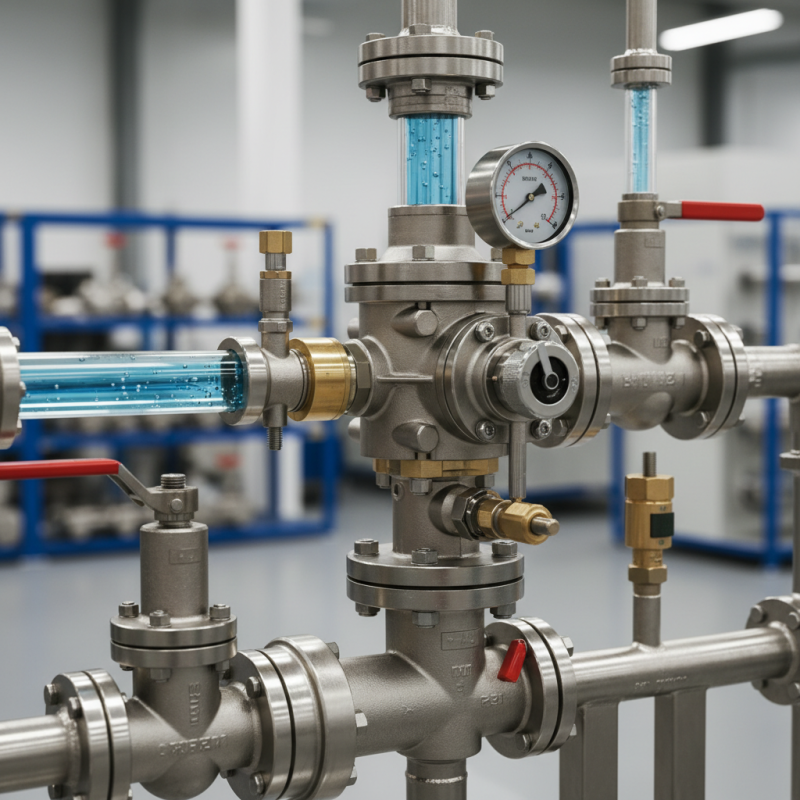
Understanding Flow Controller Throttles: An Overview
Understanding flow controller throttles is crucial for effective fluid regulation across various industrial applications. These devices play a vital role in controlling flow rates and pressures. They impact both energy consumption and system efficiency. According to industry reports, improper throttle selection can lead to a 20% loss in efficiency. This makes the choice of the right flow controller essential.
When selecting a throttle, consider the fluid type and temperature. Different materials withstand varying conditions. Research shows that approximately 40% of failures stem from material incompatibility. This highlights the importance of material selection in the long-term performance of flow controllers.
Tips: Always consult with knowledgeable professionals. They offer insights tailored to specific applications. Additionally, regularly review your system’s performance metrics. Maintaining detailed records can help identify inefficiencies. Upgrading may be necessary as technology advances, reflecting the need for continuous improvement and adaptation in system designs.
Key Factors to Consider When Choosing a Flow Controller Throttle
Choosing the right flow controller throttle requires careful consideration of several factors. One key element is the application. Different industries, such as chemicals, pharmaceuticals, and food processing, have unique requirements. For instance, a recent report from the Flow Control Industry Association states that nearly 45% of firms struggle with pressure consistency in applications. Understanding your specific needs is essential for effective performance.
Another crucial factor is the type of fluid being controlled. Viscosity and temperature can greatly influence the throttle’s efficiency. Companies that overlook this detail may face system failures. According to industry statistics, improper fluid management can lead to a 30% increase in operational costs. By conducting thorough fluid analysis, you can ensure optimal compatibility and lower costs.
Tips:
1. Assess your flow ranges carefully. Grasping your system’s unique demands ensures you select an adequate throttle.
2. Regularly monitor performance metrics. This practice helps identify issues before they escalate.
3. Consult industry experts for tailored advice. Their insights can prevent costly mistakes.
Always remember that what works for one system may not work for another. Each situation presents its own challenges. Stay adaptable and open to feedback. Ensuring reliability in your flow control systems will ultimately enhance efficiency.
How to Choose the Right Flow Controller Throttle for Your Needs? - Key Factors to Consider When Choosing a Flow Controller Throttle
| Factor | Description | Importance Level | Example Applications |
| Flow Rate | The volume of fluid that can be controlled over time. | High | Water treatment, Chemical processing |
| Pressure Compatibility | The maximum and minimum pressure the throttle can handle. | Medium | Oil and gas industry, HVAC systems |
| Material Compatibility | The materials suitable for the fluids being controlled. | High | Food and beverage, Pharmaceutical |
| Control Type | Manual vs. automatic control options available. | Medium | Irrigation, Industrial processes |
| Size and Installation | The dimensions and ease of installation in the system. | Low | Water pipelines, Chemical reactors |
Types of Flow Controller Throttles and Their Applications
Choosing the right flow controller throttle is crucial for specific applications. Understanding the types available can simplify this decision. A few common types include pneumatic, electric, and manual throttles. Each type serves distinct functions in various industries.
Pneumatic throttles are ideal for applications that involve gases. They allow fine adjustments and quick response times, making them suitable for automation. Electric throttles, on the other hand, offer precision control for liquids. Their electronic components can easily integrate into existing systems.
Manual throttles provide simplicity and direct user control, often found in smaller or less complex setups.
Each type has its trade-offs. Pneumatic systems may require frequent maintenance. Electric throttles may involve higher initial costs. Manual options can lead to inconsistencies if not operated correctly. Evaluating these factors is essential for effective decision-making.
Assessing Compatibility with Your Existing Systems
When choosing the right flow controller throttle, compatibility with your existing systems is key. You must assess connector types, pressure capabilities, and flow requirements. Mismatched components can lead to inefficiency. For example, ensuring the correct size prevents leaks and operational failures.
Consider the specifications of your system before making a decision. Check if the throttle fits within the pressure range you operate. If it's too high or too low, it might not perform as needed. Testing the system under varying conditions is advisable. This helps identify potential issues early on.
Tips for selection: Always review your flow rate requirements. Opt for a throttle that can handle your peak demands. Evaluate materials and their durability against your working environment. Lastly, frequent recalibration can help maintain optimal performance. Regular maintenance is a must to avoid costly mistakes.
Maintenance and Performance Optimization for Flow Controllers
Proper maintenance is key to the optimal performance of flow controllers. Regular inspection of the throttle components helps ensure reliability. Look for wear or corrosion, as these can affect efficiency. Keep an eye on the sealing surfaces; small leaks can lead to significant performance losses. Clean the flow paths to prevent buildup, which can compromise functionality.
Adjusting settings for specific applications is crucial. Monitor the response of your system. A controller that works well in one scenario may underperform in another. Evaluate and recalibrate periodically to adapt to varying operational conditions. Consistent monitoring will help identify issues early.
Learning from mistakes can improve your setup. Document any problems and resolutions. Reflecting on past experiences leads to better future decisions. Embrace the ongoing learning process inherent to maintaining flow controllers. This proactive approach fosters reliability and performance excellence over time.
Flow Controller Performance and Maintenance Metrics





