Why Choose the Right Lotion Bottle for Global Sourcing?
Choosing the right Lotion Bottle is a sourcing decision, not merely a packaging preference. It affects product protection, shipping efficiency, customer trust, and long-term brand costs. A bottle may look attractive on a sample table, yet fail after heat exposure, repeated pumping, or international transit.
Industry data shows why this decision deserves greater attention. Grand View Research valued the global cosmetics packaging market at approximately USD 32.4 billion in 2022 and projected continued growth through 2030. Its analysis highlights strong demand for convenient, lightweight, and sustainable formats. Smithers’ report, The Future of Sustainable Packaging to 2028, also identifies material reduction, recyclability, and improved package performance as major development priorities. These trends directly influence global Lotion Bottle sourcing.
A reliable bottle must match the formula’s viscosity, acidity, oils, and active ingredients. Airless pumps can reduce contamination risks, while standard pumps may offer lower unit costs. The choice is not universal. It depends on filling lines, minimum order quantities, closure compatibility, and destination markets.
Small details matter. A weak dip tube can leave product behind. A loose pump can stain cartons during ocean freight. A heavy bottle may feel premium, but increase transport emissions and breakage exposure. No option is perfect.
Professional sourcing teams should request compatibility tests, leakage tests, drop tests, and accelerated aging results before approving production. Suppliers should also provide material specifications and traceable quality records. Personal experience often reveals what spreadsheets miss: a bottle that survives the factory may still fail in a customer’s bathroom. That possibility deserves honest review.
What Is a Lotion Bottle and Why Does It Matter in Global Sourcing?
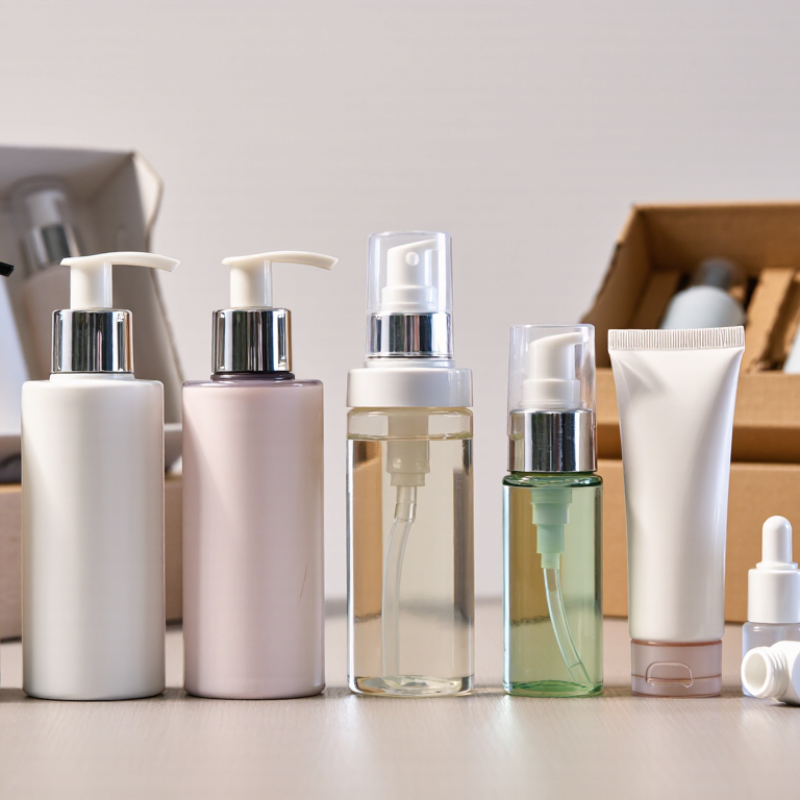
A lotion bottle is a container designed to store and dispense creams, moisturizers, and similar personal-care formulas. It usually includes a bottle body, shoulder, neck, and pump or flip-top closure. That sounds simple. In global sourcing, each part affects product safety, user experience, and shipping performance.
Material selection needs practical testing, not assumptions. Plastic may reduce breakage during long-distance transport, while glass can create a heavier, more premium feel. However, formula compatibility remains critical. Oils, acids, fragrances, or alcohol-based ingredients may weaken certain plastics or affect seals. A sourcing team should request compatibility samples, leakage tests, pump-cycle tests, and temperature checks before placing a large order. I have seen attractive packaging fail because the pump blocked after repeated use.
Bottle dimensions also influence carton efficiency and freight costs. A slightly wider bottle may reduce the number of units per carton. A taller design may require stronger dividers. These details matter when products move through humid ports, warehouses, and multiple handling points. Suppliers should provide material specifications, closure measurements, batch records, and inspection reports. Reliable documentation supports traceability and more consistent quality.
No design is perfect. A pump that feels smooth in a showroom may perform differently after storage. Sourcing decisions should balance appearance, formula protection, manufacturing capacity, and regional packaging requirements. Small pilot orders can reveal problems earlier, although they may feel slower and more expensive at the beginning.
Why Choose the Right Lotion Bottle for Global Sourcing?
What Is a Lotion Bottle and Why Does It Matter in Global Sourcing?
A lotion bottle is a dispensing container designed to protect cosmetic formulations and deliver them through a pump, squeeze, or flip-top closure. Material selection matters in global sourcing because density affects shipping weight, packaging efficiency, handling requirements, and supply-chain costs.
The chart compares typical material density values used for lotion containers. Values shown are representative midpoints of commonly published material ranges: PP (0.90–0.91 g/cm³), HDPE (0.94–0.97 g/cm³), PET (1.38–1.40 g/cm³), and glass (2.40–2.60 g/cm³).
How to Match Bottle Materials with Lotion Formulas and Market Needs
Choosing the right lotion bottle starts with the formula, not the appearance. In sourcing projects, I have seen attractive packaging fail after filling. Oils, botanical extracts, and high levels of active ingredients can weaken certain plastics. Heavy emulsions may also struggle with narrow pumps. Compatibility testing should include heat, cold, leakage, odor transfer, and repeated dispensing.
PET offers clarity and a clean shelf presentation. It suits many lightweight lotions and supports efficient transport. HDPE provides stronger chemical resistance and better protection from light when tinted. PP works well for closures, pumps, and flexible components. Glass gives a premium feel, but its weight increases shipping costs and breakage risks. Airless packaging can protect sensitive formulas, although its internal parts require careful testing.
Market conditions matter just as much. Humid regions may need reliable seals and moisture-resistant labels. Cold climates can change lotion viscosity and affect pump performance. E-commerce requires stronger cartons and bottles that survive vibration. Recycling expectations also differ between markets, so material choices should be checked with local packaging specialists. I once treated a “universal” bottle as a safe option; it was not. Formula testing was too brief, and the pump became stiff after storage. That mistake still shapes my sourcing process. Small pilot batches, documented test results, and feedback from filling teams make decisions more reliable.("")]
//
Which Design Features Improve Lotion Bottle Functionality and User Experience?
Choosing the right lotion bottle begins with everyday use, not appearance alone. A useful design should feel stable, open easily, and dispense a consistent amount. During supplier evaluations, I check the pump after repeated presses, including with wet hands. The actuator should return smoothly without leaving product around the nozzle. Small details matter. A wide shoulder can improve grip for users with limited hand strength.
For thick lotion, a shorter dip tube may reduce waste near the bottom. Airless packaging can support cleaner dispensing and limit repeated air exposure. However, it may cost more and require tighter component matching. A lockable actuator helps prevent leakage during shipping. Clear dosage marks can guide users who apply lotion to specific areas. Test the bottle with real formulas, not only water. Viscosity changes everything. One early sample looked excellent but delivered uneven doses after several days. That failure changed our testing process.
Global sourcing also requires practical compatibility. Standardized neck finishes can simplify component replacement across suppliers. Confirm resin information, closure dimensions, and pump output in writing. Ask for drop, leakage, temperature, and transit simulations before approving production. User feedback should include opening force, grip comfort, and the final amount left inside. A lighter bottle may reduce shipping weight, but it can feel unstable on a bathroom shelf. The best choice is rarely perfect. It is the one whose weaknesses are understood, tested, and managed.
How Do Regulations and Quality Standards Affect Global Bottle Sourcing?
Choosing the right lotion bottle for global sourcing requires more than comparing price and appearance. Regulations and quality standards can change the entire purchasing decision.
A bottle must suit the cosmetic formula, filling process, and destination market. Some regions require packaging information, material declarations, and safety documentation.
Suppliers should provide test reports for leakage, pressure resistance, and chemical compatibility. Migration testing may also matter when ingredients can react with plastic.
A reliable sourcing team checks whether documents match the exact bottle, pump, cap, and material grade.
Factory audits add practical evidence. Look for controlled production areas, batch records, calibrated testing equipment, and trained inspectors.
Request samples from different production runs. One attractive sample proves very little.
In my experience, a lotion pump may work perfectly during bench testing but fail after weeks of repeated use. That small detail can create returns, waste, and customer complaints.
Quality standards should be verified, not simply promised. Ask how the factory handles defects, color variation, and mold changes. Confirm carton strength for long-distance shipping.
Regulations are not always clear across markets. Local review may still be necessary.
I once underestimated the effect of a regional labeling update; the bottle remained safe, but the launch schedule changed. That mistake showed why compliance checks should begin before final tooling.
Lower cost is useful. Unverified cost is risky.
How to Compare Suppliers, Costs, and Supply Chain Risks Effectively
Why Choose the Right Lotion Bottle for Global Sourcing?
When comparing lotion bottle suppliers, calculate landed cost, not only the quoted unit price. A 250-milliliter bottle may need a custom mold, pump, carton, inspection, freight, duties, and safety stock. Small details matter. Ask each supplier for mold ownership terms, minimum order quantities, production lead times, and defect allowances. Request recent quality records, material certificates, and batch traceability documents. Factory visits help, but remote audits can miss process weaknesses.
Supply chain risk deserves equal attention. UNCTAD’s Review of Maritime Transport 2023 reports that over 80% of global trade moves by sea. Port congestion or route changes can therefore delay packaging for weeks. The World Bank’s Logistics Performance Index 2023 compares 139 economies across customs, infrastructure, shipment quality, and tracking. Use those indicators when screening production regions. A supplier with slightly higher pricing may offer shorter routes, stronger documentation, or reliable secondary capacity.
Material decisions also affect future exposure. The OECD Global Plastics Outlook reports 353 million tonnes of plastic waste in 2019 and projects significant growth by 2060. Compare HDPE, PET, recycled content, pump compatibility, and recycling guidance with technical evidence. Build a two-supplier plan where practical, but avoid splitting volumes too early. My sourcing spreadsheets are never perfect; forecast errors and rejected pumps still happen. Add realistic buffers, test filled bottles under heat and transport vibration, and review total cost quarterly.
Why Choose the Right Lotion Bottle for Global Sourcing? - How to Compare Suppliers, Costs, and Supply Chain Risks Effectively
| Evaluation Dimension | Option 1
Regional stock supplier | Option 2
Export-focused supplier | Option 3
High-flexibility supplier | Sourcing Implication |
| Bottle specification | 250 ml HDPE, snap-on lotion pump | 250 ml PET, screw-on lotion pump | 250 ml HDPE, lockable lotion pump | Material choice affects chemical compatibility, appearance, weight, and transport cost. |
| Minimum order quantity | 5,000 units | 20,000 units | 3,000 units | Lower MOQ reduces inventory exposure but may increase the unit price. |
| Quoted unit price, EXW | US$0.18 | US$0.16 | US$0.21 | EXW pricing excludes international freight, duties, inspection, and destination charges. |
| Estimated international freight per unit | US$0.040 | US$0.060 | US$0.035 | Freight depends on origin, carton volume, shipment mode, and order size. |
| Estimated duty and import charges per unit | US$0.010 | US$0.012 | US$0.010 | Actual duty must be confirmed with the destination country’s tariff classification. |
| Pre-shipment inspection allowance per unit | US$0.010 | US$0.012 | US$0.008 | Inspection cost is small compared with the cost of defective packaging or delayed launch. |
| Estimated landed cost per unit | US$0.240 | US$0.244 | US$0.263 | Calculated as EXW price plus freight, estimated duty, and inspection allowance. |
| Estimated landed cost for 10,000 units | US$2,400 | US$2,440 | US$2,630 | Compare total landed cost rather than EXW price alone. |
| Standard production lead time | 18–25 days | 30–40 days | 20–30 days | Confirm whether lead time starts after deposit, artwork approval, or pre-production sample approval. |
| Sample approval time | 5–7 days | 7–10 days | 4–6 days | Fast sample cycles support quicker validation of pump performance and bottle fit. |
| Reported defect rate from recent production records | 1.8% | 1.2% | 2.4% | Request inspection reports and define acceptable quality limits before purchase. |
| Average transit-time variability | ±4 days | ±7 days | ±5 days | Use safety stock when demand or transport schedules are uncertain. |
| Payment structure | 30% deposit / 70% before shipment | 30% deposit / 70% before shipment | 20% deposit / 80% before shipment | Milestone-based payment can reduce financial exposure before final inspection. |
| Tooling or mold charge | US$0; standard mold | US$0; standard mold | US$1,800; custom closure option | Custom tooling should be amortized over realistic forecast volume and contractually protected. |
| Recyclability consideration | HDPE bottle; mixed-material pump | PET bottle; mixed-material pump | HDPE bottle; mixed-material pump | Recycling outcomes depend on local collection systems and component separation. |
| Supply-chain risk score | Medium: 3.0 / 5 | Medium-high: 3.6 / 5 | Low-medium: 2.6 / 5 | Score combines MOQ, lead-time variation, defect rate, payment exposure, and tooling dependency; 1 is lowest risk. |
| Best-fit sourcing scenario | Short replenishment cycles and moderate volumes | Large, predictable orders focused on unit price | Pilot launches, frequent design changes, and lower-volume orders | Select the option that matches demand certainty, cash-flow capacity, and launch deadlines. |
Benchmark assumptions: Costs are shown in USD for a 10,000-unit shipment of standard 250 ml lotion bottles. Landed cost includes EXW price, estimated international freight, estimated duty/import charges, and pre-shipment inspection allowance. Final values should be verified through destination-specific quotations, tariff classification, packaging tests, and signed quality specifications.





