How to Choose the Right PP Dunnage Bag for Shipping?
Choosing the right Pp Dunnage Bag is a practical shipping decision, not a simple purchasing task. A bag that looks strong may still fail inside a vibrating container. The correct choice depends on the cargo gap, load weight, transport distance, and container type. It also depends on how carefully workers inflate and position each bag.
Packaging engineer David J. Newell explains, “A dunnage bag should fill the empty space without pushing the cargo beyond its safe limits.” This principle deserves attention. A PP woven outer layer can resist abrasion, while the inner air bladder provides cushioning. Yet neither feature compensates for an unsuitable size or incorrect inflation pressure. Small details matter. Sharp pallet edges, uneven cartons, and wet loading areas can change performance.
This guide examines how to choose a Pp Dunnage Bag for different shipping conditions. It considers bag grade, pressure rating, dimensions, valve design, and supplier documentation. It also explains why a lightweight bag is not always the economical option. A cheaper product may require replacement after one journey. That is not always obvious during purchasing.
Inspect the void carefully. Measure it. Check the cargo weight. Then compare those details with the manufacturer’s recommendations and recognized transport requirements. In practice, selection is rarely perfect on the first attempt. Shipment records, damaged packaging, and operator feedback may reveal weaknesses later. That honest review helps improve the next load. The goal is simple: stabilize cargo, reduce movement, and protect goods without creating unnecessary pressure.
Understanding PP Dunnage Bags and Their Role in Cargo Protection
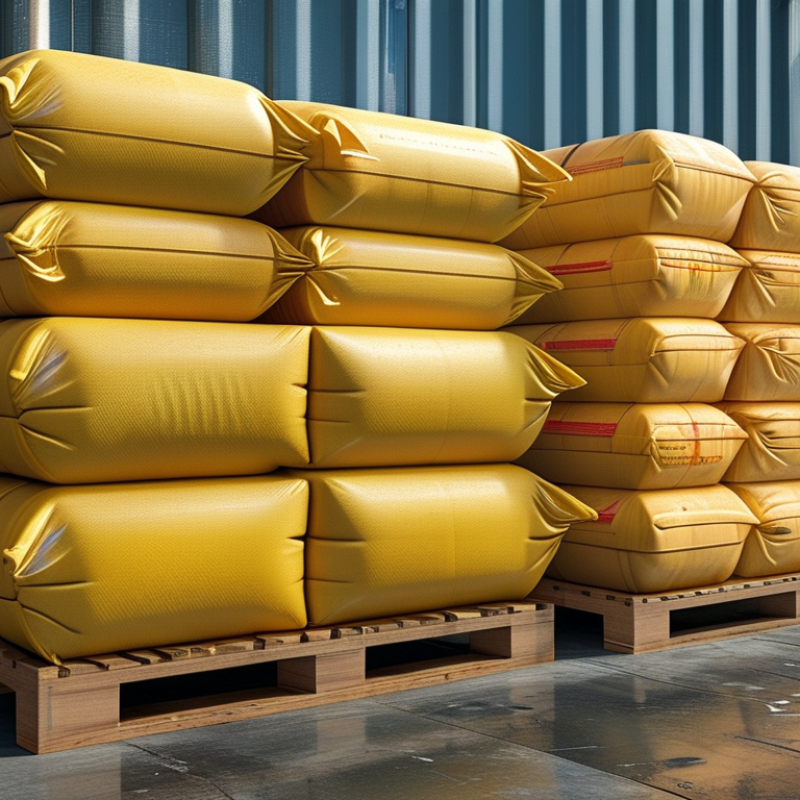
PP dunnage bags are inflatable cushions that stabilize cargo during transport. They fill empty spaces between pallets, cartons, and container walls. Their woven polypropylene outer layer provides strength and resistance to handling damage. The inner liner holds air and creates controlled pressure against the load. That pressure helps reduce shifting during braking, turning, vibration, and rough handling.
The right bag size depends on the measured void, cargo weight, and transport method. A bag that is too small may not support the load evenly. An oversized bag can press against weak cartons and cause crushing. Measure the gap after loading, not before. Check for sharp corners, exposed nails, or rough pallet boards. Protective sheets may be necessary. Inflation pressure must follow the bag’s instructions. Too much air can distort packaging. Too little air allows movement. It is not a perfect calculation.
Before closing the vehicle or container, inspect the bag’s seams, valve, and surface. Look for cuts, wrinkles, or slow leakage. A quiet hiss can reveal trouble. Operators often check inflation but forget the contact area. The bag should touch stable cargo surfaces, not fragile wrapping alone. Use bags suitable for the transport environment, and follow applicable cargo securing requirements. Temperature changes may affect internal pressure, so inspection records should include loading conditions and the time of checking. A small gap can become a large movement problem.
Selecting the Appropriate PP Dunnage Bag Size and Strength
Choosing the right PP dunnage bag starts with the cargo gap, not the bag catalogue. Measure the void after loading, including movement caused by pallets, drums, or uneven cartons. A bag that is too small may not bridge the space. An oversized bag can press against weak packaging.
The required strength depends on cargo weight, transport mode, and restraint quality. The IMO/ILO/UNECE CTU Code recommends preventing cargo movement through proper blocking, bracing, and securing. PP dunnage bags should support this system, not replace it. Their performance is commonly assessed under ISO 16049-1, which covers inflatable dunnage bag requirements and testing. Select the correct application level, then confirm the bag’s maximum permitted gap and working pressure. Do not judge strength by appearance.
TT Club has repeatedly reported that poor packing contributes to about 65% of cargo damage claims. That figure deserves attention. Still, it is not a universal prediction for every shipment. A practical loading review should check the bag’s width, length, contact area, and pressure rating against the actual void. For example, a narrow gap between stable pallets may need a smaller bag with controlled inflation. A wide gap may require stronger bags, layered blocking, or additional restraint. Test inflation equipment before loading. Record the measured gap and pressure. Small mistakes remain possible.
How to Choose the Right PP Dunnage Bag for Shipping? - Selecting the Appropriate PP Dunnage Bag Size and Strength
Bag Size
(Width × Length) | Recommended Void Width | Typical Load Arrangement | Suggested Strength Level | Typical Inflation Pressure* | Suitable Shipping Uses |
| 600 × 1200 mm | 50–150 mm | Small cartons, parcels, and palletized light goods | Light-duty; fabric tensile strength around 450–650 N/50 mm | 20–40 kPa | Parcel vans, small trucks, and short-distance road transport |
| 900 × 1200 mm | 100–250 mm | Standard pallet loads with moderate movement risk | Medium-duty; fabric tensile strength around 650–850 N/50 mm | 30–50 kPa | General road freight, mixed pallet shipments, and containerized cargo |
| 900 × 1800 mm | 150–350 mm | Two or more pallet rows with a longer contact area | Medium-to-heavy duty; fabric tensile strength around 850–1,100 N/50 mm | 30–60 kPa | Long-haul trucking, export containers, and dense palletized products |
| 1200 × 1800 mm | 200–400 mm | Large pallets, drums, bundled materials, and machinery components | Heavy-duty; fabric tensile strength around 1,000–1,300 N/50 mm | 40–60 kPa | Ocean containers, rail transport, and heavy industrial cargo |
| 1200 × 2400 mm | 250–500 mm | Wide voids between large or irregularly arranged cargo | Extra-heavy duty; fabric tensile strength around 1,200–1,500 N/50 mm | 40–60 kPa | Long containers, rail wagons, oversized pallet groups, and high-mass loads |
Selection guidance: Measure the actual void before choosing a bag. The bag should contact the cargo surfaces without being folded, twisted, or forced into an excessively narrow space. Use the smallest suitable bag size that provides adequate contact across the load.
Strength considerations: Select a higher-strength PP dunnage bag for heavier cargo, longer transport routes, repeated handling, rail movement, or higher vibration and impact exposure. Dunnage bags are intended to stabilize cargo and are not a substitute for required blocking, bracing, straps, or other load-securing equipment.
*Pressure note: Inflation pressure ranges are typical guidance for PP woven dunnage bags. Always follow the bag supplier’s specified working pressure, inflation method, and applicable transport regulations. Do not exceed the rated pressure or use a damaged bag.
Verifying Quality Standards, Safety Requirements, and Reusability
Choosing a PP dunnage bag requires more than checking its size. A reliable bag should have documented burst pressure, seam strength, valve performance, and leak-test results. Ask for batch traceability and testing against recognized requirements, such as the CTU Code and applicable rail or transport standards. The World Bank’s 2023 Logistics Performance Index shows that reliability and shipment visibility remain important logistics measurements. A failed bag can damage both cargo and delivery performance.
Safety depends on correct use. Measure the gap, select the proper bag level, and follow the supplier’s inflation pressure. Never treat a visibly damaged bag as reusable. Inspect the outer woven fabric, valve, seams, and corners before loading. The 2023 UNEP report estimates that about 430 million tonnes of plastic are produced annually, with roughly two-thirds becoming short-lived products. Reusing sound PP bags may reduce replacement waste, but only when inspection records support that decision. This is where practice can be imperfect; warehouse teams sometimes rely on appearance alone.
Tips: Keep a simple inspection log. Record the bag’s batch, use count, pressure check, and defects. Store bags away from sunlight, oil, sharp edges, and moisture. Trial the bag on one shipping route before wider adoption. Reusability is not automatic. It must be proven through controlled checks.
How to Choose the Right PP Dunnage Bag for Shipping?
A practical 100-point screening model for verifying quality standards, safety requirements, and reusability before shipment.
Quality and safety should receive the highest priority because bag integrity, reliable seams and valves, correct inflation, load stability, and traceable test records directly affect cargo protection. Reusability should be assessed through inspection results, repairability, cleanliness, storage conditions, and the supplier’s documented reuse guidance. These percentages are a transparent selection framework, not universal legal limits; always confirm the applicable transport regulations and current test requirements for the route and cargo.