How to Choose the Right Prefabricated Substation for Your Project?
Choosing the right Prefabricated Substation for your project is essential. A well-selected substation can enhance efficiency and safety. These units come in various sizes and specifications. Understanding your project requirements is crucial for making the right choice.
Consider the location and purpose of the prefabricated substation. Will it serve an industrial site or a residential area? Each setting requires specific features. Assessing the power capacity and design options is vital. It can feel overwhelming, yet thorough planning is necessary to avoid costly mistakes later.
Engage with experienced suppliers. They can provide insights and recommendations tailored to your needs. Don't hesitate to ask about previous installations. Knowledge from experts can guide your decision-making process. Ultimately, investing time in research and consultation will lead to a reliable choice. A prefabricated substation should meet your project's demands effectively.
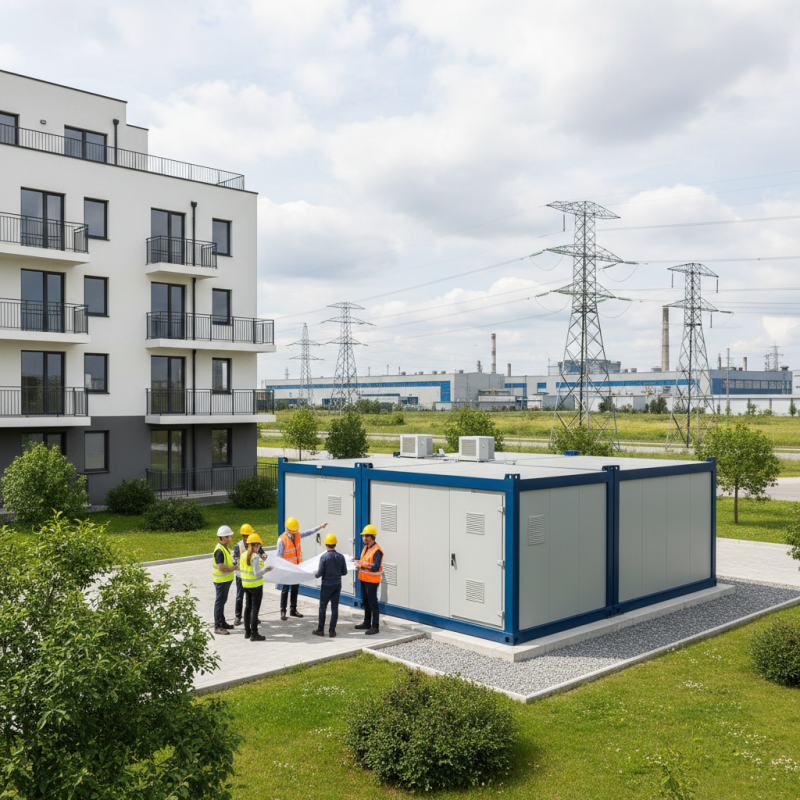
Understanding Prefabricated Substations: A Comprehensive Overview
Prefabricated substations are gaining popularity in various projects today. These units offer efficient power distribution with minimized construction time. Understanding their components is essential for project success. Common elements include transformers, switchgear, and auxiliary systems. Each component plays a critical role in ensuring reliable operation.
The modular design of prefabricated substations allows for flexibility. They can be deployed in urban and rural environments. However, site conditions can affect performance. Assessing these factors is vital before installation. Environmental issues, such as flooding or extreme temperatures, must also be evaluated.
Choosing the right substation involves more than just specifications. Project managers need to consider the long-term maintenance and operational costs. Communication with experienced engineers can uncover potential challenges early on. Sometimes, prefabricated options might not suit unique project requirements. Experts recommend conducting thorough site evaluations to make informed decisions.
How to Choose the Right Prefabricated Substation for Your Project?
| Feature | Description | Importance | Considerations |
| Capacity | Total electrical load that the substation can handle. | High | Ensure it meets current and future needs. |
| Dimensions | Physical size of the substation unit. | Medium | Check site space and layout. |
| Material | Type of materials used for construction. | High | Durability and environmental factors. |
| Cooling System | Method of heat dissipation. | High | Consider climate conditions. |
| Protection Features | Safety mechanisms to prevent failures. | High | Evaluate compliance with safety regulations. |
| Cost | Total expenditure for the substation. | Medium | Balance between budget and quality. |
| Delivery Time | Time taken for manufacturing and installation. | Medium | Align with project timelines. |
Key Factors to Consider When Selecting a Prefabricated Substation
When selecting a prefabricated substation, several key factors must be considered. Start with size and capacity. Understand the power requirements of your project. A substation must handle peak loads and future expansions. Calculate the exact specifications required for electrical demand. Each project has unique needs, and miscalculations can lead to operational issues.
Next, evaluate the environmental considerations. The location plays a significant role in your decision. Climate conditions affect the materials used. Harsh weather can compromise structures. Consider factors like humidity and temperature extremes. Additionally, check for compliance with local regulations. It's vital to ensure that selected materials are allowed in your area.
Lastly, think about installation and maintenance. Does the manufacturer provide clear instructions? Complexity can lead to delays and increased costs. Some installations require specialists, adding to expenses. Keep in mind that long-term reliability is as important as initial costs. Investing in a quality substation can save money in future repairs. Always assess the support offered by manufacturers after installation. This can impact the longevity of the substation.
Evaluating Different Types of Prefabricated Substations for Your Needs
When selecting the right prefabricated substation, understanding your specific needs is crucial. Different types of substations serve varied applications. For example, modular substations typically offer scalability and quick installation. In contrast, containerized options provide ease of transport and deployment, making them ideal for remote locations. According to a report by the International Energy Agency, the global market for prefabricated substations is expected to grow at a CAGR of 6.5% through 2025.
Evaluating your energy requirements is essential. Consider factors such as load capacity and voltage levels. If your project involves renewable energy sources, a substation designed for integration with solar or wind infrastructure is preferable. Additionally, taking into account environmental conditions is vital. Harsh climates can impact substations, requiring materials and designs that withstand extreme weather.
Tip: Outline your project’s criteria before consultation. This practice helps ensure clear communication with suppliers.
When analyzing costs, reflect on long-term benefits versus upfront investment. Some prefabricated substations may be more expensive initially but offer better energy efficiency, resulting in savings over time. Always seek expert advice and conduct site assessments for tailored solutions.
Tip: Don’t hesitate to ask for case studies. Reviewing past projects can provide insight into likely outcomes and performance.
Assessing Manufacturer Reputation and Quality Assurance Practices
When selecting a prefabricated substation, assessing the manufacturer's reputation is crucial. A reputable manufacturer often reflects strong industry standing and customer satisfaction. According to a report by MarketsandMarkets, the global prefabricated substation market is projected to reach $3.1 billion by 2024. Such growth indicates the rising importance of quality assurance in these systems.
Quality assurance practices are vital for ensuring reliability and efficiency. Look into how manufacturers implement testing protocols during production. Research suggests that 70% of equipment failures can be traced back to poor quality control. A focused approach to testing can significantly reduce these risks. Ask potential suppliers about their quality certifications. These documents can guard against subpar products.
It’s essential to reflect on the long-term impact of your choice. Substation failures can lead to costly downtime. Evaluate past performance of the manufacturer and customer testimonials. In contrast, a lack of information or questionable past may indicate areas to scrutinize further. Thoroughly vet your options to avoid future complications.
Budgeting and Cost Analysis for Prefabricated Substation Projects
When budgeting for a prefabricated substation project, understanding potential costs is crucial. Initial expenses often include site preparation, transportation, and installation. Each component can vary based on project size and location. Engaging experienced engineers can provide insights into estimating these costs accurately.
Additionally, it’s important to consider long-term financial factors. Maintenance can impact overall budgets significantly. Some prefabricated substations may require more frequent updates or repairs, leading to unexpected expenses. Conducting a thorough cost analysis helps in identifying these hidden costs early in the process.
Unexpected challenges can arise. Site conditions may differ from initial assessments, adding to costs. Relying solely on standard estimates may result in budget overruns. Consulting with industry experts is essential. They can share valuable insights based on past projects, allowing you to navigate potential pitfalls and make informed decisions.





