


7 Tips for Choosing an RO Plant Water Chiller

Choosing a Ro Plant Water Chiller is rarely as simple as comparing cooling capacity and price. Reverse osmosis systems generate heat through high-pressure pumps, recirculation, and warm feedwater. That heat can affect membrane performance, permeate quality, and equipment life. A chiller that looks suitable on paper may struggle during summer operation or peak production.

This guide presents seven practical tips for making a more reliable choice. It considers heat-load calculations, water flow, inlet and outlet temperatures, ambient conditions, energy efficiency, materials, controls, and service support. Check the actual operating data. Do not rely only on a catalog rating. A plant processing 20 cubic meters per hour needs different protection from a small laboratory system.

Small details matter.

For example, stainless steel wetted parts may reduce corrosion concerns, while clear alarms can help operators respond before water quality changes. Ask suppliers for performance data at your expected temperatures, not ideal test conditions. Independent certifications and documented maintenance procedures also strengthen confidence in the purchase.

I have seen projects focus heavily on the initial price. Later, electricity use and difficult servicing became larger costs. That approach seems understandable, but it can be misleading. Cooling demand may change when feedwater temperature, production volume, or membrane recovery changes. Therefore, leave reasonable capacity margin without creating an oversized, inefficient system. The best Ro Plant Water Chiller should fit the process, remain stable under real conditions, and be supportable after installation. Verify every assumption before signing the order.
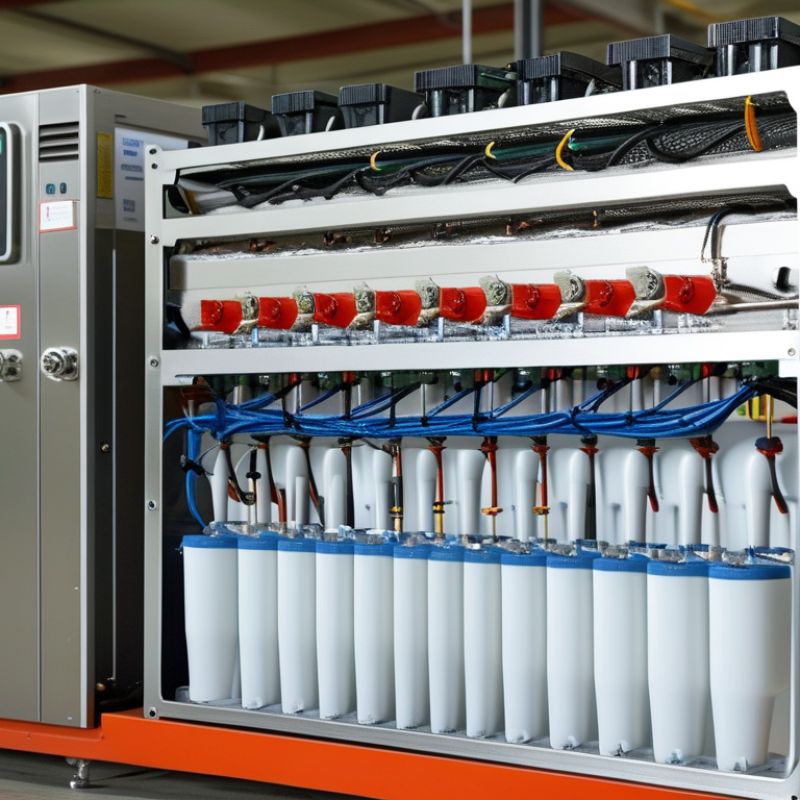
7 Tips for Choosing an RO Plant Water Chiller

Define the Cooling Requirements of Your RO Plant

7 Tips for Choosing an RO Plant Water Chiller

Define the Cooling Requirements of Your RO Plant

Before selecting an RO plant water chiller, measure the actual cooling load. Record feed-water flow, inlet temperature, desired outlet temperature, and daily operating hours. A plant processing 10 cubic meters per hour needs different capacity from a smaller unit. Do not rely on a rough estimate. It may create unstable temperatures during peak production.

Tip: Calculate heat removal with real operating data, not only rated capacity. Include summer ambient temperatures, pump heat, and possible fouling. A practical safety margin of 10% to 20% can protect performance, although excessive capacity may increase energy waste. The correct approach temperature also matters. A very low outlet temperature may demand a larger compressor and longer running time.

Tip: Check the water quality before confirming the chiller design. Suspended solids, scaling minerals, and chemical residues can reduce heat-transfer efficiency. Use suitable filtration and inspect the heat exchanger regularly. I have seen specifications look perfect on paper, yet the system struggled after several weeks. The missing detail was seasonal feed-water variation.

Ask an experienced technician to verify the calculation and control method. Confirm whether the chiller will operate continuously or only during production peaks. Choose temperature sensors with clear calibration records, and leave enough space for cleaning and service. Do not ignore noise, drainage, electrical supply, or future capacity changes. These practical details often decide whether the installation performs reliably.


Match Chiller Capacity to Water Flow and Heat Load

7 Tips for Choosing an RO Plant Water Chiller

Tip 1: Match chiller capacity to actual water flow, not the RO membrane rating alone. Measure permeate flow during normal operation and during peak demand. A flow meter helps reveal short-term surges. In commissioning work, I have seen designs fail because they used the pump nameplate value. The number looked impressive, but it did not represent daily production.

Tip 2: Calculate the heat load before selecting the cooling unit. Use flow rate, water temperature, and the required temperature drop. The basic relationship is heat load = mass flow × specific heat × temperature difference. Include heat from pumps, nearby equipment, and warm pipelines. For continuous operation, add a practical safety margin of about 10 to 20 percent. More is not always better. An oversized chiller may cycle frequently and control temperature poorly.

Tip 3: Check inlet temperature across seasons. RO feedwater can enter warmer than expected during summer afternoons. Record temperatures at different times, not just once. Then compare the highest measured heat load with the chiller’s continuous capacity. Leave room for fouled heat exchangers and reduced airflow. This part is often overlooked. I would also review the estimate after several weeks of operation, because real plant conditions can challenge a clean design. Temperature sensors should be installed at the chiller inlet and outlet for reliable verification.

Check Water Quality and Chiller Material Compatibility

Choosing an RO plant water chiller starts with the water, not the cooling capacity. A recent laboratory report should show pH, hardness, alkalinity, chloride, sulfate, TDS, and temperature. These values affect heat exchangers, pumps, seals, and control sensors. High chloride can attack stainless steel. Hard water may leave scale inside narrow channels. Raw-water data can change seasonally, so one test may mislead.

Match every wetted chiller material with the actual water chemistry. Stainless steel is often practical, but its grade and weld quality still matter. Copper alloys may perform well in some circuits, yet can suffer in aggressive or acidic water. Check gasket and seal compatibility, especially when corrosion inhibitors or glycol are added. Ask for material certificates, operating limits, and cleaning recommendations. Do not rely on a generic “corrosion-resistant” claim.

During commissioning, measure inlet and outlet temperature, pressure drop, conductivity, and flow. A small pilot loop can reveal scaling before full installation. Keep inspection ports accessible. I have seen acceptable water chemistry become troublesome after poor pretreatment or stagnant shutdowns. That detail is easy to overlook. My early checks also focused too heavily on TDS, while chloride and flow conditions deserved more attention. Record trends monthly, then adjust filtration, softening, or cleaning intervals based on evidence. A conservative material choice may cost more initially, but an unplanned exchanger replacement costs more.

7 Tips for Choosing an RO Plant Water Chiller - Check Water Quality and Chiller Material Compatibility
No. Selection Tip Key Data to Check Why It Matters Recommended Practice
1 Test the Incoming Water Feed-water temperature, pH, total dissolved solids (TDS), hardness, alkalinity, chloride, iron, and suspended solids.
Baseline assessment
Water chemistry affects heat-transfer surfaces, corrosion risk, scaling tendency, pretreatment requirements, and the expected service life of the chiller. Obtain a recent laboratory water analysis and compare the results with the chiller manufacturer’s allowable water-quality limits before selecting materials or capacity.
2 Match the Chiller to the RO Stage Permeate, concentrate, raw feed water, or product-water service; typical RO permeate TDS is often below feed-water TDS, while concentrate has a higher salt concentration.
Define service water
The same chiller may experience very different conductivity, chloride concentration, fouling potential, and corrosion conditions depending on its location in the RO process. Specify the exact water stream, expected minimum and maximum TDS, chloride level, temperature, flow rate, and operating hours in the purchase requirements.
3 Check Material Compatibility Wetted parts may include stainless steel, plastics, elastomers, copper alloys, titanium, or protective coatings. Confirm compatibility with pH, chloride, cleaning chemicals, and temperature.
Corrosion control
Chlorides can promote localized corrosion in susceptible stainless steels, while acidic or alkaline cleaning solutions may damage unsuitable metals, seals, or coatings. Request a wetted-material list and chemical-compatibility statement. Select corrosion-resistant materials for high-chloride or chemically aggressive water and verify gasket compatibility.
4 Size Cooling Capacity Correctly Cooling duty depends on water flow, specific heat, and the required temperature drop. For water:
Cooling load ≈ 4.186 × flow (L/s) × temperature drop (°C) kW
Capacity calculation
An undersized chiller cannot maintain the target temperature during peak demand. Oversizing may increase capital cost, cycling, and control instability. Use the maximum design flow and worst-case inlet temperature. Include a practical design margin, commonly around 10–15%, after confirming site conditions and control requirements.
5 Verify Temperature and Pressure Limits Confirm inlet and outlet temperature range, design pressure, pressure drop, ambient temperature, and minimum flow required by the heat exchanger and refrigeration circuit.
Operating envelope
Exceeding temperature or pressure limits can damage components, reduce cooling performance, cause nuisance alarms, or create unsafe operating conditions. Compare the chiller datasheet with actual RO operating conditions, including pump shutoff pressure, seasonal ambient temperature, startup conditions, and possible flow fluctuations.
6 Control Scaling, Fouling, and Biofilm Review hardness, alkalinity, silica, suspended solids, turbidity, residual disinfectant, and biological-control practices. A commonly used drinking-water turbidity target is below 1 NTU, subject to local requirements.
Heat-transfer protection
Scale and fouling reduce heat-transfer efficiency, increase pressure drop, restrict flow passages, and can raise energy consumption and maintenance frequency. Use appropriate pretreatment, filtration, antiscalant or softening where required, and a documented cleaning schedule. Install strainers or filters when permitted by the process design.
7 Plan Sanitation and Maintenance Check drainability, access for inspection, clean-in-place requirements, service clearances, replacement parts, leak detection, temperature monitoring, and alarm functions.
Lifecycle reliability
RO systems may operate continuously, so poor access or unsuitable internal geometry can make cleaning difficult and increase the risk of contamination, downtime, or performance loss. Prefer hygienic, fully drainable flow paths where product water is involved. Define inspection intervals, water-quality checks, cleaning chemicals, calibration tasks, and spare-parts requirements before commissioning.

Compare Energy Efficiency, Controls, and Operating Costs

Choosing an RO plant water chiller requires more than checking its cooling capacity. Match the chiller to actual feedwater temperature, flow rate, membrane load, and site conditions. Oversizing often increases cycling and electricity use. Undersizing can raise water temperature and reduce RO performance. Small details matter.

Compare energy efficiency at your real operating conditions, not only at laboratory ratings. Check the coefficient of performance, compressor type, heat exchanger design, and standby power. Variable-speed control may reduce energy use during lower demand. However, savings depend on correct commissioning. I once underestimated seasonal heat gain, so the original energy estimate was too optimistic. That mistake changed my selection process.

Review the control system carefully. Clear temperature settings, flow protection, fault alarms, and remote monitoring help operators respond before production suffers. Calculate operating costs from electricity, water consumption, filter replacement, cleaning, and planned maintenance. A cheaper purchase can become expensive after several years. Ask for test data, service intervals, spare-part access, and expected noise levels. Also check whether technicians can reach the condenser and sensors safely. Simple controls often prove more reliable, but advanced functions can improve visibility. The best choice balances efficiency, control quality, repair access, and predictable long-term costs.

Evaluate Installation Needs, Maintenance, and Supplier Support

7 Tips for Choosing an RO Plant Water Chiller

Evaluate the site before comparing cooling capacity. Measure feed-water temperature, flow rate, ambient temperature, and available floor space. Leave service clearance around filters, pumps, and electrical panels. A tight installation may save space but complicate repairs. Confirm voltage, drainage, ventilation, and lifting access. The U.S. Department of Energy reports that optimized pumping systems can reduce energy use by 20% to 50%, depending on operating conditions. Therefore, check pump and chiller compatibility together, not separately.

Choose a chiller with stable temperature control and suitable materials for treated water. Ask for tested performance at your actual inlet temperature, not only laboratory conditions. Review condenser cleaning intervals, refrigerant requirements, alarm functions, and spare-parts availability. Keep a written maintenance schedule. It sounds basic. It is often missed. The International Energy Agency’s The Future of Cooling report projects global cooling demand could triple by 2050, increasing pressure to improve equipment efficiency. Request measured power consumption at several loads, because peak ratings can hide inefficient partial-load operation.

Assess supplier support before signing. Require installation drawings, commissioning records, operator training, and response-time commitments. Check whether technicians understand RO pretreatment, scaling, fouling, and conductivity control. Ask for references from facilities with similar water chemistry and production hours. The Global Water Intelligence Desalination and Water Reuse reports consistently identify energy, reliability, and lifecycle service as major desalination concerns. One imperfect assumption remains common: selecting the lowest purchase price. A cheaper unit can create longer shutdowns, higher cleaning costs, and uncertain replacement timelines.

7 Tips for Choosing an RO Plant Water Chiller

Evaluate installation needs, maintenance requirements, operating conditions, and supplier support before selecting a cooling system.

How to use this chart

The chart shows typical planning intervals for key RO water chiller checks, expressed in months. Shorter intervals are generally appropriate for high-dust environments, poor water quality, heavy operating loads, or unstable power conditions. Confirm the final schedule with the equipment manual and the supplier. During selection, also verify available floor space, ventilation, electrical capacity, chilled-water flow, access for cleaning, spare-parts availability, response time, and commissioning support.

Powder Coat Booths

For those larger-sized parts, or smaller quantity runs, we have 2 independent powder coat booths and ovens. The quality, durability and affordability of today’s powder coating finishes make this the process of choice for world-class companies.

Powder coating advantages over other forms of coating are many. Materials used in the Powder coating process can be metals and non-metals that come in a multitude of thicknesses, textures, colors, etc. Another of Powder coating’s biggest advantages over conventional coatings is its ability to create finishes in many different textures. Powder Coating Booths allow us the ability to apply these advantages to large products.

Wet Paint Line

Tri-State Fabricators runs a full-service conveyor line for painting. Wet painting can provide protection or decoration to many different part styles. From start to finish, every project is easier to undergo random and point-based inspection by our skilled painting team.

Advantages to our Wet Paint Line are these lines start with product prep and ends with a thorough inspection of a high quality finished product. Our ability to complete large and small projects with a superior finish and doing so in a timely and economical fashion. This passes along the savings in production to our customers. When powder coating ins not an option, our Wet Paint Line gets the job done right the first time.

Wet Paint Booths

When the parts get big and heavy we roll-out our custom paint racks and oversize booth. By utilizing our partnerships with all the major paint brands, we can match virtually any color with wet paint.

The advantages of having access to a Wet Paint Booth are many. Large projects of many different shapes can be loaded into the booth. The Wet Paint Booth offers an environment that is much more controlled than a typical parts painting operation.

Not only are they used because of their controlled environment, but they’re are also advantageous when it comes to applying paint to parts that are needed in industries that require specialty coatings such as medical, aerospace, etc.

Military CARC

Our military forces have some very high standards when it comes to the finish of their vehicles and equipment. From the first pre-treatment step to final coat, it takes a great deal of knowledge and experience to protect the men and women of our armed forces. They deserve only the best, and Tri-State Fabricators provides it.

All of our processes are closely monitored by our staff and management teams. Both of which are highly trained in the processes of metal fabrication and finishing. Tri-State Fabricators’ goal is to always fully satisfy each and every customer, including the military. We will always put a 110% into what we do.

Glass-Bead Blasting

Abrasive media blasting is an excellent way to remove old paint, rust, and increase the paint/powder adhesion. Glass beads produce a much smoother and brighter finish than angular abrasives; leaving the part clean yet without any dimensional change. Chemically inert and environmentally friendly, we can recycle our beads approximately 30 times; making them a more preferred method of metal cleaning or surface finishing.

Advantages to Glass Bead Blasting are many. Glass bead blast media is used when a project is needing rough surfaces need to become smooth for applications of coatings such as paint. It is typically used to clean paint and rust from a product surface without deforming the surface it is being used on. Overall, compared to many other blasting media, Glass Bead Blasting is a very economical choice and those savings are always passed on to our customers.

Part Washing

Tri-State Fabricators utilize a zinc phosphate wash to clean and etch the material to ensure the best paint adhesion possible. The unique design of our 3-stage wash system does the work like a 5-stage. From Cleaning and rinsing to conversion coating and post-treatment, Our Part Washing process is a complete service and works throughout the fabrication service and the finishing service.

Along with the previously mentioned benefits, Curing is a vital chemical reaction that leaves the product finish hard and relatively safe from mild abrasion and aggressive corrosion. This process can be done in more than one way; ambient air-dry or in curing ovens at temps that exceed 240°.

Burn-Off Oven

From fixing paint mistakes (someone else’s of course) to simply cleaning our paint line hooks, our burn-off oven is put to good use. After a quick burn-off, a little clean up, and a fresh coat of paint, your parts will look better than new.

Why does our Burn-Off Oven work so well? Because super heating the air around parts turns the materials into ashes. From paint and powder coatings to rubber and machining oils, high temps do the job without degrading the integrity of the part.

Masking

Masking is a vital part of producing high quality products. We have die-cut masking patterns to protect machined surfaces as well as a wide range of plugs and caps to protect threaded holes and bolts. We provide permanent and temporary masking.

Masking allows the selected sections of a product to be protected from a fabrication or finishing service. This can be with both chemicals when etching and tapes, paints when only finishing just a section of the product. Masking is great in aiding the customization process of a project.

Screen Printing

Screen printing is a photographic process that transfers artwork onto a porous nylon screen which allows colored ink to flow through the screen and be deposited on an aluminum or plastic component. We can generally have just about any design created onto a screen for your parts.

Some of the advantages of Screen Printing are, brand recognition for your business displaying on your products, assembly instructions, product warnings/hazards, etc. Tri-State Fabricators produces Screen Printing of the highest quality so you know it’s durable.

Metal Finishing

Metal Finishing is the art of treating the exterior portion of product, often metal but can also be made of other materials, so that the surface is clean and free of any debris. Then the process of applying coats or either paint of powder coat takes place. This coating process improves the quality of the product in both appearance and resistance to wear and corrosion.

Tri-State Fabricators, Inc., understands that a project typically isn’t complete until a high-quality finish has been added to your product. This is why our painting and powder coating teams continuously inspect the products throughout the Metal Finishing process.
