How to Choose Thumb Screw Bolts in 2026?
Choosing the right Thumb Screw Bolts in 2026 requires more than matching a diameter to a hole. These fasteners support quick, tool-free adjustments, but convenience should never replace engineering judgment. A bolt that feels secure in a workshop may loosen under vibration, heat, repeated handling, or moisture. Small details matter.
This guide examines the practical factors that influence a reliable choice. We will compare materials such as stainless steel, zinc-plated steel, brass, and reinforced polymers. We will also consider thread size, head shape, grip texture, shank length, and expected clamping force. A knurled head may suit frequent adjustments, while a wing-style head can provide better leverage with gloves. For outdoor equipment, corrosion resistance deserves close attention. For precision assemblies, thread fit and consistent engagement matter more than appearance.
Measure carefully.
Real-world selection is rarely perfect. Product listings may use inconsistent dimensions, and nominal thread labels can hide compatibility problems. A bolt can fit initially yet damage mating threads after repeated use. That is why experienced buyers verify drawings, supplier specifications, material certificates, and sample performance before ordering large quantities. Inspect the seating surface, check for burrs, and test the fastener under realistic conditions.
This article offers a practical framework for selecting Thumb Screw Bolts for machinery, fixtures, electronics housings, furniture, and maintenance applications. It does not replace a qualified engineer’s review. Loads, temperatures, safety requirements, and installation conditions can change the answer. Sometimes, the most reliable choice is not the easiest one to install.
What Are Thumb Screw Bolts and How Do They Work?
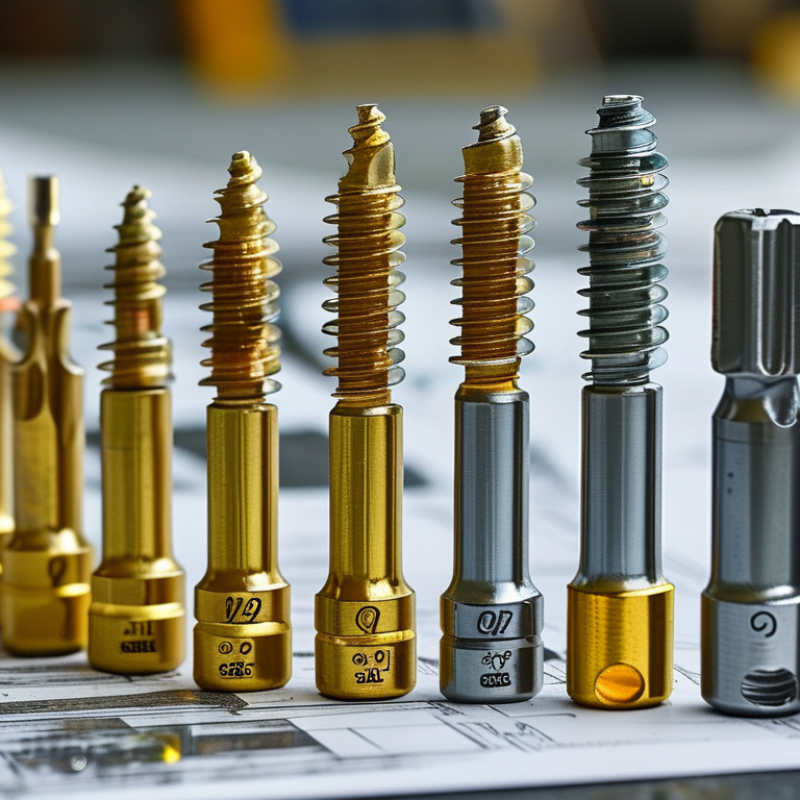
Thumb screw bolts are fasteners designed for hand tightening. They combine a threaded shaft with a broad, ridged, or winged head. This head gives your fingers enough leverage without requiring a wrench. Despite the common name, terminology varies across suppliers and industries. Some sellers call similar parts thumb screws, while others call them thumb bolts. Check the thread and dimensions, not only the name.
When you turn the head clockwise, the threads pull the bolt into a tapped hole or nut. The clamping force then holds two parts together. The head’s shape controls grip, while the thread pitch affects adjustment speed and holding strength. Coarse threads move quickly and resist minor dirt. Fine threads provide more precise adjustment. That matters in covers, inspection panels, fixtures, and small equipment housings.
In practical assembly work, I check thread size, usable length, head diameter, and material before choosing a part. Stainless steel suits humid environments, but it is not automatically the strongest option. Plastic heads protect delicate surfaces, although they may wear faster under repeated use. Do not rely on hand pressure for safety-critical joints. Use a specified torque method when required. A common mistake is choosing a large head for comfort without checking clearance. It can collide with nearby parts. Measure twice. Also review vibration, temperature, and cleaning conditions before ordering, because real installations rarely match a catalog photograph perfectly.
How to Select the Right Size, Thread, and Head Design
Choosing thumb screw bolts in 2026 starts with fit, not appearance. Measure the hole diameter and thread pitch with calipers and a thread gauge. If gauges are unavailable, compare a sample bolt carefully, but this method can mislead. Select a diameter that fills the threaded hole without forcing it. Thread engagement should cover several full turns, especially in metal assemblies. For thin panels, excessive length may damage hidden parts. I once selected a bolt by length alone; it touched a moving component. That mistake was avoidable.
Head design controls handling and clearance. Knurled heads work well for frequent hand adjustments, while wing heads offer stronger grip with gloves. Use a low-profile head where nearby parts could snag. A slotted or combined head may provide backup tool access, but it can encourage over-tightening. Match the material to the environment. Corrosion-resistant options suit damp areas, while coated steel may fit dry indoor equipment. Check the load requirements, because thumb screws are not automatically suitable for structural clamping.
Tips: Measure twice. Avoid guessing. Test the bolt by hand before installation. Confirm smooth engagement for several turns, then check whether the head is comfortable and accessible. Leave enough clearance for fingers, tools, and nearby moving parts. If the bolt feels tight immediately, stop and inspect the thread pitch. For critical equipment, record the diameter, pitch, length, material, and head style for repeatable maintenance.
How to Choose Thumb Screw Bolts in 2026?
Use the nominal diameter and ISO coarse-thread pitch as a practical starting point when selecting a thumb screw bolt. Larger diameters generally provide greater load capacity, while smaller sizes are better suited to compact assemblies.
Thread Selection Match the metric diameter and pitch with the threaded hole or nut. The values shown are common ISO metric coarse-thread sizes.
Head Design Choose a knurled head for frequent hand adjustment, a wing head for quick tool-free operation, or a slotted head when higher tightening torque is required.
Size Guidance Select the shortest length that provides full thread engagement without bottoming out in the mating component.
How to Compare Load, Grip, and Installation Requirements
How to Choose Thumb Screw Bolts in 2026?
Choosing thumb screw bolts starts with the load, not the head shape. NASA-RP-1228, Fastener Design Manual, explains that preload depends on friction, thread condition, and bearing surfaces. A thumb screw with a small diameter may feel convenient, yet its threads can strip under repeated tightening. Check the expected tensile and shear loads, then select a safety margin. ISO 898-1 provides mechanical property classifications for carbon and alloy steel fasteners, but many thumb screws lack complete strength markings. That gap deserves caution.
Grip requirements are more practical than they appear. Wet gloves, oily fingers, and limited clearance can reduce hand torque sharply. A broad, knurled head improves contact, while a wing profile supports faster adjustment. Do not assume more hand force means better clamping. Excessive torque can damage plastic panels or distort thin metal. NASA data also shows why torque-based preload varies widely with friction. Use a torque-limiting method when clamping consistency matters.
Installation conditions narrow the choice further. For frequent removal, choose coarse threads and a corrosion-resistant finish. For vibration, consider a locking feature or suitable washer. Measure the available hand space. A perfect screw is useless if fingers cannot rotate it. I still see designers choosing by diameter alone; that shortcut is easy, but incomplete. Record the load, grip condition, tightening frequency, and material before ordering. Sources: NASA-RP-1228 and ISO 898-1.
How to Choose Thumb Screw Bolts in 2026? - How to Compare Load, Grip, and Installation Requirements
The values below are typical engineering reference values for unlubricated steel threads. Actual performance depends on material, thread engagement, lubrication, head design, user-applied torque, and the strength of the connected parts.
| Thread Size | Typical Head Style | Nominal Tensile Stress Area | Indicative Hand Torque | Approx. Seating Preload* | Recommended Minimum Engagement | Grip and Installation Characteristics | Typical Applications |
| M3 × 0.5 | Knurled or small wing head | 5.03 mm² | 0.10–0.20 N·m | 130–270 N | 3 mm in steel; 6 mm in softer materials | Limited finger torque; best for light-duty adjustment and frequent access. | Small covers, instrument panels, electronic enclosures |
| M4 × 0.7 | Knurled, wing, or flanged head | 8.78 mm² | 0.20–0.35 N·m | 200–350 N | 4 mm in steel; 8 mm in softer materials | Good balance between compact size and usable finger grip. | Removable guards, access panels, laboratory equipment |
| M5 × 0.8 | Large knurled or wing head | 14.2 mm² | 0.35–0.60 N·m | 280–480 N | 5 mm in steel; 10 mm in softer materials | Suitable for moderate clamping where tool-free installation is required. | Machine guards, fixtures, access covers, adjustment brackets |
| M6 × 1.0 | Wing, flanged, or large knurled head | 20.1 mm² | 0.60–1.00 N·m | 400–670 N | 6 mm in steel; 12 mm in softer materials | Higher hand-applied load; use a large head when gloves are required. | Heavy covers, tooling fixtures, industrial equipment panels |
| 1/4-20 UNC | Wing or slotted knurled head | 20.5 mm² | 0.70–1.10 N·m | 440–690 N | 6.4 mm in steel; 12.7 mm in softer materials | Coarse thread provides quick engagement and good resistance to cross-threading. | Workshop fixtures, removable covers, equipment frames |
| 5/16-18 UNC | Large wing or heavy-duty knurled head | 33.0 mm² | 1.00–1.60 N·m | 500–810 N | 8 mm in steel; 16 mm in softer materials | Higher clamp potential, but the head must be large enough for comfortable hand tightening. | Large guards, industrial fixtures, frequently removed assemblies |
*Load note: Approximate seating preload is calculated from T = K × F × d using K ≈ 0.25 for a clean, unlubricated steel thread. It is not a safe working-load rating. For lifting, pressure containment, vibration-critical joints, or safety-related assemblies, use a certified fastener design and a controlled tightening method rather than relying on hand torque.
Selection rule: Choose the smallest thread that meets the required clamp load, select a head large enough for the available grip and operating environment, and increase thread engagement when fastening into aluminum, plastic, or other low-strength materials.