What Are the Different Types of Steel Pipe Used in Industry?
Steel Pipes are essential components in various industries, including construction, oil and gas, and manufacturing. According to the American Iron and Steel Institute, the steel pipe market is projected to reach $90 billion by 2023. Steel pipes come in different types, each tailored to specific applications. The versatility of steel pipe allows it to serve multiple purposes, from structural support to transportation of fluids.
Factors such as strength, durability, and corrosion resistance make steel pipes a preferred choice. For instance, API pipes are commonly used in the oil and gas sector, while galvanized steel pipes excel in plumbing applications. Industrial reports highlight that oil and gas industries comprise approximately 54% of the total steel pipe demand. However, the market faces challenges, such as fluctuating raw material costs and environmental concerns surrounding steel production.
Understanding the different types of steel pipes is vital for any industry professional. This knowledge enables informed decisions and optimizes the selection process. As industries continue to evolve, the demand for high-quality steel pipes will be crucial to meet modern engineering standards.
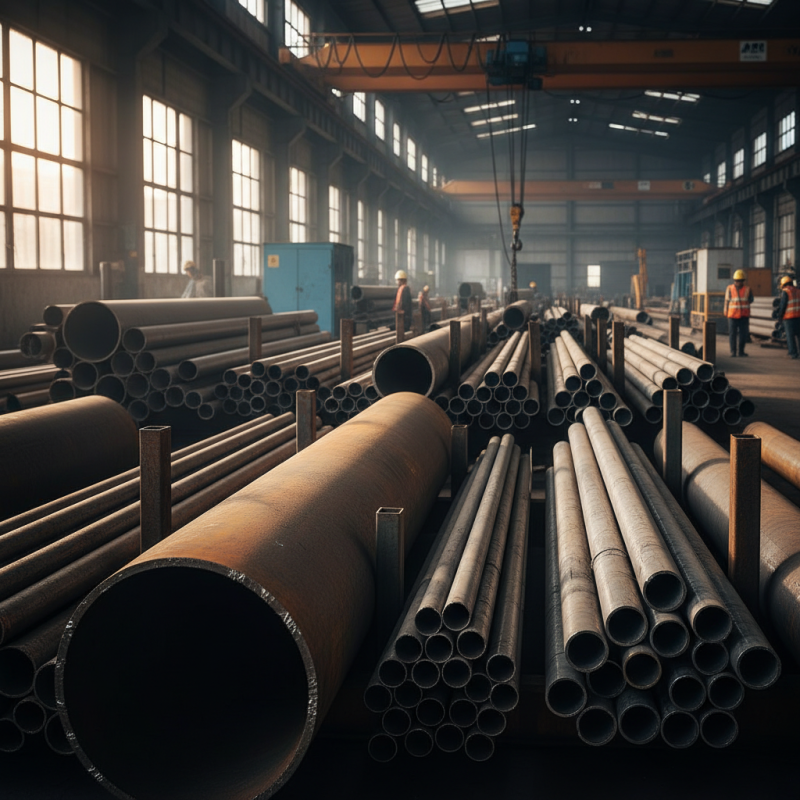
Types of Steel Pipes Based on Manufacturing Process
When discussing steel pipes in industry, it's essential to understand various manufacturing processes. The most common types include seamless and welded pipes. Seamless pipes are made by piercing solid steel, creating a strong, continuous pipe. They are ideal for high-pressure applications and offer excellent strength and durability. However, the production process is often more costly.
Welded pipes, on the other hand, are manufactured by rolling and welding flat steel sheets. This method is typically more economical and allows for larger diameters. These pipes are widely used in plumbing and structural applications. However, they may not withstand extreme pressures as well as seamless pipes, which is a critical factor when making a choice.
Another option is the spiral welded pipe. This type is formed by spirally wrapping steel strips and welding them together. It's useful for transporting water and gas. Each type of steel pipe has its strengths and weaknesses. Choosing the right pipe requires careful consideration of the specific application and its demands. Understanding these subtle differences can lead to better decision-making and outcomes in industrial applications.
Types of Steel Pipes Based on Manufacturing Process
Common Grades of Steel Used in Pipe Production
When discussing common grades of steel used in pipe production, several important types come to mind. Carbon steel, a prevalent choice, includes various grades that determine its strength and applications. For example, ASTM A53 is commonly used for structural purposes but may not withstand extreme environments.
Another notable grade is ASTM A106, designed for high-temperature service. This steel grade performs well in pressure applications, making it preferable for many industrial processes. However, users must be cautious. Under certain conditions, even A106 can fail if not maintained properly.
Here’s a tip: always check for corrosion resistance, especially in harsh environments. Stainless steel pipes offer durability and corrosion resistance. They are ideal for chemical industries but can be costlier than their carbon counterparts.
When selecting pipe grades, consider the specific requirements of your project. Not every grade fits every situation. For instance, using an inappropriate grade may lead to unexpected failures. Evaluate the conditions in which the pipe will operate before making a decision.
Applications of Different Steel Pipe Types in Industry
Steel pipes serve vital roles across various industries due to their durability and strength. Different types cater to specific applications. For instance, seamless steel pipes are often used in the oil and gas industries. They handle high pressure and extreme temperatures, making them ideal for transporting fluids.
Welded steel pipes, on the other hand, find their place in construction and manufacturing. Their ease of production allows for cost-effective solutions. These pipes are suitable for structural applications and can be customized in length and diameter. However, they may not withstand high-pressure environments as well as seamless pipes do.
In plumbing, carbon steel pipes are commonly used. They offer good strength at lower costs. Yet, they are prone to corrosion if not properly maintained. This emphasizes the need for regular inspections and proper coating to ensure longevity. Different types of steel pipes indeed have specific applications, but users must evaluate their needs closely to choose the right materials.
Comparative Analysis of Steel Pipe Strength and Durability
In the industrial sector, steel pipes come in various types, each possessing unique strength and durability features. Carbon steel pipe is often preferred for its balance between affordability and strength. It is crucial for construction and manufacturing industries. However, it can be susceptible to corrosion over time.
Stainless steel pipes provide excellent resistance to rust and corrosion. This makes them ideal for industries that deal with water or chemicals. Their durability is noteworthy, but they tend to be pricier. While durable, they also require thorough maintenance to prevent degradation in harsh environments.
Tips: Always assess the specific requirements of your project. Consider factors like pressure ratings and environmental conditions. Regular inspections can help identify potential weaknesses in steel pipes. Remember, not all types of steel pipes will perform equally in every situation, so choose wisely. Your selection impacts the overall longevity of the structure.
Environmental Considerations in Steel Pipe Usage and Disposal
Steel pipes are vital in various industries, but their environmental impact must be assessed. The production, usage, and disposal of these pipes can have significant ecological consequences. Steel production requires substantial energy and resources, contributing to greenhouse gas emissions. Sustainable practices are crucial in mitigating these effects.
Tips: Consider using recycled steel when possible. It reduces the need for new materials and minimizes environmental strain. Choose suppliers who prioritize eco-friendly manufacturing processes. This decision can support sustainable industry practices.
Disposing of steel pipes can also pose challenges. Improper disposal may lead to soil and water contamination. Many pipes end up in landfills, but alternatives exist. Recycling steel pipes can reclaim valuable materials and prevent environmental harm.
Tips: Always check local recycling programs for steel. Participate in initiatives that promote sustainable disposal. Engaging in such practices helps create a cleaner environment for future generations.





