Essential Tips for Choosing the Right Compact Substation?
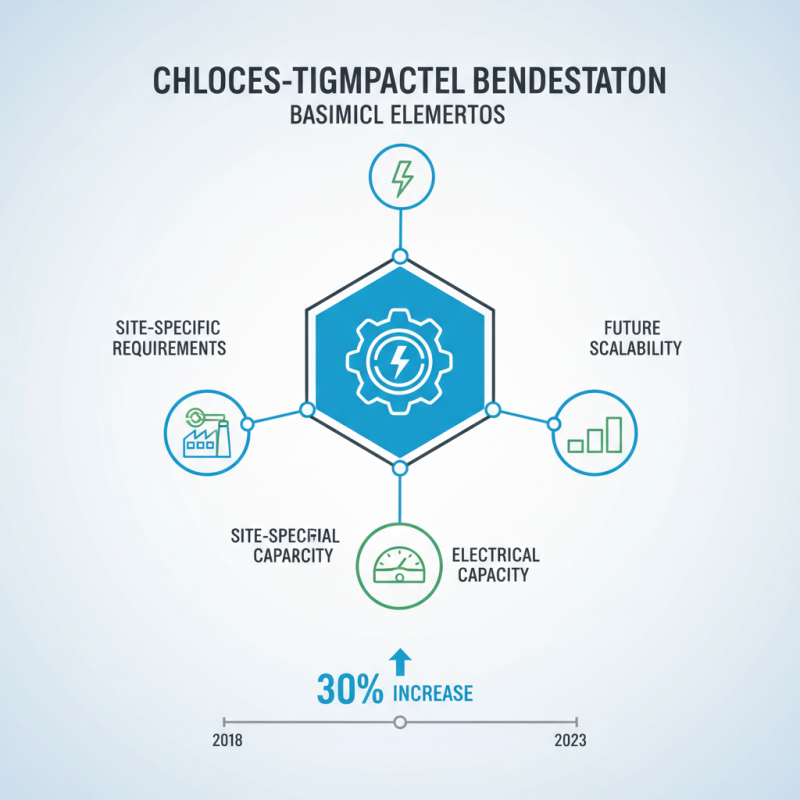
Choosing the right Compact Substation is crucial for effective power distribution. The demand for compact solutions has surged, with a report by the International Energy Agency indicating a 30% increase in compact substation installations worldwide over the past five years. This trend showcases the urgency in selecting the most efficient and reliable systems.
According to Dr. Emily Chen, a leading expert in electrical engineering, "Selecting a compact substation involves understanding both site-specific requirements and future scalability." Her insights are vital for stakeholders. Compact substations offer an efficient footprint, allowing for deployment in constrained spaces, but they can present challenges during installation and maintenance.
Factors such as size, electrical capacity, and environmental impact require careful consideration. Not all compact substations are created equal. It's easy to overlook critical design aspects that affect long-term performance. Balancing immediate needs with future growth is essential, making expert guidance invaluable in this decision-making process.
Understanding the Basics of Compact Substations
Choosing the right compact substation requires a solid understanding of its fundamental functions. Compact substations are crucial for electrical distribution systems. They transform high voltage electricity into lower voltage suitable for residential or commercial use. Knowing how they work helps in making informed choices.
When selecting a compact substation, consider its capacity and footprint. The unit must fit within available space while meeting your energy demands. Pay attention to cooling systems as well. Inadequate cooling can lead to overheating, which impacts efficiency. These factors deserve careful evaluation.
Awareness of local regulations is essential. Compliance ensures safe operation and prevents future liabilities. It might be tempting to choose the cheapest option, but reliability and longevity are often more valuable. Think about maintenance needs, too. A unit that requires frequent repairs can become costly over time.
Key Factors to Consider When Selecting a Compact Substation
When selecting a compact substation, focusing on key factors is essential for a successful decision. Begin with load capacity. This determines how much power the substation can handle effectively. Assessing current and future energy needs is crucial. Insufficient capacity can lead to service interruptions. Also, examine the space available for installation. Compact substations often fit in tight urban settings, but each site has unique constraints.
Another vital element is the design and efficiency of the substation. A well-designed substation minimizes energy losses and reduces operational costs. Look into cooling systems and layout. These details influence performance and longevity. Moreover, reliability cannot be overstated. A substation should withstand harsh weather and require minimal maintenance. Regularly reviewing maintenance protocols is equally critical, as overlooked maintenance can have serious repercussions.
Consider safety features, too. Compact substations should have appropriate protective measures to ensure user safety. Evaluating manufacturer certifications plays a pivotal role in determining credibility. However, remember that no single solution fits all. Reflect on your organization's specific requirements. Each choice should align with not only current needs but future growth as well.
Key Factors to Consider When Selecting a Compact Substation
Evaluating Space and Site Requirements for Compact Substations
When evaluating space and site requirements for compact substations, several factors come into play. First, consider the available land. Compact substations require a relatively small footprint, yet they must accommodate essential components like transformers and switchgears. Take measurements that accurately reflect your site. This will help avoid costly adjustments later.
Access is another critical factor. Ensure vehicles can reach the substation easily for maintenance. Adequate safety clearances are essential to avoid hazards. The surrounding environment also matters. Consider noise levels, visual impact, and local regulations before making a decision.
Sometimes, unexpected challenges arise. You might discover that the chosen location offers limited expansion possibilities. This may restrict future upgrades. It's crucial to remain flexible and think ahead. Additionally, regular consultations with professionals in the field can yield valuable insights. Their expertise can help in making informed choices based on past experiences and local conditions.
Essential Tips for Choosing the Right Compact Substation
| Criteria | Considerations | Importance Level |
| Space Availability | Ensure sufficient area for installation, operations, and maintenance. | High |
| Site Accessibility | Evaluate ease of access for installation and emergency services. | High |
| Environmental Conditions | Consider weather patterns, temperature extremes, and moisture levels. | Medium |
| Load Requirements | Assess expected load and peak demand to size substation appropriately. | High |
| Regulatory Compliance | Check local regulations and standards for safety and environmental impact. | High |
| Future Expansion | Plan for potential future growth or additional capacity needs. | Medium |
| Cost Considerations | Estimate total cost including installation, maintenance, and operation. | High |
Assessing Cost and Budget Constraints for Substation Projects
When assessing cost and budget constraints for substation projects, several factors come into play. A recent industry report indicates that substation costs can vary significantly, ranging from $500,000 to over $2 million. These figures depend heavily on factors such as location, capacity, and regulatory requirements. It's crucial to conduct a cost-benefit analysis early in the planning phase. Understanding the total lifecycle costs, including maintenance and operational expenses, can prevent overspending.
It's also vital to consider funding options. Many projects struggle with budget overruns. An estimated 30% of utilities report inadequate funding for their infrastructure improvements. They face the challenge of balancing quality and cost. Seeking grants or public-private partnerships could mitigate financial strain. Furthermore, engaging with local stakeholders can sometimes uncover hidden costs tied to environmental compliance, permitting delays, or unexpected site preparation needs.
Monitoring inflation impacts budget constraints as well. The construction sector is particularly volatile, with materials like steel and copper witnessing price spikes. As supply chain disruptions continue, this volatility can lead to increased project costs that were not anticipated. Planning for contingencies and setting aside a reserve fund is prudent, as unexpected changes can derail even the best-laid plans.
Exploring Different Technologies in Compact Substation Design
When designing a compact substation, understanding the different technologies available is crucial. Compact substations can utilize various configurations and components, each offering unique benefits and drawbacks. For instance, gas-insulated switchgear (GIS) offers a reduced footprint and high reliability, making it suitable for urban environments. However, the initial investment cost for GIS is significantly higher than traditional air-insulated solutions, which can pose challenges for budget-conscious projects.
Research indicates that the global market for compact substations is projected to grow significantly. According to a report by MarketsandMarkets, the industry is expected to reach $7.5 billion by 2026, reflecting a compound annual growth rate of 10% from 2021. This suggests a growing preference for compact designs, yet decisions should account for site-specific factors. The installation location's climate, space limitations, and regulatory requirements can impact technology choice.
In addition, safety and maintenance considerations are vital in technology selection. Compact substations that employ advanced monitoring systems enhance operational reliability. Nevertheless, these systems often require specialized training for maintenance personnel. Addressing this knowledge gap can be challenging. Overall, while compact substations present an innovative solution for modern energy distribution, careful evaluation of available technologies is essential for optimal outcomes.





