Why Fixing Hydraulic Cylinders Is Essential for Your Equipment?
Proper maintenance of heavy machinery is crucial. One fundamental aspect is Fixing Hydraulic Cylinders. These components are vital for equipment performance. When hydraulic cylinders fail, it can halt operations. This leads to delays and financial losses.
Identifying issues early is essential. Regular inspections help in spotting leaks or wear. Repairs can often be simpler than replacements. Skilled technicians can address many problems effectively. However, some may overlook maintenance. This oversight can result in bigger issues down the line.
Investing time in fixing hydraulic cylinders pays off. It not only enhances machine efficiency but also increases safety. Ensuring these parts work properly is non-negotiable. Ultimately, a commitment to maintenance leads to greater reliability and longevity of equipment.
Importance of Hydraulic Cylinders in Heavy Equipment Operations
Hydraulic cylinders play a crucial role in heavy equipment operations. They convert hydraulic energy into mechanical force, enabling machines to lift, push, and pull. In construction and agriculture, equipment relies on these cylinders to perform effectively. When they function properly, hydraulic cylinders enhance productivity and safety.
However, wear and tear can lead to issues. Common problems include leaks, reduced power, and failures. Regular maintenance is vital. Inspecting seals, checking fluid levels, and monitoring performance helps prevent unexpected breakdowns. Delayed repairs can result in costly downtime. Equipment efficiency diminishes, impacting project timelines.
Experienced operators know the signs of failing hydraulic systems. Addressing these problems early can preserve equipment life. Skilled technicians can restore performance levels and ensure safety. Investing time in maintenance is not just practical; it reflects a commitment to quality operation. Every repair strengthens the foundation of effective heavy equipment management.
Common Problems Associated with Malfunctioning Hydraulic Cylinders
Hydraulic cylinders are crucial components in many machines. When they malfunction, it can lead to significant issues. Common problems include leaks, inconsistent movement, and noise. These issues hinder equipment performance and can lead to costly downtime.
Leaks often stem from worn seals or damaged cylinder tubes. If you notice fluid pooling beneath your equipment, address it immediately. Inconsistent movement may indicate internal damage or contamination. This can affect productivity, making it essential to inspect cylinders regularly.
**Tip:** Regular maintenance checks can catch small problems before they escalate. Clean external surfaces to prevent contaminants from entering the system.
Noise is another sign of malfunctioning hydraulic cylinders. Grinding or whining sounds may indicate low fluid levels or mechanical faults. Ignoring these sounds could lead to complete failure, disrupting your operations.
**Tip:** Invest time in understanding your equipment's sounds. Document unusual noises to help diagnose issues efficiently.
Proper attention to hydraulic cylinders enhances reliability. Addressing common problems can extend the life of your equipment. Regular monitoring ensures safety and efficiency in operations.
Benefits of Regular Maintenance and Timely Repairs
Regular maintenance of hydraulic cylinders is crucial for equipment longevity. Over time, wear and tear can lead to significant performance issues. Delaying repairs may result in costly breakdowns. Each small leak or inefficiency adds up, reducing overall productivity.
Timely repairs can prevent larger problems from developing. For instance, addressing a minor fluid leak early can avoid extensive system damage. Operators often overlook small issues, assuming they will resolve on their own. This oversight can lead to serious operational disruptions. By ensuring regular check-ups, technicians can identify potential threats before they escalate.
Regular maintenance not only improves safety but also enhances performance. Well-maintained hydraulic systems operate more efficiently. Efficiency translates to lower energy costs and reduced downtime. Moreover, consistent monitoring builds a clearer picture of wear patterns. This allows for more informed decisions about equipment usage and necessary upgrades. Neglecting this responsibility can hinder operational effectiveness and lead to unanticipated challenges.
Importance of Regular Maintenance for Hydraulic Cylinders
Step-by-Step Process for Fixing Hydraulic Cylinders
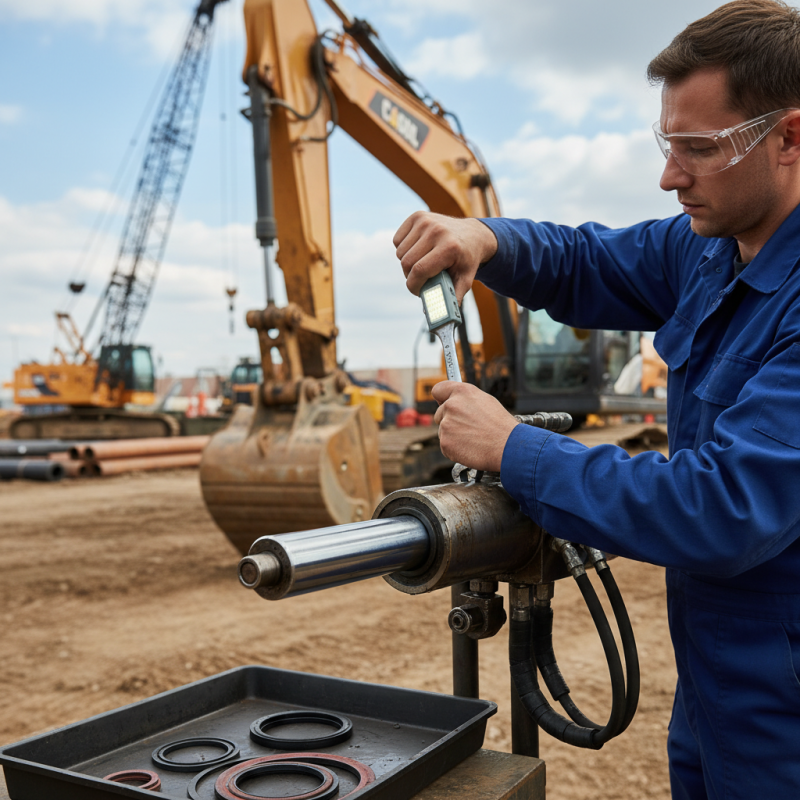
Fixing hydraulic cylinders is crucial for maintaining the efficiency of your equipment. A step-by-step approach can make this process manageable. Start by diagnosing the issue. Leaks or slow movement often signal a problem. Visual inspections are key here. Look for any signs of wear or damage. Keep your workspace clean to avoid contamination.
Next, disassemble the cylinder carefully. Take note of the order and condition of parts. Organize components to prevent confusion later. Clean each piece thoroughly. Use appropriate solvents to remove grime. This is vital for proper reassembly. Inspect seals and replace any that show signs of wear.
Once you've cleaned and replaced the necessary parts, reassemble the cylinder. Ensure all components fit snugly and securely. Test the cylinder under low pressure first. Watch for any leaks or irregular movement. This stage often highlights areas needing improvement. It’s important to document what you learn during this process. Don't rush; take your time to reflect on any challenges faced. Each repair has lessons that can enhance your skills for future projects.
Choosing the Right Professionals for Hydraulic Cylinder Repairs
When it comes to hydraulic cylinder repairs, choosing the right professionals is critical. According to a report by the International Fluid Power Society, improper repairs can lead to equipment failures costing companies up to $30,000 per incident. This highlights the importance of expert intervention for hydraulic systems.
Qualified technicians possess the necessary training and experience. They understand the complexities of hydraulic systems. A report from Engineering Solutions notes that nearly 70% of hydraulic cylinder failures stem from improper maintenance. Professionals with specialized knowledge can identify potential issues early, preventing costly downtime.
Furthermore, industry standards emphasize the need for certified services. The Hydraulic Institute states that utilizing certified experts ensures adherence to safety protocols and efficient repairs. Companies that invest in certified hydraulic repair services often see improved operational reliability. This investment can save substantial costs in the long run. However, not every repair shop meets these standards, leading companies to face risks. Balancing cost and quality in repair services is a dilemma many organizations encounter.