


Choosing the right Fixed Speed Screw Compressor begins with understanding how your plant actually uses compressed air. A nameplate rating alone cannot show whether a machine suits your production schedule. Record your normal and peak air demand, operating hours, required pressure, and air quality needs. Note when several tools or machines run at once. Small details matter. A pressure drop during a busy shift can interrupt work, while an oversized compressor may run inefficiently during quieter periods.
Compare compressor capacity at the pressure your equipment requires, not just the advertised free-air delivery. Check motor power, cooling requirements, noise levels, service access, and the cost of routine parts such as filters and oil. Ask suppliers for performance data and confirm the proposed system can handle your measured demand. A receiver tank and suitable air treatment may also be needed, depending on the application. Installation conditions matter too: a warm, dusty compressor room can affect cooling and maintenance intervals.
Fixed-speed units are often a practical fit where air demand stays fairly steady and dependable continuous output is the priority. But demand is rarely perfectly constant. That is worth examining. A fixed-speed machine may cycle during low-use periods, so compare its expected operating pattern with a variable-speed option before deciding. Request a clear estimate of energy use and maintenance over the intended service life, and check what assumptions the estimate uses. The best choice is not always the largest or cheapest compressor. It is the one that reliably meets real demand, fits the site, and remains manageable to operate.
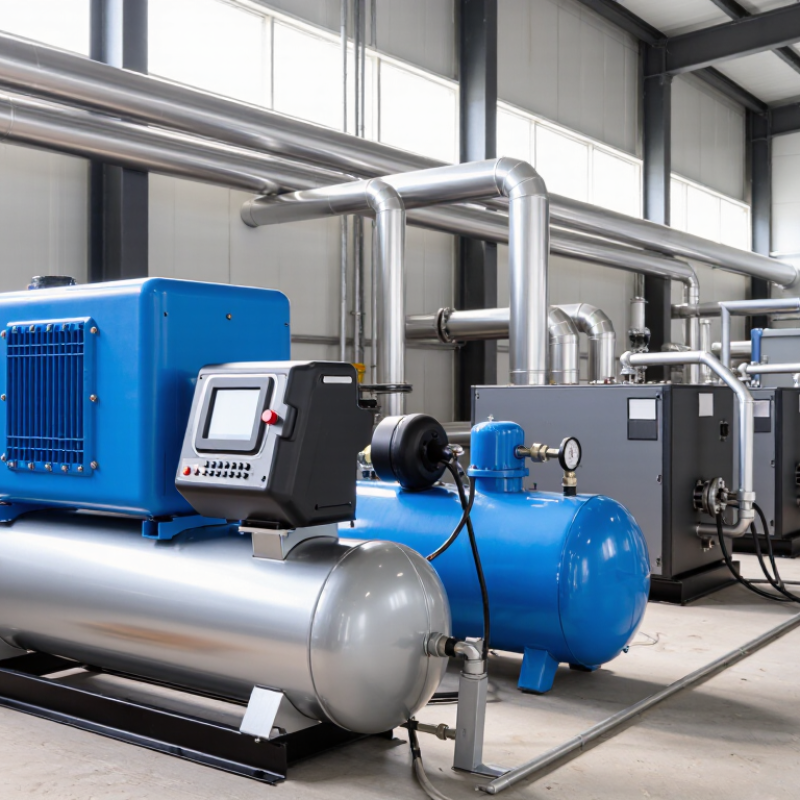
A fixed-speed screw compressor uses two rotating helical rotors to trap and compress air. As the rotors turn, air enters through the inlet, moves along the rotor grooves, and occupies progressively smaller spaces. This steady reduction in volume raises the air pressure. The process is continuous, not a series of separate strokes. It can sound almost simple.
Many models inject oil into the compression chamber to cool, seal, and lubricate the rotors. An oil separator then removes most of that oil from the compressed air. Oil-free designs use different arrangements, so the details vary. Check the equipment specifications and maintenance instructions rather than assuming every screw compressor works alike. Small design differences matter.
“Fixed speed” describes the motor’s operating pattern: it runs at a set speed when the compressor is loaded. When air demand falls, a control system may unload the machine, reducing compression without stopping the motor immediately. This can be effective where demand stays fairly steady, such as a production line running at a consistent pace. But frequent unloading may consume energy without producing useful air. In practice, the plant’s demand profile tells more than a nameplate rating. Record pressure and airflow over a typical shift; even a rough log can reveal peaks that memory misses. Don’t overinterpret one day’s readings. Fixed-speed systems have limits.
| Selection Dimension | What to Check | Typical Guidance | Why It Matters |
|---|---|---|---|
| Operating principle | Two meshing helical rotors trap air and reduce its volume as it moves through the compression element. | The motor normally runs at a near-constant speed. Output is commonly controlled by loading and unloading the compressor. | Understanding the control cycle helps determine whether a fixed-speed unit suits the plant’s demand pattern. |
| Air demand | Measure actual flow during production, including peak, average, and low-demand periods. | Compare measured demand with the compressor’s delivered flow at the required pressure; do not size from motor power alone. | An oversized unit may spend more time unloaded, while an undersized unit may fail to maintain pressure during peaks. |
| Delivered airflow | Check the stated free air delivery (FAD) and the test conditions used for the rating. | FAD is generally reported in m³/min, m³/h, or cfm. Compare figures measured to the same applicable test standard and inlet conditions. | Consistent rating conditions make capacity comparisons meaningful. |
| Working pressure | Determine the minimum pressure required at the point of use, allowing for pressure losses in filters, dryers, and piping. | Common industrial screw-compressor ratings include approximately 7–13 bar(g), with other pressure ranges available. | Operating above the pressure actually needed increases energy use. Set pressure to meet the process requirement, not an assumed margin. |
| Demand stability | Review how much demand changes over a normal shift and how long low-demand periods last. | Fixed-speed machines are generally a good fit when demand is relatively steady and the compressor operates loaded for much of the time. | Frequent load/unload cycling can increase energy consumption and may cause unnecessary starts or wear, depending on the control system. |
| Part-load control | Ask whether capacity is controlled by load/unload, inlet modulation, or a combination, and review the expected unloaded power. | During unloading, the unit may continue running while producing little or no useful compressed air; it still consumes power. | Part-load behavior is essential to estimating energy cost when air demand varies. |
| Motor and electrical supply | Verify motor output, voltage, frequency, phase, starting method, and available site capacity. | Industrial compressors commonly use three-phase motors. Confirm compatibility with the site’s electrical supply and local requirements. | Correct electrical matching supports reliable starting and operation and avoids costly supply upgrades. |
| Air quality and configuration | Identify required oil content, pressure dew point, and allowable particles for the application. | Choose oil-injected or oil-free compression as required, and specify compatible aftercooling, filtration, and drying equipment. | The compressor alone may not deliver air quality suitable for the process; treatment equipment must be selected as part of the system. |
| Cooling and installation | Check ambient temperature, ventilation, cooling method, service clearances, and room heat removal. | Follow the manufacturer’s installation limits and provide adequate airflow around the unit. Air-cooled and water-cooled configurations have different site needs. | Poor ventilation or unsuitable cooling conditions can raise operating temperatures and reduce reliability. |
| Energy performance | Compare specific power at the required pressure and evaluate expected annual operating hours and load profile. | Specific power is commonly expressed as kW per unit of delivered airflow. Use comparable test conditions and include dryer and treatment-system energy where relevant. | Electricity can be a major lifecycle cost, so purchase price alone does not show the cost of ownership. |
| Maintenance requirements | Review service intervals and the requirements for oil, filters, separators, belts or couplings, and cooling components. | Intervals depend on the model, operating conditions, and service guidance; use the equipment documentation for the correct schedule. | Planned maintenance supports dependable operation and helps preserve performance. |
| System storage and controls | Assess receiver capacity, control settings, pressure band, and whether multiple compressors must operate together. | A correctly designed receiver and control strategy can reduce rapid cycling and help meet short-duration demand peaks. | System-level design can improve stability and efficiency without selecting a compressor solely for brief peak events. |
Selection note: Values shown are general industry guidance, not a specification for a particular installation. Confirm capacity, pressure, performance ratings, and operating limits in the equipment documentation and against measured site demand.
A fixed speed screw compressor runs at a steady motor speed, so choosing one by peak demand alone can lead to frequent unloading or wasted energy. Record actual air use across a typical shift, including which tools or machines operate together. Check flow in cubic feet per minute or litres per second, and use free air delivery figures when comparing equipment. Measure pressure at the point of use, not only at the compressor outlet. Long pipes, filters, and small fittings can reduce pressure.
Look for patterns. A brief demand spike may be handled by a receiver, while sustained demand requires adequate compressor capacity. Note how many hours the system runs and how often production pauses.
If demand varies widely, a fixed speed unit may spend substantial time unloaded. That detail is easy to miss. I would also check for leaks during quiet periods; a hiss near a hose coupling can represent air the compressor must keep replacing.
Operating conditions change performance. Record room temperature, ventilation, altitude, and dust levels, then check the manufacturer’s published limits and correction data. A hot, cramped compressor room can raise inlet temperature and reduce cooling effectiveness.
Leave clear space around the unit and account for routine filter maintenance. Be realistic about future expansion, but avoid sizing for a vague possibility. Estimates are imperfect; measured demand is a better starting point.
Choosing a fixed speed screw compressor starts with matching its capacity to real air demand. List the tools and production steps that run at the same time, then estimate their combined flow in cubic feet per minute or cubic metres per minute. A compressor that is too small may struggle during peak use. An oversized unit can spend too much time unloading, wasting energy. Leave a sensible margin for leaks and future changes, but do not guess wildly.
Pressure matters just as much. Check the minimum pressure required at the point of use, then account for losses through filters, dryers, pipes, and fittings. For example, a long pipe run may leave a spray tool short of pressure even when the compressor gauge looks healthy. Measure at the equipment, not only beside the compressor. Small difference. It can change the choice.
Compare efficiency under your actual operating conditions, not just a catalogue figure. Fixed speed machines run at a constant motor speed, so demand that rises and falls can affect energy use. Review expected running hours, load and unload cycles, and power consumption.
Ask for performance data at the pressure you need. Field measurements are useful, though they can be imperfect; a busy shift rarely behaves like a neat test sheet. Check room ventilation and maintenance access too, since hot, dusty installations may reduce reliability.
Before selecting a fixed speed screw compressor, measure the installation space and check the route for delivery. A unit may fit through the doorway but leave too little room for maintenance. Keep access clear around service panels, filters, and the oil separator. Check the floor’s load capacity and use a level, stable base to limit vibration.
Match the compressor’s electrical requirements to the site supply. Confirm voltage, phase, starting current, and available circuit capacity with a qualified electrician. Ventilation matters, too. Warm discharge air needs a clear path out of the room; otherwise, intake temperatures can rise and reduce performance. Small rooms can become surprisingly hot. Check the operating temperature range against real summer conditions, not just the average forecast.
Compatibility extends beyond the machine. Compare its pressure and airflow with the tools and processes it will serve, allowing for peak demand and pressure losses in long or narrow pipes. Review existing dryers, filters, receivers, and drain arrangements; undersized treatment equipment can create moisture problems downstream. Walk the pipe route and note bends, elevation changes, and future expansion. Specifications can look tidy on paper, but older systems often contain undocumented changes. Verify key measurements on site, and ask an experienced installer to review the layout before purchase.
For a fixed-speed screw compressor, maintenance is not just a service-calendar issue. Check the inlet filter, oil condition, separator, and cooler regularly; dust on a filter or blocked cooler can quietly raise operating strain. Ask for task intervals, replacement-part costs, and realistic service hours before comparing machines. A low purchase price can look attractive, but it tells little about years of upkeep. Small details matter. A clear service log helps reveal recurring faults and missed inspections.
Estimate total ownership cost using your actual duty cycle, electricity tariff, and hours under load. Fixed-speed units may unload when demand falls, yet still consume power; frequent low-demand periods can weaken their economics. The U.S. Department of Energy’s Improving Compressed Air System Performance guide reports that leaks can waste 20–30% of compressor output in a typical system. That is system-level waste, not a guaranteed saving from one compressor. Still, it makes leak inspections and pressure checks worth budgeting for. I would compare annual energy, planned maintenance, likely repairs, and downtime over the same period. Estimates are imperfect. Record assumptions, especially operating hours, because a small error there can distort the comparison.
Five-year total ownership cost comparison for a 75 kW fixed speed screw compressor operating 6,000 hours per year. The model includes purchase, electricity, scheduled maintenance, and downtime-related costs.
Preventive maintenance generally provides the best balance between predictable service needs and total cost. Electricity is the largest ownership expense, so compressor efficiency, correct sizing, and minimizing unloaded running are often more important than the initial purchase price.


For those larger-sized parts, or smaller quantity runs, we have 2 independent powder coat booths and ovens. The quality, durability and affordability of today’s powder coating finishes make this the process of choice for world-class companies.
Powder coating advantages over other forms of coating are many. Materials used in the Powder coating process can be metals and non-metals that come in a multitude of thicknesses, textures, colors, etc. Another of Powder coating’s biggest advantages over conventional coatings is its ability to create finishes in many different textures. Powder Coating Booths allow us the ability to apply these advantages to large products.
Tri-State Fabricators runs a full-service conveyor line for painting. Wet painting can provide protection or decoration to many different part styles. From start to finish, every project is easier to undergo random and point-based inspection by our skilled painting team.
Advantages to our Wet Paint Line are these lines start with product prep and ends with a thorough inspection of a high quality finished product. Our ability to complete large and small projects with a superior finish and doing so in a timely and economical fashion. This passes along the savings in production to our customers. When powder coating ins not an option, our Wet Paint Line gets the job done right the first time.
When the parts get big and heavy we roll-out our custom paint racks and oversize booth. By utilizing our partnerships with all the major paint brands, we can match virtually any color with wet paint.
The advantages of having access to a Wet Paint Booth are many. Large projects of many different shapes can be loaded into the booth. The Wet Paint Booth offers an environment that is much more controlled than a typical parts painting operation.
Not only are they used because of their controlled environment, but they’re are also advantageous when it comes to applying paint to parts that are needed in industries that require specialty coatings such as medical, aerospace, etc.
Our military forces have some very high standards when it comes to the finish of their vehicles and equipment. From the first pre-treatment step to final coat, it takes a great deal of knowledge and experience to protect the men and women of our armed forces. They deserve only the best, and Tri-State Fabricators provides it.
All of our processes are closely monitored by our staff and management teams. Both of which are highly trained in the processes of metal fabrication and finishing. Tri-State Fabricators’ goal is to always fully satisfy each and every customer, including the military. We will always put a 110% into what we do.
Abrasive media blasting is an excellent way to remove old paint, rust, and increase the paint/powder adhesion. Glass beads produce a much smoother and brighter finish than angular abrasives; leaving the part clean yet without any dimensional change. Chemically inert and environmentally friendly, we can recycle our beads approximately 30 times; making them a more preferred method of metal cleaning or surface finishing.
Advantages to Glass Bead Blasting are many. Glass bead blast media is used when a project is needing rough surfaces need to become smooth for applications of coatings such as paint. It is typically used to clean paint and rust from a product surface without deforming the surface it is being used on. Overall, compared to many other blasting media, Glass Bead Blasting is a very economical choice and those savings are always passed on to our customers.
Tri-State Fabricators utilize a zinc phosphate wash to clean and etch the material to ensure the best paint adhesion possible. The unique design of our 3-stage wash system does the work like a 5-stage. From Cleaning and rinsing to conversion coating and post-treatment, Our Part Washing process is a complete service and works throughout the fabrication service and the finishing service.
Along with the previously mentioned benefits, Curing is a vital chemical reaction that leaves the product finish hard and relatively safe from mild abrasion and aggressive corrosion. This process can be done in more than one way; ambient air-dry or in curing ovens at temps that exceed 240°.
From fixing paint mistakes (someone else’s of course) to simply cleaning our paint line hooks, our burn-off oven is put to good use. After a quick burn-off, a little clean up, and a fresh coat of paint, your parts will look better than new.
Why does our Burn-Off Oven work so well? Because super heating the air around parts turns the materials into ashes. From paint and powder coatings to rubber and machining oils, high temps do the job without degrading the integrity of the part.
Masking is a vital part of producing high quality products. We have die-cut masking patterns to protect machined surfaces as well as a wide range of plugs and caps to protect threaded holes and bolts. We provide permanent and temporary masking.
Masking allows the selected sections of a product to be protected from a fabrication or finishing service. This can be with both chemicals when etching and tapes, paints when only finishing just a section of the product. Masking is great in aiding the customization process of a project.
Screen printing is a photographic process that transfers artwork onto a porous nylon screen which allows colored ink to flow through the screen and be deposited on an aluminum or plastic component. We can generally have just about any design created onto a screen for your parts.
Some of the advantages of Screen Printing are, brand recognition for your business displaying on your products, assembly instructions, product warnings/hazards, etc. Tri-State Fabricators produces Screen Printing of the highest quality so you know it’s durable.
Metal Finishing is the art of treating the exterior portion of product, often metal but can also be made of other materials, so that the surface is clean and free of any debris. Then the process of applying coats or either paint of powder coat takes place. This coating process improves the quality of the product in both appearance and resistance to wear and corrosion.
Tri-State Fabricators, Inc., understands that a project typically isn’t complete until a high-quality finish has been added to your product. This is why our painting and powder coating teams continuously inspect the products throughout the Metal Finishing process.

