How to Choose 200x1800mm Graphite Electrodes?
Choosing the right 200*1800mm Graphite Electrode requires more than checking diameter and length. These dimensions must match the furnace design, transformer capacity, operating current, and connection system. A suitable electrode should deliver stable conductivity, strong mechanical performance, and predictable consumption during demanding electric arc furnace cycles.
According to Dr. S. K. Ghosh, a specialist in carbon materials and electric furnace technology, “Electrode selection must balance electrical performance, mechanical strength, and operating conditions.” This principle remains useful on the shop floor. A 200*1800mm Graphite Electrode may appear suitable on paper, yet nipple quality, bulk density, resistivity, and thermal expansion can change its actual performance. Small differences matter.
Look closely at the working environment.
Operators should review furnace amperage, current density, arc stability, and electrode-column weight before ordering. Ultra-high-power furnaces may require a different grade than standard-power equipment. The thread connection also deserves careful inspection. Poor machining can create local heating, loosen joints, or increase breakage risk.
Supplier experience matters.
Ask for test reports, tolerances, raw-material details, and previous furnace applications. Do not rely on a low price alone. That shortcut can become expensive through higher consumption, unexpected downtime, or unstable arcs. Still, no selection method is perfect. Furnace conditions change, and laboratory data cannot reproduce every operator decision. A practical trial remains valuable.
This guide explains how to compare specifications, verify supplier reliability, and select a 200*1800mm Graphite Electrode with greater confidence.
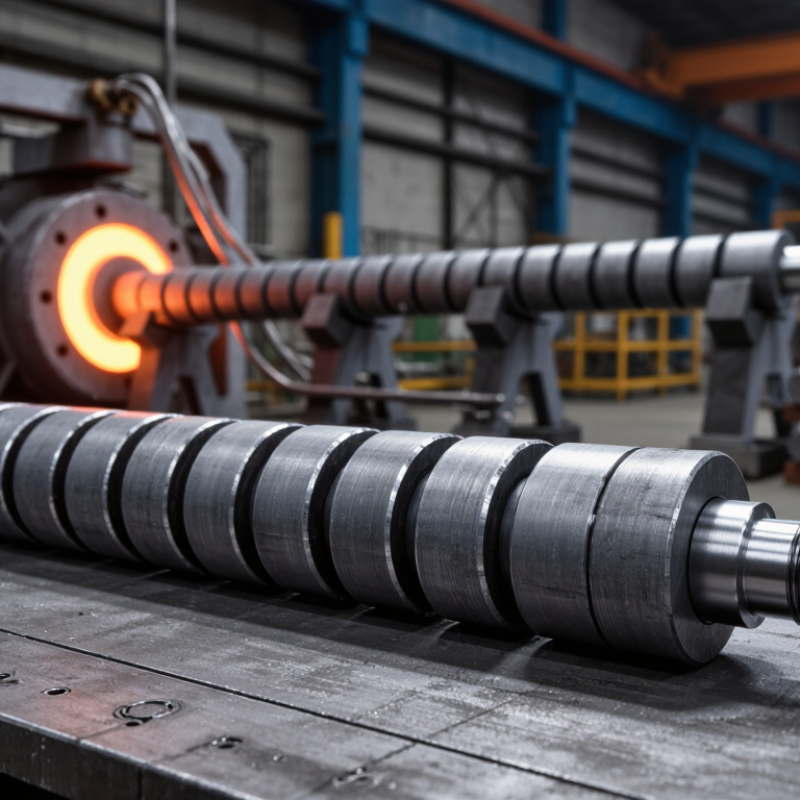
Understanding the Specifications of 200×1800 mm Graphite Electrodes
How to Choose 200x1800mm Graphite Electrodes?
A 200×1800 mm graphite electrode has two basic dimensions: 200 mm diameter and 1800 mm overall length. These measurements affect furnace compatibility, electrical loading, and connection stability. The diameter should match the electrode holder and furnace opening. A small mismatch can cause uneven contact. It can also increase local heating.
Length matters during continuous operation. An electrode that is too short may require frequent replacement. Check the usable length after machining, not only the delivered length. The nipple design, thread size, and connection depth must match the electrode column. This detail is often overlooked. It should not be.
Material specifications need closer attention. Ask for electrical resistivity, bulk density, flexural strength, compressive strength, ash content, and thermal expansion data. Lower resistivity can support efficient current transfer, while higher strength helps reduce breakage during handling. Low ash content is important where metal purity matters. However, no single value decides performance. Furnace power, current density, operating temperature, and cooling conditions work together.
In practical inspections, examine both ends for cracks, chipped threads, and uneven machining. Use calibrated tools to verify diameter and length. Request a test report with batch information and inspection dates. I have seen drawings appear correct while the actual thread depth differed slightly. That small error created installation delays. Specification review should include the drawing, tolerance limits, packaging method, and storage conditions. Performance can still vary, so trial records deserve careful review.
Matching Electrode Grade with Furnace Type and Operating Conditions
How to Choose 200x1800mm Graphite Electrodes?
For a 200x1800mm electrode, grade selection must follow the furnace, not the dimension alone. In an electric arc furnace, repeated high-current cycles create severe thermal shock. HP or UHP grades may suit demanding operations, especially with long arcs and frequent starts. Their lower electrical resistivity can reduce overheating at the electrode column. However, UHP is not automatically the best choice for every furnace.
A ladle furnace often uses lower or medium power than an arc furnace. RP or HP electrodes may work when current density remains moderate and heating cycles are stable. Check the transformer rating, electrode current, arc length, and connection frequency. A 200mm diameter electrode can overheat if the current exceeds its practical range. Small details matter. Nipple fit matters too.
Submerged arc furnaces require another review. Continuous operation, charge resistance, and deep electrode insertion can expose the electrode to sustained heat. Select a grade with suitable mechanical strength and oxidation resistance. Ask for measured resistivity, bulk density, flexural strength, and coefficient of thermal expansion. Do not rely only on a grade label. Real furnace conditions rarely match catalog examples. I have seen a technically suitable grade perform poorly after unstable charging and poor storage. Keep electrodes dry, inspect threads, and review breakage records after each campaign. The first selection may still need adjustment.
Checking Current Capacity, Density, and Electrical Performance
How to Choose 200x1800mm Graphite Electrodes?
A 200x1800mm graphite electrode must match the furnace’s actual current demand. Do not choose by diameter alone. The 200mm diameter provides a cross-sectional area of about 31,400 square millimetres. Current capacity still depends on grade, joint design, cooling, arc stability, and operating time. Check the supplier’s rated current range against your furnace records, not only a catalogue value. In practice, experienced operators also watch voltage fluctuations, electrode consumption, and surface heating during melting.
Density is an important quality signal. Higher apparent density usually means fewer internal pores and better mechanical strength. Request apparent density, open porosity, and flexural strength data from a controlled test report. Inspect the electrode surface for cracks, soft spots, or unusual machining marks. Small defects can worsen after repeated thermal shocks. That detail is easy to miss.
Electrical performance needs closer attention. Specific electrical resistivity affects voltage loss and heat generation inside the electrode. Lower resistivity can support more efficient current transfer, but it does not guarantee stable operation. Thermal expansion, oxidation resistance, and nipple contact quality also matter. Measure joint tightness and inspect contact faces before installation. A clean connection matters greatly. Field results may differ from laboratory figures. Dust, poor alignment, or moisture can change performance. I would not treat one impressive test value as final evidence; comparing several batches often reveals the more dependable choice.
How to Choose 200x1800mm Graphite Electrodes?
Checking current capacity, bulk density, and electrical performance
For a 200mm diameter electrode, the cross-sectional area is approximately 314cm². The estimated current capacity is calculated from representative current-density levels of 16, 22, and 27A/cm², producing approximately 5.0kA, 6.9kA, and 8.5kA. Higher bulk density and lower electrical resistivity generally indicate better electrical performance, although the final selection should also consider furnace power, cooling conditions, connection quality, and operating duty.
Selecting the Right Nipple and Connection Configuration
How to Choose 200x1800mm Graphite Electrodes?
For a 200x1800mm graphite electrode, the nipple controls connection strength and alignment. Choose its diameter, length, thread profile, and material from the electrode supplier’s technical drawing. Do not match dimensions by appearance alone. Small thread differences can create uneven contact. Fit matters. A compatible nipple should seat fully, without rocking or forcing.
Inspect the socket and nipple before installation. Remove dust, chips, and damaged graphite from both threads. Check that the connection surfaces are dry and clean.
During assembly, align the electrodes vertically and rotate them gently by hand. The joint should tighten smoothly. Use the specified torque, not personal judgment.
Excessive force may crack the socket. Insufficient force can increase electrical resistance and cause local heating.
Connection configuration also depends on furnace vibration, current load, and electrode movement. Standard threaded nipples may suit stable operation, while higher-strength designs can help where mechanical stress is severe.
Verify the thread direction and nipple length before lifting the second electrode. A nipple that is too short leaves weak engagement. One that is too long may bottom out before the joint closes.
In practice, installation crews sometimes overlook the socket depth after repeated handling. That mistake deserves more attention.
Keep inspection records for thread condition, torque values, and any visible joint gap. A final check with a straightedge can reveal slight misalignment before the electrode enters the furnace.
Evaluating Quality, Compatibility, Cost, and Supplier Reliability
How to Choose 200x1800mm Graphite Electrodes?
Evaluating Quality, Compatibility, Cost, and Supplier Reliability
A 200 x 1800 mm graphite electrode should be judged as a working component, not a simple measured cylinder. Request density, electrical resistivity, flexural strength, ash content, and dimensional tolerances for the exact grade. Inspect the ends under clean light. Chips, open pores, and uneven machining may signal handling or processing problems. Ask for batch-specific test reports, not generic brochures. Small variation matters when several electrodes operate together.
Compatibility starts with furnace current, transformer capacity, holder design, and connection dimensions. Confirm the nipple thread, pitch, taper, and allowable torque before ordering. An electrode can fit the holder yet perform poorly under the furnace’s thermal and electrical load. Check the expected consumption rate and oxidation conditions. Ask whether the supplier can provide machining drawings and technical support. I would also test a limited quantity first. It costs time, but it exposes assumptions early.
Price per piece is only one part of cost. Compare consumption, breakage risk, transport protection, storage requirements, and delivery stability. Strong packaging should prevent corner damage during a long shipment. A reliable supplier shares traceability, production dates, inspection records, and realistic lead times. Confirm how defects are investigated and replaced. Do not accept vague promises. Laboratory values may not predict every furnace result. Keep operating records, review electrode performance, and adjust specifications when evidence disagrees with the original purchase plan.