


How to Choose the Right Glass Skylight?

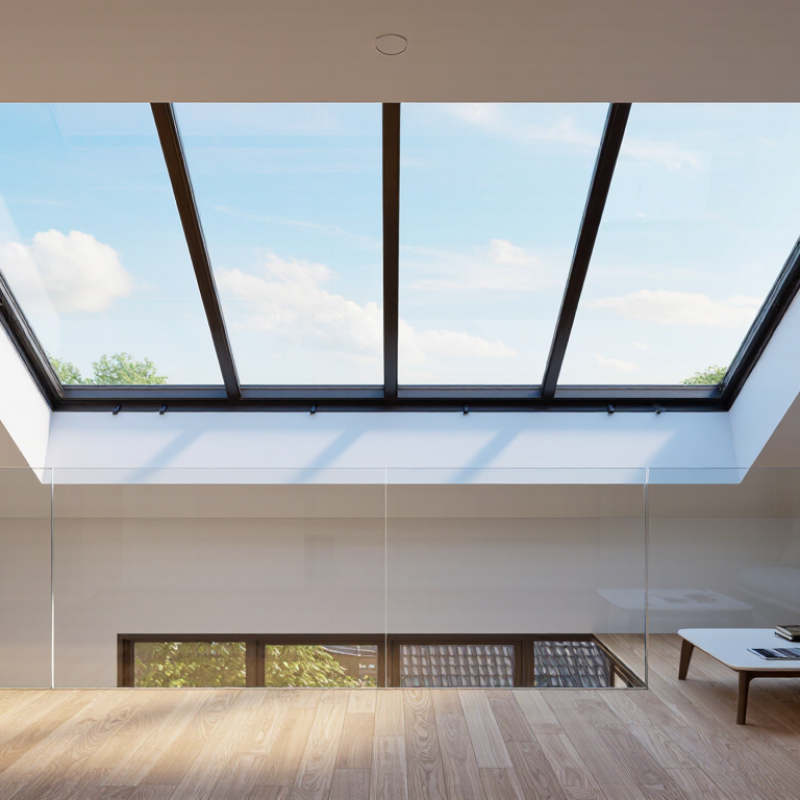
Choosing the right Glass Skylight can change how a room feels, performs, and ages. It can bring soft daylight into a dark hallway, reduce daytime lighting needs, and create a stronger connection with the outdoors. However, a beautiful product is not automatically the best product. Roof shape, climate, room use, and installation quality all influence the final result.

Start by considering glass performance, not appearance alone. Low-emissivity coatings can improve thermal control, while laminated glass may offer better safety and sound reduction. In warmer regions, solar-control glazing can help limit overheating near furniture and flooring. In colder areas, insulated units may reduce interior condensation. A qualified designer or installer should also assess roof pitch, drainage, flashing, and structural support before any purchase.

Small details matter.

From practical renovation planning, one recurring mistake is choosing a skylight size before checking the roof structure. That decision can create expensive changes later. I also believe product labels can be confusing, even for careful buyers. U-values, visible light transmission, and solar heat gain ratings need to be compared together. One number rarely tells the whole story. Ask for written specifications, maintenance guidance, warranty terms, and installation references. Local weather exposure deserves honest attention. Strong sun, heavy rain, wind, and falling branches can affect durability differently. The safest choice balances daylight, energy performance, ventilation, appearance, and long-term service. It may not be the cheapest option, but it should remain dependable years after installation.
How to Choose the Right Glass Skylight?

Define Your Skylight’s Purpose, Location, and Required Light Level

How to Choose the Right Glass Skylight?

A skylight should solve a specific problem, not simply add glass overhead. Define its purpose first. Is it for a dim hallway, a kitchen worktop, or visual connection with the sky? The U.S. Department of Energy reports that a skylight can provide over three times the illumination of a same-sized vertical window. However, more light is not always better. Glare, overheating, and uneven brightness can make a room uncomfortable.

Location changes the result. A south-facing roof usually receives stronger solar heat, while a north-facing opening offers softer, steadier daylight. A long, narrow shaft may brighten one patch but leave the corners dark. Measure the room, shaft depth, roof pitch, and nearby trees before choosing glass. For many reading and desk tasks, professional lighting guidance targets roughly 300–500 lux. CIBSE lighting guidance supports using task needs, not guesswork, to define this level. I have seen attractive skylights underperform because their purpose was never measured.

Tips: Choose diffusing glass for harsh sun and clear glass for weaker daylight. Add shading where summer heat is a concern. Ask for a daylight simulation or lux estimate at floor level. Check it at morning and afternoon. One cloudy day can change your judgment. The International Energy Agency also notes that daylight-responsive controls can reduce lighting energy use, but only when sensors and zoning are designed correctly. A manual switch may still be the wiser choice in a small room.


Compare Glass Types, Coatings, and Energy-Performance Ratings

Choosing the right glass skylight starts with climate, roof pitch, room use, and direction. Clear glass admits abundant daylight, but it can create glare and summer heat. Low-emissivity glass reflects infrared energy while preserving useful daylight. In colder regions, double glazing reduces indoor heat loss. Triple glazing performs better, yet adds weight and cost. Tempered glass resists impact and breaks into smaller pieces. Laminated glass holds together after cracking. Safety still matters.

Coatings change comfort more than appearance. A solar-control low-e coating can reduce heat gain below a sunny roof. A dark tint is not automatically efficient. Check visible transmittance, U-factor, and solar heat gain coefficient. Lower U-factor usually means better insulation. A lower SHGC can suit hot climates, while higher values may help cold rooms. Compare certified ratings, not just marketing descriptions. Ratings can vary with frame design and glass spacing.

Installation deserves equal attention. Poor flashing can cause leaks, even with high-performing glass. Ask for the complete skylight assembly rating, not the center-glass figure alone. Confirm condensation resistance for humid rooms, such as kitchens or bathrooms. A professional installer should inspect roof structure, drainage paths, and interior finishes. One choice may reduce heat but also reduce winter daylight. That trade-off is easy to miss. No rating replaces site judgment. A careful decision can still be imperfect, especially when trees, blinds, and seasonal sunlight change the room.

How to Choose the Right Glass Skylight? - Compare Glass Types, Coatings, and Energy-Performance Ratings

Typical performance ranges for vertical or sloped insulated glazing systems. Actual values vary by glass thickness, cavity width, gas fill, spacer, frame, and test method.

Glass Configuration Typical Coating / Fill Typical U-Factor
BTU/h·ft²·°F
Approx. U-Value
W/m²·K
Typical SHGC Typical Visible Transmittance Solar & Thermal Performance Best-Fit Applications
Single Clear Glass No low-emissivity coating; air space not applicable 0.90–1.10 5.1–6.2 0.70–0.85 0.75–0.90 Lowest insulation
High daylight and high solar gain can increase summer overheating.
Unconditioned spaces, small utility areas, or mild climates where energy performance is not a priority.
Double Clear Insulating Glass Two panes with an air-filled sealed cavity 0.48–0.57 2.7–3.2 0.60–0.75 0.70–0.85 Basic insulation
Better than single glass, but heat loss and solar gain remain relatively high.
Budget-conscious projects in moderate climates where daylight is more important than maximum efficiency.
Double Low-E Glass with Argon Low-emissivity coating; argon-filled cavity 0.25–0.35 1.4–2.0 0.35–0.65 0.55–0.80 High efficiency
Reduces radiant heat transfer while allowing the solar-control level to be selected.
Most residential skylights and general-purpose conditioned buildings.
Double Solar-Control Low-E Glass Spectrally selective low-E coating; argon-filled cavity 0.25–0.35 1.4–2.0 0.20–0.40 0.40–0.70 Strong heat control
Limits unwanted solar heat while maintaining useful daylight.
Warm climates, south- or west-facing roof areas, and spaces sensitive to overheating.
Triple Low-E Glass with Argon Three panes; multiple low-E coatings; argon-filled cavities 0.15–0.22 0.85–1.25 0.25–0.55 0.35–0.70 Very high efficiency
Excellent insulation; typically heavier and may provide less visible light.
Cold climates, high-performance buildings, and projects targeting very low heating demand.
Laminated Double Glass Two panes with a clear or tinted interlayer; may include low-E coating 0.25–0.50 1.4–2.8 0.35–0.70 0.45–0.80 Safety and acoustic focus
Retains glass fragments after breakage and can improve sound reduction; thermal values depend on the full build-up.
Overhead glazing requiring improved safety, security, fall protection, or sound control.
Tinted or Reflective Glass Body-tinted glass or reflective solar-control surface; may be combined with low-E 0.25–0.55 1.4–3.1 0.20–0.55 0.20–0.65 Solar-control option
Reduces glare and solar gain, but darker glass also reduces daylight and can increase electric-lighting demand.
High-sun exposure, glare-sensitive rooms, and designs where visual appearance is important.

How to Read Skylight Energy Ratings

Rating or Property What It Measures Preferred Direction Why It Matters for Skylights
U-Factor Rate of non-solar heat transfer through the complete skylight assembly. Lower is better A lower U-factor reduces heat loss during cold weather. Compare complete-unit ratings when possible because the frame and edge spacer affect performance.
SHGC Fraction of incident solar radiation admitted through the skylight as heat. Low for hot climates; moderate or higher for passive solar heating in cold climates Roof glazing receives strong solar exposure. A high SHGC may cause overheating, while an excessively low SHGC can reduce useful winter heat.
Visible Transmittance Percentage of visible light transmitted through the glazing. Choose according to daylight and glare needs Higher values provide more daylight but may increase glare. Lower values improve glare control but can require more electric lighting.
Air Leakage Amount of air passing through joints in the complete skylight assembly under pressure. Lower is better Low air leakage helps reduce drafts, uncontrolled heat loss, moisture movement, and infiltration around the frame and operable parts.
Condensation Resistance Relative ability of the skylight to resist interior-surface condensation under test conditions. Higher is better Important in humid rooms and cold climates. Ventilation, indoor humidity, installation quality, and interior air circulation also affect condensation.
Safety Glazing Classification Whether the glazing is tempered, laminated, or otherwise designed for locations where human impact or glass fallout is a concern. Use code-compliant safety glazing for overhead locations Skylights are overhead and should be selected according to applicable building and safety codes, especially where people may walk or work below.
Selection guideline: For most conditioned buildings, double low-E glazing with argon is a balanced choice. Choose solar-control low-E glass in high-sun or warm climates, triple low-E glazing in cold climates, and laminated safety glass where overhead impact protection, security, or improved acoustics is required.

Note: The performance figures shown are representative ranges for common glazing configurations, not guaranteed product ratings. For final selection, verify certified whole-skylight values, local energy-code requirements, orientation, roof slope, climate zone, shading, and installation details.

Choose the Appropriate Skylight Shape, Size, and Opening Style

How to Choose the Right Glass Skylight?

Choosing a skylight begins with its shape. A flat rectangular unit suits most pitched roofs and gives balanced daylight. Tubular designs work better in narrow hallways, wardrobes, or rooms with limited roof space. A domed profile can shed rain efficiently, but it may change the exterior appearance. Think about the room below, not only the roof above. A kitchen may benefit from an opening skylight that releases steam, while a quiet bedroom may need a fixed model for better sound control.

Size requires careful judgment. A larger skylight is not always better. Excessive glazing can create glare, overheating, and furniture fading during bright afternoons. Measure the floor area, ceiling height, roof pitch, and direction of sunlight. A qualified installer should also check rafters, flashing, insulation, and local building requirements. I would rather recommend a smaller, well-positioned skylight than a dramatic opening that performs poorly. That view can be unpopular, but comfort matters more than appearance.

Tips: Choose fixed glazing for simple daylight. Select manual or electric opening styles when ventilation is important. Add blinds if summer heat is a concern. Check how the handle or control will be reached after installation. Test the opening path before work begins. Small details matter. Use laminated or insulated glass where safety, noise reduction, or temperature stability is important. Review the plan at different times of day, because one sunny inspection can be misleading.

Evaluate Safety, Weather Resistance, and Installation Requirements

How to Choose the Right Glass Skylight?

Safety should guide every skylight decision. Choose laminated or properly specified safety glass for overhead use. It should resist impact and remain safer if damaged. Ask for test reports covering load, impact, and thermal performance. A qualified installer should also inspect the roof structure. Rafters may need reinforcement. Do not guess here.

Weather resistance depends on more than the glass. Check the frame, seals, flashing, and drainage design together. Wind-driven rain can enter through a weak flashing detail. Hail, snow, ultraviolet exposure, and rapid temperature changes also matter. Look for clear performance ratings and installation instructions. Condensation is easy to overlook. Poor ventilation can leave water marks around the shaft.

Tips: Match the skylight to your roof pitch. Confirm local building requirements before ordering. Keep a small roof sample for color comparison. Request written warranty terms. Use an experienced installer, even for a small unit. Measure twice. I have seen attractive skylights fail because the opening was slightly wrong. A checklist helps, but it is not perfect. Inspect the ceiling after heavy rain during the first season. Pay attention to drafts, staining, or unusual frame movement. These small signs deserve prompt professional review.

Match the Skylight to Your Roof Structure and Local Building Codes

How to Choose the Right Glass Skylight?

A skylight must suit the roof structure before it suits the room. A site inspection should confirm rafter spacing, roof pitch, load paths, and drainage. For example, cutting a rafter may require engineered headers and additional support. That decision belongs to a qualified structural professional. The 2024 International Residential Code, Section R308.6, addresses skylights and sloped glazing, but local amendments may be stricter.

Climate matters just as much. The 2021 International Energy Conservation Code sets window and skylight performance limits by climate zone. Check U-factor and solar heat gain coefficient values in the National Fenestration Rating Council’s certified product data.

The U.S. Department of Energy also notes that skylights can deliver substantially more daylight than similarly sized vertical windows. More daylight helps, but excessive solar gain can overheat a bedroom quickly. Small details matter.

Glass selection should reflect roof exposure. Laminated safety glazing is often appropriate where falling glass could create danger. Tempered glass may resist impact, but it can still break suddenly. Snow regions need verified design loads, while windy regions require tested fastening and flashing details. ASCE 7-22 provides common load criteria for wind and snow design. I have seen attractive installations fail because flashing was treated as an afterthought. That is a costly lesson. No chart replaces a careful roof assessment.

Powder Coat Booths

For those larger-sized parts, or smaller quantity runs, we have 2 independent powder coat booths and ovens. The quality, durability and affordability of today’s powder coating finishes make this the process of choice for world-class companies.

Powder coating advantages over other forms of coating are many. Materials used in the Powder coating process can be metals and non-metals that come in a multitude of thicknesses, textures, colors, etc. Another of Powder coating’s biggest advantages over conventional coatings is its ability to create finishes in many different textures. Powder Coating Booths allow us the ability to apply these advantages to large products.

Wet Paint Line

Tri-State Fabricators runs a full-service conveyor line for painting. Wet painting can provide protection or decoration to many different part styles. From start to finish, every project is easier to undergo random and point-based inspection by our skilled painting team.

Advantages to our Wet Paint Line are these lines start with product prep and ends with a thorough inspection of a high quality finished product. Our ability to complete large and small projects with a superior finish and doing so in a timely and economical fashion. This passes along the savings in production to our customers. When powder coating ins not an option, our Wet Paint Line gets the job done right the first time.

Wet Paint Booths

When the parts get big and heavy we roll-out our custom paint racks and oversize booth. By utilizing our partnerships with all the major paint brands, we can match virtually any color with wet paint.

The advantages of having access to a Wet Paint Booth are many. Large projects of many different shapes can be loaded into the booth. The Wet Paint Booth offers an environment that is much more controlled than a typical parts painting operation.

Not only are they used because of their controlled environment, but they’re are also advantageous when it comes to applying paint to parts that are needed in industries that require specialty coatings such as medical, aerospace, etc.

Military CARC

Our military forces have some very high standards when it comes to the finish of their vehicles and equipment. From the first pre-treatment step to final coat, it takes a great deal of knowledge and experience to protect the men and women of our armed forces. They deserve only the best, and Tri-State Fabricators provides it.

All of our processes are closely monitored by our staff and management teams. Both of which are highly trained in the processes of metal fabrication and finishing. Tri-State Fabricators’ goal is to always fully satisfy each and every customer, including the military. We will always put a 110% into what we do.

Glass-Bead Blasting

Abrasive media blasting is an excellent way to remove old paint, rust, and increase the paint/powder adhesion. Glass beads produce a much smoother and brighter finish than angular abrasives; leaving the part clean yet without any dimensional change. Chemically inert and environmentally friendly, we can recycle our beads approximately 30 times; making them a more preferred method of metal cleaning or surface finishing.

Advantages to Glass Bead Blasting are many. Glass bead blast media is used when a project is needing rough surfaces need to become smooth for applications of coatings such as paint. It is typically used to clean paint and rust from a product surface without deforming the surface it is being used on. Overall, compared to many other blasting media, Glass Bead Blasting is a very economical choice and those savings are always passed on to our customers.

Part Washing

Tri-State Fabricators utilize a zinc phosphate wash to clean and etch the material to ensure the best paint adhesion possible. The unique design of our 3-stage wash system does the work like a 5-stage. From Cleaning and rinsing to conversion coating and post-treatment, Our Part Washing process is a complete service and works throughout the fabrication service and the finishing service.

Along with the previously mentioned benefits, Curing is a vital chemical reaction that leaves the product finish hard and relatively safe from mild abrasion and aggressive corrosion. This process can be done in more than one way; ambient air-dry or in curing ovens at temps that exceed 240°.

Burn-Off Oven

From fixing paint mistakes (someone else’s of course) to simply cleaning our paint line hooks, our burn-off oven is put to good use. After a quick burn-off, a little clean up, and a fresh coat of paint, your parts will look better than new.

Why does our Burn-Off Oven work so well? Because super heating the air around parts turns the materials into ashes. From paint and powder coatings to rubber and machining oils, high temps do the job without degrading the integrity of the part.

Masking

Masking is a vital part of producing high quality products. We have die-cut masking patterns to protect machined surfaces as well as a wide range of plugs and caps to protect threaded holes and bolts. We provide permanent and temporary masking.

Masking allows the selected sections of a product to be protected from a fabrication or finishing service. This can be with both chemicals when etching and tapes, paints when only finishing just a section of the product. Masking is great in aiding the customization process of a project.

Screen Printing

Screen printing is a photographic process that transfers artwork onto a porous nylon screen which allows colored ink to flow through the screen and be deposited on an aluminum or plastic component. We can generally have just about any design created onto a screen for your parts.

Some of the advantages of Screen Printing are, brand recognition for your business displaying on your products, assembly instructions, product warnings/hazards, etc. Tri-State Fabricators produces Screen Printing of the highest quality so you know it’s durable.

Metal Finishing

Metal Finishing is the art of treating the exterior portion of product, often metal but can also be made of other materials, so that the surface is clean and free of any debris. Then the process of applying coats or either paint of powder coat takes place. This coating process improves the quality of the product in both appearance and resistance to wear and corrosion.

Tri-State Fabricators, Inc., understands that a project typically isn’t complete until a high-quality finish has been added to your product. This is why our painting and powder coating teams continuously inspect the products throughout the Metal Finishing process.
