


Why Choose Nickel Alloy Tube for Corrosion Resistance?

Why Choose Nickel Alloy Tube for Corrosion Resistance?

In chemical processing, seawater systems, and heat exchangers, corrosion rarely announces itself. It begins as a dull stain, a tiny pit, or a weakened weld beneath insulation. Nickel Alloy Tube helps resist these threats because its nickel-rich structure remains stable in demanding environments. It performs well against chlorides, acids, caustic solutions, and high-temperature fluids.

“No alloy is universally resistant,” reminds Mars G. Fontana, a respected corrosion engineer and author of Corrosion Engineering. He defined corrosion as “the destructive attack of a metal by chemical or electrochemical reaction with its environment.” His warning still matters. Material selection must reflect the actual fluid, temperature, pressure, velocity, and fabrication method.

Nickel alloys can form protective surface films that slow further attack. Chromium, molybdenum, and iron can strengthen this protection, depending on the grade. In practical service, a properly selected Nickel Alloy Tube may reduce leaks, shutdowns, and frequent replacement. That does not mean it is maintenance-free. Poor welding, surface contamination, stagnant pockets, or unexpected chemicals can still cause failure.

The details matter.

A tube exposed to hot seawater needs different consideration from one carrying concentrated sulfuric acid. Engineers should review corrosion data, welding procedures, dimensional tolerances, and inspection records before approval. Experienced buyers also verify mill certificates and test results. Small shortcuts can become expensive problems.

The strongest choice is not always the most expensive alloy. It is the alloy matched carefully to the environment, manufacturing process, and expected service life. That judgment requires evidence, field experience, and a willingness to question convenient assumptions.
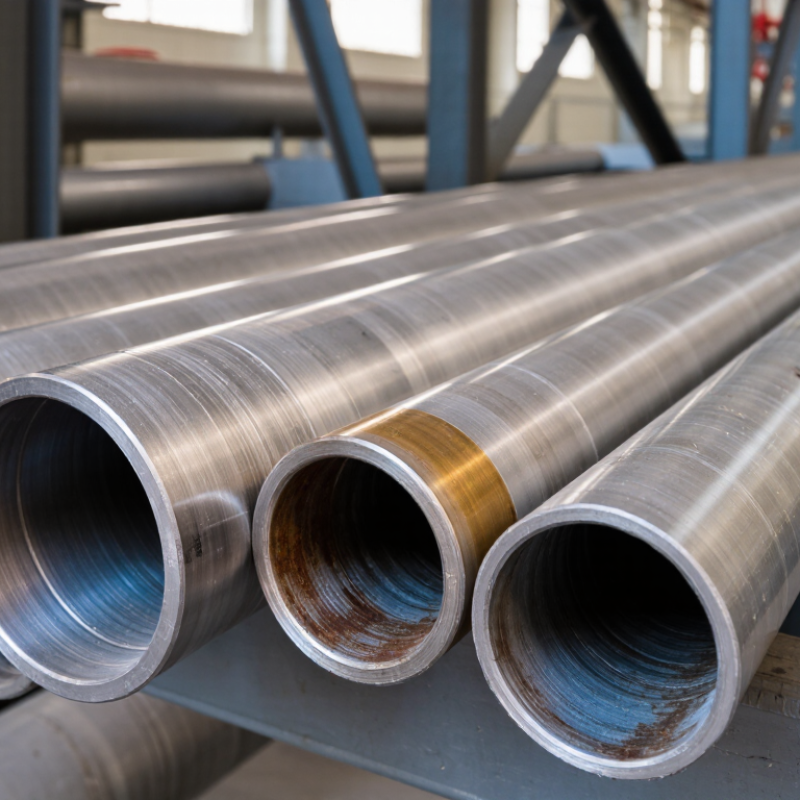
Why Choose Nickel Alloy Tube for Corrosion Resistance?

What Is Nickel Alloy Tube?

Nickel alloy tube is a tubular product made mainly from nickel, with elements such as chromium, molybdenum, iron, or copper. Its chemistry is designed for demanding service, not merely for attractive specifications. Nickel helps maintain structural stability, while chromium supports passive oxide formation. Molybdenum can improve resistance to localized attack, especially in chloride-bearing environments. Tubes may be seamless or welded. They commonly transport seawater, acids, high-temperature gases, and process chemicals. The NACE IMPACT study estimated that corrosion costs the global economy about US$2.5 trillion annually, equal to roughly 3.4% of global GDP. This figure explains why material selection deserves early engineering attention.

In practical inspections, corrosion performance depends on more than the alloy name. Temperature, fluid velocity, impurities, weld quality, and shutdown conditions can change the result. Nickel alloy tube is highly resistant, but it is not corrosion-proof. That distinction is easy to overlook. ASTM specifications, such as ASTM B163 and ASTM B407, define requirements for selected nickel alloy tube products. Still, laboratory coupons cannot perfectly reproduce deposits, stagnant zones, or repeated thermal cycling in service. A careful engineer should treat published resistance tables as guidance, not certainty. Field evidence remains valuable.

Tips: Confirm the alloy grade, UNS number, heat treatment, and wall thickness. Request positive material identification and inspection records. Examine welded areas separately. Compare the actual process chemistry with test data, including chlorides, acidity, temperature, and flow rate. A lower purchase price may become expensive after one unexpected shutdown.


How Nickel Alloy Tube Resists Corrosion

Nickel alloy tube resists corrosion through a protective surface film that reforms after minor damage. Nickel stabilizes this film in acidic and alkaline environments, while chromium creates a dense chromium oxide layer. Molybdenum strengthens protection against chloride pitting and crevice attack. The mechanism is quiet but powerful.

In practical service, a tube carrying hot brine may face chlorides, pressure, and repeated temperature changes. Nickel alloys reduce the risk of rapid wall penetration because their passive films remain more stable than ordinary steel films. The NACE IMPACT study estimated that corrosion costs about 3.4% of global gross domestic product, showing why material selection deserves engineering attention. However, resistance depends on chemistry, temperature, welding quality, and flow conditions. No alloy is invincible.

Laboratory evidence also matters. ASTM G48 testing exposes stainless and nickel-based materials to ferric chloride, revealing localized corrosion weaknesses under controlled conditions. Field engineers should review test data, not rely on alloy labels alone. A welded tube can behave differently near its heat-affected zone, especially after poor cleaning. That detail is easy to miss. The Nickel Institute reports that higher molybdenum and chromium contents generally improve resistance to pitting and crevice corrosion, but they can increase cost and fabrication demands. I would not specify a nickel alloy tube without checking the actual chloride level, pH, operating temperature, and inspection history. Small oversights can become expensive leaks.

Which Environments Require Nickel Alloy Tube?

Why Choose Nickel Alloy Tube for Corrosion Resistance?

Nickel alloy tube is valuable where ordinary metals lose strength or develop leaks. These tubes perform well in seawater systems, offshore equipment, and desalination plants. Chloride-rich water can attack vulnerable alloys, especially near welds and stagnant areas. Nickel-based materials offer stronger resistance in these demanding conditions. However, resistance depends on alloy chemistry, temperature, flow, and fabrication quality.

Chemical processing is another important environment. Tubes may carry hot acids, alkaline solutions, solvents, or mixed process fluids. Some systems also contain sulfur compounds and corrosive gases. In these services, engineers must review concentration changes during cleaning and shutdowns. A tube that performs well during normal operation may struggle during an unexpected temperature increase. That detail is easy to miss. Field inspection records often show that poor support, contamination, or crevices can undermine a suitable material.

Tips: Match the alloy to the complete service condition, not one chemical alone. Confirm pressure, temperature, chloride level, and weld requirements. Request corrosion data from reliable technical sources. Inspect tube surfaces after installation and during scheduled maintenance. Nickel alloy tube costs more initially, but avoiding repeated replacement can justify the investment. Still, material selection should be reviewed carefully. No alloy is universally immune.

Key Nickel Alloy Grades and Their Properties

Nickel alloy tubes are selected when ordinary stainless steel may fail in chlorides, acids, or high-temperature service. The NACE IMPACT study estimated global corrosion costs at about US$2.5 trillion annually, equal to 3.4% of global GDP. That figure explains why material selection deserves engineering attention, not guesswork. Nickel alloys resist localized attack through carefully balanced chromium, molybdenum, copper, and niobium additions.

Alloy 625 combines nickel, chromium, molybdenum, and niobium for strong resistance to pitting, crevice corrosion, and seawater exposure. It also performs well after welding. Alloy C-276 contains high molybdenum and chromium, making it suitable for aggressive chemical environments. Alloy 400 offers useful resistance in hydrofluoric acid and alkaline media, but it is not a universal solution. Alloy 718 is valued mainly for high strength at elevated temperatures. Its corrosion performance requires closer evaluation. No grade is perfect. That assumption deserves scrutiny.

Tips: Match the tube grade to the actual fluid, temperature, pressure, and oxygen level. Review chloride concentration and weld conditions. Request testing based on ASTM or NACE procedures. The USGS Mineral Commodity Summaries 2024 reported global mine nickel production near 3.6 million metric tons, yet availability does not replace compatibility. A cheaper grade can create expensive shutdowns. Small details matter.

Why Choose Nickel Alloy Tube for Corrosion Resistance? - Key Nickel Alloy Grades and Their Properties

Nickel Alloy Grade Approximate Nickel Content Key Alloying Elements Main Corrosion-Resistance Strength Typical Service Environments Tube Applications
Nickel 200 At least 99% Ni Commercially pure nickel; low carbon Excellent resistance to caustic alkalis and many neutral or reducing chemicals Caustic soda, alkaline processing, fluorine and distilled water service Heat exchangers, process piping, chemical handling equipment
Nickel 201 At least 99% Ni Commercially pure nickel; reduced carbon content Similar chemical resistance to Nickel 200 with improved resistance to graphitization at elevated temperatures Caustic and chemical-processing environments requiring elevated-temperature exposure Chemical tubing, evaporators, heat-transfer equipment
Alloy 400 Approximately 63% Ni Copper, iron Strong resistance to hydrofluoric acid, seawater, brine and chloride-induced stress corrosion cracking Marine systems, saltwater, hydrofluoric acid and alkaline solutions Marine piping, condensers, heat exchangers, pump and valve components
Alloy 600 Approximately 72% Ni Chromium, iron Good resistance to oxidation, carburization and a broad range of organic and inorganic compounds High-temperature chemical processing, alkaline solutions and chloride-containing environments Furnace components, heat-treatment equipment, chemical-processing tubes
Alloy 625 Approximately 58% Ni Chromium, molybdenum, niobium, iron Excellent resistance to pitting, crevice corrosion, chloride stress corrosion cracking and seawater attack Seawater, sour gas, offshore chloride service and acidic chemical environments Offshore piping, marine heat exchangers, aerospace and chemical-process tubing
Alloy 718 Approximately 50–55% Ni Chromium, iron, niobium, molybdenum, titanium, aluminum Good resistance to oxidation and stress corrosion cracking combined with high-temperature strength Gas turbines, aerospace systems and high-pressure oil and gas equipment High-pressure tubing, instrumentation lines and engine components
Alloy C-276 Approximately 57% Ni Molybdenum, chromium, tungsten, iron Outstanding resistance to localized corrosion, oxidizing acids, reducing acids and chloride stress corrosion cracking Wet chlorine, sulfuric acid, hydrochloric acid, sour gas and flue-gas desulfurization systems Pollution-control equipment, chemical reactors, scrubbers and process piping
Alloy 800H Approximately 30–35% Ni Chromium, iron, carbon, aluminum, titanium Good resistance to carburization, oxidation and nitridation at elevated temperatures Petrochemical furnaces, steam-hydrocarbon reforming and high-temperature process gas Furnace tubes, heat exchangers and high-temperature process tubing
Alloy 825 Approximately 38–46% Ni Chromium, molybdenum, copper, titanium, iron Strong resistance to sulfuric and phosphoric acids, pitting, crevice corrosion and chloride stress corrosion cracking Acid production, nuclear service, sour gas, seawater and chemical processing Acid-service tubing, heat exchangers, nuclear steam-generator components

Note: Nickel content and alloying-element ranges are approximate nominal values. Actual corrosion performance depends on concentration, temperature, pressure, flow conditions, impurities, fabrication method and heat treatment; material selection should be verified against the applicable ASTM, ASME or EN specification.

How to Select and Maintain Nickel Alloy Tube

How to Select and Maintain Nickel Alloy Tube

Nickel alloy tube resists many chloride, alkaline, and high-temperature environments. Yet selection should begin with service conditions, not nickel content alone. The NACE IMPACT study estimated global corrosion costs at US$2.5 trillion annually, equal to 3.4% of global GDP. That figure shows why careful material selection matters.

Record temperature, pressure, chloride concentration, pH, flow speed, and cleaning chemicals before choosing a grade. ASTM B163 or B161 requirements can then guide dimensions, testing, and manufacturing quality.

Welded areas deserve extra attention. Heat input, contamination, and poor post-weld cleaning may create vulnerable zones. Ask for heat numbers, mechanical test results, and corrosion-test records.

During operation, inspect tube surfaces for pitting, discoloration, deposits, and small leaks. Use ultrasonic thickness testing at fixed locations. Compare readings over time, rather than trusting one inspection.

The Nickel Institute’s technical guidance emphasizes controlling contaminants and selecting alloys for the actual process environment. A tube can look bright and still be losing wall thickness.

Tips

Keep chloride deposits from drying on hot surfaces. Flush with compatible, low-contaminant water.

Avoid carbon-steel tools that leave iron particles. Check supports for rubbing and vibration.

Maintain inspection photographs and thickness maps.

No alloy is maintenance-free. I would also review the original grade after every process change; operating conditions often drift quietly. That small review may prevent a costly surprise.

Powder Coat Booths

For those larger-sized parts, or smaller quantity runs, we have 2 independent powder coat booths and ovens. The quality, durability and affordability of today’s powder coating finishes make this the process of choice for world-class companies.

Powder coating advantages over other forms of coating are many. Materials used in the Powder coating process can be metals and non-metals that come in a multitude of thicknesses, textures, colors, etc. Another of Powder coating’s biggest advantages over conventional coatings is its ability to create finishes in many different textures. Powder Coating Booths allow us the ability to apply these advantages to large products.

Wet Paint Line

Tri-State Fabricators runs a full-service conveyor line for painting. Wet painting can provide protection or decoration to many different part styles. From start to finish, every project is easier to undergo random and point-based inspection by our skilled painting team.

Advantages to our Wet Paint Line are these lines start with product prep and ends with a thorough inspection of a high quality finished product. Our ability to complete large and small projects with a superior finish and doing so in a timely and economical fashion. This passes along the savings in production to our customers. When powder coating ins not an option, our Wet Paint Line gets the job done right the first time.

Wet Paint Booths

When the parts get big and heavy we roll-out our custom paint racks and oversize booth. By utilizing our partnerships with all the major paint brands, we can match virtually any color with wet paint.

The advantages of having access to a Wet Paint Booth are many. Large projects of many different shapes can be loaded into the booth. The Wet Paint Booth offers an environment that is much more controlled than a typical parts painting operation.

Not only are they used because of their controlled environment, but they’re are also advantageous when it comes to applying paint to parts that are needed in industries that require specialty coatings such as medical, aerospace, etc.

Military CARC

Our military forces have some very high standards when it comes to the finish of their vehicles and equipment. From the first pre-treatment step to final coat, it takes a great deal of knowledge and experience to protect the men and women of our armed forces. They deserve only the best, and Tri-State Fabricators provides it.

All of our processes are closely monitored by our staff and management teams. Both of which are highly trained in the processes of metal fabrication and finishing. Tri-State Fabricators’ goal is to always fully satisfy each and every customer, including the military. We will always put a 110% into what we do.

Glass-Bead Blasting

Abrasive media blasting is an excellent way to remove old paint, rust, and increase the paint/powder adhesion. Glass beads produce a much smoother and brighter finish than angular abrasives; leaving the part clean yet without any dimensional change. Chemically inert and environmentally friendly, we can recycle our beads approximately 30 times; making them a more preferred method of metal cleaning or surface finishing.

Advantages to Glass Bead Blasting are many. Glass bead blast media is used when a project is needing rough surfaces need to become smooth for applications of coatings such as paint. It is typically used to clean paint and rust from a product surface without deforming the surface it is being used on. Overall, compared to many other blasting media, Glass Bead Blasting is a very economical choice and those savings are always passed on to our customers.

Part Washing

Tri-State Fabricators utilize a zinc phosphate wash to clean and etch the material to ensure the best paint adhesion possible. The unique design of our 3-stage wash system does the work like a 5-stage. From Cleaning and rinsing to conversion coating and post-treatment, Our Part Washing process is a complete service and works throughout the fabrication service and the finishing service.

Along with the previously mentioned benefits, Curing is a vital chemical reaction that leaves the product finish hard and relatively safe from mild abrasion and aggressive corrosion. This process can be done in more than one way; ambient air-dry or in curing ovens at temps that exceed 240°.

Burn-Off Oven

From fixing paint mistakes (someone else’s of course) to simply cleaning our paint line hooks, our burn-off oven is put to good use. After a quick burn-off, a little clean up, and a fresh coat of paint, your parts will look better than new.

Why does our Burn-Off Oven work so well? Because super heating the air around parts turns the materials into ashes. From paint and powder coatings to rubber and machining oils, high temps do the job without degrading the integrity of the part.

Masking

Masking is a vital part of producing high quality products. We have die-cut masking patterns to protect machined surfaces as well as a wide range of plugs and caps to protect threaded holes and bolts. We provide permanent and temporary masking.

Masking allows the selected sections of a product to be protected from a fabrication or finishing service. This can be with both chemicals when etching and tapes, paints when only finishing just a section of the product. Masking is great in aiding the customization process of a project.

Screen Printing

Screen printing is a photographic process that transfers artwork onto a porous nylon screen which allows colored ink to flow through the screen and be deposited on an aluminum or plastic component. We can generally have just about any design created onto a screen for your parts.

Some of the advantages of Screen Printing are, brand recognition for your business displaying on your products, assembly instructions, product warnings/hazards, etc. Tri-State Fabricators produces Screen Printing of the highest quality so you know it’s durable.

Metal Finishing

Metal Finishing is the art of treating the exterior portion of product, often metal but can also be made of other materials, so that the surface is clean and free of any debris. Then the process of applying coats or either paint of powder coat takes place. This coating process improves the quality of the product in both appearance and resistance to wear and corrosion.

Tri-State Fabricators, Inc., understands that a project typically isn’t complete until a high-quality finish has been added to your product. This is why our painting and powder coating teams continuously inspect the products throughout the Metal Finishing process.
