What Are Perfume Gift Boxes for Global Buyers?
Perfume Gift Boxes are more than attractive containers for fragrance bottles. They protect delicate glass, support brand presentation, and shape a buyer’s first impression. For global buyers, the right box must balance appearance, durability, cost, and practical shipping needs.
A well-designed box may include rigid board, molded inserts, magnetic closures, or recyclable paper components. Each feature serves a purpose. A snug insert reduces movement during transport. A strong outer layer helps resist crushing. Soft textures and precise printing can make a gift feel more personal. Small details matter.
They also affect international purchasing decisions. Buyers should review material specifications, product dimensions, packaging tests, and labeling requirements before placing an order. Import rules, recycling expectations, and language preferences can differ between markets. A supplier with documented quality controls offers greater confidence. Samples still matter more than attractive digital images.
Experience often reveals hidden problems. A beautiful box may be too heavy for economical shipping. A magnetic closure may complicate recycling. A delicate finish may show fingerprints during handling. No package is perfect.
This guide explores what Perfume Gift Boxes mean for international buyers. It considers design, protection, customization, sustainability, and supplier reliability. The discussion focuses on practical choices rather than decoration alone. Buyers can compare options more clearly when every feature has a measurable purpose. Cost remains important, but the cheapest option may create more waste, damage, or customer complaints later. Careful evaluation supports a safer and more consistent purchasing decision.
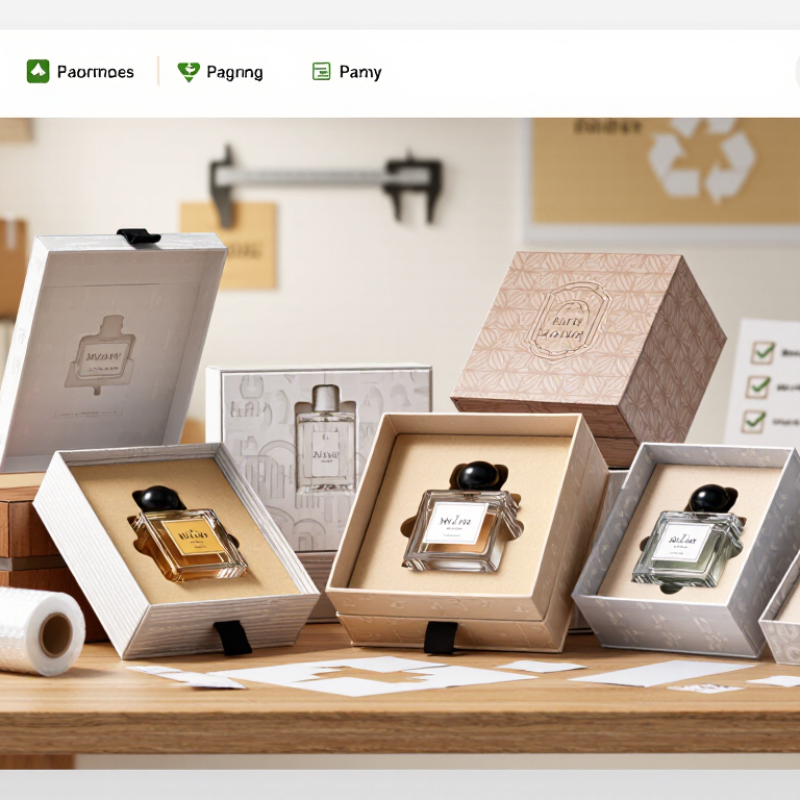
What Is a Perfume Gift Box?
A perfume gift box is a coordinated package designed to present fragrance as a complete gifting experience. It usually includes a perfume bottle, an outer carton, an insert, and sometimes matching body products. The box protects glass during transport and creates a clear visual moment when opened. For global buyers, it may also need multilingual labels, stable materials, and dimensions suitable for international shipping.
Market data supports this format. Grand View Research valued the global fragrance market at about USD 50.85 billion in 2023. It also forecasts continued growth through 2030. Gift packaging benefits from this demand because buyers often seek ready-to-present sets during holidays and personal celebrations. The box should hold the bottle firmly. A loose insert can cause movement, scratches, or breakage. Small details matter.
Practical packaging reviews often reveal an uncomfortable truth. Attractive boxes do not always provide good protection. Excessive layers may increase freight costs and waste. Smithers’ packaging research consistently highlights efficiency, material reduction, and recyclability as major industry concerns. Buyers should examine board strength, closure quality, inner cushioning, and recycling instructions. A useful gift box balances appearance, protection, and handling. It should feel special, but not difficult to open. That balance is still imperfect.
What Are Perfume Gift Boxes for Global Buyers?
A perfume gift box is a coordinated presentation package designed to protect fragrance products and improve their gifting experience. The chart shows the common one-box configuration of a standard perfume gift set.
Each core packaging component is typically included once, while miniature fragrance samples may be included as a pair in a multi-item gift set.
What Items and Features Does a Perfume Gift Box Include?
For global buyers, a perfume gift box is more than a decorated carton. It is a compact presentation system for fragrance, accessories, and product information. A typical set may hold a perfume bottle, travel spray, sample vials, and a small scent card. Some collections also include a funnel, cap, or reusable pouch. Each item should sit firmly in a molded insert. Loose bottles can arrive scratched or leaking after long transport. The insert is not glamorous, but it matters.
Practical features shape the buyer’s experience. A magnetic lid, ribbon pull, or drawer opening creates a clear unboxing moment. Thick paperboard protects the contents while keeping the box light enough for international delivery. Inner padding should resist movement without making disposal difficult. Paper-based inserts are often easier to recycle, though local facilities differ. That detail deserves honest wording. A box should also show fragrance volume, ingredients, usage guidance, and responsible-party information where required. Clear printing supports informed purchasing and helps sellers prepare for different markets.
From packaging projects, I have found that small details often decide whether a gift feels trustworthy. A clean atomizer, sealed sample, and readable card suggest careful quality control. Personal touches may include a blank message card or adjustable sleeve. Yet decoration can become excessive. Too much foil, foam, or fragrance paper may look impressive but add waste and cost. Not every buyer wants a luxury display. The best design balances protection, presentation, storage, and shipping realities.
One weakness remains: scent preferences are personal, so even a polished set cannot guarantee delight. Thoughtful sampling helps, but it cannot replace the buyer’s own judgment.
What Types of Perfume Gift Boxes Are Available?
Perfume gift boxes vary by product size, shipping route, budget, and buyer expectations. Folding cartons are lightweight and economical for single bottles. Rigid setup boxes feel more luxurious, with thick boards, foam inserts, and fabric-like linings. Drawer-style boxes create a memorable opening experience. Magnetic boxes offer a clean, reusable structure. Tube packaging suits compact fragrances and travel collections.
There are practical options too. Molded-pulp inserts protect bottles while reducing plastic components. Paperboard dividers work well for perfume sets with samples, lotion, or candles. Window boxes display the bottle directly, but they may reduce privacy and protection. Grand View Research estimated the global perfume market at USD 50.45 billion in 2022, with continued growth through 2030. That expansion increases demand for packaging that looks attractive across different retail environments.
Sustainability matters.
The Smithers report, The Future of Sustainable Packaging to 2028, identifies recyclable fiber formats as a major packaging direction. However, recyclable claims need verification. A laminated box may look responsible but remain difficult to recycle. Global buyers should check material composition, ink type, insert structure, and shipping durability. In my experience, a beautiful box that arrives crushed is not premium. The best format balances appearance, protection, customs handling, and local recycling access. Small improvements are still worth testing.
How Do Global Buyers Choose the Right Perfume Gift Box?
Global buyers rarely choose a perfume gift box from appearance alone. They assess fragrance positioning, product protection, landed cost, and local customer expectations. Grand View Research valued the global fragrance market at USD 50.85 billion in 2022. It projects 5.9% annual growth from 2023 to 2030. This growth makes box selection a commercial decision, not decoration.
A suitable box should hold bottles firmly, resist moisture, and survive long-distance handling. Magnetic closures may feel premium, but they can increase weight and freight costs. Buyers should compare samples before approving large production runs. The IBM Institute for Business Value reported that 57% of consumers changed purchasing habits for environmental reasons in 2020. Therefore, recyclable paper, reduced plastic, and clear material information can support buyer confidence.
Still, sustainability claims require evidence. A recyclable sleeve means little if local recycling systems cannot process it. This detail is often underestimated. A polished box can still disappoint when opening feels awkward. Low unit prices may also hide expensive inserts, rework, or freight damage.
Tips:
Compare three physical samples. Test drop resistance, closure strength, and bottle movement. Request material certificates and recycling guidance for each target market. Check dimensions against shipping cartons before finalizing the design. Leave enough space for a card, tissue, or protective insert. Small details matter. A useful gift box should look refined, open smoothly, and remain practical after purchase.
What International Packaging and Shipping Factors Matter?
What Are Perfume Gift Boxes for Global Buyers?
International perfume packaging must protect more than appearance. It must survive vibration, compression, humidity, and sudden temperature changes. Glass bottles need molded inserts, leak-resistant sealing, and enough clearance from the outer carton. Fit matters. A loose bottle can turn a premium gift into a damaged delivery.
Shipping rules also influence the box design. The International Air Transport Association’s Dangerous Goods Regulations classify many perfumes as Class 3 flammable liquids. Exporters should confirm carrier acceptance, labeling, documentation, and destination requirements before production. A smaller box can reduce dimensional weight, but excessive compression may weaken protection. This trade-off deserves testing, not guesswork. Drop tests, vibration tests, and heat exposure checks provide stronger evidence than attractive samples.
Sustainability is another international concern. The OECD’s Global Plastics Outlook reports that packaging creates about 40% of global plastic waste. Buyers increasingly expect less empty space, recyclable paper components, and fewer mixed materials. However, replacing plastic without testing can increase breakage and waste. That is an uncomfortable gap in many packaging plans. Paper inserts may absorb moisture, while decorative coatings can complicate recycling. Clear material specifications, multilingual handling information, and accurate customs descriptions improve reliability. No design survives a crushed corner.