Top Syngas Purification Methods for Efficient Energy Generation?
Syngas, or synthesis gas, is a critical intermediate for various energy generation processes. Its purification is vital for efficiency and sustainability. Syngas Purification involves removing impurities like sulfur compounds and particulates. This ensures compatibility with fuel cells and turbines.
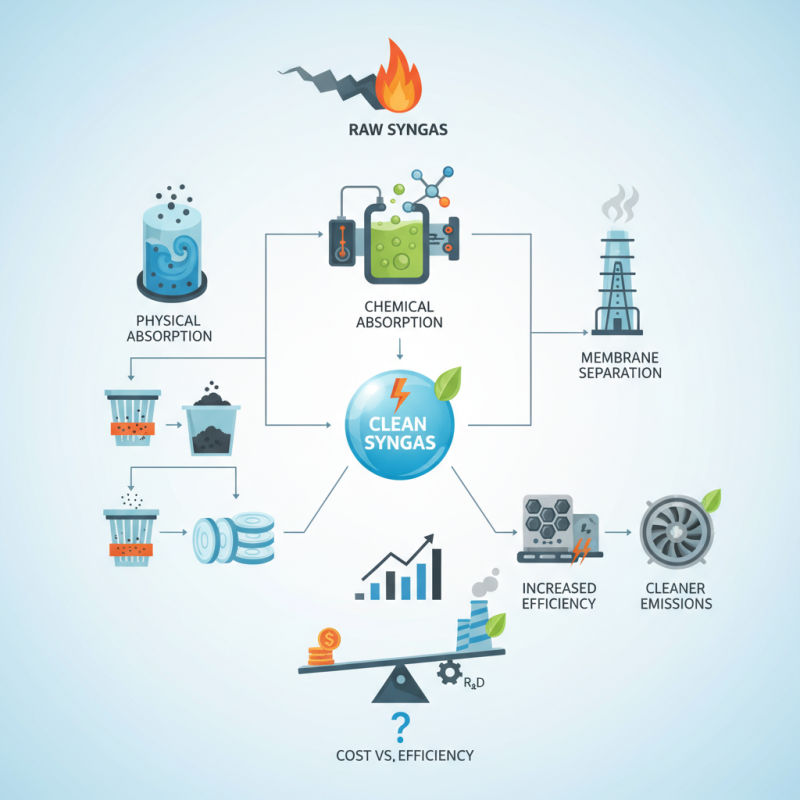
Different methods exist for Syngas Purification, each with unique advantages and disadvantages. For instance, physical absorption techniques can be effective, but they may not remove all contaminants. Additionally, chemical absorption offers a high degree of purification but can produce secondary waste.
Exploring these methods is crucial for advancing energy technologies. Continuous improvement in Syngas Purification leads to enhanced energy output and cleaner emissions. However, challenges remain in balancing efficiency with operational costs. Ongoing research is necessary to optimize these processes and address lingering concerns.
Overview of Syngas and Its Importance in Energy Generation
Syngas, or synthesis gas, plays a pivotal role in energy generation. It is primarily composed of hydrogen, carbon monoxide, and sometimes carbon dioxide. This gas can be produced from various feedstocks, including natural gas, biomass, and coal. As energy demands grow, syngas becomes a vital component in sustainable solutions. It serves as a precursor for biofuels and chemicals, bridging the gap between traditional fossil fuels and renewable energy sources.
The purification of syngas is crucial for maximizing efficiency. Impurities such as sulfur compounds and particulates can hinder the performance of fuel cells and gas turbines. Effective purification methods ensure that these contaminants are removed. However, achieving this can be challenging. The cost and complexity of purification techniques may limit their implementation in some regions. Innovations continue to emerge in this area, but questions about scalability persist.
With the increasing focus on clean energy, the role of syngas will only expand. Research into advanced purification methods is essential. Striking a balance between efficiency and environmental impact remains a pressing concern. Syngas offers promise, but its potential is directly linked to how well we can purify it. As technology evolves, the path to cleaner energy becomes clearer.
Top Syngas Purification Methods for Efficient Energy Generation
| Purification Method | Description | Advantages | Disadvantages | Efficiency (%) |
| Water Scrubbing | Uses water to remove contaminants such as H2S and CO2. | Cost-effective, simple operation. | Requires large water quantities, potential waste disposal issues. | 85-90% |
| Chemical Absorption | Involves chemical solvents to capture CO2 and H2S. | Highly effective for specific contaminant removal. | Solvent recovery can be complex and costly. | 90-95% |
| Pressure Swing Adsorption | Uses adsorbents to separate gases based on pressure changes. | High purity levels achievable. | High energy consumption during operation. | 95-98% |
| Membrane Separation | Employs selective membranes to separate gases. | Compact design, low maintenance. | Limited by membrane lifespan and fouling. | 80-90% |
| Cryogenic Distillation | Uses low temperatures to separate gases based on boiling points. | Very high purity achievable. | High capital and operational costs. | 98-99% |
Key Contaminants in Syngas and Their Effects on Energy Efficiency
Syngas, or synthetic gas, is a crucial player in energy production. However, impurities can hinder its efficiency. The most common contaminants include sulfur compounds, carbon dioxide, and particulates. These elements can reduce the overall performance of energy conversion systems. For instance, high levels of sulfur can poison catalysts used in subsequent processes.
Tips: Regularly monitor syngas quality. Simple tests can identify major contaminants. Early detection can save significant energy loss.
Addressing these contaminants effectively is essential. Different purification methods exist, including chemical absorption and physical adsorption. Each method has its pros and cons. Some processes might remove contaminants efficiently but can be costly. Additionally, energy requirements for these methods must be considered.
Tips: Evaluate the cost versus efficiency of purification systems. Choose a method that aligns with production goals.
As you seek to optimize syngas for energy generation, always consider the side effects of each process. Adjusting one aspect may impact another. Efficiency is a delicate balance. Regular assessments ensure you're maximizing the energy potential of your syngas.
Top Methods for Syngas Purification: Technologies and Processes
Syngas purification plays a crucial role in enhancing energy generation efficiency. Various methods exist, each with its specific advantages and challenges. One notable approach is Pressure Swing Adsorption (PSA). This technique effectively separates impurities, like carbon dioxide and mercury, by utilizing pressure changes. Studies indicate that PSA can achieve up to 95% purity in syngas, making it a popular choice. However, operational costs are a concern, as they can vary significantly based on feed gas composition and the desired purity.
Membrane technology also shows promise in syngas purification. This method involves selective permeation, allowing specific molecules to pass through while rejecting others. Recent reports highlight that membrane systems can maintain a high purity level while operating at lower temperatures than conventional methods. However, scalability remains a question, as membrane replacement can be costly.
Ceramic filters are another option in syngas purification. They excel in high-temperature environments and can efficiently remove particulates. Nevertheless, they tend to require periodic maintenance. With a variety of technologies available, it’s essential to assess each method's suitability based on specific operational requirements and constraints. The dynamic landscape of energy generation necessitates a closer look at syngas purification techniques for future advancements.
Comparative Analysis of Syngas Purification Methodologies
Syngas, or synthetic gas, is crucial in energy generation. Purifying syngas is vital for efficiency and environmental sustainability. Different methods exist, each with pros and cons. Each method impacts energy efficiency differently.
One prevalent technique involves chemical absorption. This method uses solvents to capture impurities effectively. However, the costs and potential solvent degradation remain challenges. Membrane separation is another technique. It offers high efficiency and low energy use. Still, the limitations in membrane lifespan can hinder long-term effectiveness.
Thermal processes, such as temperature swing adsorption, also purify syngas. While they can handle large volumes, their energy intensity raises concerns. It’s fascinating how these methods offer unique benefits and reveal the complexities of energy production. Exploring these methods deeply can uncover new opportunities for improvement. Understanding their drawbacks leads to better choices in syngas purification.
Future Trends and Innovations in Syngas Purification Techniques
The evolution of syngas purification techniques is critical for optimizing energy generation. Recent reports indicate that the global market for syngas is projected to grow at a CAGR of 8.4% from 2022 to 2030. Emerging methods focus on efficiency and sustainability, addressing both energy output and environmental impact.
One promising trend is the integration of membrane technology. This method features high separation efficiency. Innovative membranes can selectively permeate specific gases, thus reducing energy costs. Research shows that membrane systems can improve syngas yield by up to 30%, indicating a shift toward more effective purification processes.
Tip: Consider adopting modular systems. They allow for scalability and can adapt to varying raw material qualities. Additionally, advancements in carbon capture technology are influencing purification trends. Enhanced capture methods can reduce CO2 emissions considerably, aligning with global climate goals. However, challenges remain. Engineers must balance cost and performance to achieve desirable results. This ongoing quest for innovation showcases the industry’s commitment to a cleaner energy future.