


Top Tea Sorting Machine Suppliers for Global Buyers?

Tea quality is decided by more than leaf appearance. Moisture, particle size, cultivar, and processing conditions can all change how a batch behaves on a sorting line. FAOSTAT’s crop database and the International Tea Committee’s Annual Bulletin of Statistics document production and trade across major tea-producing countries. These sources help buyers understand market scale, but they do not rank equipment suppliers. That distinction matters. A Tea Sorting Machine must be assessed against the buyer’s actual leaf grades, required capacity, and acceptable defect levels—not a brochure’s best-case figures.

For global buyers, a useful supplier comparison starts with measurable tests. Ask for sample runs using your own tea, and record sorting accuracy, throughput, recovery rate, and rejected-leaf volume. Check whether the machine handles whole-leaf, broken-leaf, or specialty grades without excessive product loss. ISO 3720:2011 defines basic requirements for black tea; it is a product standard, not a machine-performance guarantee. Keep that in mind. Buyers should also confirm installation support, operator training, spare-parts availability, and service response times in their region. A polished showroom demonstration can be persuasive, yet it may not reflect dusty conditions or a long production shift. No shortlist is perfect. The strongest choice is usually the supplier willing to share test conditions, explain limitations, and put practical performance commitments in writing.
Top Tea Sorting Machine Suppliers for Global Buyers?

Understanding Tea Sorting Machines and Their Main Functions

Top Tea Sorting Machine Suppliers for Global Buyers?

Understanding Tea Sorting Machines and Their Main Functions

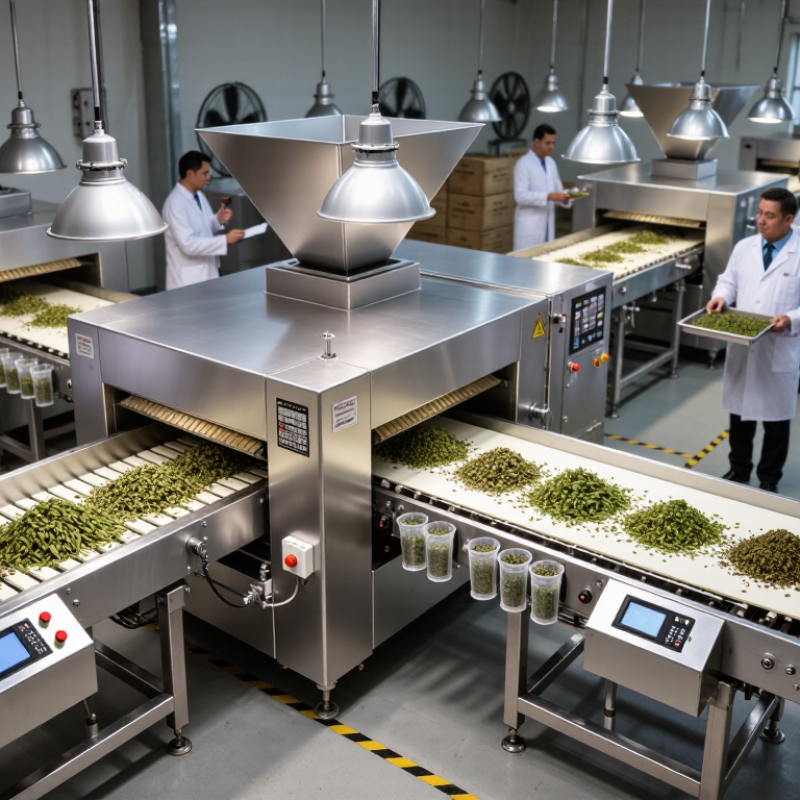
Tea sorting machines separate leaf material by size, color, shape, or visible defects. A vibrating screen can remove fine dust and divide particles by size. Optical sorters use cameras to identify color differences, then brief air jets divert discolored leaves or foreign matter. These functions support more consistent batches, but they do not replace careful harvesting, withering, or skilled quality checks. FAOSTAT records global tea production at about 6.7 million tonnes in 2022, illustrating the scale of material that processors handle. That figure describes production, not machine performance. Buyers should verify claims with trials using their own tea.

Sorting results depend on leaf moisture, feed rate, lighting, and machine settings. A very fast line may miss defects; overly strict settings may discard usable leaves. No camera sees everything. Small adjustments can change the grade, and operators still need to inspect samples. Ask suppliers for measured recovery and rejection rates, throughput under stated conditions, cleaning procedures, and access to spare parts. Request a test with different leaf grades, not just a polished demonstration sample.

Tips: Bring representative tea samples to a trial. Record the feed rate, accepted product, and rejected material, then compare results with manual inspection. Keep the test conditions; otherwise, the numbers may mislead.

Key Sorting Technologies Used in the Tea Industry

Top Tea Sorting Machine Suppliers for Global Buyers?

Key Sorting Technologies Used in the Tea Industry

Tea sorting has moved beyond simple sieving. FAOSTAT data places global tea production above 6.5 million tonnes in 2022. This scale increases pressure on factories to remove stems, stones, dust, and uneven leaves consistently. The International Tea Committee’s annual statistics also show strong demand across black, green, and specialty teas.

Color sorting is widely used for detecting pale leaves, burnt particles, and foreign materials. High-resolution cameras inspect the tea stream as it falls through the machine. Air jets then remove selected particles within milliseconds. Near-infrared technology can identify differences that visible cameras miss, including moisture variation and some organic contaminants.

Size and weight classification still matter. Vibrating screens separate broken tea from larger leaf grades, while electronic weighing improves batch control. Some advanced systems combine RGB cameras, infrared sensors, and machine-learning software. This helps distinguish acceptable leaf variation from actual defects.

Practical testing remains essential. A machine that performs well on dry black tea may struggle with curled green tea. Dust levels, leaf moisture, and feeding speed can change results. Buyers should request test reports using their own samples, not only laboratory images. ISO tea standards can support quality checks, but they do not replace factory trials. The overlooked issue is maintenance. Dirty lenses and poorly adjusted air valves can reduce sorting accuracy quickly. Small errors become expensive at high throughput.

How to Assess Tea Sorting Machine Suppliers

Top Tea Sorting Machine Suppliers for Global Buyers

How to Assess Tea Sorting Machine Suppliers

Choosing a tea sorting machine supplier requires more than comparing online prices. Examine sorting accuracy, processing capacity, and performance with your actual tea varieties. Ask for test results using similar leaf size, moisture, and color conditions. A reliable supplier should explain rejection rates clearly, not hide behind impressive percentages.

Request a live demonstration or a recorded trial with measurable data. Check the machine’s camera resolution, air-jet response, software controls, and cleaning access. Operators should understand daily adjustments without constant technical support. Review electrical specifications, safety documents, installation guidance, and spare-parts availability for your destination.

Speak with several existing customers, preferably from climates similar to yours. Ask about downtime, training quality, maintenance costs, and response times. Contracts should define delivery dates, warranty coverage, and service responsibilities. The cheapest quotation may become expensive after repeated delays.

No supplier is perfect.

A practical evaluation should include a factory visit when possible. Inspect assembly quality, cable protection, dust control, and testing procedures. I would also record small weaknesses, because they often become larger problems later. One overlooked issue is local technician availability. A strong machine still loses value when repairs depend on distant support. Supplier claims deserve verification through samples, documents, and direct conversations.

Leading Tea Sorting Machine Suppliers for Global Buyers

Leading tea sorting machine suppliers for global buyers understand that every tea origin needs a different sorting approach. Fresh green tea, black tea, and herbal blends vary in color, moisture, size, and surface texture. Experienced suppliers should provide sample testing before recommending a machine. This process reveals whether cameras can identify pale stems, broken leaves, stones, or uneven particles. It also exposes weak points. Brochures rarely show those details.

Reliable suppliers offer adjustable color recognition, stable air ejectors, and clear operating controls. Buyers should examine throughput under realistic factory conditions, not only laboratory figures. Ask for test videos, maintenance schedules, spare-parts availability, and operator training. A supplier with strong technical knowledge can explain sensor limits without hiding them. That honesty matters.

After-sales support is equally important for global buyers. Remote diagnostics, installation guidance, and multilingual manuals can reduce production delays. Check electrical standards, safety documentation, warranty terms, and local service capability before placing an order. A serious supplier should also explain cleaning routines, calibration intervals, and compressed-air requirements. Small details matter. Yet even a well-designed machine may need adjustment after installation. Tea dust, changing harvest quality, and operator habits can affect performance. Allow time for testing, recording rejection rates, and refining settings instead of trusting one perfect trial.

Comparing Suppliers by Capacity, Service, and Cost

Global buyers should compare tea sorting machine suppliers by real capacity, not brochure claims. A line rated at 2,000 kilograms per hour may slow with curled leaves, dust, or uneven moisture. Ask for a live test using your own tea samples. Record feed rate, rejection rate, and usable output. Small details matter. Request separate results for green, black, and specialty teas. Supplier experience appears in test records, not polished promises.

Service can protect production more than a low purchase price. Check installation support, operator training, remote diagnostics, and local technician coverage. Ask how quickly replacement valves, cameras, and belts can ship. A clear spare-parts list reduces unpleasant surprises. Factory trials often reveal overlooked cleaning time. That mistake becomes expensive during peak harvest. Still, service claims need evidence. Request references from similar climates and processing volumes.

Compare total cost over five years. Include machine price, freight, power use, labor, software updates, and maintenance. A cheaper unit may require more manual sorting and create higher product loss. Capacity also affects payback; an oversized system can sit idle for months. Ask for a cost model based on daily output. Be skeptical of perfect accuracy figures. Tea quality changes by season. No supplier is perfect. Practical suppliers explain limits and document adjustments. Published figures are rarely comparable, so repeat trials before signing.

Top Tea Sorting Machine Suppliers for Global Buyers? - Comparing Suppliers by Capacity, Service, and Cost

Supplier profile Capacity comparison Service to check Relative cost tendency Often suits Buyer due diligence
Established optical-sorter manufacturer Model-specific. Compare quoted kg/h using the same tea grade, feed conditions, and acceptable defect rate. Check commissioning, operator training, spare-parts availability, and remote troubleshooting arrangements. Medium to high; depends on sorter configuration and service package. Processors seeking a dedicated production line and documented support. Request a sample test report, a written throughput guarantee, and the scope and duration of the warranty.
Tea-focused sorting equipment specialist Confirm performance for the specific tea type and sorting task; leaf shape, size, and feed consistency affect usable throughput. Ask whether technicians can tune recipes for different teas and provide local or remote support. Medium; compare the complete package rather than the machine price alone. Tea factories that need sorting settings tailored to their products. Test representative production samples, including the most difficult grade to sort.
Regional equipment supplier or integrator Capacity depends on the machine supplied and line layout; verify output at the factory, not only the sorter’s stated maximum. Potential advantages include local installation and faster on-site service; confirm technician coverage and parts stock. Medium; freight, integration, installation, and local service affect total cost. Buyers who value local support or need a machine integrated into an existing line. Identify the original equipment manufacturer and clarify who is responsible for warranty and after-sales service.
Value-oriented exporter or smaller manufacturer Compare verified output and sorting accuracy; published capacity figures may use different test conditions. Check availability of manuals, spare parts, software support, and assistance across time zones. Low to medium; confirm what is included and budget for installation and ongoing support. Smaller operations or buyers with in-house technical capability. Request a live or recorded test, a detailed parts list, and references for comparable installations.

Comparison note: These are supplier profiles, not named companies or supplier-specific quotations. Tea sorter throughput and price vary with tea type, feed rate, sorting criteria, machine configuration, and service scope. For a fair comparison, ask each supplier to test the same representative samples and quote capacity, sorting accuracy, installation, warranty, and spare parts in writing.

Powder Coat Booths

For those larger-sized parts, or smaller quantity runs, we have 2 independent powder coat booths and ovens. The quality, durability and affordability of today’s powder coating finishes make this the process of choice for world-class companies.

Powder coating advantages over other forms of coating are many. Materials used in the Powder coating process can be metals and non-metals that come in a multitude of thicknesses, textures, colors, etc. Another of Powder coating’s biggest advantages over conventional coatings is its ability to create finishes in many different textures. Powder Coating Booths allow us the ability to apply these advantages to large products.

Wet Paint Line

Tri-State Fabricators runs a full-service conveyor line for painting. Wet painting can provide protection or decoration to many different part styles. From start to finish, every project is easier to undergo random and point-based inspection by our skilled painting team.

Advantages to our Wet Paint Line are these lines start with product prep and ends with a thorough inspection of a high quality finished product. Our ability to complete large and small projects with a superior finish and doing so in a timely and economical fashion. This passes along the savings in production to our customers. When powder coating ins not an option, our Wet Paint Line gets the job done right the first time.

Wet Paint Booths

When the parts get big and heavy we roll-out our custom paint racks and oversize booth. By utilizing our partnerships with all the major paint brands, we can match virtually any color with wet paint.

The advantages of having access to a Wet Paint Booth are many. Large projects of many different shapes can be loaded into the booth. The Wet Paint Booth offers an environment that is much more controlled than a typical parts painting operation.

Not only are they used because of their controlled environment, but they’re are also advantageous when it comes to applying paint to parts that are needed in industries that require specialty coatings such as medical, aerospace, etc.

Military CARC

Our military forces have some very high standards when it comes to the finish of their vehicles and equipment. From the first pre-treatment step to final coat, it takes a great deal of knowledge and experience to protect the men and women of our armed forces. They deserve only the best, and Tri-State Fabricators provides it.

All of our processes are closely monitored by our staff and management teams. Both of which are highly trained in the processes of metal fabrication and finishing. Tri-State Fabricators’ goal is to always fully satisfy each and every customer, including the military. We will always put a 110% into what we do.

Glass-Bead Blasting

Abrasive media blasting is an excellent way to remove old paint, rust, and increase the paint/powder adhesion. Glass beads produce a much smoother and brighter finish than angular abrasives; leaving the part clean yet without any dimensional change. Chemically inert and environmentally friendly, we can recycle our beads approximately 30 times; making them a more preferred method of metal cleaning or surface finishing.

Advantages to Glass Bead Blasting are many. Glass bead blast media is used when a project is needing rough surfaces need to become smooth for applications of coatings such as paint. It is typically used to clean paint and rust from a product surface without deforming the surface it is being used on. Overall, compared to many other blasting media, Glass Bead Blasting is a very economical choice and those savings are always passed on to our customers.

Part Washing

Tri-State Fabricators utilize a zinc phosphate wash to clean and etch the material to ensure the best paint adhesion possible. The unique design of our 3-stage wash system does the work like a 5-stage. From Cleaning and rinsing to conversion coating and post-treatment, Our Part Washing process is a complete service and works throughout the fabrication service and the finishing service.

Along with the previously mentioned benefits, Curing is a vital chemical reaction that leaves the product finish hard and relatively safe from mild abrasion and aggressive corrosion. This process can be done in more than one way; ambient air-dry or in curing ovens at temps that exceed 240°.

Burn-Off Oven

From fixing paint mistakes (someone else’s of course) to simply cleaning our paint line hooks, our burn-off oven is put to good use. After a quick burn-off, a little clean up, and a fresh coat of paint, your parts will look better than new.

Why does our Burn-Off Oven work so well? Because super heating the air around parts turns the materials into ashes. From paint and powder coatings to rubber and machining oils, high temps do the job without degrading the integrity of the part.

Masking

Masking is a vital part of producing high quality products. We have die-cut masking patterns to protect machined surfaces as well as a wide range of plugs and caps to protect threaded holes and bolts. We provide permanent and temporary masking.

Masking allows the selected sections of a product to be protected from a fabrication or finishing service. This can be with both chemicals when etching and tapes, paints when only finishing just a section of the product. Masking is great in aiding the customization process of a project.

Screen Printing

Screen printing is a photographic process that transfers artwork onto a porous nylon screen which allows colored ink to flow through the screen and be deposited on an aluminum or plastic component. We can generally have just about any design created onto a screen for your parts.

Some of the advantages of Screen Printing are, brand recognition for your business displaying on your products, assembly instructions, product warnings/hazards, etc. Tri-State Fabricators produces Screen Printing of the highest quality so you know it’s durable.

Metal Finishing

Metal Finishing is the art of treating the exterior portion of product, often metal but can also be made of other materials, so that the surface is clean and free of any debris. Then the process of applying coats or either paint of powder coat takes place. This coating process improves the quality of the product in both appearance and resistance to wear and corrosion.

Tri-State Fabricators, Inc., understands that a project typically isn’t complete until a high-quality finish has been added to your product. This is why our painting and powder coating teams continuously inspect the products throughout the Metal Finishing process.