


Choosing the right windows changes more than a home’s appearance. It affects daylight, ventilation, comfort, and how each room feels throughout the day. Unique Windows can add character, but a striking shape or frame is only useful when it suits the building and its everyday needs. A wide picture window may brighten a dim living room. In a busy bedroom, however, privacy and sound control may matter more.
Good choices begin with close observation. Notice where morning sun lands, how the breeze moves, and which rooms feel drafty in winter. Check the wall space, nearby furniture, and the view from both inside and outside. Then compare window styles, frame materials, glazing, and opening methods. Small details count. A casement handle should be easy to reach; a deep sill might become a reading spot or collect dust. There is no perfect option for every home.
These ten practical tips will help you weigh design against function, rather than choosing by appearance alone. They also encourage careful questions about energy performance, maintenance, installation, and budget. Product labels and local building requirements can vary, so verify specifications with qualified professionals before making a final decision. Measure twice. Ask for samples, too. Photos can make colors look warmer than they appear in real daylight. Even a thoughtful plan may need adjusting once you see the frame beside your flooring and trim. That is not failure; it is part of making a better-informed choice.
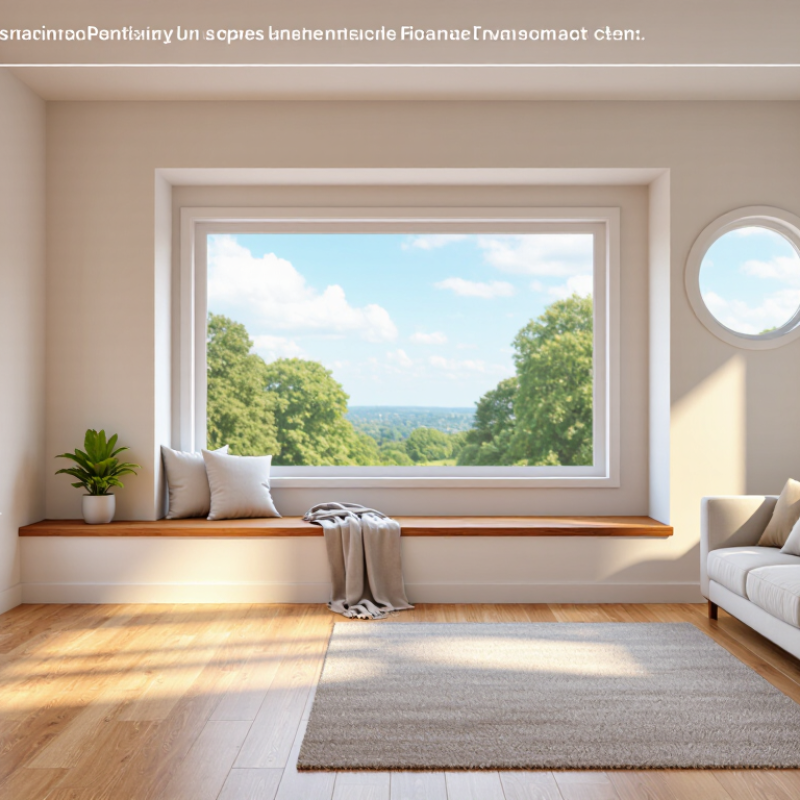
Window design begins with how a room is used, not just how it looks. A casement window swings outward and can catch a breeze, while a sliding window moves horizontally where outdoor clearance is limited. Double-hung windows open from either end, making it easier to adjust airflow near a desk or kitchen sink.
Small detail, big difference.
Fixed windows do not open, but they can frame a garden view and bring in daylight. Pairing one with an operable window may balance brightness and ventilation.
In a bathroom, privacy glass can soften direct views without blocking all natural light. Check the window’s direction, too: strong afternoon sun may call for shading or carefully chosen glazing.
Materials, frame depth, and grille patterns shape the final look. A slim frame can suit a clean, modern room, while divided panes may feel more at home in a traditional house. Still, matching every window to one style can feel too rigid.
I would compare samples in the actual room, where wall color and changing daylight can make a design look surprisingly different. Also consider cleaning access, insulation, and how far a sash projects before choosing.
A beautiful window that is awkward to reach may become a daily annoyance.
A good window design starts with the room, not a fabric sample. Note how the space is used, how much daylight it receives, and where privacy matters. A bedroom facing a street may need better light control than a kitchen used mostly during the day. Check the direction of sunlight at different hours. Morning glare can feel very different from late-afternoon heat. Small details matter.
Measure each window carefully before comparing styles. Record the width at the top, middle, and bottom, then use the smallest figure when planning an inside mount. Measure height on both sides, too. Older frames are not always square. I once assumed two windows in one room matched; they did not. Recheck your notes before ordering, and ask a qualified installer if the frame or mounting method is unclear.
Set a realistic budget that includes more than the window treatment itself. Add installation, brackets, tracks, and any needed repairs to the frame. Keep a small reserve for surprises. It can be tempting to spend the full amount on a dramatic design, but daily use deserves equal attention. Test samples in the actual room, beside the wall color and furniture. A shade that looks soft in a shop may feel too dark at home. Your first preference may change. That is useful information, not wasted effort.
A window should look as though it belongs to the house, not like an afterthought. On a traditional home, divided panes and balanced proportions often echo older façades. A contemporary room may suit broad, uncluttered glazing. Still, copying a style too literally can feel staged. Look at the roofline, exterior trim, and neighboring windows before choosing a frame shape.
Inside, match the window’s visual weight to the room. A deep timber frame can complement warm floors and painted millwork, while a slim profile keeps a small room feeling open. Notice the details. Handle finishes, sill depth, and muntin spacing affect the view from both sides. I once saw a beautiful grille pattern overwhelm a narrow kitchen; fewer divisions would have let in more visual calm.
Think about daylight and daily use, too. A low sill can frame a garden from a chair, while a higher one may protect privacy near a walkway. Check where morning and afternoon sun falls before settling on glass and shade choices. Open the proposed style, if possible, and test its reach around furniture. A design that photographs well may be awkward to clean or operate. Measure carefully, and confirm structural limits with a qualified window professional before changing an opening.
Choosing a window starts with its frame, not its color. Vinyl needs little upkeep, while wood offers warmth but may need regular repainting. Fiberglass tends to resist swelling and temperature changes, though its upfront cost can be higher. Feel the frame samples in your hand. A finish that looks perfect online may feel wrong in a bright room.
Glazing affects comfort and noise. Double-pane glass suits many homes; triple-pane units can help in colder or noisier settings, but they add weight and expense. Low-emissivity coatings reduce heat transfer, and gas-filled spaces can improve insulation when seals remain intact. Ask for the whole-window U-factor and solar heat gain coefficient, not just glass claims. Numbers matter.
Energy performance also depends on fit. A well-rated window can still leak if the opening is poorly measured or sealed. Check the wall depth, flashing, and drainage details with an experienced installer. Then consider maintenance: easy-to-clean tracks, accessible screens, and replaceable weatherstripping save effort over time. I once assumed tilt-in sashes would make cleaning simple; on a high, awkward window, they were less helpful than expected. Measure access, sunlight, and exposure to driving rain before choosing. Small details count.
| # | Choosing Tip | Materials and Design | Glazing and Energy Efficiency | Maintenance and Practical Check |
|---|---|---|---|---|
| 1 | Match the frame to the local climate | Vinyl and fiberglass frames generally need little painting. Wood offers a natural finish but may need periodic painting or sealing, especially on exposed surfaces. | Frame material alone does not determine performance. Compare the whole-window U-factor and solar heat gain coefficient (SHGC) on product labels. | Ask how often exterior finishes need attention and check whether the frame has drainage paths that must remain clear. |
| 2 | Choose glazing for both heat and sunlight | Double-pane glazing has two panes; triple-pane glazing has three and can provide additional insulation, though it is typically heavier and may cost more. | Low-emissivity (low-e) coatings reduce heat transfer. A lower U-factor indicates better insulation; SHGC indicates how much solar heat enters. | Compare certified ratings for the complete window, not just the glass. Consider orientation and shading when selecting SHGC. |
| 3 | Prioritize airtight installation | Well-made frames can still perform poorly if gaps around the opening are not properly sealed and insulated. | Air leakage is separate from U-factor and SHGC. Look for a tested air-leakage rating and a suitable installation plan. | Have the installer explain how the window will be flashed, insulated, and sealed to the wall assembly. |
| 4 | Pick an opening style that suits the room | Casement and awning windows open outward and can provide broad ventilation. Double-hung windows slide vertically; sliding windows move horizontally. | Fixed windows generally have no operable sash and can be more airtight than operable designs, when properly installed. | Check that the sash can be reached for cleaning and that opening it will not obstruct walkways or outdoor spaces. |
| 5 | Consider condensation and indoor humidity | Frames with thermal breaks can reduce heat flow through metal components. Condensation can also be influenced by indoor humidity and ventilation. | Warm-edge spacers and insulated glazing units can help limit heat loss at the edge of the glass; performance varies by product. | Keep indoor humidity appropriate for the season and inspect seals if fogging appears between panes, which may indicate a failed insulating glass seal. |
| 6 | Use orientation to guide solar control | Window size and placement affect daylight, views, heat gain, and glare. Exterior shade can block sunlight before it reaches the glass. | In cooling-dominated locations, lower SHGC may help reduce solar heat gain. In heating-dominated locations, useful winter sun may matter; climate and shading are key. | Review each façade separately and account for nearby trees, overhangs, and neighboring buildings. |
| 7 | Balance daylight with privacy and glare control | Transoms, clerestory windows, and carefully placed glazing can bring daylight deeper into a room without relying only on large windows. | Tinted or spectrally selective glazing can reduce some solar gain or glare, but visible-light transmission affects how bright the room feels. | Test samples in the actual room if possible, and consider blinds or shades that can be cleaned and operated easily. |
| 8 | Compare durability, not just purchase price | Wood-clad frames combine an interior wood finish with a protective exterior cladding. Fiberglass and vinyl typically require less finish maintenance. | Thermal performance depends on the complete unit, including frame, glass, seals, and installation—not material category alone. | Check warranty terms, finish-care instructions, hardware availability, and whether components can be repaired or replaced. |
| 9 | Plan for safe, manageable cleaning | Tilting sashes can make some double-hung windows easier to clean from indoors. Fixed windows have fewer moving parts but may be harder to clean from outside. | Glass coatings and specialty glazing can have specific cleaning instructions; abrasive tools may damage some surfaces. | Confirm access to both sides of the glass and follow the maker's care instructions for glass, frames, tracks, and hardware. |
| 10 | Check ratings and code requirements before ordering | Choose sizes, opening types, and safety glazing based on the building location and intended use of each room. | Look for independently certified whole-window ratings, such as those shown on applicable national or regional energy labels. | Verify local requirements for egress, tempered safety glass, wind loads, and permits with the relevant building authority before purchase. |
Choosing a window design starts with the room, not the catalog. Watch how daylight moves across the floor during the day. A south-facing room may need shading to limit glare, while a darker hallway can benefit from a larger glazed area. Remember that glass type, frame depth, and nearby buildings all affect the result. A bright showroom can be misleading.
Ventilation deserves a practical check. Consider whether the window can open safely and whether its position creates a useful path for fresh air. In a kitchen, an opening near the cooking area may clear heat and steam. In a bedroom, a small opening can provide airflow without leaving the room fully exposed. Check for screens, restrictors, and enough clearance for furniture or curtains. Small details matter.
Privacy is not only about choosing frosted glass. A higher sill, textured glazing, or carefully placed window can preserve daylight while reducing direct views from the street. Compare the view from both inside and outside, if possible. Then review installation requirements: wall condition, opening measurements, drainage, and access for fitting. Measure twice. Older walls may be uneven, and a design that looks simple on paper can require extra work. I would leave room for that possibility rather than assume every opening is perfectly square.


For those larger-sized parts, or smaller quantity runs, we have 2 independent powder coat booths and ovens. The quality, durability and affordability of today’s powder coating finishes make this the process of choice for world-class companies.
Powder coating advantages over other forms of coating are many. Materials used in the Powder coating process can be metals and non-metals that come in a multitude of thicknesses, textures, colors, etc. Another of Powder coating’s biggest advantages over conventional coatings is its ability to create finishes in many different textures. Powder Coating Booths allow us the ability to apply these advantages to large products.
Tri-State Fabricators runs a full-service conveyor line for painting. Wet painting can provide protection or decoration to many different part styles. From start to finish, every project is easier to undergo random and point-based inspection by our skilled painting team.
Advantages to our Wet Paint Line are these lines start with product prep and ends with a thorough inspection of a high quality finished product. Our ability to complete large and small projects with a superior finish and doing so in a timely and economical fashion. This passes along the savings in production to our customers. When powder coating ins not an option, our Wet Paint Line gets the job done right the first time.
When the parts get big and heavy we roll-out our custom paint racks and oversize booth. By utilizing our partnerships with all the major paint brands, we can match virtually any color with wet paint.
The advantages of having access to a Wet Paint Booth are many. Large projects of many different shapes can be loaded into the booth. The Wet Paint Booth offers an environment that is much more controlled than a typical parts painting operation.
Not only are they used because of their controlled environment, but they’re are also advantageous when it comes to applying paint to parts that are needed in industries that require specialty coatings such as medical, aerospace, etc.
Our military forces have some very high standards when it comes to the finish of their vehicles and equipment. From the first pre-treatment step to final coat, it takes a great deal of knowledge and experience to protect the men and women of our armed forces. They deserve only the best, and Tri-State Fabricators provides it.
All of our processes are closely monitored by our staff and management teams. Both of which are highly trained in the processes of metal fabrication and finishing. Tri-State Fabricators’ goal is to always fully satisfy each and every customer, including the military. We will always put a 110% into what we do.
Abrasive media blasting is an excellent way to remove old paint, rust, and increase the paint/powder adhesion. Glass beads produce a much smoother and brighter finish than angular abrasives; leaving the part clean yet without any dimensional change. Chemically inert and environmentally friendly, we can recycle our beads approximately 30 times; making them a more preferred method of metal cleaning or surface finishing.
Advantages to Glass Bead Blasting are many. Glass bead blast media is used when a project is needing rough surfaces need to become smooth for applications of coatings such as paint. It is typically used to clean paint and rust from a product surface without deforming the surface it is being used on. Overall, compared to many other blasting media, Glass Bead Blasting is a very economical choice and those savings are always passed on to our customers.
Tri-State Fabricators utilize a zinc phosphate wash to clean and etch the material to ensure the best paint adhesion possible. The unique design of our 3-stage wash system does the work like a 5-stage. From Cleaning and rinsing to conversion coating and post-treatment, Our Part Washing process is a complete service and works throughout the fabrication service and the finishing service.
Along with the previously mentioned benefits, Curing is a vital chemical reaction that leaves the product finish hard and relatively safe from mild abrasion and aggressive corrosion. This process can be done in more than one way; ambient air-dry or in curing ovens at temps that exceed 240°.
From fixing paint mistakes (someone else’s of course) to simply cleaning our paint line hooks, our burn-off oven is put to good use. After a quick burn-off, a little clean up, and a fresh coat of paint, your parts will look better than new.
Why does our Burn-Off Oven work so well? Because super heating the air around parts turns the materials into ashes. From paint and powder coatings to rubber and machining oils, high temps do the job without degrading the integrity of the part.
Masking is a vital part of producing high quality products. We have die-cut masking patterns to protect machined surfaces as well as a wide range of plugs and caps to protect threaded holes and bolts. We provide permanent and temporary masking.
Masking allows the selected sections of a product to be protected from a fabrication or finishing service. This can be with both chemicals when etching and tapes, paints when only finishing just a section of the product. Masking is great in aiding the customization process of a project.
Screen printing is a photographic process that transfers artwork onto a porous nylon screen which allows colored ink to flow through the screen and be deposited on an aluminum or plastic component. We can generally have just about any design created onto a screen for your parts.
Some of the advantages of Screen Printing are, brand recognition for your business displaying on your products, assembly instructions, product warnings/hazards, etc. Tri-State Fabricators produces Screen Printing of the highest quality so you know it’s durable.
Metal Finishing is the art of treating the exterior portion of product, often metal but can also be made of other materials, so that the surface is clean and free of any debris. Then the process of applying coats or either paint of powder coat takes place. This coating process improves the quality of the product in both appearance and resistance to wear and corrosion.
Tri-State Fabricators, Inc., understands that a project typically isn’t complete until a high-quality finish has been added to your product. This is why our painting and powder coating teams continuously inspect the products throughout the Metal Finishing process.

