


Top 10 CNC Equipment Suppliers for Global Buyers?

Cnc Equipment has become a strategic investment, not merely a production purchase. Buyers now compare spindle speed, control systems, service coverage, automation readiness, and total ownership cost. A machine may look impressive on a showroom floor. Its real value appears months later, beside a cutting tool, an operator, and a maintenance log.

Market data shows why supplier selection deserves closer attention. Grand View Research estimated the global CNC machine market at approximately USD 83.8 billion in 2023, with continued growth expected through 2030. Fortune Business Insights reported a different market value and forecast, reflecting varying definitions of CNC equipment and regional coverage. The difference matters. It reminds buyers to question attractive numbers. It also supports a practical evaluation based on verified specifications, installation records, training quality, spare-parts access, and documented customer results.

Gene Haas, founder of Haas Automation, stated, “I started Haas Automation in 1983 with the goal of building a CNC machine that was affordable and easy to use.” That principle still influences purchasing decisions. However, affordability alone is insufficient. A low purchase price can become expensive when software updates, downtime, tooling, or overseas support are overlooked. This guide examines ten leading Cnc Equipment suppliers for global buyers, using public company information, manufacturing experience, technology capability, and after-sales reliability. No ranking is perfect. Supplier performance can vary by country, application, and factory size. Therefore, readers should verify local certifications, service response times, and machine trials before signing a contract.
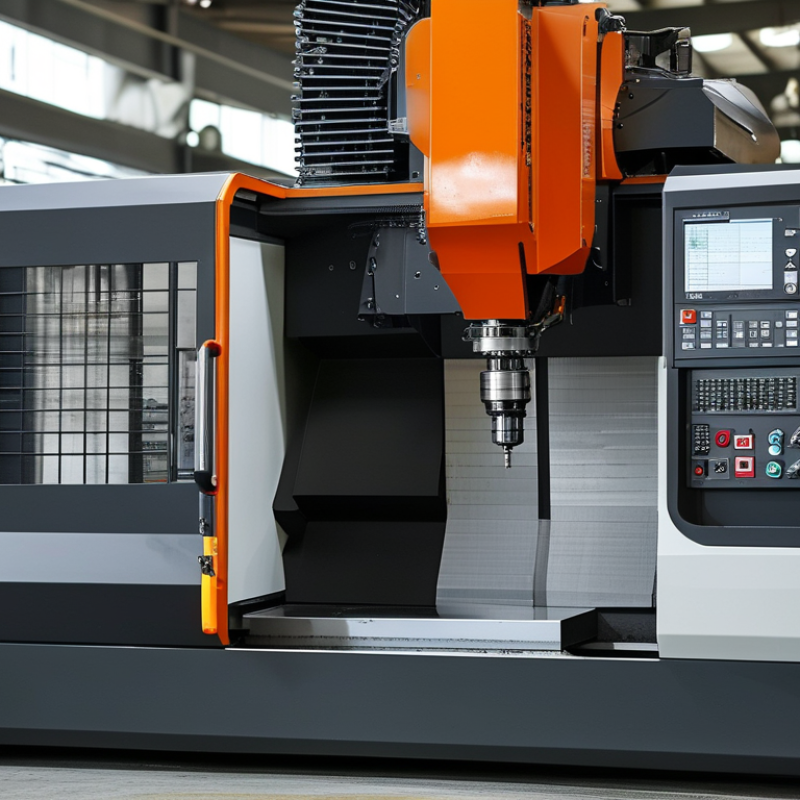
Top 10 CNC Equipment Suppliers for Global Buyers?

What Defines a Leading CNC Equipment Supplier?

Leading CNC equipment suppliers are defined by more than spindle speed or a polished catalog. Global buyers need repeatable accuracy, documented testing, and dependable post-installation service. The 2024 World Robotics report from the International Federation of Robotics recorded 541,302 industrial robots installed worldwide in 2023. This growth means CNC suppliers should support robotic loading, connected cells, and stable data exchange. A machine that cuts well for one shift is not enough. Buyers should request tolerance results, thermal-compensation records, and sample parts using comparable materials.

Reliability also depends on people. Check technician coverage, spare-parts response times, training hours, and escalation procedures. Deloitte’s 2024 Smart Manufacturing Survey found that 86% of respondents expect smart manufacturing to become a major competitiveness driver within three years. That changes the supplier checklist. Ask about software updates, data security, and integration support. On a factory floor, watch a tool change and inspect chip removal. I would not trust impressive cycle-time claims without setup and maintenance figures. They may hide important costs.

Tips: Build a weighted scorecard before requesting quotations. Give accuracy, uptime, service, cybersecurity, and total ownership cost clear percentages. Ask for three customer references, not one. Test remote support during a planned trial. It may fail occasionally. That failure reveals the supplier’s real response. A leading supplier shares limitations openly, documents assumptions, and helps improve the process instead of selling maximum specifications.

Top 10 CNC Equipment Suppliers for Global Buyers? - What Defines a Leading CNC Equipment Supplier?

Comparative evaluation of leading CNC supplier profiles using commonly published machine specifications, international quality standards, service capabilities, and buyer-focused purchasing criteria. Company and brand names are intentionally omitted.

Rank Supplier Profile Primary Production Region Core CNC Equipment Typical Positioning Accuracy Typical Spindle Speed Common Axis Configuration Automation Capability Quality and Compliance Indicators Typical Global Lead Time Best Fit for Buyers
1 High-Precision Integrated Manufacturer Japan Vertical machining centers Turning centers 5-axis machines Approximately ±0.005 to ±0.010 mm 8,000–30,000 rpm 3-axis, 4-axis, and 5-axis Robot loading, pallet changers, tool monitoring, production cells ISO 9001; documented geometric inspection; traceable factory testing 4–10 months High-volume production, aerospace components, medical parts, and precision mold work
2 Premium Heavy-Duty Engineering Supplier Germany Large machining centers Mill-turn systems Grinding equipment Approximately ±0.004 to ±0.010 mm 6,000–24,000 rpm 3-axis, 4-axis, 5-axis, and mill-turn Flexible manufacturing systems, automatic tool management, in-process measurement ISO 9001; CE conformity; documented risk and safety assessment 6–14 months Heavy industrial parts, automotive powertrain, energy, and high-duty machining
3 Export-Oriented Value and Technology Supplier Taiwan Vertical machining centers CNC lathes Double-column machines Approximately ±0.008 to ±0.015 mm 8,000–20,000 rpm 3-axis, 4-axis, and 5-axis Bar feeders, robotic cells, pallet systems, centralized production monitoring ISO 9001; CE-marked export models; factory acceptance testing 3–8 months General manufacturing, automotive suppliers, job shops, and export-focused factories
4 Flexible Multi-Industry Automation Supplier United States CNC mills CNC turning centers Horizontal machining centers Approximately ±0.006 to ±0.015 mm 6,000–18,000 rpm 3-axis, 4-axis, and 5-axis Quick-change workholding, cobots, bar feeders, pallet pools, digital monitoring ISO 9001; documented calibration procedures; North American electrical compliance options 3–9 months Contract machining, aerospace supply chains, defense production, and short-run work
5 Specialized Compact-Precision Supplier Switzerland Swiss-type lathes Micro-machining centers Precision grinding systems Approximately ±0.002 to ±0.008 mm 10,000–40,000 rpm Sliding-head turning and multi-axis machining Bar feeding, automatic part inspection, high-speed tool monitoring ISO 9001; ISO 13485 options for medical production; detailed calibration records 5–12 months Medical devices, watch components, miniature parts, and high-value precision components
6 High-Productivity European Production Supplier Italy Turning centers Mill-turn machines Multi-spindle systems Approximately ±0.006 to ±0.012 mm 5,000–15,000 rpm 2-axis, 3-axis, Y-axis, and mill-turn Bar loaders, gantry robots, chip conveyors, automatic workpiece transfer ISO 9001; CE conformity; machine safety documentation 4–10 months Automotive, hydraulic components, fittings, and repetitive batch production
7 Integrated Smart-Factory Supplier South Korea Vertical machining centers Horizontal machining centers CNC turning centers Approximately ±0.006 to ±0.015 mm 8,000–20,000 rpm 3-axis, 4-axis, and 5-axis Robotic tending, pallet pools, tool-life management, factory data connectivity ISO 9001; CE export configurations; digital inspection reports 4–9 months Automotive, electronics, industrial machinery, and connected production lines
8 Cost-Competitive Full-Range Supplier China CNC mills CNC lathes 5-axis machining centers Laser equipment Approximately ±0.010 to ±0.025 mm 6,000–18,000 rpm 3-axis, 4-axis, and 5-axis Robot loading, pallet changers, automatic lubrication, remote diagnostics ISO 9001; CE export models; factory inspection and acceptance testing available 2–7 months General metalworking, education, fabrication, replacement capacity, and budget-sensitive projects
9 Specialized Aerospace and Large-Part Supplier Spain Large 5-axis centers Gantry mills High-speed machining systems Approximately ±0.008 to ±0.020 mm 10,000–30,000 rpm 3-axis, 4-axis, 5-axis, and gantry configurations Automatic tool measurement, probing, adaptive machining, chip evacuation systems ISO 9001; EN 9100 commonly requested for aerospace supply chains; CE conformity 6–16 months Aerospace structures, large molds, wind-energy components, and complex profiles
10 Regional Customization and Service Supplier Türkiye Vertical machining centers CNC lathes Sheet-metal CNC systems Approximately ±0.010 to ±0.025 mm 6,000–15,000 rpm 2-axis, 3-axis, and 4-axis Basic robotic loading, bar feeding, automatic tool measurement, custom fixtures ISO 9001; CE conformity; regional electrical and safety documentation 2–6 months Small and medium manufacturers seeking accessible customization and regional support
Buyer note: Accuracy, spindle speed, lead time, automation, and certification levels vary by model and configuration. Global buyers should confirm factory acceptance criteria, installation requirements, operator training, spare-parts availability, warranty coverage, service response time, and total landed cost before placing an order.

How to Evaluate CNC Suppliers for International Purchasing

Top 10 CNC Equipment Suppliers for Global Buyers?

Choosing among the top ten CNC equipment suppliers requires more than comparing prices. I examine machine accuracy, service records, factory capacity, and international delivery experience. Ask for test-cut videos, inspection reports, and customer references from similar industries. A polished website proves little.

Request measurable details. Check positioning accuracy, repeatability, spindle runout, controller compatibility, and electrical requirements. Confirm whether the machine supports your local voltage and safety standards. During a live video inspection, ask the supplier to machine your sample drawing. Measure the finished part with calibrated equipment. Small errors become expensive after installation.

International purchasing also depends on dependable communication. Clarify lead time, packing methods, spare-part availability, warranty coverage, and technician response hours. Review the quotation carefully, including installation, training, shipping terms, insurance, and customs documents. Suppliers should provide clear technical files and compliant declarations. Avoid vague promises.

I once underestimated packaging quality. A machine arrived safely, but several accessories lacked clear labels. Production started late. That experience changed my checklist. I now request photographs of the packed crate, a numbered accessory list, and remote commissioning support. Still, no supplier is perfect. A delayed reply may reveal weak after-sales systems, but one mistake should not decide everything. Compare evidence, not confidence.

Top 10 CNC Equipment Suppliers by Technology and Market Reach

Choosing the top ten CNC equipment suppliers requires more than comparing spindle speed or brochure prices. Technology coverage and market reach matter more for global buyers. The shortlist should include specialists in three- and five-axis machining, turning, Swiss-type production, EDM, laser processing, and hybrid manufacturing. Suppliers with integrated robotics, monitoring software, and digital twins also deserve attention. They fit today’s factories better.

Grand View Research projects the global CNC machine market to expand at roughly 8% annually through 2030. The International Federation of Robotics recorded 541,302 industrial robot installations in 2023. These figures show why automation-ready equipment increasingly influences supplier rankings. Deloitte’s 2024 smart manufacturing research also found that 86% of manufacturers expect smart technologies to support competitiveness within five years. A supplier’s control platform, data security, and integration skills now matter beside cutting accuracy.

Market reach should be measured by service depth, not office locations. Buyers should check local engineers, spare-parts stock, training capacity, and response times. In practical sourcing reviews, installation references often reveal more than polished demonstrations. A machine may perform well in a test cut, yet struggle with local voltage, tooling, or maintenance support. That weakness is easy to overlook. Regional compliance knowledge also reduces commissioning delays. The best ten suppliers therefore combine credible process expertise with dependable support across continents. Still, rankings remain imperfect; production volume, budget, and operator skill can change the order.

This benchmark compares ten widely traded CNC equipment technologies using representative midpoints from commonly published industrial specifications. Spindle-speed values are shown in thousand revolutions per minute, while axis values indicate typical controlled or simultaneous machine axes. The comparison describes technology coverage relevant to global buyers and does not rank individual companies or brands.

Comparing CNC Machines, Services, Prices, and Delivery

Choosing among the top CNC equipment suppliers requires more than comparing machine prices. Grand View Research estimates that the global CNC machine market reached about USD 88 billion in 2023. Demand is expanding, but supplier quality remains uneven.

Compare spindle speed, working envelope, control systems, accuracy, and expected tool life. Ask for test-cut videos and sample inspection reports. A machine priced at USD 80,000 may need costly installation, training, tooling, and software. Delivery also matters. The World Bank’s 2023 Logistics Performance Index shows clear differences in customs efficiency and shipment timeliness across markets. Request a written lead time, export documents, packaging details, and spare-parts availability. “In stock” can mean only the frame is available.

Tips: Build one comparison sheet. Record machine price, freight, installation, warranty response, and service hours. Ask whether engineers can support your time zone. Check references from buyers with similar materials and tolerances. A low quote can still be a false economy.

According to the International Federation of Robotics, manufacturers increasingly invest in automation to address labor shortages and improve consistency. However, automation does not remove every production risk. One weakness in many comparisons is overvaluing specifications while ignoring operator training. Delivery promises can also change after payment. Use staged payments, acceptance testing, and clearly defined performance criteria. These details feel slow, but they protect the production schedule.

How Global Buyers Can Choose the Right CNC Equipment Supplier

Choosing the right CNC equipment supplier requires more than comparing prices and spindle speeds. Start with the workpiece, material, tolerance, batch size, and expected production hours. A machine built for aluminum may struggle with hardened steel. Ask for sample parts produced on the proposed model. Measure surface finish, dimensional accuracy, cycle time, and tool wear.

Supplier experience matters most when problems appear. Request maintenance records, operator training plans, spare-parts availability, and response times for technical support. Review factory acceptance tests and independent quality certificates. A reliable supplier should explain limits clearly, not promise perfect results for every application. Check electrical standards, documentation, installation requirements, and local service coverage before signing an agreement.

I have learned that a polished factory tour can mislead. Ask to speak with current users who run similar materials and workloads. Their comments often reveal hidden delays, software issues, or difficult maintenance procedures. Compare the full cost, including freight, installation, tooling, training, energy use, and downtime. Do not ignore cybersecurity for connected controls. It deserves attention. A smaller supplier may offer stronger support, while a larger one may provide broader resources. Neither option is automatically safer. Keep every specification, warranty term, and performance promise in writing, then have an experienced engineer review the contract.

Powder Coat Booths

For those larger-sized parts, or smaller quantity runs, we have 2 independent powder coat booths and ovens. The quality, durability and affordability of today’s powder coating finishes make this the process of choice for world-class companies.

Powder coating advantages over other forms of coating are many. Materials used in the Powder coating process can be metals and non-metals that come in a multitude of thicknesses, textures, colors, etc. Another of Powder coating’s biggest advantages over conventional coatings is its ability to create finishes in many different textures. Powder Coating Booths allow us the ability to apply these advantages to large products.

Wet Paint Line

Tri-State Fabricators runs a full-service conveyor line for painting. Wet painting can provide protection or decoration to many different part styles. From start to finish, every project is easier to undergo random and point-based inspection by our skilled painting team.

Advantages to our Wet Paint Line are these lines start with product prep and ends with a thorough inspection of a high quality finished product. Our ability to complete large and small projects with a superior finish and doing so in a timely and economical fashion. This passes along the savings in production to our customers. When powder coating ins not an option, our Wet Paint Line gets the job done right the first time.

Wet Paint Booths

When the parts get big and heavy we roll-out our custom paint racks and oversize booth. By utilizing our partnerships with all the major paint brands, we can match virtually any color with wet paint.

The advantages of having access to a Wet Paint Booth are many. Large projects of many different shapes can be loaded into the booth. The Wet Paint Booth offers an environment that is much more controlled than a typical parts painting operation.

Not only are they used because of their controlled environment, but they’re are also advantageous when it comes to applying paint to parts that are needed in industries that require specialty coatings such as medical, aerospace, etc.

Military CARC

Our military forces have some very high standards when it comes to the finish of their vehicles and equipment. From the first pre-treatment step to final coat, it takes a great deal of knowledge and experience to protect the men and women of our armed forces. They deserve only the best, and Tri-State Fabricators provides it.

All of our processes are closely monitored by our staff and management teams. Both of which are highly trained in the processes of metal fabrication and finishing. Tri-State Fabricators’ goal is to always fully satisfy each and every customer, including the military. We will always put a 110% into what we do.

Glass-Bead Blasting

Abrasive media blasting is an excellent way to remove old paint, rust, and increase the paint/powder adhesion. Glass beads produce a much smoother and brighter finish than angular abrasives; leaving the part clean yet without any dimensional change. Chemically inert and environmentally friendly, we can recycle our beads approximately 30 times; making them a more preferred method of metal cleaning or surface finishing.

Advantages to Glass Bead Blasting are many. Glass bead blast media is used when a project is needing rough surfaces need to become smooth for applications of coatings such as paint. It is typically used to clean paint and rust from a product surface without deforming the surface it is being used on. Overall, compared to many other blasting media, Glass Bead Blasting is a very economical choice and those savings are always passed on to our customers.

Part Washing

Tri-State Fabricators utilize a zinc phosphate wash to clean and etch the material to ensure the best paint adhesion possible. The unique design of our 3-stage wash system does the work like a 5-stage. From Cleaning and rinsing to conversion coating and post-treatment, Our Part Washing process is a complete service and works throughout the fabrication service and the finishing service.

Along with the previously mentioned benefits, Curing is a vital chemical reaction that leaves the product finish hard and relatively safe from mild abrasion and aggressive corrosion. This process can be done in more than one way; ambient air-dry or in curing ovens at temps that exceed 240°.

Burn-Off Oven

From fixing paint mistakes (someone else’s of course) to simply cleaning our paint line hooks, our burn-off oven is put to good use. After a quick burn-off, a little clean up, and a fresh coat of paint, your parts will look better than new.

Why does our Burn-Off Oven work so well? Because super heating the air around parts turns the materials into ashes. From paint and powder coatings to rubber and machining oils, high temps do the job without degrading the integrity of the part.

Masking

Masking is a vital part of producing high quality products. We have die-cut masking patterns to protect machined surfaces as well as a wide range of plugs and caps to protect threaded holes and bolts. We provide permanent and temporary masking.

Masking allows the selected sections of a product to be protected from a fabrication or finishing service. This can be with both chemicals when etching and tapes, paints when only finishing just a section of the product. Masking is great in aiding the customization process of a project.

Screen Printing

Screen printing is a photographic process that transfers artwork onto a porous nylon screen which allows colored ink to flow through the screen and be deposited on an aluminum or plastic component. We can generally have just about any design created onto a screen for your parts.

Some of the advantages of Screen Printing are, brand recognition for your business displaying on your products, assembly instructions, product warnings/hazards, etc. Tri-State Fabricators produces Screen Printing of the highest quality so you know it’s durable.

Metal Finishing

Metal Finishing is the art of treating the exterior portion of product, often metal but can also be made of other materials, so that the surface is clean and free of any debris. Then the process of applying coats or either paint of powder coat takes place. This coating process improves the quality of the product in both appearance and resistance to wear and corrosion.

Tri-State Fabricators, Inc., understands that a project typically isn’t complete until a high-quality finish has been added to your product. This is why our painting and powder coating teams continuously inspect the products throughout the Metal Finishing process.

