Top 10 Types of Compressor Boring Machines for Buyers?
Choosing the right Compressor Boring Machine starts with understanding the ground, the pressure, and the worksite itself. Buyers face more than a simple choice between size and price. Rock, clay, mixed soil, narrow corridors, and unstable shafts can demand completely different machine designs. A model that performs smoothly in dry soil may struggle when water enters the cutting chamber.
Dr. James W. Robbins, a respected tunneling engineer and founder of The Robbins Company, expressed a practical principle: “The machine must be designed for the ground, not the ground for the machine.” This idea remains valuable for modern buyers. It encourages careful attention to cutter-head structure, air-compression capacity, torque, cooling systems, maintenance access, and operator visibility. A reliable Compressor Boring Machine should also match the project’s diameter, boring distance, ventilation plan, and expected daily output.
This guide examines ten important machine types for different construction conditions. It considers compact pneumatic units, rock-focused systems, remote-controlled models, and heavy-duty machines for demanding underground work. Real purchasing decisions are rarely perfect. Specifications may look impressive on paper, yet field performance can change with moisture, vibration, worn cutters, or delayed servicing. That is why experienced buyers should compare manufacturer data with verified project records, independent inspections, warranty terms, and local technical support. Small details matter. A reachable filter can reduce downtime. A clear control panel can prevent costly mistakes. The best choice is not always the largest or most powerful machine. It is the machine that fits the ground, crew, schedule, and long-term maintenance reality.
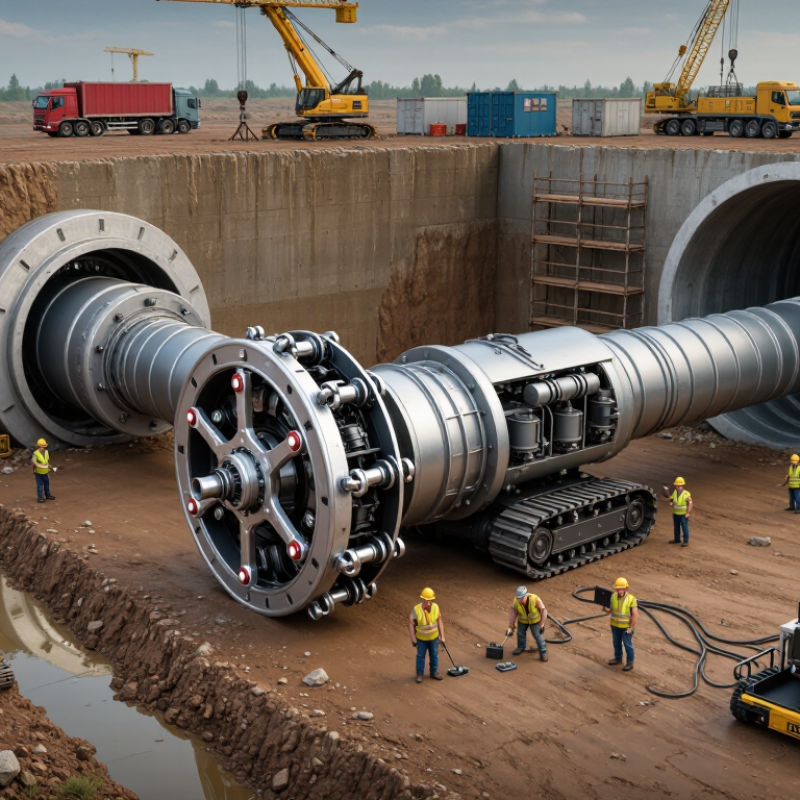
Define 10 Compressor-Powered Boring Types by Drive, Method, and Application
Top 10 Types of Compressor Boring Machines for Buyers?
Define 10 Compressor-Powered Boring Types by Drive, Method, and Application
Compressor-powered boring machines differ by drive, cutting action, and ground conditions. The air rotary drill uses continuous rotation for soft soil, clay, and shallow utility holes. A pneumatic percussive drill delivers repeated blows for fractured rock and compacted ground. The top-hammer drill strikes the rod from the surface, while the down-the-hole hammer works directly beside the bit. This design can improve energy transfer in deeper rock formations.
The air-core drill removes samples through hollow rods and suits geological investigation. An air-powered auger boring unit rotates flights through loose soil, although mixed ground can slow it sharply. A pneumatic soil-piercing mole creates small underground passages with limited surface disturbance. The pipe-ramming system drives steel casing through unstable soil and supports utility installation. A pneumatic casing drill combines rotation and impact when temporary casing must remain stable. The air-powered coring drill cuts clean rock cylinders for inspection and engineering tests.
Application changes the best choice. Soft clay needs controlled torque, while hard granite demands impact energy and durable bits. Moisture, dust, access width, and required hole accuracy also affect selection. Air consumption matters; an undersized compressor causes weak blows and overheated tools. Noise and vibration deserve practical attention near occupied buildings. The categories overlap, which makes many buying guides too neat. Field trials still reveal problems that specifications miss. Examine rod wear, recovery quality, and operator control before committing.
Assess HDD, Tunnel, Hydraulic, and Pneumatic Boring Systems by Bore Range
Top 10 Types of Compressor Boring Machines for Buyers?
When comparing boring systems, bore range should guide the purchase. Horizontal directional drilling suits utility crossings, service conduits, and medium-sized installations. It can follow a curved path beneath roads or rivers. Its practical range depends on ground strength, fluid control, and rig thrust.
Tunnel boring machines handle much larger diameters and longer drives. They require extensive setup, detailed surveys, and stronger site logistics. Hydraulic boring systems offer controlled pushing for shorter, straighter installations, especially when casing accuracy matters. They often perform well in compact ground, but setup space can limit use. Pneumatic boring systems are compact and useful for small-diameter, short-distance crossings. Their impact action may struggle in boulders, unstable soil, or sensitive areas.
Small bores need different judgment.
Tips: Match the machine to diameter, distance, soil, access, and required accuracy. Ask for verified torque, thrust, compressor capacity, and maximum bore data. Review maintenance records and operator training, not only catalog figures. A machine rated for 100 meters may achieve less in wet clay or mixed ground. Soil testing is worth the delay. I have seen projects overvalue maximum diameter while ignoring launch-pit space. That mistake becomes expensive quickly. Also, “pneumatic” does not always mean faster; ground resistance can reverse that assumption. Compare installed cost, spoil handling, noise limits, and recovery options before choosing.
Size Compressors Using ISO 1217 Airflow Ratings and 7–35 Bar Working Pressure
Choosing among the top 10 types of compressor boring machines begins with airflow, not motor size. ISO 1217 ratings help buyers compare free air delivery under defined inlet and discharge conditions. A machine may show impressive displacement, yet deliver less usable air at the tool. That difference matters.
Match the compressor to the boring machine’s real demand at 7–35 bar working pressure. Rotary screw units often suit continuous boring because they provide steady airflow. Reciprocating compressors can work well for intermittent drilling and smaller sites. Oil-free designs may be preferred where air contamination risks affect sensitive ground or tunnel work. Check the required cubic metres per minute at the actual pressure, not at a lower test point. Pressure losses through hoses, filters, and couplings can quietly reduce cutting performance. I have seen buyers select by peak pressure alone. It looked reasonable, but the machine stalled during dense material.
Tips: Request an ISO 1217 airflow certificate and compare FAD values at your operating pressure. Add a practical reserve, usually 10–20%, for leakage, altitude, and worn tooling. Confirm receiver capacity, cooling performance, noise limits, and service access before ordering. A 35-bar model is not automatically better. It may consume more power than a 7-bar application needs. Recheck the calculation with the operator’s duty cycle. Real sites rarely behave like brochures.
Verify Air Quality Under ISO 8573-1 and Select by Energy, Depth, and Rock Type
Top 10 Types of Compressor Boring Machines for Buyers?
When comparing compressor-powered boring machines, classify the drilling method before comparing prices. Top-hammer crawlers suit shallow, hard-rock holes. Down-the-hole rigs deliver straighter drilling at greater depths. Rotary rigs handle softer formations efficiently. Reverse-circulation machines support faster sampling. Diamond core rigs produce detailed geological cores. Auger rigs work well in soil and loose material. Casing-advancement systems stabilize unstable ground. Geotechnical rigs offer controlled, smaller-diameter drilling. Underground face drills fit restricted spaces. Water-well rigs combine depth, flushing, and durable air systems.
Air quality deserves equal attention. ISO 8573-1 evaluates particles, water, and oil separately. Do not accept a general “clean air” statement. Request test results for each class and confirm the testing method. Inspect filters, dryers, drains, hoses, and the air receiver. Sample air near the drill, not only at the compressor outlet. Tiny oil traces can damage valves, contaminate samples, or weaken drilling performance. Clean air matters.
Select capacity by actual depth, hole diameter, and rock type. Hard, abrasive rock usually demands higher pressure and stable airflow. Soft formations may need more flushing volume than pressure. Compare specific energy use, measured in compressor power against delivered airflow. A lower purchase price can hide higher fuel or electricity costs. Field conditions change. A rig rated for 200 meters may perform poorly in broken rock. That detail is easy to miss. Allow a realistic reserve, but avoid oversized compressors that waste energy. A careful buyer should record pressure, airflow, penetration rate, and air quality during a trial, then question any result that looks too perfect.
Top 10 Types of Compressor-Powered Boring Machines
Compare representative compressed-air demand and typical working depth before selecting equipment. Actual values vary with bit diameter, formation, drilling method, altitude, and operating conditions.
Selection guidance: DTH and geothermal rigs generally require higher airflow and pressure for hard rock and deeper holes, while jackleg, stoper, and top-hammer machines suit shorter holes and underground production work. Compressor sizing should account for peak airflow, pressure losses, altitude, and duty cycle rather than average demand alone.
Air quality: Verify the required compressed-air quality under ISO 8573-1 for particles, water, and oil. Drying, filtration, and oil separation requirements depend on the drilling method, ambient conditions, and whether air comes into contact with the borehole or finished product.





