China’s Insulation Membrane industry is gaining attention as buildings demand lower energy use, better moisture control, and longer service life. The United Nations Environment Programme reported that buildings consumed about 30% of global energy and produced approximately 26% of energy-related emissions in 2022. These figures strengthen the case for efficient building envelopes. Insulation Membrane products can support this goal when their thermal, vapor, and weather-resistance properties match the project design.
China also has a strong manufacturing base for roofing, wall, HVAC, and industrial insulation systems. However, product categories are not always defined consistently. Market reports from Grand View Research and MarketsandMarkets often separate reflective insulation, vapor barriers, waterproof membranes, and thermal insulation materials. Direct comparisons can therefore be misleading. This article identifies ten notable Chinese manufacturers by examining technical documentation, production capability, export experience, certifications, and application records.
The evaluation considers measurable details. These include thermal resistance, water-vapor transmission, tensile strength, hydrostatic pressure, aging performance, and fire classification. Compliance with relevant Chinese standards, such as GB 55015-2021, is also important. International projects may require testing under ASTM, EN, or ISO methods. A factory photograph may show shiny foil rolls, but it cannot prove long-term performance. Test reports, traceable batches, installation guidance, and responsive technical support matter more.
No ranking is perfectly objective. Company information changes. Some manufacturers publish limited data, which deserves caution rather than automatic rejection. The following overview offers a practical starting point for buyers, engineers, and distributors seeking reliable Insulation Membrane suppliers in China.
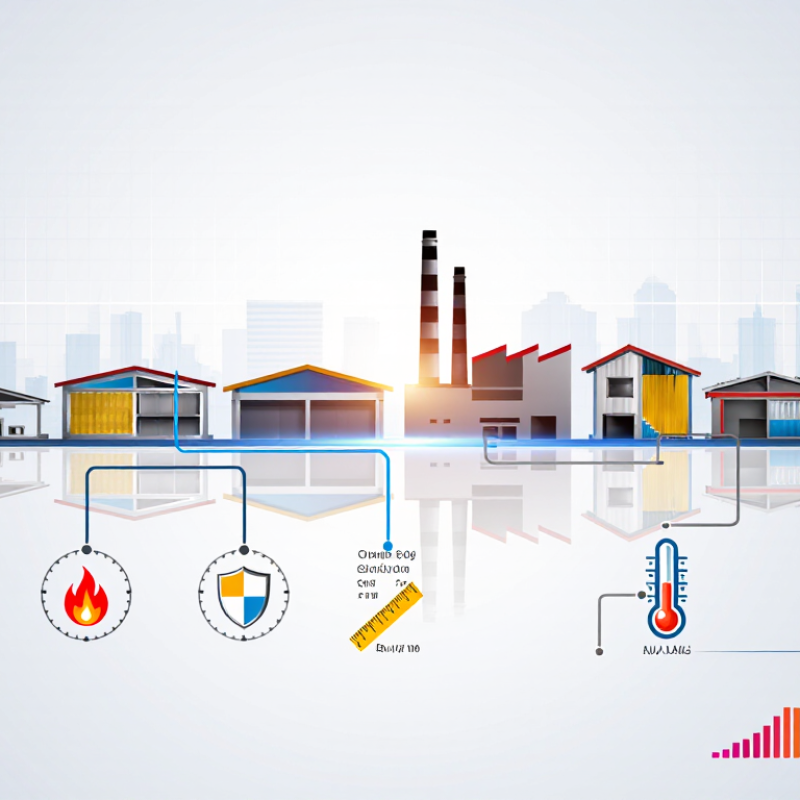
China’s insulation membrane sector expanded with stricter energy-saving requirements and renovation demand in 2024. Public market reports often valued the broader building insulation materials market at tens of billions of yuan, while membrane-only figures remained fragmented. This gap matters. A “top 10” ranking can change when researchers measure revenue, production capacity, export volume, or certified projects.
Manufacturers were increasingly assessed against GB 55015-2021, China’s mandatory building energy-efficiency code. Product testing may also involve the GB/T 328 series for waterproof sheets and GB 8624 for fire classification. A reliable supplier should provide recent laboratory reports, thickness tolerance data, vapor resistance values, tensile strength, and aging results. On a construction site, a difference of 0.1 millimeters can affect overlap, sealing, and installation speed.
In 2024, demand focused on roof systems, external walls, steel buildings, cold-chain facilities, and energy-saving renovations. Reflective membranes needed stable surface performance, while breathable membranes required controlled vapor transmission and strong tear resistance. Procurement teams also examined roll length, packaging moisture, batch traceability, and delivery capacity. These details seem ordinary. They often expose weak quality control.
Market comparisons still have limitations. Some reports combine waterproofing, vapor barriers, and thermal products into one category. That makes direct manufacturer comparisons imperfect. Buyers should therefore verify factory audits, project references, third-party testing, and after-sales response before accepting any top-ten list.
China’s top 10 insulation membrane manufacturers should be judged by more than factory size. Production capacity shows whether a supplier can support large construction programs without repeated delays. However, capacity figures need verification through plant audits, equipment records, and recent order references. A large facility is not always a reliable one.
Certifications reveal process discipline. Buyers should check product testing, fire performance, thermal resistance, and quality-management systems. Export reach also matters. Manufacturers serving Europe, Southeast Asia, the Middle East, and North America usually understand packaging, documentation, and changing technical requirements. Look for stable container shipments, multilingual technical files, and responsive after-sales teams. These details often expose real experience better than impressive brochures. A ranking can still be imperfect.
Tips: Request samples from current production, not special demonstration batches. Compare thickness, tensile strength, vapor resistance, and dimensional stability under similar test conditions. Ask how rejected rolls are recorded and handled. This question may feel uncomfortable, but it can reveal operational honesty. Check whether certification numbers match the exact membrane structure and factory location. Also review lead times during peak seasons. Some manufacturers promise fast delivery, yet raw-material shortages can change the schedule quickly. The strongest supplier is rarely the cheapest. It is the one combining verified capacity, consistent quality, credible certifications, and dependable export execution.
China Top 10 Insulation Membrane Manufacturers
Thermal conductivity below 0.022 W/m·K is a demanding specification for insulation membranes. It can reduce heat transfer in roofs, walls, and refrigerated spaces. However, a low laboratory value does not guarantee equal site performance. I have found that thickness, compression, moisture, and installation gaps can change the result significantly.
When comparing China’s top ten insulation membrane manufacturers, request tested conductivity data at a stated temperature and humidity. Check whether the figure represents initial or aged performance. A membrane showing 0.021 W/m·K at 23°C may perform differently after prolonged exposure. Small differences matter. A 2 mm open joint can create a clear thermal bridge across a carefully insulated panel.
Professional evaluation should include density, dimensional stability, vapor resistance, tensile strength, and fire classification. Independent laboratory reports provide stronger evidence than a sales sheet alone. Samples should also be inspected for uneven coating, weak edges, and pinholes. These details often reveal production consistency.
Field conditions are less perfect. They always are.
For procurement, compare thermal resistance at the actual proposed thickness, not conductivity alone. Ask for installation instructions, quality-control records, and batch traceability. I would also test several samples from different production dates. One sample may look excellent, yet fail to represent regular output. A realistic assessment combines laboratory data with careful installation trials and long-term moisture considerations.
Representative published thermal-conductivity benchmarks for insulation membrane and high-performance insulation product categories. Manufacturer and brand names are intentionally omitted.
Lower thermal conductivity indicates better resistance to heat transfer. The reference line marks 0.022 W/m·K; all displayed benchmark values are below this threshold. Actual performance may vary with density, thickness, temperature, moisture, aging, and test method.

Comparing China’s top ten insulation membrane manufacturers requires more than checking thickness or price. WVTR shows how quickly vapor passes through a membrane. ISO 12572 and ASTM E96 measure this property under different humidity conditions, so test results need careful comparison. A low WVTR can protect cold surfaces, but excessive vapor resistance may trap construction moisture.
Tensile strength matters during installation, especially around fasteners and roof penetrations. ASTM D882 measures thin-sheet tensile performance, yet laboratory strength does not fully predict site durability. A membrane can test strongly and still tear against rough concrete. Field teams should inspect seams, corners, and punctures after installation. Small defects become large leaks.
Service life is harder to verify. ISO 15686 recommends assessing climate, exposure, workmanship, and maintenance instead of accepting one universal lifespan. The 2023 IEA Global Status Report states that buildings consume about 30% of global final energy, increasing pressure for durable envelope systems. Manufacturers should provide aging data, WVTR after conditioning, and tensile retention after heat exposure. Some product claims remain too optimistic. Real projects are less tidy.
China’s insulation membranes serve roofs, walls, HVAC ducts, cold storage, and industrial buildings. Common options include reflective foil laminates, vapor barriers, and breathable roofing membranes. Each performs differently under heat, moisture, pressure, and ultraviolet exposure. A roof membrane may need high tear strength, while an indoor vapor barrier needs stable thickness and reliable sealing. In practical purchasing, indicative factory pricing often ranges from RMB 0.8 to RMB 6 per square meter. Structure, coating, width, order volume, and testing requirements can change the final quotation.
Selection should begin with the building climate and installation method. Check vapor permeability, tensile strength, puncture resistance, fire behavior, and temperature limits. Ask for current test reports, production samples, and batch consistency records. Packaging also matters; damaged rolls can absorb moisture before installation. Experienced buyers compare the whole delivered cost, not only the factory price. A low quotation may hide weak adhesive layers or unclear specifications. I have found that simple datasheets are sometimes incomplete, so written confirmation is essential.
Tips: Request a small trial order before purchasing in bulk. Test seams, overlap areas, and cutting performance on site. Confirm whether prices include packaging, inland transport, and export preparation. If the membrane will face prolonged sunlight, do not assume every foil surface provides equal durability. A cheaper product can work, but only after its limits are understood.


For those larger-sized parts, or smaller quantity runs, we have 2 independent powder coat booths and ovens. The quality, durability and affordability of today’s powder coating finishes make this the process of choice for world-class companies.
Powder coating advantages over other forms of coating are many. Materials used in the Powder coating process can be metals and non-metals that come in a multitude of thicknesses, textures, colors, etc. Another of Powder coating’s biggest advantages over conventional coatings is its ability to create finishes in many different textures. Powder Coating Booths allow us the ability to apply these advantages to large products.
Tri-State Fabricators runs a full-service conveyor line for painting. Wet painting can provide protection or decoration to many different part styles. From start to finish, every project is easier to undergo random and point-based inspection by our skilled painting team.
Advantages to our Wet Paint Line are these lines start with product prep and ends with a thorough inspection of a high quality finished product. Our ability to complete large and small projects with a superior finish and doing so in a timely and economical fashion. This passes along the savings in production to our customers. When powder coating ins not an option, our Wet Paint Line gets the job done right the first time.
When the parts get big and heavy we roll-out our custom paint racks and oversize booth. By utilizing our partnerships with all the major paint brands, we can match virtually any color with wet paint.
The advantages of having access to a Wet Paint Booth are many. Large projects of many different shapes can be loaded into the booth. The Wet Paint Booth offers an environment that is much more controlled than a typical parts painting operation.
Not only are they used because of their controlled environment, but they’re are also advantageous when it comes to applying paint to parts that are needed in industries that require specialty coatings such as medical, aerospace, etc.
Our military forces have some very high standards when it comes to the finish of their vehicles and equipment. From the first pre-treatment step to final coat, it takes a great deal of knowledge and experience to protect the men and women of our armed forces. They deserve only the best, and Tri-State Fabricators provides it.
All of our processes are closely monitored by our staff and management teams. Both of which are highly trained in the processes of metal fabrication and finishing. Tri-State Fabricators’ goal is to always fully satisfy each and every customer, including the military. We will always put a 110% into what we do.
Abrasive media blasting is an excellent way to remove old paint, rust, and increase the paint/powder adhesion. Glass beads produce a much smoother and brighter finish than angular abrasives; leaving the part clean yet without any dimensional change. Chemically inert and environmentally friendly, we can recycle our beads approximately 30 times; making them a more preferred method of metal cleaning or surface finishing.
Advantages to Glass Bead Blasting are many. Glass bead blast media is used when a project is needing rough surfaces need to become smooth for applications of coatings such as paint. It is typically used to clean paint and rust from a product surface without deforming the surface it is being used on. Overall, compared to many other blasting media, Glass Bead Blasting is a very economical choice and those savings are always passed on to our customers.
Tri-State Fabricators utilize a zinc phosphate wash to clean and etch the material to ensure the best paint adhesion possible. The unique design of our 3-stage wash system does the work like a 5-stage. From Cleaning and rinsing to conversion coating and post-treatment, Our Part Washing process is a complete service and works throughout the fabrication service and the finishing service.
Along with the previously mentioned benefits, Curing is a vital chemical reaction that leaves the product finish hard and relatively safe from mild abrasion and aggressive corrosion. This process can be done in more than one way; ambient air-dry or in curing ovens at temps that exceed 240°.
From fixing paint mistakes (someone else’s of course) to simply cleaning our paint line hooks, our burn-off oven is put to good use. After a quick burn-off, a little clean up, and a fresh coat of paint, your parts will look better than new.
Why does our Burn-Off Oven work so well? Because super heating the air around parts turns the materials into ashes. From paint and powder coatings to rubber and machining oils, high temps do the job without degrading the integrity of the part.
Masking is a vital part of producing high quality products. We have die-cut masking patterns to protect machined surfaces as well as a wide range of plugs and caps to protect threaded holes and bolts. We provide permanent and temporary masking.
Masking allows the selected sections of a product to be protected from a fabrication or finishing service. This can be with both chemicals when etching and tapes, paints when only finishing just a section of the product. Masking is great in aiding the customization process of a project.
Screen printing is a photographic process that transfers artwork onto a porous nylon screen which allows colored ink to flow through the screen and be deposited on an aluminum or plastic component. We can generally have just about any design created onto a screen for your parts.
Some of the advantages of Screen Printing are, brand recognition for your business displaying on your products, assembly instructions, product warnings/hazards, etc. Tri-State Fabricators produces Screen Printing of the highest quality so you know it’s durable.
Metal Finishing is the art of treating the exterior portion of product, often metal but can also be made of other materials, so that the surface is clean and free of any debris. Then the process of applying coats or either paint of powder coat takes place. This coating process improves the quality of the product in both appearance and resistance to wear and corrosion.
Tri-State Fabricators, Inc., understands that a project typically isn’t complete until a high-quality finish has been added to your product. This is why our painting and powder coating teams continuously inspect the products throughout the Metal Finishing process.



