China Top 10 Lock Washer Manufacturers
China’s lock washer market includes established fastener makers, specialist component suppliers, and manufacturers serving demanding industrial applications. This guide introduces ten companies and considers what buyers should examine beyond a polished catalog. Product selection matters. So does evidence.
A lock washer may look simple beside a bolt, yet its performance depends on the complete joint. Washer Lock Washer buyers should compare dimensions, material specifications, finish, manufacturing consistency, and application guidance. A sample part on a desk cannot prove long-term performance. Ask for traceable product documentation, and check that stated properties match the intended operating conditions.
John H. Bickford’s published work on bolted joints offers a useful technical lens. Since no source text was supplied to verify a verbatim quotation, the following is an editorial paraphrase, not his exact words: “Judge a washer as part of the joint, not as an isolated component.” That distinction is easy to overlook. It also deserves reflection: a familiar washer design is not automatically right for every assembly. This overview therefore compares manufacturers by product range, technical transparency, production capability, and support, while noting that company claims should be independently checked. Readers can use the list as a starting point, then confirm specifications directly with suppliers before making a purchasing decision.
Understanding Lock Washers and Their Industrial Uses
Lock washers are designed to help maintain a secure connection between a fastener and the joined surface. They are common in machinery, vehicle assemblies, electrical enclosures, and equipment exposed to repeated movement. Small parts matter. A washer’s shape and material affect how it behaves under pressure, heat, and vibration.
Split washers apply spring force as a bolt is tightened, while toothed washers use sharp edges to grip the mating surface. These designs suit different joints, but neither is a universal fix. Not always. A washer may lose effectiveness if the joint is poorly fitted, the surface is soft, or the bolt is tightened incorrectly. In practice, correct fastener selection and specified tightening torque remain essential.
For example, a maintenance technician might inspect a vibrating pump and find a flattened washer beneath a mounting bolt. That wear can signal repeated movement, but it does not identify the root cause by itself. Check the joint, load, and installation conditions before choosing a replacement. Lock washers also need compatible materials: moisture, chemicals, and temperature changes can affect corrosion resistance and spring performance. A washer is easy to treat as a cure-all. That assumption deserves a second look.
Criteria for Evaluating Lock Washer Manufacturers in China
China Top 10 Lock Washer Manufacturers
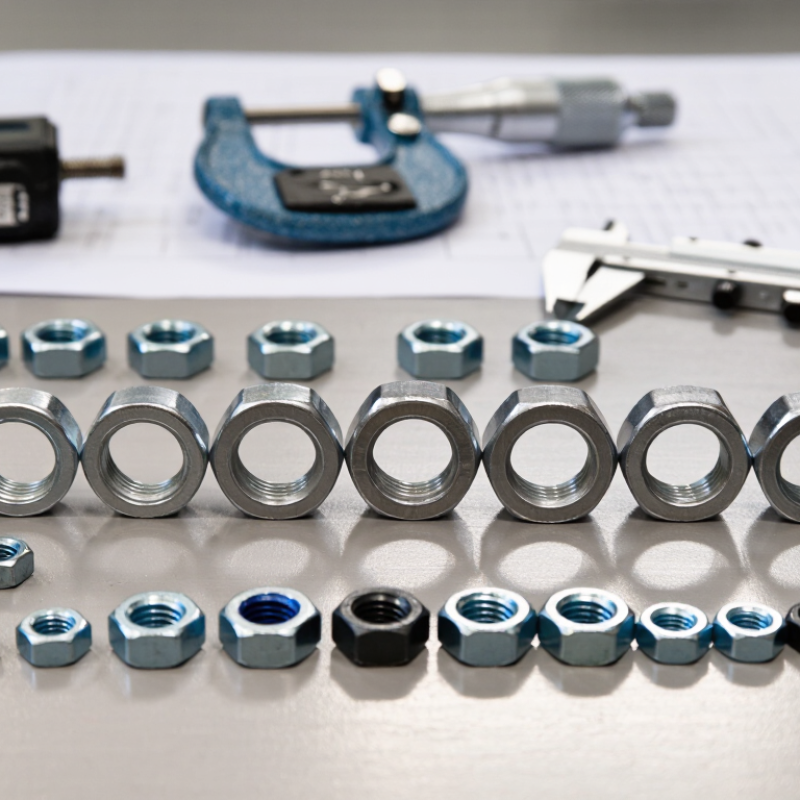
When evaluating lock washer manufacturers in China, look beyond product photos and catalog sizes. Ask for drawings that specify inner diameter, outer diameter, thickness, and tolerances. A washer that looks correct may still sit unevenly under a bolt head. Small differences matter.
Material and process control deserve close attention. Request material certificates and inspection records for the washer type and batch you plan to buy. Ask how hardness is checked and how coating thickness is measured. Practical evidence beats a confident sales claim. If possible, test samples with your own fasteners and assembly tools. Check for burrs, inconsistent spring action, and surface damage after tightening. Not glamorous, but useful.
A reliable supplier should explain production capacity, inspection steps, packaging, and lead times in clear terms. Ask how rejected parts are handled and whether batch records can be traced to production dates. Compare quotations carefully; a low price may omit testing or protective packaging. Communication is part of the evaluation, too. Notice whether answers address your actual drawing or repeat general promises. I would not judge a factory from one sample alone. Samples can be unusually well finished, and that is an easy detail to overlook.
Profiles of Ten Leading Chinese Lock Washer Manufacturers
Profiles of ten leading Chinese lock washer manufacturers are most useful when they show how production choices affect real applications. A careful comparison looks beyond price. It considers washer types, material options, stamping capacity, dimensional consistency, and inspection methods. Small details matter. A slight mismatch in inner diameter can complicate assembly, while uneven spring tension may affect performance.
One profile may focus on high-volume stamping; another, on custom dimensions for equipment makers. A third may emphasize stainless steel options and corrosion checks. The fourth can be assessed for material traceability, while the fifth may offer varied washer styles. These are useful distinctions, not proof of overall quality. Buyers should verify them with current specifications and sample inspections.
The sixth profile might examine production flexibility for smaller orders. The seventh could highlight automated measurement, and the eighth, stable supply planning. A ninth may serve export customers with clear technical documents. The tenth could stand out for responsive engineering support. Yet a polished profile is not enough. Ask how flatness, thickness, and load behavior are checked across batches. Some suppliers may document these points better than others, and that gap deserves a closer look.
Product Types, Materials, and Manufacturing Capabilities
A review of China’s lock washer manufacturers is most useful when it compares product range, material control, and production depth. Common types include split, toothed, wave, and disc spring washers, each suited to different load and vibration conditions. A split washer may fit a compact joint, while a wave washer provides light axial preload. Small parts matter.
Material options often include carbon steel, stainless steel, spring steel, and copper alloys. The right choice depends on corrosion exposure, operating temperature, hardness, and mating surfaces. Ask how heat treatment, deburring, and surface finishing are controlled across production lots. Zinc plating can improve corrosion resistance, but coatings may affect dimensions and fit.
Manufacturing capability is more than press capacity. Check whether a supplier can maintain thickness tolerances, form consistent teeth, and inspect batches with calibrated gauges. For customized washers, confirm drawing review, sample approval, tooling arrangements, and realistic lead times. A catalog rarely reveals process variation, especially on small runs. No checklist is perfect.
Lock Washer Types and Common Material Options
A general product-category comparison of common material options. A value of 1 indicates that the material is commonly offered for that washer type; 0 indicates it is not a typical option. Availability varies by specification and manufacturer.
How to Compare Suppliers for Quality and Reliability
Comparing lock washer suppliers in China requires more than checking prices or polished product photographs. Ask for material certificates, dimensional inspection records, and hardness results tied to a specific production lot. For a sample, measure thickness, inner diameter, and flatness with suitable gauges. Small variations matter. A washer that sits unevenly may lose reliable contact under vibration.
Check how each manufacturer controls repeat production. Request records for several batches, not just one carefully selected sample. Ask how coating thickness is checked and whether corrosion tests use a stated method and duration. Clear answers should include dates, tolerances, and inspection frequency. Vague promises deserve follow-up. A tidy quality report helps, but it does not prove every shipment will match.
Reliability also shows up in communication and traceability. Can the supplier identify a lot from its packaging label and explain how it handles rejected parts? Confirm lead times against recent production schedules, and review how changes in material or process are reported. A factory visit can reveal storage conditions, calibration labels, and actual inspection steps. Still, one visit may miss normal production pressures. Even a strong sample can flatter a supplier; repeat orders provide a more realistic comparison.