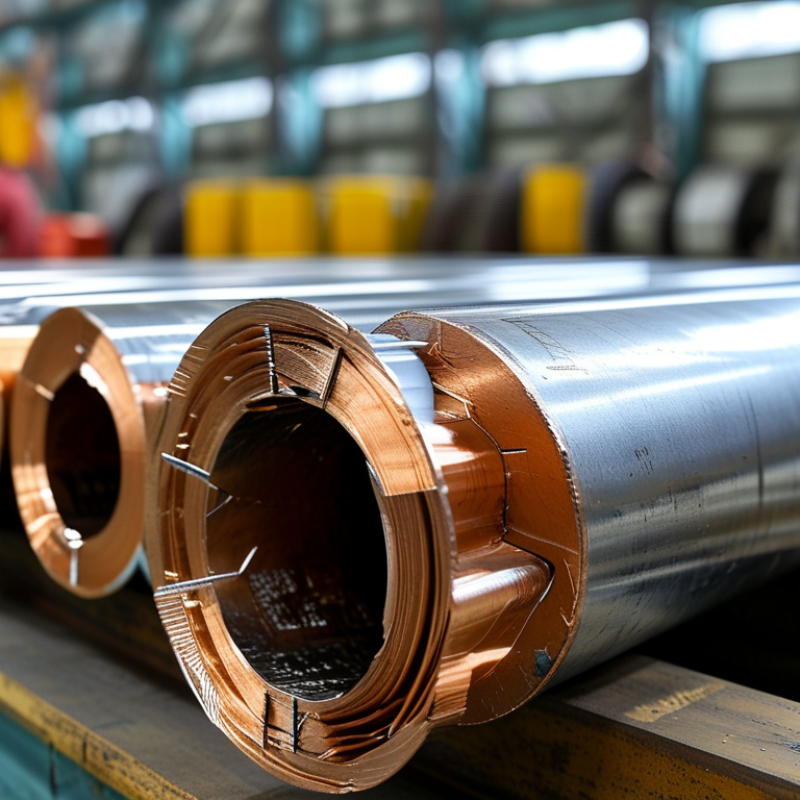
China’s ground bus bar industry has become an important sourcing option for electrical contractors, panel builders, and global equipment manufacturers. This guide introduces China Top Ground Bus Bar Manufacturers for Global Buyers, focusing on practical selection rather than factory claims alone. A dependable supplier should provide clear material specifications, dimensional drawings, plating details, and traceable inspection records.
Paul Gill, author of Electrical Grounding and Bonding, states, “Good grounding depends on good connections.” That simple observation remains highly relevant. A copper Ground Bus Bar may look excellent under bright factory lighting, yet poor drilling accuracy or uneven tin plating can create installation problems. Buyers should examine copper purity, bar thickness, hole alignment, surface finish, and resistance test procedures. Small details matter.
Experienced manufacturers often support custom hole patterns, insulated mounting bases, flexible lengths, and copper or aluminum options. They may also assist with IEC, UL, or project-specific requirements. However, certification should be verified through valid documents and current test reports. A logo on a brochure is not enough.
This overview will compare manufacturing capability, quality control, export experience, customization, packaging, and communication standards. It will also consider response speed and after-sales support. These factors are easy to overlook. They can delay an entire control-panel project.
No supplier is perfect. Even experienced factories may show inconsistent packaging or unclear English drawings. Careful buyers should request samples, confirm tolerances, and review production records before placing large orders. Practical verification remains more reliable than polished promises.
Ground bus bars provide a low-impedance path for fault current and bonding conductors. They help keep exposed metal at a similar electrical potential. This reduces dangerous touch-voltage differences during insulation failures.
A practical bus bar usually uses tin-plated copper or bare copper, depending on the environment. Copper offers strong conductivity and easy drilling for cable lugs. Tin plating can slow oxidation in humid rooms. Insulators, mounting brackets, and clearances must match the installation voltage and local requirements. Hole spacing matters. A crowded bar complicates torque checks and future maintenance. Installers should label each conductor and verify continuity with calibrated test equipment. Visual inspection alone is not enough.
Ground bus bars serve switchboards, data centers, factories, renewable-energy cabinets, and commercial buildings worldwide. In coastal facilities, enclosure sealing and corrosion control deserve extra attention. High-current systems require checks for thermal rise, short-circuit withstand, and conductor size. Copying an older layout can create hidden risks. Chinese manufacturers can support global projects when drawings, material certificates, test reports, and packaging details are reviewed before shipment. Yet supplier claims need checking. A polished sample does not prove long-term performance. Installation plans sometimes overlook spare terminals, causing avoidable rework later. Leave measured space for expansion and record torque values during commissioning. Local electrical codes still govern the final design.
Selecting a Chinese ground bus bar manufacturer requires more than comparing copper prices. The buyer should verify applicable standards, test methods, and production controls. Depending on the application, references may include IEC 61439, IEC 62561-1, UL 467, or relevant national requirements. The manufacturer must explain which standard applies and provide current test reports, not generic certificates.
Material control deserves close attention. Ask for copper grade records, conductivity results, plating thickness, and batch traceability. A reliable factory can link one finished bar to its raw material certificate and inspection report. Check hole positions, edge finishing, insulation spacing, and torque performance on physical samples. Small burrs can damage cables during installation. Packaging also matters; moisture-resistant wrapping and separators help prevent scratches and oxidation during long transport.
Factory evaluation should include calibration records, incoming inspection procedures, and corrective-action reports. An ISO 9001 certificate is useful, but it does not prove consistent bus bar quality. Request production photos, video inspections, and, when practical, an independent factory audit. Communication is another technical measure. Engineers should answer questions about short-circuit withstand, temperature rise, enclosure mounting, and customization limits clearly.
Do not trust perfect paperwork alone. A polished report can still hide weak sampling. I would order a pilot batch and repeat key measurements before approval. Even careful audits miss problems, especially when specifications remain vague. Clear drawings, agreed tolerances, and retained samples reduce that risk.
China’s leading ground bus bar manufacturers support data centers, factories, rail systems, and renewable energy projects. The IEA Electricity 2024 report expects global electricity demand to grow by about 4% annually through 2026. This expansion increases demand for dependable grounding and distribution components.
Experienced Chinese factories commonly process copper and aluminum bus bars. Their capabilities may include CNC cutting, precision bending, drilling, tin plating, insulation, and epoxy coating. Some facilities use automated inspection systems and maintain batch-level material records. Buyers should request conductivity results, dimensional reports, coating thickness data, and evidence of testing under IEC 61439 requirements. Manufacturing quality can vary between suppliers. That deserves careful review.
Tips:
Confirm copper purity, plating thickness, and allowable current before ordering. Ask for samples with the same surface treatment as the production batch. Review factory audit records, test methods, and traceability procedures. A low quotation may hide weaker tolerances or limited testing. It is not always the best value. Specify hole spacing, mounting dimensions, fault-current requirements, and installation conditions in the technical drawing. Manufacturers with in-house tooling can usually adjust these details faster. Independent laboratory verification remains useful for critical projects.
China top ground bus bar manufacturers serve global buyers through controlled materials, documented testing, and flexible engineering support. Quality begins with copper verification, not attractive packaging. Factories should check alloy composition, conductivity, bar thickness, hole positions, and surface finish before assembly.
A reliable quality system follows ISO 9001 procedures and records each production batch. Depending on the destination market, applicable requirements may include UL 467 or relevant IEC standards. Buyers should verify certificate scope, issuing body, product model, and expiration date. A certificate alone proves little. Traceable inspection reports matter more. Samples should undergo dimensional checks, coating-thickness tests, torque checks, and visual inspection for burrs or cracks. Salt-spray testing may also help when the bus bar faces humid or corrosive conditions.
Customization can include bar length, hole spacing, mounting slots, insulation sleeves, plating, labeling, and connection hardware. Clear drawings prevent costly misunderstandings. Even a two-millimeter error can delay cabinet assembly. Manufacturers should confirm tolerances, copper grade, packaging strength, and destination requirements before mass production. A pre-production sample is wise, although it may slow the schedule slightly. No checklist is perfect. Experienced buyers still review test data, factory communication, corrective-action records, and shipment consistency. That practical evidence often separates dependable ground bus bar manufacturers from suppliers that only present polished catalogs.
| Evaluation Dimension | Buyer Requirement | Common Industry Specification or Option | Quality-Control Evidence to Request | Customization Considerations |
|---|---|---|---|---|
| Base Material | High electrical conductivity, reliable mechanical strength, and stable corrosion performance. | Electrolytic copper is commonly selected; copper grades such as C11000, Cu-ETP, or equivalent grades may be specified according to the applicable material standard. | Material certificate showing grade, chemical composition, and mechanical properties; supplier traceability from raw material to finished product. | Material grade, copper purity, tin plating, nickel plating, or alternative conductive materials can be defined in the purchase specification. |
| Typical Dimensions | Dimensions must match the cabinet, switchgear, power distribution system, or grounding network. | Common flat-bar sizes include approximately 15–100 mm in width and 3–12 mm in thickness; final dimensions depend on current, installation space, and mechanical design. | Approved engineering drawing, dimensional inspection report, and calibrated measuring-equipment records. | Width, thickness, length, hole pitch, hole diameter, edge radius, slots, bends, and mounting points can normally be customized. |
| Electrical Performance | Low resistance and sufficient current-carrying capacity for the intended grounding or bonding application. | Electrical resistance should be controlled according to the material, cross-sectional area, joint design, and applicable project specification; current ratings must be calculated rather than assumed. | Resistance or conductivity test results, cross-sectional measurement, and technical calculation based on the actual installation conditions. | Cross-sectional area, surface finish, joint configuration, and plating thickness may be adjusted for the required electrical performance. |
| Hole and Slot Accuracy | Accurate hole positions are essential for proper alignment and low-resistance bolted connections. | Hole patterns are normally produced from customer-approved drawings using punching, drilling, laser cutting, or CNC machining. | First-article inspection report, coordinate measurement data, hole-diameter records, and fit-check samples. | Round holes, slotted holes, countersunk holes, multiple hole rows, and non-standard pitch layouts may be specified. |
| Surface Treatment | Protection against oxidation and improved contact reliability in the intended environment. | Options may include bare copper, tin-plated copper, nickel-plated copper, or other approved finishes. Plating thickness should be agreed in advance. | Plating-thickness report, visual inspection, adhesion testing where applicable, and coating-process records. | Finish type, plating thickness, masked areas, contact zones, color identification, and protective packaging can be customized. |
| Bending and Forming | Formed parts must maintain dimensional accuracy without cracks, excessive deformation, or unacceptable thinning. | Typical processes include CNC bending, press forming, and controlled forming of copper flat bars; minimum bend radius depends on alloy, thickness, and grain condition. | Forming inspection, bend-radius verification, crack inspection, and comparison with the approved 2D or 3D drawing. | Single-bend, multi-bend, step-shaped, offset, and three-dimensional configurations may be developed for restricted installation spaces. |
| Welding and Joining | Joints must provide reliable electrical continuity and adequate mechanical strength. | Depending on the design, manufacturers may use brazing, welding, bolted joints, or integrated connectors; the joining method should be selected for the operating environment. | Welding or brazing procedure, operator qualification where relevant, joint-resistance test, visual inspection, and sample destructive testing when required. | Joint type, connector position, bolt size, terminal arrangement, and inspection criteria can be defined by the buyer. |
| Applicable Standards | Products should be evaluated against standards relevant to the final application and destination market. | Potential references include IEC 61439 for low-voltage switchgear and controlgear assemblies, IEC 62561-1 for lightning protection system components, ASTM B187 for copper bus bar and rod products, and EN 13601 for copper products used in electrical applications. | Declaration of conformity, test reports from competent laboratories, standard edition used, and a clear statement of product scope. | Standard selection can be aligned with the project country, electrical system, enclosure type, and end-use application. |
| Environmental Compliance | Materials and finishes should comply with import, environmental, and restricted-substance requirements. | RoHS and REACH documentation may be requested for products supplied to markets where these requirements apply. Packaging may also need to meet local regulations. | RoHS test report, REACH statement, material declaration, and restricted-substance control records. | Lead-free plating, recyclable packaging, low-halogen packaging materials, and destination-specific documentation can be requested. |
| Quality Management | Consistent production, documented inspection, and corrective-action procedures are important for repeat orders. | ISO 9001 certification is a commonly requested quality-management credential, but certification scope and validity should be checked. | Valid certificate, certification scope, certificate issuer, internal inspection plan, process-control records, and corrective-action reports. | Inspection plans, sampling levels, acceptance criteria, and customer-specific quality clauses can be included in the purchase agreement. |
| Routine Inspection | Every production batch should be checked before shipment. | Typical checks include material identification, dimensions, hole position, surface condition, plating appearance, continuity, and packaging condition. | Batch inspection report with lot number, sample size, measured values, acceptance criteria, inspector identification, and release status. | Additional tests such as salt-spray exposure, thermal cycling, contact-resistance testing, or customer witness inspection may be arranged. |
| Prototype and Sampling | Samples should confirm design fit, installation clearance, electrical connection, and surface finish before mass production. | A first-article sample is normally produced after drawing approval; sample quantity depends on design complexity and project risk. | Sample approval record, dimensional report, photographs, fit-check feedback, and signed drawing revision. | Prototype tooling, small-batch production, rapid drawing revisions, and pre-production samples can be negotiated. |
| Packaging and Export Readiness | Packaging must prevent bending, abrasion, moisture damage, and mixed-part identification during international transport. | Common measures include individual separators, corrosion-protection materials, reinforced cartons or crates, moisture protection, and part labeling. | Packaging specification, loading photographs, carton or crate dimensions, gross and net weight records, and shipping-mark approval. | Barcodes, multilingual labels, pallet configuration, private-label-free packaging, and destination-specific export documents may be requested. |
| Lead Time and Order Planning | Delivery schedules should reflect material availability, tooling, surface treatment, inspection, and international logistics. | Standard parts generally require less preparation than engineered-to-order parts; lead time should be confirmed after drawing and quantity review. | Production schedule, milestone plan, order confirmation, and documented notification process for delays or specification changes. | Blanket orders, scheduled releases, safety-stock arrangements, and agreed minimum order quantities may be used for recurring demand. |
| Technical Documentation | Complete documentation supports installation, customs clearance, audits, and future replacement orders. | Typical documents include approved drawings, material certificates, inspection reports, conformity declarations, packing lists, and commercial invoices. | Document index, revision control, document approval record, and consistency between product labels, drawings, and shipping documents. | Document language, file format, revision numbering, inspection templates, and customer-specific certificates can be agreed before production. |

China Top Ground Bus Bar Manufacturers for Global Buyers
Selecting a ground bus bar supplier requires more than comparing unit prices. A reliable buyer starts with a clear technical drawing, including copper grade, bar dimensions, hole spacing, plating, and required fault-current capacity. Ask suppliers to confirm tolerances in writing. Small differences can complicate installation.
Request material certificates, routine test records, and samples from the proposed production line. Check whether the factory controls cutting, drilling, plating, and final inspection internally. Independent inspection can verify dimensions, surface finish, resistance, and packaging before shipment. Relevant IEC or UL requirements should match the destination market. Certificates alone are not enough.
Visit the facility remotely or in person. Review calibration records, traceability labels, corrective-action reports, and worker inspection steps. A supplier should explain how it handles scratched plating, wrong hole positions, or mixed batches. Clear answers matter. During one early sourcing project, our team focused too heavily on price and overlooked export packaging. Several bars arrived with bent edges. The specification was correct, but the process was not. That mistake changed our checklist: confirm pallet strength, moisture protection, labeling, spare quantities, lead time, and after-sales response before signing. Compare at least three qualified manufacturers, then use a pilot order to test consistency rather than trusting a polished sample.
Material conductivity is a practical first-screening factor when global buyers select and source grounding bus bars.
Reference electrical conductivity values at 20°C: copper is approximately 58.0 MS/m, aluminum approximately 35.4 MS/m, brass approximately 15.0 MS/m, and stainless steel approximately 1.4 MS/m. Buyers should also verify the supplier’s material grade, cross-sectional dimensions, plating, current rating, test certificates, and compliance with applicable IEC or local grounding requirements.


For those larger-sized parts, or smaller quantity runs, we have 2 independent powder coat booths and ovens. The quality, durability and affordability of today’s powder coating finishes make this the process of choice for world-class companies.
Powder coating advantages over other forms of coating are many. Materials used in the Powder coating process can be metals and non-metals that come in a multitude of thicknesses, textures, colors, etc. Another of Powder coating’s biggest advantages over conventional coatings is its ability to create finishes in many different textures. Powder Coating Booths allow us the ability to apply these advantages to large products.
Tri-State Fabricators runs a full-service conveyor line for painting. Wet painting can provide protection or decoration to many different part styles. From start to finish, every project is easier to undergo random and point-based inspection by our skilled painting team.
Advantages to our Wet Paint Line are these lines start with product prep and ends with a thorough inspection of a high quality finished product. Our ability to complete large and small projects with a superior finish and doing so in a timely and economical fashion. This passes along the savings in production to our customers. When powder coating ins not an option, our Wet Paint Line gets the job done right the first time.
When the parts get big and heavy we roll-out our custom paint racks and oversize booth. By utilizing our partnerships with all the major paint brands, we can match virtually any color with wet paint.
The advantages of having access to a Wet Paint Booth are many. Large projects of many different shapes can be loaded into the booth. The Wet Paint Booth offers an environment that is much more controlled than a typical parts painting operation.
Not only are they used because of their controlled environment, but they’re are also advantageous when it comes to applying paint to parts that are needed in industries that require specialty coatings such as medical, aerospace, etc.
Our military forces have some very high standards when it comes to the finish of their vehicles and equipment. From the first pre-treatment step to final coat, it takes a great deal of knowledge and experience to protect the men and women of our armed forces. They deserve only the best, and Tri-State Fabricators provides it.
All of our processes are closely monitored by our staff and management teams. Both of which are highly trained in the processes of metal fabrication and finishing. Tri-State Fabricators’ goal is to always fully satisfy each and every customer, including the military. We will always put a 110% into what we do.
Abrasive media blasting is an excellent way to remove old paint, rust, and increase the paint/powder adhesion. Glass beads produce a much smoother and brighter finish than angular abrasives; leaving the part clean yet without any dimensional change. Chemically inert and environmentally friendly, we can recycle our beads approximately 30 times; making them a more preferred method of metal cleaning or surface finishing.
Advantages to Glass Bead Blasting are many. Glass bead blast media is used when a project is needing rough surfaces need to become smooth for applications of coatings such as paint. It is typically used to clean paint and rust from a product surface without deforming the surface it is being used on. Overall, compared to many other blasting media, Glass Bead Blasting is a very economical choice and those savings are always passed on to our customers.
Tri-State Fabricators utilize a zinc phosphate wash to clean and etch the material to ensure the best paint adhesion possible. The unique design of our 3-stage wash system does the work like a 5-stage. From Cleaning and rinsing to conversion coating and post-treatment, Our Part Washing process is a complete service and works throughout the fabrication service and the finishing service.
Along with the previously mentioned benefits, Curing is a vital chemical reaction that leaves the product finish hard and relatively safe from mild abrasion and aggressive corrosion. This process can be done in more than one way; ambient air-dry or in curing ovens at temps that exceed 240°.
From fixing paint mistakes (someone else’s of course) to simply cleaning our paint line hooks, our burn-off oven is put to good use. After a quick burn-off, a little clean up, and a fresh coat of paint, your parts will look better than new.
Why does our Burn-Off Oven work so well? Because super heating the air around parts turns the materials into ashes. From paint and powder coatings to rubber and machining oils, high temps do the job without degrading the integrity of the part.
Masking is a vital part of producing high quality products. We have die-cut masking patterns to protect machined surfaces as well as a wide range of plugs and caps to protect threaded holes and bolts. We provide permanent and temporary masking.
Masking allows the selected sections of a product to be protected from a fabrication or finishing service. This can be with both chemicals when etching and tapes, paints when only finishing just a section of the product. Masking is great in aiding the customization process of a project.
Screen printing is a photographic process that transfers artwork onto a porous nylon screen which allows colored ink to flow through the screen and be deposited on an aluminum or plastic component. We can generally have just about any design created onto a screen for your parts.
Some of the advantages of Screen Printing are, brand recognition for your business displaying on your products, assembly instructions, product warnings/hazards, etc. Tri-State Fabricators produces Screen Printing of the highest quality so you know it’s durable.
Metal Finishing is the art of treating the exterior portion of product, often metal but can also be made of other materials, so that the surface is clean and free of any debris. Then the process of applying coats or either paint of powder coat takes place. This coating process improves the quality of the product in both appearance and resistance to wear and corrosion.
Tri-State Fabricators, Inc., understands that a project typically isn’t complete until a high-quality finish has been added to your product. This is why our painting and powder coating teams continuously inspect the products throughout the Metal Finishing process.