

Choosing the right Flaking Mill can influence product quality, energy use, maintenance costs, and production reliability. This matters when processing soybeans, corn, grains, or other oil-bearing materials. A well-designed machine should produce consistent flakes without creating excessive fines, heat, or unexpected downtime. Small details matter. Roll diameter, surface hardness, gap adjustment, feed control, and drive capacity all affect daily performance.
This guide, titled Top 10 Flaking Mill Manufacturers for Global Buyers, examines manufacturers through practical purchasing criteria. It considers engineering experience, manufacturing capability, technical documentation, service coverage, spare-parts access, and equipment customization. Buyers should also review throughput claims under real operating conditions, rather than relying only on impressive catalogue figures. A mill rated for 10 tonnes per hour may perform differently with varying moisture, density, or feed preparation. Plant-floor realities can be less attractive.
Safety systems, inspection procedures, warranty terms, and commissioning support also deserve close attention. A dependable supplier should explain how operators adjust roll pressure, monitor temperature, and manage routine wear. Clear answers build confidence. However, no ranking remains permanently correct. Prices, technologies, regional support, and delivery conditions can change quickly. Some smaller manufacturers may offer excellent engineering but limited overseas service. Larger brands may provide stronger support while costing more. Global buyers should compare these trade-offs against their own production goals, site conditions, and long-term maintenance plans. This overview is a useful starting point, not a substitute for technical validation, reference checks, and a carefully reviewed quotation.
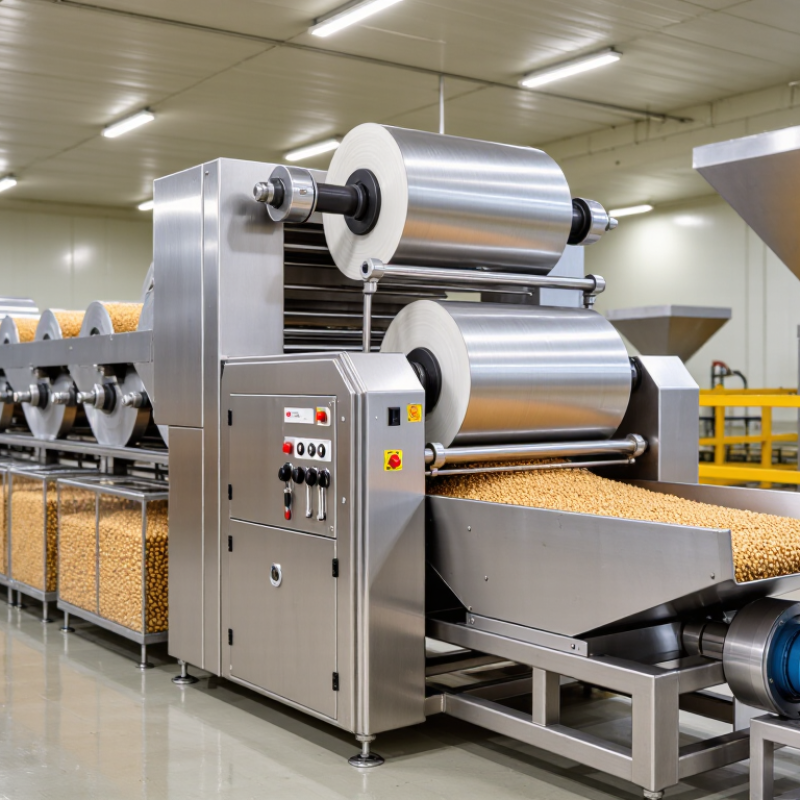
A flaking mill is industrial equipment that prepares oilseeds for efficient oil extraction. It commonly processes soybeans, sunflower seeds, rapeseed, and similar materials. The machine uses two large counter-rotating rollers. These rollers compress cleaned and conditioned seeds into thin, even flakes. Heat and controlled moisture make the seeds more flexible before rolling. This reduces breakage and exposes more cellular structure.
Small changes matter.
In practical plant operation, roller pressure, feed rate, temperature, and moisture require close monitoring. A typical flake may measure less than one millimeter, depending on the seed and process design. Excessive pressure can create powder and increase energy use. Insufficient pressure leaves thick pieces that extract poorly. Operators should inspect flake thickness regularly, not rely only on control screens. Worn roller surfaces can produce uneven results, even when settings appear correct. Cleaning also matters because dust and residue can affect feeding stability. Some buyers focus heavily on hourly capacity. That choice can be misleading. A larger mill may perform poorly with the wrong seed preparation or unstable moisture levels. Reliable evaluation should include trial materials, adjustment range, maintenance access, and measured flake quality. The process is precise, but not perfectly predictable. Crop variety and seasonal condition still influence performance.
An anonymized comparison of representative global flaking-mill manufacturer profiles, typical equipment capabilities, and buyer-relevant specifications.
| Rank | Anonymized Manufacturer Profile | Primary Manufacturing Region | Main Machine Configuration | Typical Roller Diameter | Typical Roller Width | Typical Throughput Range | Common Applications | Key Buyer Considerations |
|---|---|---|---|---|---|---|---|---|
| 1 | Profile A — Integrated Oilseed Processing Systems | Western Europe | Heavy-duty twin-roll flaking mill with hydraulic roll adjustment | 600–1,200 mm | 800–2,000 mm | 5–40 t/h | Soybeans, rapeseed, sunflower seed, corn | Consistent flake thickness, automatic gap control, high uptime |
| 2 | Profile B — Modular Grain Processing Equipment | North America | Compact dual-roll mill for oilseed and cereal preparation | 500–1,000 mm | 600–1,600 mm | 3–30 t/h | Soybeans, peas, barley, wheat, corn | Ease of installation, accessible maintenance points, flexible sizing |
| 3 | Profile C — High-Capacity Asian Process Line Supplier | East Asia | Large-diameter flaking mill integrated with preheating and conditioning | 800–1,500 mm | 1,000–2,500 mm | 10–60 t/h | Soybean, rapeseed, sunflower seed, feed grains | Large-scale production, energy consumption, spare-roll availability |
| 4 | Profile D — European Specialty Oilseed Machinery Builder | Central Europe | Precision twin-roll mill with hardened chilled-steel rolls | 500–1,200 mm | 700–1,800 mm | 4–35 t/h | Soybeans, canola, sunflower seed, specialty seeds | Roll hardness, product temperature control, low fines generation |
| 5 | Profile E — Feed and Grain Equipment Manufacturer | Northern Europe | Medium-capacity flaking mill for feed and grain plants | 400–900 mm | 500–1,500 mm | 2–25 t/h | Barley, oats, corn, wheat, peas | Feed-quality consistency, cleaning access, integration with steam conditioning |
| 6 | Profile F — Turnkey Oil Extraction Plant Integrator | South Asia | Flaking mill supplied as part of a complete oilseed preparation line | 500–1,000 mm | 600–1,800 mm | 5–35 t/h | Soybeans, groundnuts, sunflower seed, sesame | Turnkey engineering, local service support, project lead time |
| 7 | Profile G — Cost-Optimized Industrial Mill Supplier | East Asia | Standard two-roll mill with mechanical or hydraulic adjustment | 400–1,000 mm | 500–1,600 mm | 2–30 t/h | Soybeans, corn, wheat, barley, oilseeds | Initial investment, electrical compatibility, commissioning support |
| 8 | Profile H — Compact Processing Machinery Specialist | Southeast Asia | Small-footprint flaking mill for decentralized and mid-sized plants | 300–700 mm | 400–1,200 mm | 1–15 t/h | Corn, rice, soybeans, cassava, feed grains | Limited-floor-space installation, simple operation, regional parts supply |
| 9 | Profile I — Heavy Engineering and Custom Fabrication Group | Eastern Europe | Custom-built industrial mill with reinforced frame and roll bearings | 600–1,400 mm | 800–2,200 mm | 6–50 t/h | Oilseeds, corn, wheat, feed ingredients | Customization, structural durability, foundation and installation requirements |
| 10 | Profile J — Regional Grain and Oilseed Machinery Producer | Latin America | Medium-to-large flaking mill for soybean and feed processing | 500–1,200 mm | 600–2,000 mm | 4–45 t/h | Soybeans, corn, sunflower seed, animal-feed grains | Local technical service, climate suitability, operator training |
A flaking mill is an industrial machine that passes conditioned grain or oilseed between two counter-rotating rolls. The rolls apply compression and shear, reducing the material into thin flakes. In oilseed preparation, flaking increases surface area and improves heat and solvent penetration before pressing or extraction.
Actual throughput, flake thickness, motor power, and roll dimensions depend on the raw material, moisture content, conditioning temperature, target product, and required production rate. The values shown above are typical equipment ranges rather than verified company-specific quotations.
Top 10 Flaking Mill Manufacturers for Global Buyers
Comparing flaking mill manufacturers requires more than checking output figures. Buyers should examine roller diameter, operating speed, feed consistency, and final flake thickness. These details affect energy use and product quality.
Measure the flakes.
Request test data from trials using materials similar to your own. Reliable suppliers should explain moisture limits, capacity ranges, maintenance intervals, and expected wear on rollers. Ask for evidence. A detailed technical response is more useful than a polished brochure.
Service quality also separates strong manufacturers from average ones. Check installation procedures, operator training, spare-parts availability, and response times across your region. A remote factory visit can reveal assembly standards, inspection methods, and how carefully components are documented. References from comparable facilities deserve close attention, especially when production runs continuously.
Total cost needs careful review. Include freight, commissioning, energy consumption, replacement parts, and downtime during maintenance. The lowest quotation may become expensive after two years. Small gaps matter. Buyers should also confirm electrical compatibility, guarding, dust control, and applicable machine-safety requirements before signing a contract.
I have found that comparison tables can create false confidence. They often ignore cleaning time and adjustment difficulty. A manufacturer with slightly lower capacity may still perform better when changeovers are frequent. Leave room for uncertainty, and require clear warranty terms, acceptance tests, and measurable performance targets.
This buyer-evaluation framework assigns a practical comparison weight to the main factors used when assessing flaking mill suppliers. The percentages represent evaluation priorities rather than ratings for any specific company or brand.
A credible top-ten comparison should examine engineering depth, not marketing language. Leading flaking mill manufacturers usually support oilseed, grain, and feed applications. Their core capabilities include heavy-duty roll design, hydraulic gap control, adjustable roll speed, and stable feeding systems. Some suppliers build compact mills for medium plants, while others produce large lines for continuous industrial processing. The strongest manufacturers also provide heat treatment, wear-resistant surfaces, automated lubrication, and remote monitoring. These details matter when rolls face constant pressure, dust, and temperature changes. Practical experience often reveals more than catalog data.
Reliable suppliers should offer pilot testing, process consultation, installation guidance, and replacement parts. Their technicians may inspect roll alignment, bearing temperature, vibration, and product thickness during commissioning. Energy consumption deserves attention too. A machine can perform well but still waste power. That is an uncomfortable detail. Buyers should request measured capacity, not optimistic estimates. Certification, factory inspection, warranty terms, and local service coverage also show whether a manufacturer is dependable. Customization can help, but excessive complexity may increase maintenance risks.
Tips: Ask for sample results, recorded power data, and references from similar plants. Check the complete service response time. Do not judge a flaking mill by price alone. A cheaper machine may demand frequent adjustment, creating hidden production losses.
Flaking mill quality begins with repeatable flake structure. USDA’s April 2025 Oilseeds: World Markets and Trade report estimated global oilseed production above 680 million metric tons. That scale makes small efficiency losses expensive. Buyers should inspect roll alignment, bearing temperature, surface hardness, and adjustment accuracy. Ask for test results using your actual soybean, rapeseed, or grain sample. Measure the flakes.
Performance needs more than advertised capacity. Check throughput at stated moisture, oil content, and flake thickness. A machine producing 10 tonnes per hour may slow sharply with harder materials. Review power consumption per tonne, vibration records, noise levels, and product temperature after discharge. FAO’s Food Outlook 2024 highlights continuing pressure on oilseed and vegetable-oil supply chains, so dependable operation matters. Short stoppages can disrupt loading schedules and storage planning.
Service quality is often harder to verify. Request spare-parts lead times, technician response targets, commissioning procedures, and operator training records. ISO 9001 certification can support process control, but it cannot replace a factory trial. One uncomfortable point: buyers sometimes compare only purchase prices. That misses roll reconditioning, energy use, and downtime. I would also contact two recent users, not only the references selected by the supplier. Brochures look precise. Plant conditions are not.
Selecting the right flaking mill begins with your raw material, production volume, and finished product requirements. A machine designed for soybeans may not suit oats, corn, or specialty grains. Each material responds differently to moisture, heat, and rolling pressure.
During plant evaluations, I check the roller diameter, surface hardness, gap adjustment, and feeding consistency. These details affect flake thickness, energy use, and maintenance intervals.
Ask manufacturers for test data using your actual material. Laboratory samples can look excellent, yet factory performance may differ.
Inspect the machine’s cleaning access and bearing protection. Small design choices matter.
Reliable suppliers should explain capacity under realistic moisture levels, not ideal conditions. Request records for roller replacement, spare-part availability, safety testing, and operator training. Service response time also deserves attention, especially when production runs continuously. A low purchase price can become expensive after repeated adjustments or long downtime.
Do not select equipment from a brochure alone. Compare trial results, warranty terms, and documented installations with similar materials. I still question some capacity claims because manufacturers may measure output before quality losses appear. That uncertainty deserves a written clarification. A practical buyer should also leave room for future expansion, but oversized equipment can waste energy and complicate control. The right flaking mill should match today’s process while allowing measured, evidence-based growth.


For those larger-sized parts, or smaller quantity runs, we have 2 independent powder coat booths and ovens. The quality, durability and affordability of today’s powder coating finishes make this the process of choice for world-class companies.
Powder coating advantages over other forms of coating are many. Materials used in the Powder coating process can be metals and non-metals that come in a multitude of thicknesses, textures, colors, etc. Another of Powder coating’s biggest advantages over conventional coatings is its ability to create finishes in many different textures. Powder Coating Booths allow us the ability to apply these advantages to large products.
Tri-State Fabricators runs a full-service conveyor line for painting. Wet painting can provide protection or decoration to many different part styles. From start to finish, every project is easier to undergo random and point-based inspection by our skilled painting team.
Advantages to our Wet Paint Line are these lines start with product prep and ends with a thorough inspection of a high quality finished product. Our ability to complete large and small projects with a superior finish and doing so in a timely and economical fashion. This passes along the savings in production to our customers. When powder coating ins not an option, our Wet Paint Line gets the job done right the first time.
When the parts get big and heavy we roll-out our custom paint racks and oversize booth. By utilizing our partnerships with all the major paint brands, we can match virtually any color with wet paint.
The advantages of having access to a Wet Paint Booth are many. Large projects of many different shapes can be loaded into the booth. The Wet Paint Booth offers an environment that is much more controlled than a typical parts painting operation.
Not only are they used because of their controlled environment, but they’re are also advantageous when it comes to applying paint to parts that are needed in industries that require specialty coatings such as medical, aerospace, etc.
Our military forces have some very high standards when it comes to the finish of their vehicles and equipment. From the first pre-treatment step to final coat, it takes a great deal of knowledge and experience to protect the men and women of our armed forces. They deserve only the best, and Tri-State Fabricators provides it.
All of our processes are closely monitored by our staff and management teams. Both of which are highly trained in the processes of metal fabrication and finishing. Tri-State Fabricators’ goal is to always fully satisfy each and every customer, including the military. We will always put a 110% into what we do.
Abrasive media blasting is an excellent way to remove old paint, rust, and increase the paint/powder adhesion. Glass beads produce a much smoother and brighter finish than angular abrasives; leaving the part clean yet without any dimensional change. Chemically inert and environmentally friendly, we can recycle our beads approximately 30 times; making them a more preferred method of metal cleaning or surface finishing.
Advantages to Glass Bead Blasting are many. Glass bead blast media is used when a project is needing rough surfaces need to become smooth for applications of coatings such as paint. It is typically used to clean paint and rust from a product surface without deforming the surface it is being used on. Overall, compared to many other blasting media, Glass Bead Blasting is a very economical choice and those savings are always passed on to our customers.
Tri-State Fabricators utilize a zinc phosphate wash to clean and etch the material to ensure the best paint adhesion possible. The unique design of our 3-stage wash system does the work like a 5-stage. From Cleaning and rinsing to conversion coating and post-treatment, Our Part Washing process is a complete service and works throughout the fabrication service and the finishing service.
Along with the previously mentioned benefits, Curing is a vital chemical reaction that leaves the product finish hard and relatively safe from mild abrasion and aggressive corrosion. This process can be done in more than one way; ambient air-dry or in curing ovens at temps that exceed 240°.
From fixing paint mistakes (someone else’s of course) to simply cleaning our paint line hooks, our burn-off oven is put to good use. After a quick burn-off, a little clean up, and a fresh coat of paint, your parts will look better than new.
Why does our Burn-Off Oven work so well? Because super heating the air around parts turns the materials into ashes. From paint and powder coatings to rubber and machining oils, high temps do the job without degrading the integrity of the part.
Masking is a vital part of producing high quality products. We have die-cut masking patterns to protect machined surfaces as well as a wide range of plugs and caps to protect threaded holes and bolts. We provide permanent and temporary masking.
Masking allows the selected sections of a product to be protected from a fabrication or finishing service. This can be with both chemicals when etching and tapes, paints when only finishing just a section of the product. Masking is great in aiding the customization process of a project.
Screen printing is a photographic process that transfers artwork onto a porous nylon screen which allows colored ink to flow through the screen and be deposited on an aluminum or plastic component. We can generally have just about any design created onto a screen for your parts.
Some of the advantages of Screen Printing are, brand recognition for your business displaying on your products, assembly instructions, product warnings/hazards, etc. Tri-State Fabricators produces Screen Printing of the highest quality so you know it’s durable.
Metal Finishing is the art of treating the exterior portion of product, often metal but can also be made of other materials, so that the surface is clean and free of any debris. Then the process of applying coats or either paint of powder coat takes place. This coating process improves the quality of the product in both appearance and resistance to wear and corrosion.
Tri-State Fabricators, Inc., understands that a project typically isn’t complete until a high-quality finish has been added to your product. This is why our painting and powder coating teams continuously inspect the products throughout the Metal Finishing process.