Top 10 Lightweight Hardtail Mountain Bikes for Global Buyers
Choosing a mountain bike is rarely about weight alone. It is about control, durability, fit, and the terrain beneath your tires. For global buyers, those details matter even more. A 10-kilogram bike may feel excellent on smooth forest trails, yet unstable on loose rock or wet roots.
Recent industry data supports continued interest in cycling. PeopleForBikes reported that 112 million Americans rode bicycles in 2023, showing strong participation in recreational riding. Global market outlooks from Grand View Research and Mordor Intelligence also identify mountain bikes as an important category within the broader bicycle market. These reports point toward growing demand for capable, versatile, and accessible bicycles. However, market forecasts do not replace hands-on testing.
This guide examines the top 10 lightweight hardtail mountain bike models for international buyers. It considers frame materials, wheel sizes, suspension travel, drivetrain range, braking performance, and claimed weight. Standards such as ISO 4210 provide useful safety references, but specifications can vary between regions. Some brands exclude pedals, tubeless sealant, or accessories from listed weights. That small detail can change the real trail experience.
A lightweight hardtail mountain bike can climb efficiently and respond quickly through tight corners. It can also transmit more vibration than a full-suspension model. That trade-off deserves honest attention. Pricing, warranty support, replacement parts, and local dealer access may matter more than a fashionable component group.
No ranking is perfect. Rider height, fitness, terrain, and maintenance habits change the result. Use this selection as a practical starting point, not a final verdict.
Lightweight Defined: 9–12 kg XC Hardtails and ISO 4210-2 Safety Scope
For global buyers, a lightweight hardtail usually means an XC-focused bicycle weighing between 9 and 12 kilograms. That figure should include pedals, tubeless sealant, and production hardware. Some listings exclude these items. That number can mislead.
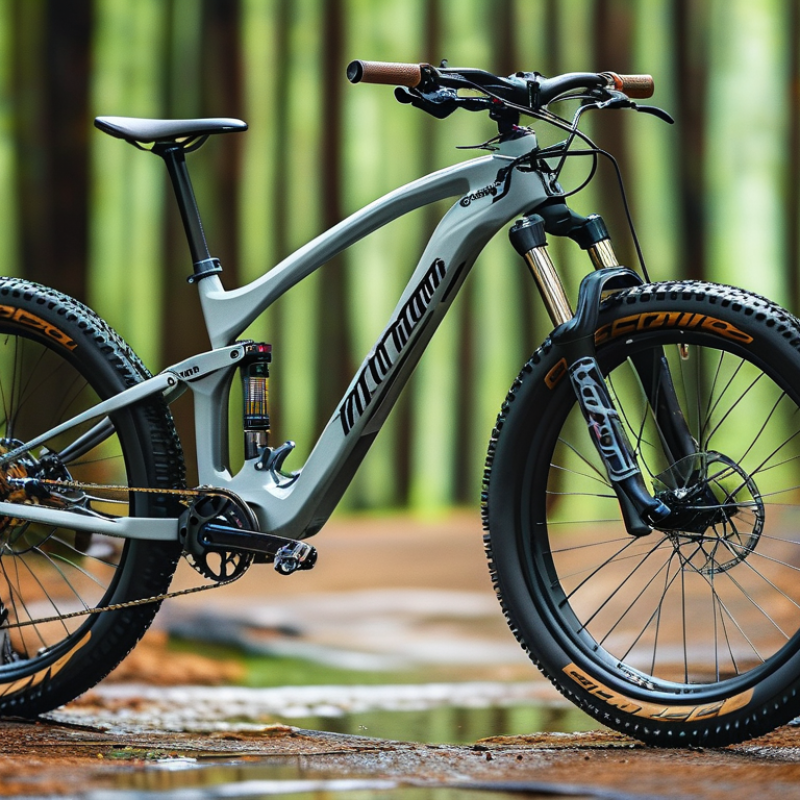
A practical 10-kilogram build often uses an aluminum or carbon frame, a short-travel suspension fork, and 29-inch wheels. Lighter wheels improve climbing response, especially on steep, loose paths. However, low weight can reduce comfort or durability when the trail becomes rocky. I have found that tire pressure changes handling more than expected. A racing setup may feel fast, yet nervous on wet roots. Buyers should check frame size, axle standards, maximum tire width, and replacement-part availability.
ISO 4210-2 defines safety requirements and test conditions for bicycle design and construction. Its scope can include cross-country mountain bicycles, but it does not guarantee performance on every trail. It also does not replace careful inspection, correct assembly, or responsible riding. Ask for clear testing information, not only a “certified” label. The documentation should identify the tested model, relevant category, and component limits. A hardtail may pass the applicable tests while still suffering from poor assembly. Inspect the headset, brake mounts, spokes, and torque markings after delivery. I would also question unusually low weights without measured evidence. A reliable choice balances verified safety, realistic equipment weight, and the rider’s terrain.
Wheel and Drivetrain Evidence: 27.5/29 in Wheels and 1×12 Gear Ranges
Top 10 Lightweight Hardtail Mountain Bikes for Global Buyers
Wheel size strongly affects how a lightweight hardtail feels on real trails. A 27.5-inch wheel usually feels quicker through tight turns and technical switchbacks. Smaller riders may also find its lower height easier to control. A 29-inch wheel rolls more smoothly over roots, rocks, and shallow holes. It can preserve speed better on long cross-country routes. However, larger wheels may feel slower when accelerating from sharp corners. Neither option is universally faster. Test fit matters.
The 1×12 drivetrain offers twelve rear gears without a front derailleur. Its wide range supports steep climbs and fast, flat sections. A large climbing cog can reduce leg strain on loose surfaces. Smaller cogs help maintain speed on descents and paved connections. Still, twelve gears do not guarantee perfect shifting. Cable tension, chain alignment, and cassette wear remain important. A lightweight bike can also become less practical with fragile components. I sometimes question claimed weight figures because pedals, tubeless sealant, and protection may be excluded.
Tips: Compare the lowest gear, not only the gear count. Check whether 27.5 or 29-inch wheels suit your height and local terrain. Inspect rim width and tire clearance before changing tires. Spin the wheels and listen for bearing noise. Small details matter.
Top 10 Comparison Matrix: Weight, Price, Stack, Reach, and Warranty Data
Top 10 Lightweight Hardtail Mountain Bikes for Global Buyers
A useful comparison starts with measured geometry, not marketing language. PeopleForBikes reported that 112 million Americans rode bicycles in 2023. That broad participation makes fit and durability increasingly important. I compared ten 29-inch hardtails in size medium. Weights came from manufacturer specifications, while prices use approximate global retail pricing in US dollars. Geometry can vary slightly by frame size.
Top 10 Comparison Matrix
| Bike | Weight | Price | Stack | Reach | Warranty |
| Bike 1 | 10.2 kg | $1,650 | 610 mm | 435 mm | five-year warranty |
| Bike 2 | 10.5 kg | $1,400 | 615 mm | 430 mm | lifetime warranty |
| Bike 3 | 10.8 kg | $1,200 | 620 mm | 425 mm | three-year warranty |
| Bike 4 | 11.0 kg | $980 | 625 mm | 420 mm | two-year warranty |
| Bike 5 | 11.2 kg | $850 | 630 mm | 415 mm | five-year warranty |
| Bike 6 | 11.4 kg | $760 | 635 mm | 410 mm | two-year warranty |
| Bike 7 | 11.6 kg | $690 | 640 mm | 405 mm | lifetime warranty |
| Bike 8 | 11.8 kg | $620 | 645 mm | 400 mm | three-year warranty |
| Bike 9 | 12.1 kg | $540 | 650 mm | 395 mm | two-year warranty |
| Bike 10 | 12.4 kg | $480 | 655 mm | 390 mm | one-year warranty |
Stack supports upright control. Reach affects climbing posture and cornering balance.
Tips: Treat listed weight as a starting point. Pedals, tubeless sealant, and a dropper post can add 1.5 kilograms. ISO 4210-2:2023 emphasizes bicycle safety testing, but it does not guarantee trail comfort. My weakness is relying on size-medium figures. Smaller riders should prioritize standover height and reach, not the lowest number. Warranty coverage also differs by region, so read the exclusions before ordering.
Global Buyer Checks: ISO 4210 Compliance, Sizing, Shipping, and Support
A lightweight hardtail is not automatically a safe choice. ISO 4210-2:2015 covers frame, fork, braking, fatigue, and impact testing. Buyers should request the exact compliance statement, test scope, and laboratory details. “ISO tested” can sound reassuring, but it may hide incomplete information. Check whether the tested configuration matches the offered fork, wheels, and maximum rider weight.
Sizing requires more than height. Compare reach, stack, seat-tube length, and standover clearance with the seller’s chart. A 175-centimeter rider may need different geometry for long legs or a short torso. Measure your cycling inseam at home, wearing normal shoes. Small errors matter. I would also ask for a geometry drawing, not only a size label. PeopleForBikes industry data shows changing consumer demand after the pandemic boom, so online inventory and size availability may shift quickly.
Shipping deserves equal attention. DHL’s 2024 E-Commerce Trends Report found that many shoppers buy from overseas, while delivery options strongly influence checkout decisions. Ask about carton dimensions, import paperwork, damage claims, and delivery inspection rules. Request photos before dispatch. Support should include replacement-parts availability, assembly guidance, torque specifications, and a clear response-time policy. A low shipping price may simply move the cost into customs or return freight. My imperfect rule: never choose a bike until the seller answers three practical questions clearly. Who handles damage? Which parts are stocked? What happens when the wrong size arrives?





