


China Best Mining Loaders Manufacturers?

Choosing the best Mining Loaders manufacturers in China requires more than comparing horsepower and purchase prices. Buyers should examine operating hours, underground dimensions, payload stability, service response, and parts availability. A loader that looks powerful in a brochure may struggle in a narrow drift with wet floors and frequent reversing.

China now offers a wide range of Mining Loaders, from established construction-equipment groups to specialized underground machinery producers. Companies such as XCMG, SANY, LiuGong, and Fambition serve different applications and budget levels. Their strengths are not identical. Some focus on scalable production, while others emphasize compact diesel or battery-electric loaders for underground mines. That difference matters.

Helena Hedblom, President and CEO of Epiroc, has said, “Innovation is at the heart of our business.” Her statement reflects a practical reality. Modern Mining Loaders must improve productivity while reducing emissions, heat, noise, and operator exposure. Battery-electric models are promising, but charging infrastructure, battery replacement, and technician training still require careful planning. This is where many comparisons become too optimistic.

The following overview evaluates Chinese manufacturers through measurable criteria, including machine design, safety systems, remote-control capability, maintenance access, warranty support, and field performance. It also considers user experience, because a loader covered in dust and oil reveals weaknesses quickly. No manufacturer is perfect. Even strong suppliers may have uneven dealer coverage or delayed parts in remote regions. Buyers should request test data, service references, and a clear total-cost estimate before making a final decision.
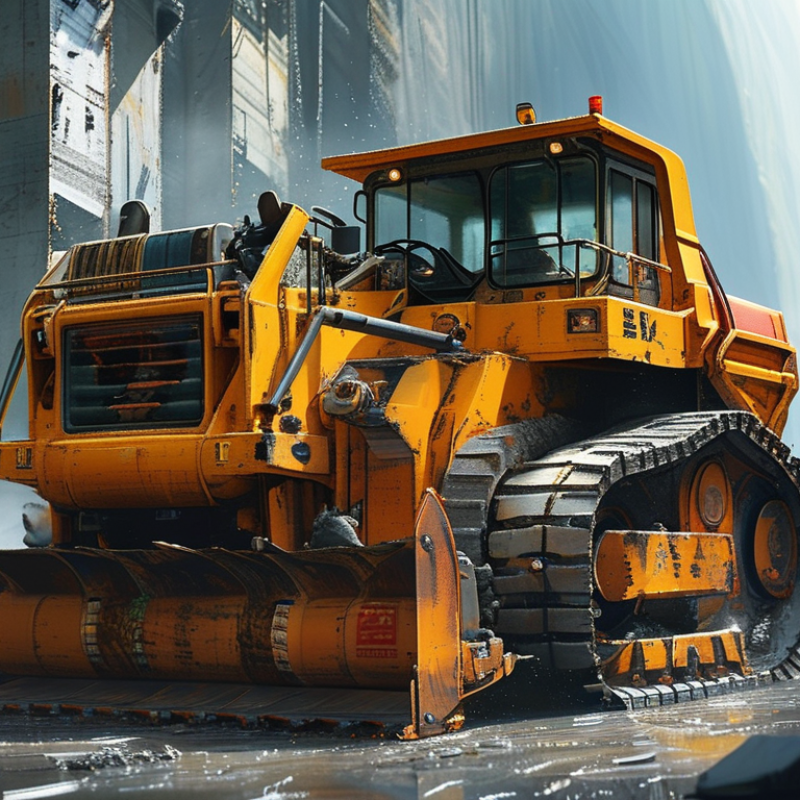
China Best Mining Loaders Manufacturers?

What Are Mining Loaders and How Are They Used?

Mining loaders, often called load-haul-dump machines, are compact vehicles built for underground material handling. They scoop blasted rock, carry it, and discharge it into a truck, crusher, or ore pass. Their articulated frames help them turn inside narrow tunnels. Low profiles allow access where larger equipment cannot work.

Short travel matters.

During operation, an operator lowers the bucket near the muck pile and drives forward carefully. The bucket fills through hydraulic lifting and crowding movements. The loader then reverses, travels to the dumping point, and returns for another cycle. In hard-rock mines, this repeated movement can continue for many hours. Wet floors, poor visibility, and loose rock require constant attention. Practical training remains as important as machine power.

When comparing China-based mining loader manufacturers, buyers should check bucket capacity, tramming speed, turning radius, ground clearance, and service support. Ask for test records, component information, maintenance schedules, and spare-parts availability. A machine may appear strong on paper but perform differently in cramped headings. Specs can mislead. Some capacity figures assume ideal material and level ground. I would also inspect weld quality, hydraulic hose protection, braking response, and cabin visibility. These details affect productivity and operator confidence. A reliable supplier should explain limitations clearly, not only advertise maximum output.

China Best Mining Loaders Manufacturers? - What Are Mining Loaders and How Are They Used?

Loader Type Typical Operating Environment Typical Bucket Capacity Typical Rated Payload Common Power Systems Primary Uses Main Selection Considerations
Underground LHD Loader Underground metal and hard-rock mines with restricted height and width Approximately 0.75–14 m³ Approximately 1.5–25 tonnes Diesel-hydraulic; battery-electric and cable-electric versions are also used Loading blasted ore, hauling it short distances, and dumping into ore passes, trucks, or crushers Machine width, turning radius, tramming distance, ventilation capacity, ground conditions, and service access
Underground Narrow-Vein Loader Narrow-vein mines and low-clearance headings Approximately 0.4–2.5 m³ Approximately 0.8–6 tonnes Compact diesel or battery-electric systems Selective ore loading and mucking where conventional LHDs cannot maneuver Overall width, lift height, articulation angle, visibility, ground clearance, and dilution control
Surface Wheel Loader Open-pit mines, stockpiles, quarries, ports, and processing plants Approximately 2–20 m³ or more, depending on machine class Approximately 3–40 tonnes or more Diesel-hydraulic, with electric and hybrid options available for selected applications Stockpile reclaiming, truck loading, material blending, hopper feeding, and cleanup Bucket size, material density, truck matching, cycle time, tire life, fuel use, and operating surface
Front-End Loader for ROM Ore Run-of-mine pads, primary crusher areas, and ore receiving stations Commonly 3–15 m³ Commonly 5–30 tonnes Diesel-hydraulic Feeding crushers, clearing oversize material, managing ore piles, and recovering spilled material Required breakout force, hydraulic lift capacity, bucket wear protection, tire specification, and site traffic pattern
Remote-Controlled LHD Underground drawpoints and areas exposed to rockfall, seismicity, or unstable ground Usually within the range of the matching conventional LHD class Usually approximately 3–21 tonnes Diesel-hydraulic or battery-electric with remote-control systems Mucking from hazardous zones while the operator remains in a safer location Camera and sensor coverage, communication reliability, line-of-sight limits, operator training, and automation compatibility
Battery-Electric Mining Loader Underground mines seeking lower diesel emissions and reduced ventilation demand Approximately 1.5–10 m³, depending on design Approximately 3–18 tonnes Rechargeable battery-electric drive with electric traction and hydraulic implements Loading and hauling ore in headings where ventilation, heat, noise, or emissions are major concerns Battery capacity, charging or swapping method, duty cycle, ramp performance, thermal management, and infrastructure
High-Lift Loader Surface stockpiles, high-sided trucks, rail loading, and material transfer points Approximately 3–15 m³ Approximately 5–30 tonnes Diesel-hydraulic Loading vehicles with high sideboards and placing material into elevated hoppers Dump clearance, hinge-pin height, lift-arm geometry, stability at full reach, and visibility
Compact Utility Loader Underground construction, mine maintenance, service areas, and small-scale aggregate operations Approximately 0.3–2 m³ Approximately 0.5–5 tonnes Diesel, battery-electric, or cable-electric systems Cleanup, backfilling, material handling, road maintenance, and light excavation Compact dimensions, attachment compatibility, ease of transport, maintenance access, and operator visibility

Note: Capacity and payload figures are broad industry ranges for comparison. Actual specifications vary according to loader design, material density, bucket configuration, mine layout, local regulations, and the selected operating cycle.


Why Choose Chinese Mining Loader Manufacturers?

Why Choose Chinese Mining Loader Manufacturers?

Chinese mining loader manufacturers appeal to buyers seeking practical equipment, flexible engineering, and controlled purchasing costs. Their factories often serve underground mines, aggregate sites, and construction contractors. This experience helps engineers refine loaders for narrow headings, wet ramps, and uneven haul roads. Field reviews show that small details matter: joystick response, bucket visibility, tire clearance, and filter access.

Many manufacturers offer different engine, transmission, bucket, and cabin configurations. This allows better matching with tunnel width, payload, and ventilation limits. Local supply chains can shorten delivery times for hydraulic parts, steel structures, and wear components. Competitive pricing may also leave room for spare parts and operator training. However, a low quotation proves little. Request load charts, cycle-time data, weld inspection records, and service response times. Good documents reveal more than polished photographs.

No supplier is perfect. Some factories communicate well before payment but respond slowly after delivery. That risk deserves direct testing. Request a video inspection, serial-number traceability, and a clear warranty process. Check whether technicians understand your mining conditions, not only machine specifications. A reliable partner should explain maintenance intervals, cold-start behavior, brake testing, and emergency support clearly. Independent inspections remain wise for first-time buyers. Test the loader under a realistic payload, because laboratory figures can seem optimistic underground.

How to Evaluate China’s Leading Mining Loader Manufacturers

Evaluating China’s leading mining loader manufacturers requires more than comparing prices. Start with the machine’s working environment. Check rated payload, bucket capacity, breakout force, turning radius, and ground clearance. A loader for narrow underground galleries needs different dimensions than one used in open-pit operations. Ask for test data from similar mines, not only laboratory figures.

Visit the factory when possible. Observe welding quality, paint preparation, component storage, and final inspection records. Reliable manufacturers can explain where major parts come from and how each loader is tested before shipment. Request evidence of compliance with applicable safety and emissions standards. Review service response times, spare-parts availability, operator training, and warranty exclusions. Details matter.

I once focused too heavily on purchase cost. That was a mistake. A cheaper loader may consume more fuel or lose weeks waiting for parts. Ask for a three-year ownership estimate, including maintenance, tires, filters, shipping, and downtime. Speak with existing users and inspect machines working in dusty, wet, and uneven conditions. Photos can hide hydraulic leaks. A live demonstration cannot. Be cautious when a supplier promises every specification without explaining operating limits. Clear limitations often show better engineering judgment.

Which Features Define a High-Quality Mining Loader?

A high-quality mining loader must perform reliably under dust, vibration, steep gradients, and changing ground conditions. In practical site evaluations, productive machines usually combine strong breakout force with smooth hydraulic control. The bucket should fill efficiently without excessive wheel spin. Articulated steering also matters, especially in narrow underground headings. A tight turning radius can save valuable reversing time.

Operator protection deserves equal attention. Look for clear sightlines, stable steps, effective lighting, and a well-designed protective cab. Responsive brakes and predictable steering reduce fatigue during long shifts. The engine and hydraulic systems should resist overheating, even when ventilation or ambient temperatures become difficult. Easy access to filters, grease points, and diagnostic ports can shorten maintenance delays. Small details matter.

Tips: Compare rated payload with your actual haul distance and material density. Inspect welds, pins, hoses, and tire wear before purchase. Ask for service records and parts availability. A short demonstration on your own site is more useful than a polished brochure.

Fuel efficiency should be measured beside cycle time, not alone. A slower loader may consume less fuel but reduce daily output. No machine is perfect. Buyers should record weaknesses, too, then judge whether the design supports safe, consistent work. Independent inspections and operator feedback can reveal problems that specifications often miss.

How to Select the Right Chinese Mining Loader Supplier

Selecting the right Chinese mining loader supplier requires more than comparing quoted prices. According to the International Energy Agency’s Global Critical Minerals Outlook 2024, energy-transition mineral markets reached about USD 325 billion in 2023. Rising mine activity increases pressure on equipment uptime, service response, and parts availability.

Ask suppliers for measured payload, bucket capacity, cycle time, fuel consumption, and hydraulic breakout force. Request test records from comparable underground conditions. ISO 19296:2018 provides a useful reference for mobile mining-machine safety and performance requirements. Check whether the supplier supports documented risk assessments, operator training, and machine traceability.

Look closely at after-sales capability. Mining equipment is judged underground, not in a showroom. Confirm spare-parts stock, remote diagnostics, technician coverage, and emergency response times in writing. Deloitte’s Tracking the Trends 2024 report identifies labor shortages and automation as major mining pressures, so optional remote monitoring may reduce operating risks. Still, technology is not a substitute for reliable mechanics.

Visit the assembly plant if possible. Inspect weld quality, cable routing, hydraulic protection, and final testing records. Speak with users operating similar loaders in wet, abrasive, or narrow headings. Be cautious with impressive brochures. A supplier may publish peak performance rather than sustainable daily output. Compare total cost over five years, including maintenance, tires, batteries, training, and downtime. The cheapest machine can become expensive quickly. My own caution is simple: supplier promises should remain provisional until independent inspection and field trials confirm them.

Typical Underground Mining Loader Specification Ranges

When selecting a Chinese mining loader supplier, compare the loader class with your required payload, bucket capacity, and engine power. The ranges below represent common underground load-haul-dump equipment categories and can be used as a practical starting point for supplier evaluation.

Article Source:

Powder Coat Booths

For those larger-sized parts, or smaller quantity runs, we have 2 independent powder coat booths and ovens. The quality, durability and affordability of today’s powder coating finishes make this the process of choice for world-class companies.

Powder coating advantages over other forms of coating are many. Materials used in the Powder coating process can be metals and non-metals that come in a multitude of thicknesses, textures, colors, etc. Another of Powder coating’s biggest advantages over conventional coatings is its ability to create finishes in many different textures. Powder Coating Booths allow us the ability to apply these advantages to large products.

Wet Paint Line

Tri-State Fabricators runs a full-service conveyor line for painting. Wet painting can provide protection or decoration to many different part styles. From start to finish, every project is easier to undergo random and point-based inspection by our skilled painting team.

Advantages to our Wet Paint Line are these lines start with product prep and ends with a thorough inspection of a high quality finished product. Our ability to complete large and small projects with a superior finish and doing so in a timely and economical fashion. This passes along the savings in production to our customers. When powder coating ins not an option, our Wet Paint Line gets the job done right the first time.

Wet Paint Booths

When the parts get big and heavy we roll-out our custom paint racks and oversize booth. By utilizing our partnerships with all the major paint brands, we can match virtually any color with wet paint.

The advantages of having access to a Wet Paint Booth are many. Large projects of many different shapes can be loaded into the booth. The Wet Paint Booth offers an environment that is much more controlled than a typical parts painting operation.

Not only are they used because of their controlled environment, but they’re are also advantageous when it comes to applying paint to parts that are needed in industries that require specialty coatings such as medical, aerospace, etc.

Military CARC

Our military forces have some very high standards when it comes to the finish of their vehicles and equipment. From the first pre-treatment step to final coat, it takes a great deal of knowledge and experience to protect the men and women of our armed forces. They deserve only the best, and Tri-State Fabricators provides it.

All of our processes are closely monitored by our staff and management teams. Both of which are highly trained in the processes of metal fabrication and finishing. Tri-State Fabricators’ goal is to always fully satisfy each and every customer, including the military. We will always put a 110% into what we do.

Glass-Bead Blasting

Abrasive media blasting is an excellent way to remove old paint, rust, and increase the paint/powder adhesion. Glass beads produce a much smoother and brighter finish than angular abrasives; leaving the part clean yet without any dimensional change. Chemically inert and environmentally friendly, we can recycle our beads approximately 30 times; making them a more preferred method of metal cleaning or surface finishing.

Advantages to Glass Bead Blasting are many. Glass bead blast media is used when a project is needing rough surfaces need to become smooth for applications of coatings such as paint. It is typically used to clean paint and rust from a product surface without deforming the surface it is being used on. Overall, compared to many other blasting media, Glass Bead Blasting is a very economical choice and those savings are always passed on to our customers.

Part Washing

Tri-State Fabricators utilize a zinc phosphate wash to clean and etch the material to ensure the best paint adhesion possible. The unique design of our 3-stage wash system does the work like a 5-stage. From Cleaning and rinsing to conversion coating and post-treatment, Our Part Washing process is a complete service and works throughout the fabrication service and the finishing service.

Along with the previously mentioned benefits, Curing is a vital chemical reaction that leaves the product finish hard and relatively safe from mild abrasion and aggressive corrosion. This process can be done in more than one way; ambient air-dry or in curing ovens at temps that exceed 240°.

Burn-Off Oven

From fixing paint mistakes (someone else’s of course) to simply cleaning our paint line hooks, our burn-off oven is put to good use. After a quick burn-off, a little clean up, and a fresh coat of paint, your parts will look better than new.

Why does our Burn-Off Oven work so well? Because super heating the air around parts turns the materials into ashes. From paint and powder coatings to rubber and machining oils, high temps do the job without degrading the integrity of the part.

Masking

Masking is a vital part of producing high quality products. We have die-cut masking patterns to protect machined surfaces as well as a wide range of plugs and caps to protect threaded holes and bolts. We provide permanent and temporary masking.

Masking allows the selected sections of a product to be protected from a fabrication or finishing service. This can be with both chemicals when etching and tapes, paints when only finishing just a section of the product. Masking is great in aiding the customization process of a project.

Screen Printing

Screen printing is a photographic process that transfers artwork onto a porous nylon screen which allows colored ink to flow through the screen and be deposited on an aluminum or plastic component. We can generally have just about any design created onto a screen for your parts.

Some of the advantages of Screen Printing are, brand recognition for your business displaying on your products, assembly instructions, product warnings/hazards, etc. Tri-State Fabricators produces Screen Printing of the highest quality so you know it’s durable.

Metal Finishing

Metal Finishing is the art of treating the exterior portion of product, often metal but can also be made of other materials, so that the surface is clean and free of any debris. Then the process of applying coats or either paint of powder coat takes place. This coating process improves the quality of the product in both appearance and resistance to wear and corrosion.

Tri-State Fabricators, Inc., understands that a project typically isn’t complete until a high-quality finish has been added to your product. This is why our painting and powder coating teams continuously inspect the products throughout the Metal Finishing process.
